An experimental gene therapy ear injection has cured deafness for 10 out of 10 patients in clinical trial.
Turned this into a full Zack D Films-style 3D animation using @grok Imagine.
@elonmusk one injection. Real hearing restored in weeks.
Made entirely with Grok
#Grokimagine
2025 study: Frequent porn use is linked to reduced gray matter in brain reward areas and slower cognitive performance (fMRI evidence).
Effects strongest in compulsive use. Moderate use shows less impact.
Study: Shu et al. 2025
BAN PORN !!!
#mentahealth#porn#addiction
Compulsive porn use linked to higher anxiety, depression & stress in university students.
2021 study visualized with Grok Imagine.
Effects most pronounced in heavy users.
Camilleri et al. 2021
Aging is not a disease, but most diseases are consequences of it.
Health is not the absence of disease.
It is the successful management of countless failures!
Cancer starts losing. One breakthrough at a time
Researchers developed a new targeted drug (IVMT-Rx-4) that blocks a protein driving prostate cancer spread.
In early studies, it stopped cancer from spreading to bones, one of the deadliest stages.
The drug works by disrupting signals cancer cells use to grow and migrate.
When combined with docetaxel (standard chemotherapy), it improved survival outcomes. It showed no significant toxicity, which is promising for safety.
Human trials could begin around 2027.
AI cuts MRI scan time from 23 to 9 minutes at Amsterdam cancer center.
“We are already seeing that we can perform 18 more examinations in a week than before[...] We can also take more time for each patient, and staff can take breaks more often.”
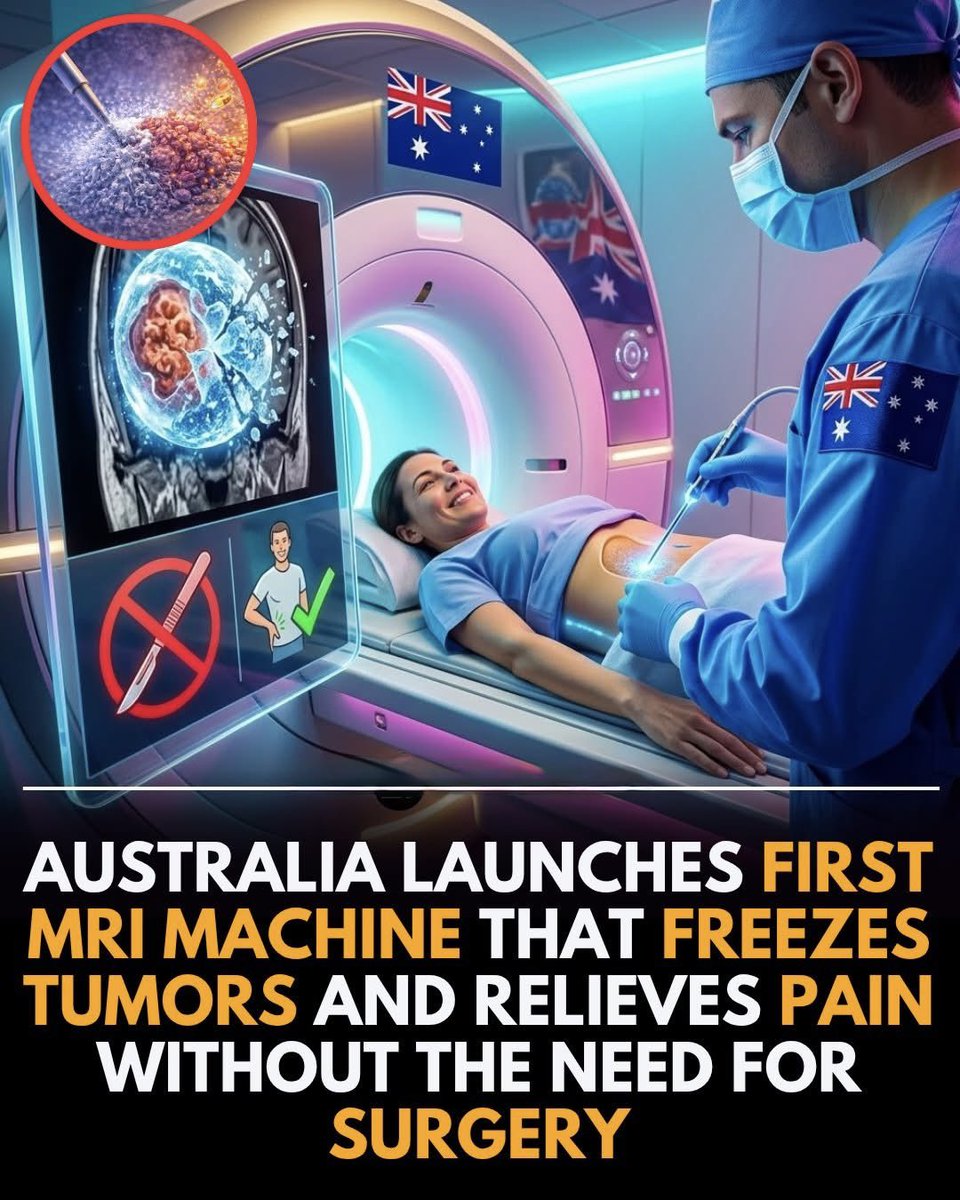
Australia has unveiled a groundbreaking MRI-based technology that can freeze tumors and ease pain—without the need for surgery. This advanced method uses cryoablation to precisely target and destroy tumor cells by freezing them, offering a powerful non-invasive alternative to traditional treatments.
By combining real-time MRI imaging with targeted cryotherapy, doctors can treat tumors with exceptional accuracy while protecting healthy surrounding tissue. This makes it especially valuable for patients who cannot undergo surgery or want to avoid lengthy recovery times and surgical risks.
Beyond shrinking tumors, this innovation significantly reduces pain, lowers complications, and allows for faster healing. It represents a major leap forward in cancer care, giving patients safer and more comfortable treatment options.
As this technology expands, it could reshape how cancer is treated worldwide—making care more accessible, efficient, and less invasive.
Could this be the future of cancer treatment without surgery?










![trajektoriePL's tweet photo. AI cuts MRI scan time from 23 to 9 minutes at Amsterdam cancer center.
“We are already seeing that we can perform 18 more examinations in a week than before[...] We can also take more time for each patient, and staff can take breaks more often.” https://t.co/XixanEgvaR](https://pbs.twimg.com/media/HFKD6gtbcAAnpI0.jpg)