🍀Evolutionary/molecular ecologist. PhD in bats 🦇 & telomeres. Previously: genomic/transposable elements in 🐠🐸🪱 Current postdoc: Epigenetic of ageing in 🦇
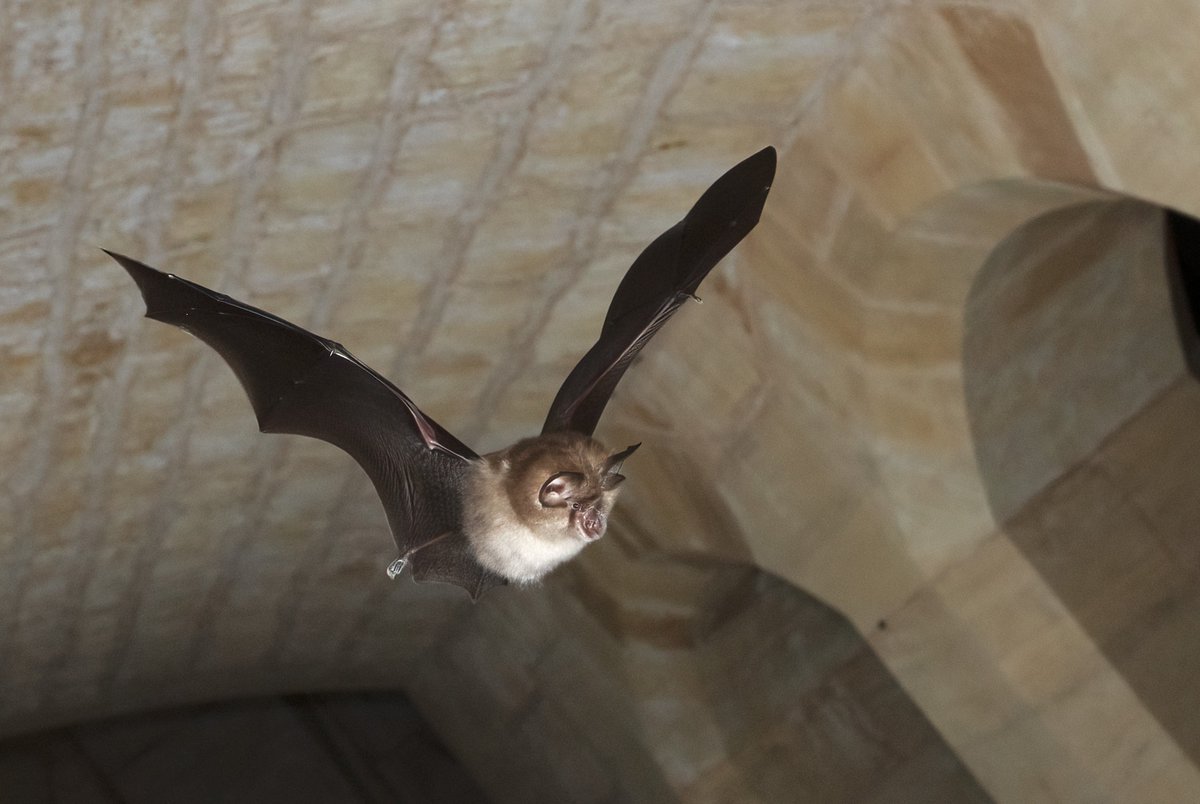
Is it better to have children early or later in life, and does parenthood speed up ageing? A new study from University College Dublin offers has tackled these questions with some help from Greater horseshoe bats. 🦇
Researchers found that reproducing early in life carries measurable costs but that some “super-mothers” defy the trend, living long, healthy lives while raising multiple offspring.
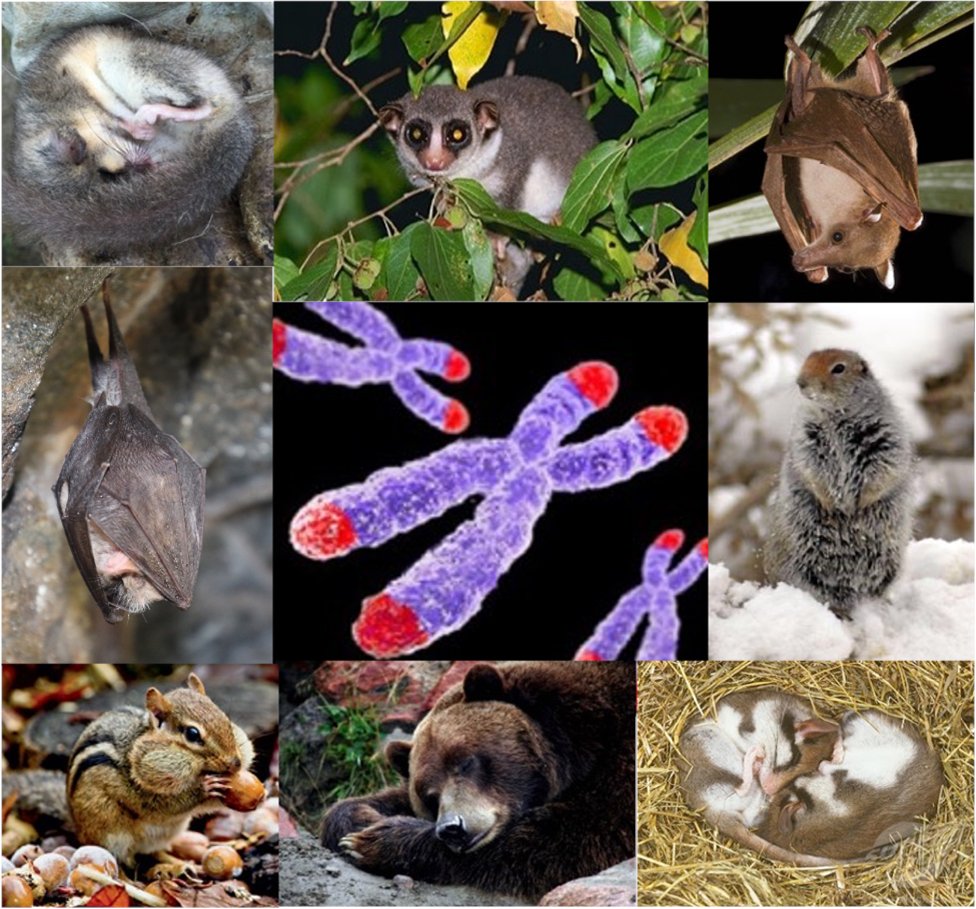
The team assessed the cost of reproduction by measuring telomere length, a biomarker of ageing and stress, in 200 female bats from a colony in the UK monitored continuously since 1959.
Telomeres shorten each time a cell divides and are considered a key marker of cellular health.
By pairing these biomarkers with each individual’s breeding history, the team uncovered a number of remarkable animals balancing reproduction and longevity.
“These ‘super-mothers’ have achieved the evolutionary jack-pot, living long healthy lives with lots of offspring. These are the individuals we need to study to uncover their longevity secrets,” said senior author Professor Emma Teeling.
Excited to share my paper on horseshoe #bat 🦇 #telomeres and #reproduction has just been published!!!
This one took the long way round; COVID, post-PhD burnout & rejections, meant it needed more time & space than I had planned. But I’m glad it made it ☺️ https://t.co/ddvxn6h4Po
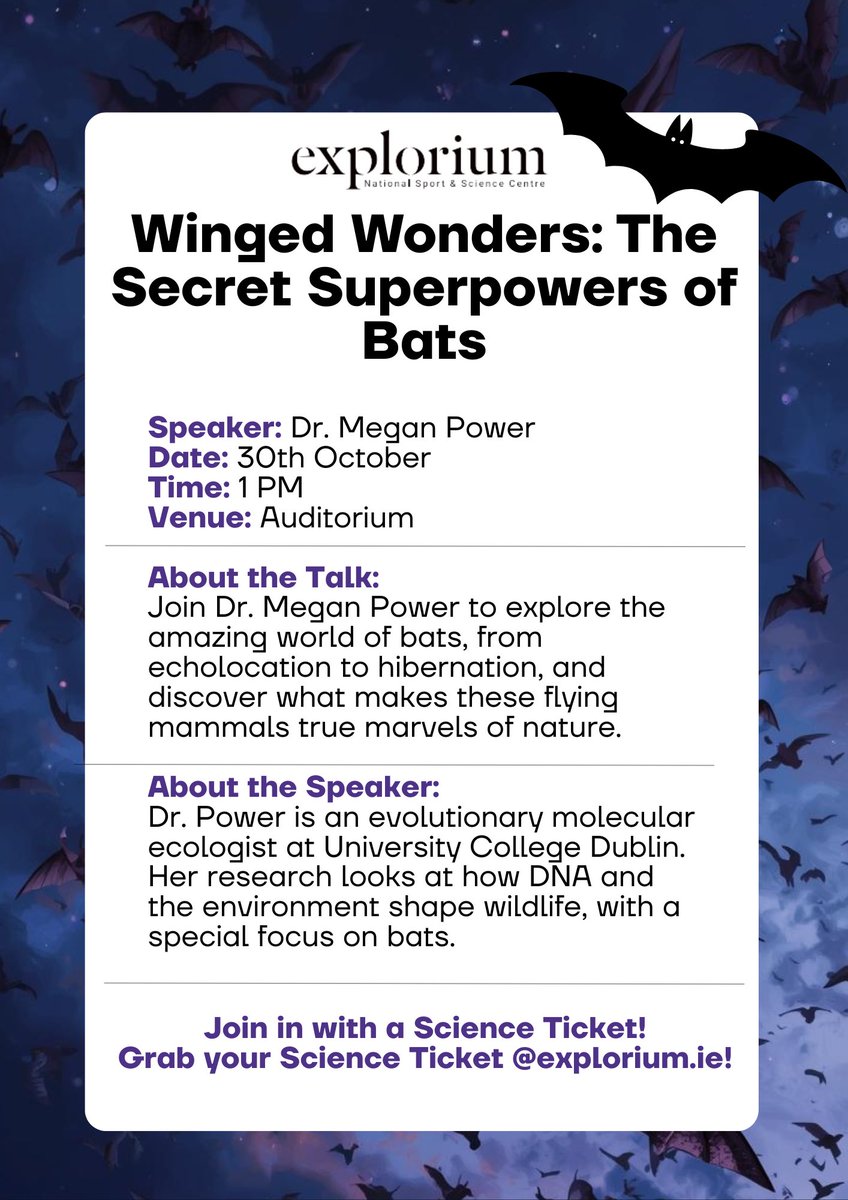
🦇 Winged Wonders: The Secret Superpowers of Bats! 🦇
Join Dr. Megan Power today at 1PM to uncover the amazing world of bats — from echolocation to hibernation! 🌍✨
Included with your Science Ticket 🎟️
#Explorium#ScienceInAction#Bats
These two are just showing off now 😂 congrats to my brilliant friends @GrahamMHughes & @ZixiaH for their involvement in the latest @nature paper exploring the #genomic basis for #viral tolerance in #bats 🦇 proud as always ☺️ https://t.co/PbJ8lNNyJh @UCDSBES@UCD_Research
Excited to share the Hughes Lab’s 1st 2025 paper, and @ColleenLawless_’s first as first-author, exploreing cuttlefish ink as a chemical defence targeting shark olfactory systems. Great collab with John Finarelli and @OceanExplauren! @UCDSBES@UCD_Research https://t.co/o8s3Y0kNSU
I am so absolutely chuffed! The dedication and time that Roger has put into the horseshoe bat colony has always been inspiring and I’m so grateful to have been involved the past few years. This is so well deserved ☺️🦇
Congratulations to Dr Roger Ransome who has been awarded the British Empire Medal (BEM) for ‘Services to Bat Conservation’! He has been studying bats for nearly 70 years!
#NewYearHonoursList#BatConservation
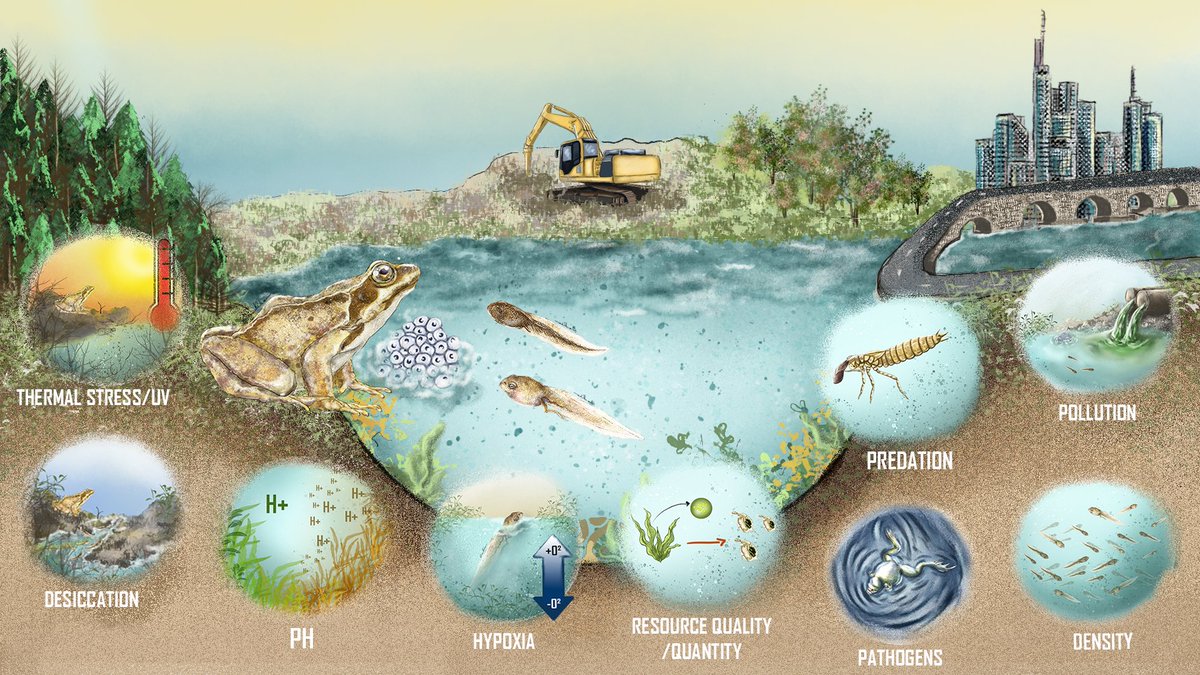
Upgrade from preprint to published in Molecular Ecology Resources!🐸Happy to have played a role in exploring the uniqueness of #amphibian#genomes & preliminary insights into #climate & transposable elements! @cybokat@OdysysLab@UCDSBES@UCD_Research
https://t.co/CUUL31QI4z
Are we underestimating the effects of climate change on animal reproduction?
Excited to share our new @RSocPublishing paper showing that the effects of higher mean temperatures and heatwave events on fertility are amplified when they act in combination 🌡️ https://t.co/R7tsoAgxOd
new preprint 🧵: In the midst of a week of news coverage about the oceans aproaching the tipping point of becoming too acidic to sustain marine life, we still don't know how most of those species will actually respond to this. #oceanacidification https://t.co/sANQOq6qIF
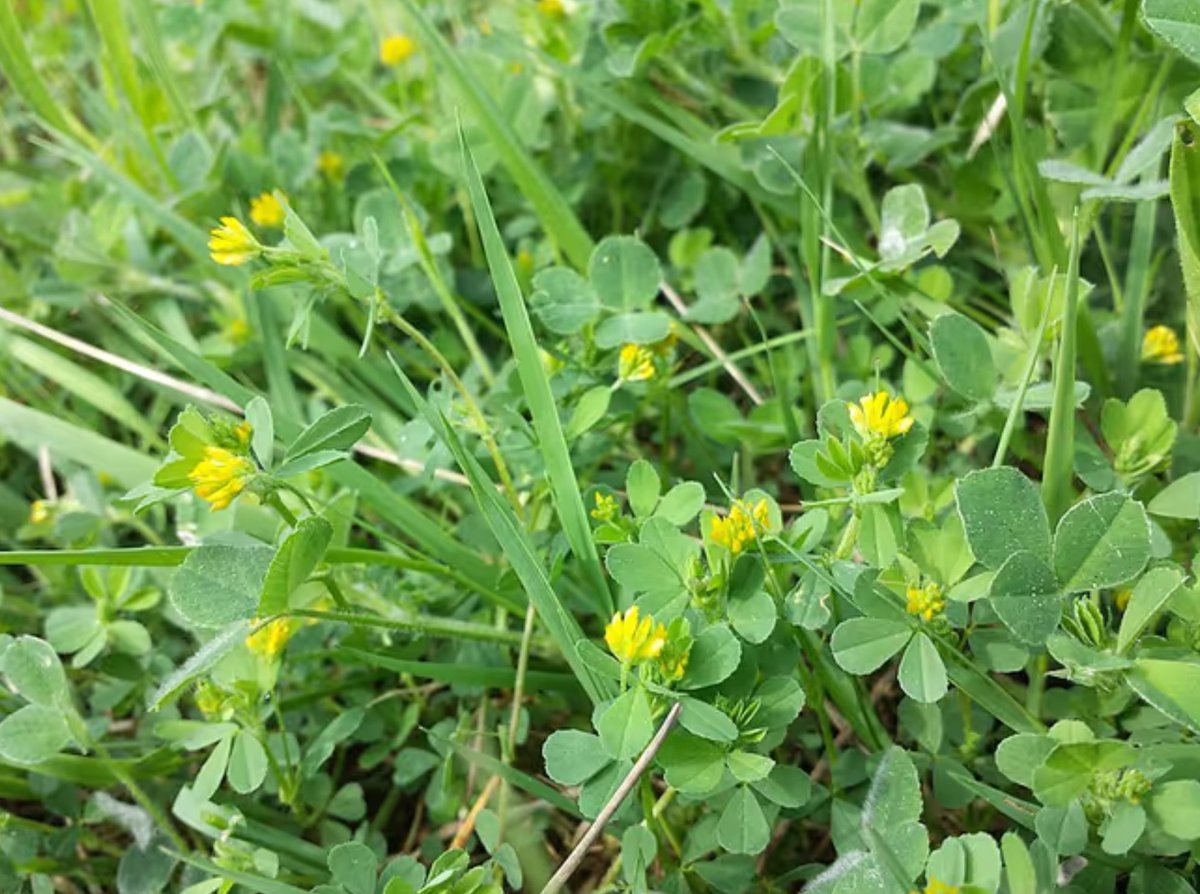
Look at this guy!! Repping the only Irish project and on the population genomics of the shamrock no less! ☘️ can’t wait to see how this turns out and super proud as always ☺️ @ucdsbes@UCD_Research@UCDEarth
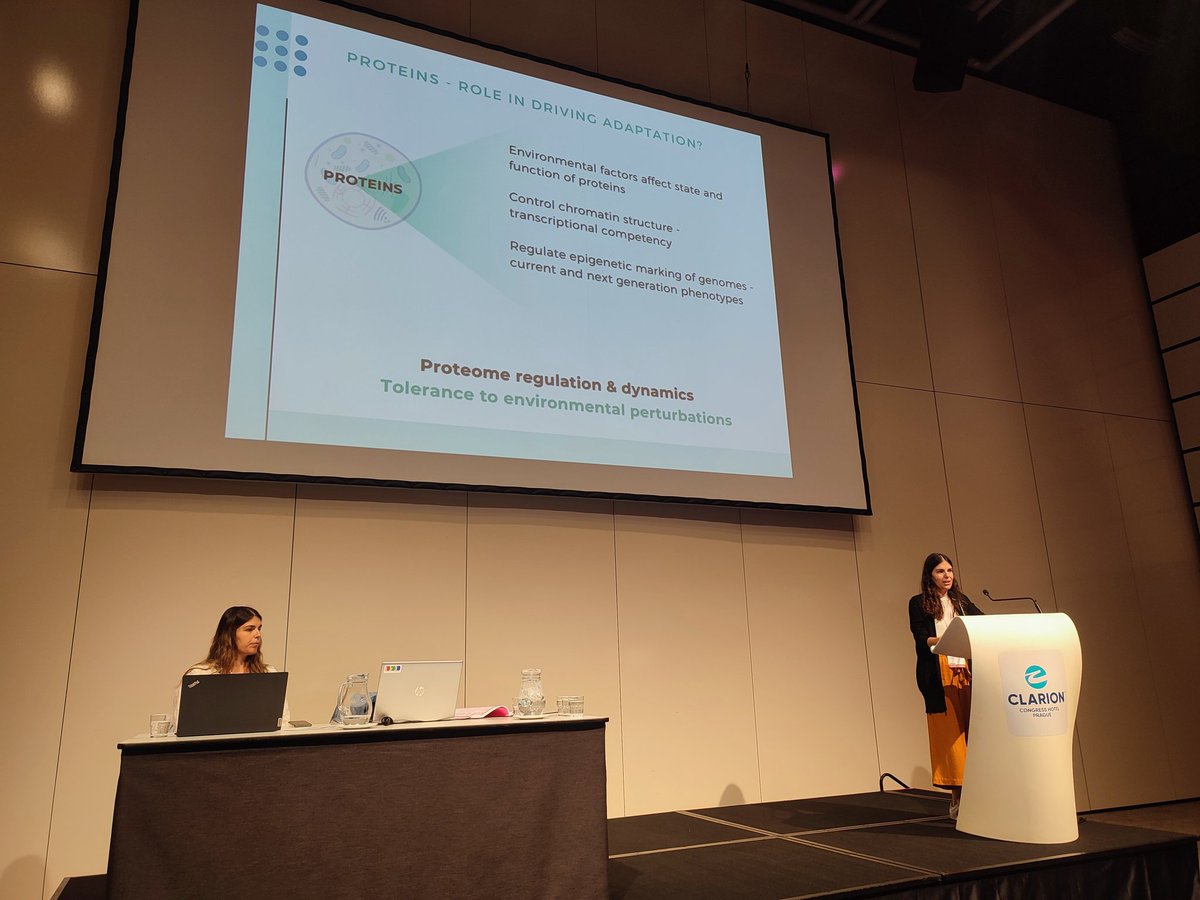
@DianaSMadeira kicking off the second morning slot of our A17 session at #sebconference with a talk on the extensive remodeling of the proteome across generations in a marine annelid 🪱 @SEBiology
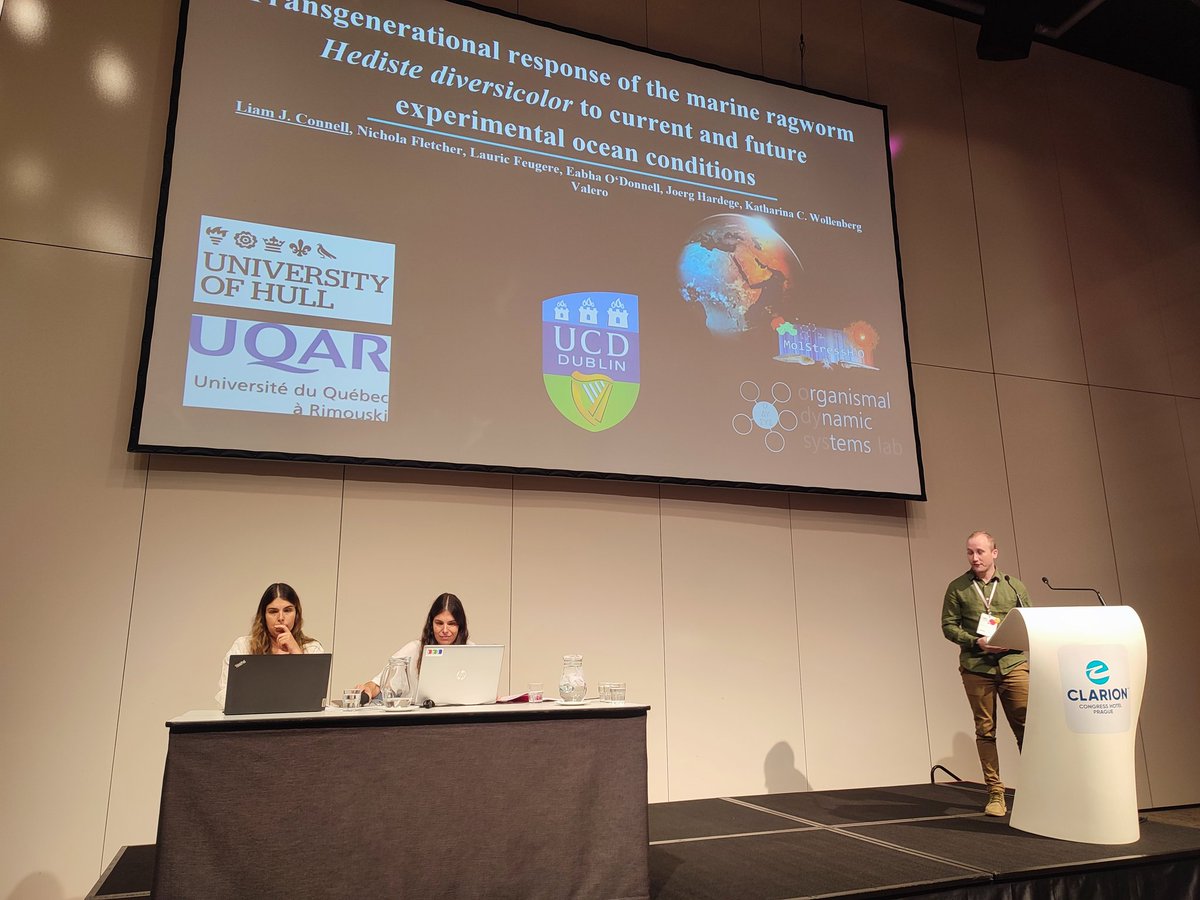
Liam Connell talking about his research on transgenerational plasticity in the marine ragworm to current and future experimental ocean conditions in the A17 session at #sebconference@SEBiology