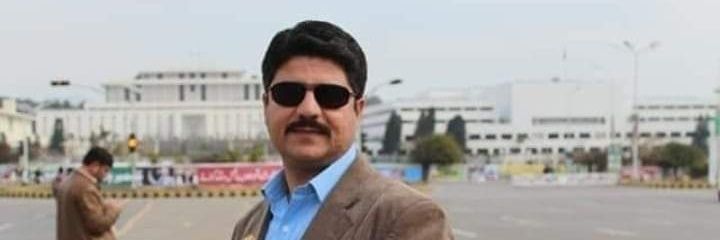
یہ پاک فضائیہ کے حاضر سروس اسکواڈرن لیڈر کے والد ہیں۔۔ ماسٹر سردار عزیز خان صاحب۔۔جو کبھی بھی دھرنے کا حصہ نہیں رہے ہیں۔ بلکہ اپنے بیٹے کے ہمراہ راولاکوٹ میں گاڑی میں جا رہے تھے۔انکا ایک بیٹا شدید زخمی ہے۔انہیں گاڑی سے اتار کر شہید کیا گیا یے۔۔۔
ان کا سارا خاندان ہمیشہ پاکستان زندہ باد کا نعرہ بلند کرتا رہا ہے۔
ان کا بیٹا وہ آفیسر ہے جو بھارت کے خلاف جنگ میں فرنٹ لائن اسکواڈ کا حصہ تھا۔۔۔۔
ملک کو ایک بہترین آفیسر دینے والا باپ آج اس گولی کا نشانہ بن گیا جس کا وہ کسی صورت حقدار نہیں تھا۔۔۔۔
رب کی ذات بخشش فرمائے آمین
راولاکوٹ آذاد کشمیر بھر میں کوئی شخص کوئی گھر کوئی جان محفوظ نہیں اپنا خیال رکھیں سب لوگ...
میں نے چند دن قبل فیسبک ڈیلیٹ کر دی تھی لیکن آج میرے تایا جان نے فیسبک لنک بھیجا جو فیسبک اپلیکشن ڈیلیٹ ہونے کی وجہ سے کھل نہیں رہا تھا لیکن سردار عزیز صاحب جو میرے لئے چچا کا درجہ رکھتے ہیں انکی تصویر دیکھ کر فیسبک دوبارہ انسٹال کی اور مکمل خبر پڑھ کر انکے بھتیجے Sardar Naveed Hayat Khan جو جموں وکشمیر پیپلز پارٹی کے سنئیر رہنما ہیں ان سے اس بارے میں کنفرم کیا تو پتہ چلا یہ درست واقعہ ہے۔۔۔انتہائی دکھ کی کیفیت ہے۔۔۔کشمیر میں خون بہہ رہا ہے جبکہ پاکستان میں اسے پراپیگنڈہ سمجھا جا رہا ہے۔۔۔
@TararAttaullah
جو کچھ راولاکوٹ اور میرپور میں گزشتہ 24 گھنٹے اور ڈیڑھ ماہ سے جاری ہے اسکے بارے میں بات کیوں نہیں کر رہے ہیں؟؟؟کیا آذاد کشمیر کے عوام کی جانیں اتنی سستی ہیں کہ ان پر سیدھی گولیاں چلائی جا رہی ہیں؟
آزاد کشمیر کے الیکشن کے پہلے مرحلے میں نہ صرف اچھی گہما گہمی رہی بلکہ سیاسی جماعتوں نے بڑھ چڑھ کر انتخابی عمل میں حصہ لیا جو کہ ایک شفاف انتخابی عمل تھا۔ ابتدائی معلومات کے مطابق مسلم لیگ ن کو پہلے مرحلے میں واضح برتری حاصل ہے۔ انشاءاللہ کشمیر میں شیر دھاڑے گا۔ مسلم لیگ ن نے ہمیشہ کشمیر کو اپنی ترجیحات میں رکھا ہے۔ میاں نواز شریف کی قیادت میں مسلم لیگ ن نے اچھا الیکشن لڑا۔ وزیراعظم شہباز شریف نے کشمیر کے ترقیاتی کاموں پر بہت توجہ دی ہے۔
For more than a month and a half, the Joint Public Action Committee has been holding protests in Rawalakot, Azad Jammu and Kashmir, demanding public rights. During this period, both the Government of Azad Jammu and Kashmir and the Federal Government of Pakistan have repeatedly responded with force rather than dialogue. As a result, dozens of precious lives have reportedly been lost, while the protests continue, leaving the region trapped in uncertainty, unrest, and an increasing risk to human life.
According to critics, much of the responsibility lies with the uncompromising approach of Inspector General Captain (Retired) Liaqat Ali, as well as the rigid stance of both the Azad Kashmir and Pakistani governments. Attempts to silence public demands through force instead of addressing them through political dialogue have only deepened tensions.
History offers important lessons. Similar policies of suppressing public grievances through coercion have been pursued in Balochistan and Khyber Pakhtunkhwa for decades, and their long-term consequences are evident. If the same approach continues in Azad Kashmir, there are serious concerns that it could also have damaging consequences for the region and the country in the years ahead.
This is fundamentally a political issue that, many argue, should be resolved through dialogue, negotiation, and democratic engagement—not through violence or excessive use of force. The international community is watching, and so are the people of Kashmir.
For more than a month and a half, the Joint Public Action Committee has been holding protests in Rawalakot, Azad Jammu and Kashmir, demanding public rights. During this period, both the Government of Azad Jammu and Kashmir and the Federal Government of Pakistan have repeatedly responded with force rather than dialogue. As a result, dozens of precious lives have reportedly been lost, while the protests continue, leaving the region trapped in uncertainty, unrest, and an increasing risk to human life.
According to critics, much of the responsibility lies with the uncompromising approach of Inspector General Captain (Retired) Liaqat Ali, as well as the rigid stance of both the Azad Kashmir and Pakistani governments. Attempts to silence public demands through force instead of addressing them through political dialogue have only deepened tensions.
History offers important lessons. Similar policies of suppressing public grievances through coercion have been pursued in Balochistan and Khyber Pakhtunkhwa for decades, and their long-term consequences are evident. If the same approach continues in Azad Kashmir, there are serious concerns that it could also have damaging consequences for the region and the country in the years ahead.
This is fundamentally a political issue that, many argue, should be resolved through dialogue, negotiation, and democratic engagement—not through violence or excessive use of force. The international community is watching, and so are the people of Kashmir.
For more than a month and a half, the Joint Public Action Committee has been holding protests in Rawalakot, Azad Jammu and Kashmir, demanding public rights. During this period, both the Government of Azad Jammu and Kashmir and the Federal Government of Pakistan have repeatedly responded with force rather than dialogue. As a result, dozens of precious lives have reportedly been lost, while the protests continue, leaving the region trapped in uncertainty, unrest, and an increasing risk to human life.
According to critics, much of the responsibility lies with the uncompromising approach of Inspector General Captain (Retired) Liaqat Ali, as well as the rigid stance of both the Azad Kashmir and Pakistani governments. Attempts to silence public demands through force instead of addressing them through political dialogue have only deepened tensions.
History offers important lessons. Similar policies of suppressing public grievances through coercion have been pursued in Balochistan and Khyber Pakhtunkhwa for decades, and their long-term consequences are evident. If the same approach continues in Azad Kashmir, there are serious concerns that it could also have damaging consequences for the region and the country in the years ahead.
This is fundamentally a political issue that, many argue, should be resolved through dialogue, negotiation, and democratic engagement—not through violence or excessive use of force. The international community is watching, and so are the people of Kashmir.
For more than a month and a half, the Joint Public Action Committee has been holding protests in Rawalakot, Azad Jammu and Kashmir, demanding public rights. During this period, both the Government of Azad Jammu and Kashmir and the Federal Government of Pakistan have repeatedly responded with force rather than dialogue. As a result, dozens of precious lives have reportedly been lost, while the protests continue, leaving the region trapped in uncertainty, unrest, and an increasing risk to human life.
According to critics, much of the responsibility lies with the uncompromising approach of Inspector General Captain (Retired) Liaqat Ali, as well as the rigid stance of both the Azad Kashmir and Pakistani governments. Attempts to silence public demands through force instead of addressing them through political dialogue have only deepened tensions.
History offers important lessons. Similar policies of suppressing public grievances through coercion have been pursued in Balochistan and Khyber Pakhtunkhwa for decades, and their long-term consequences are evident. If the same approach continues in Azad Kashmir, there are serious concerns that it could also have damaging consequences for the region and the country in the years ahead.
This is fundamentally a political issue that, many argue, should be resolved through dialogue, negotiation, and democratic engagement—not through violence or excessive use of force. The international community is watching, and so are the people of Kashmir.
For more than a month and a half, the Joint Public Action Committee has been holding protests in Rawalakot, Azad Jammu and Kashmir, demanding public rights. During this period, both the Government of Azad Jammu and Kashmir and the Federal Government of Pakistan have repeatedly responded with force rather than dialogue. As a result, dozens of precious lives have reportedly been lost, while the protests continue, leaving the region trapped in uncertainty, unrest, and an increasing risk to human life.
According to critics, much of the responsibility lies with the uncompromising approach of Inspector General Captain (Retired) Liaqat Ali, as well as the rigid stance of both the Azad Kashmir and Pakistani governments. Attempts to silence public demands through force instead of addressing them through political dialogue have only deepened tensions.
History offers important lessons. Similar policies of suppressing public grievances through coercion have been pursued in Balochistan and Khyber Pakhtunkhwa for decades, and their long-term consequences are evident. If the same approach continues in Azad Kashmir, there are serious concerns that it could also have damaging consequences for the region and the country in the years ahead.
This is fundamentally a political issue that, many argue, should be resolved through dialogue, negotiation, and democratic engagement—not through violence or excessive use of force. The international community is watching, and so are the people of Kashmir.
For more than a month and a half, the Joint Public Action Committee has been holding protests in Rawalakot, Azad Jammu and Kashmir, demanding public rights. During this period, both the Government of Azad Jammu and Kashmir and the Federal Government of Pakistan have repeatedly responded with force rather than dialogue. As a result, dozens of precious lives have reportedly been lost, while the protests continue, leaving the region trapped in uncertainty, unrest, and an increasing risk to human life.
According to critics, much of the responsibility lies with the uncompromising approach of Inspector General Captain (Retired) Liaqat Ali, as well as the rigid stance of both the Azad Kashmir and Pakistani governments. Attempts to silence public demands through force instead of addressing them through political dialogue have only deepened tensions.
History offers important lessons. Similar policies of suppressing public grievances through coercion have been pursued in Balochistan and Khyber Pakhtunkhwa for decades, and their long-term consequences are evident. If the same approach continues in Azad Kashmir, there are serious concerns that it could also have damaging consequences for the region and the country in the years ahead.
This is fundamentally a political issue that, many argue, should be resolved through dialogue, negotiation, and democratic engagement—not through violence or excessive use of force. The international community is watching, and so are the people of Kashmir.
For more than a month and a half, the Joint Public Action Committee has been holding protests in Rawalakot, Azad Jammu and Kashmir, demanding public rights. During this period, both the Government of Azad Jammu and Kashmir and the Federal Government of Pakistan have repeatedly responded with force rather than dialogue. As a result, dozens of precious lives have reportedly been lost, while the protests continue, leaving the region trapped in uncertainty, unrest, and an increasing risk to human life.
According to critics, much of the responsibility lies with the uncompromising approach of Inspector General Captain (Retired) Liaqat Ali, as well as the rigid stance of both the Azad Kashmir and Pakistani governments. Attempts to silence public demands through force instead of addressing them through political dialogue have only deepened tensions.
History offers important lessons. Similar policies of suppressing public grievances through coercion have been pursued in Balochistan and Khyber Pakhtunkhwa for decades, and their long-term consequences are evident. If the same approach continues in Azad Kashmir, there are serious concerns that it could also have damaging consequences for the region and the country in the years ahead.
This is fundamentally a political issue that, many argue, should be resolved through dialogue, negotiation, and democratic engagement—not through violence or excessive use of force. The international community is watching, and so are the people of Kashmir.
For more than a month and a half, the Joint Public Action Committee has been holding protests in Rawalakot, Azad Jammu and Kashmir, demanding public rights. During this period, both the Government of Azad Jammu and Kashmir and the Federal Government of Pakistan have repeatedly responded with force rather than dialogue. As a result, dozens of precious lives have reportedly been lost, while the protests continue, leaving the region trapped in uncertainty, unrest, and an increasing risk to human life.
According to critics, much of the responsibility lies with the uncompromising approach of Inspector General Captain (Retired) Liaqat Ali, as well as the rigid stance of both the Azad Kashmir and Pakistani governments. Attempts to silence public demands through force instead of addressing them through political dialogue have only deepened tensions.
History offers important lessons. Similar policies of suppressing public grievances through coercion have been pursued in Balochistan and Khyber Pakhtunkhwa for decades, and their long-term consequences are evident. If the same approach continues in Azad Kashmir, there are serious concerns that it could also have damaging consequences for the region and the country in the years ahead.
This is fundamentally a political issue that, many argue, should be resolved through dialogue, negotiation, and democratic engagement—not through violence or excessive use of force. The international community is watching, and so are the people of Kashmir.
@UNHumanRights@BBCUrdu@HamidMirPAK@SaboohSyed@Masood__Khan@PMofAJK@PakPMO@MohsinnaqviC42
For more than a month and a half, the Joint Public Action Committee has been holding protests in Rawalakot, Azad Jammu and Kashmir, demanding public rights. During this period, both the Government of Azad Jammu and Kashmir and the Federal Government of Pakistan have repeatedly responded with force rather than dialogue. As a result, dozens of precious lives have reportedly been lost, while the protests continue, leaving the region trapped in uncertainty, unrest, and an increasing risk to human life.
According to critics, much of the responsibility lies with the uncompromising approach of Inspector General Captain (Retired) Liaqat Ali, as well as the rigid stance of both the Azad Kashmir and Pakistani governments. Attempts to silence public demands through force instead of addressing them through political dialogue have only deepened tensions.
History offers important lessons. Similar policies of suppressing public grievances through coercion have been pursued in Balochistan and Khyber Pakhtunkhwa for decades, and their long-term consequences are evident. If the same approach continues in Azad Kashmir, there are serious concerns that it could also have damaging consequences for the region and the country in the years ahead.
This is fundamentally a political issue that, many argue, should be resolved through dialogue, negotiation, and democratic engagement—not through violence or excessive use of force. The international community is watching, and so are the people of Kashmir.
@UNHumanRights@BBCUrdu@HamidMirPAK@SaboohSyed@Masood__Khan@PMofAJK@PakPMO@MohsinnaqviC42
The scenes from Rawalakot, Azad Kashmir, are deeply concerning. Any excessive use of force against peaceful citizens must be investigated transparently, and those responsible should be held accountable. No government can silence the voice of its people through intimidation.
The events in Rawalakot, Azad Kashmir, are deeply disturbing. If excessive force was used against peaceful citizens, those responsible must be held accountable. The Federal & AJK governments must protect people's rights—not silence them. Justice will prevail. #Rawalakot
تحریک انصاف @PTIofficial@ImranKhanPTI والے شکر پڑھیں ۔یہ لڑکا @aliktareen اگر تحریک انصاف کی حکومت بنانے والی جہدوجہد میں شریک ہوا ہوتا تو آج اسکے ٹویٹس پڑھنے والے ہوتے۔
تباہی ہے یہ لڑکا...
Security Forces have been conducting a series of retribution operations against the Ks involved in heinous incident that occurred in Orakzai District on 7 October, resulting in the shahadat of brave sons of soil, including Lieutenant Colonel Junaid Tariq and Major Tayyab Rahat.
During the conduct of operation, based on credible intelligence, in general area Jamal Maya, Orakzai District, after intense fire exchanges, all thirty Indian sponsored khwarij involved in the Terrorist incident have been sent to hell. These successful operations have avenged the heinous act and have brought the main perpetrators to justice.
Sanitization operations are being conducted to hunt and eliminate any other Indian sponsored Kharji found in the area, as the security forces of Pakistan are determined and remain steadfast to eradicate and wipe out the menace of Indian Sponsored Terrorism from the country.
The Kashmiri people are suffering from the horror of war between India and Pakistan. The only path to peace is to resolve the Kashmir issue in accordance with the wishes of the Kashmiri people.
@CNN@HamidMirPAK
@UN@POTUS@JustinTrudeau@trpresidency@KingSalman@PakPMO@BBCUrdu
Currently,the Kashmiri people are not able to avail the ceasefire facility on the Line of Control. The world,including the US, must understand that the Kashmiri people are the first parties to the Kashmir issue
@CDAthecapital@dcislamabad@ccislamabad
2022 سے 2025 مسئلہ جوں کا توں موجود ہے۔آوارہ کتوں کے سدباب کے لئے کوئی قدم اٹھائیں ۔بزرگ اور بچے ماہ رمضان میں ان کتوں کی وجہ سے مسجد تک میں جانے سے گھبراتے ہیں۔پورے جناح گارڈنز اور خصوصا سٹریٹ 226 سے ملحقہ علاقہ میں سخت اقدامات ضروری ہیں