In JGR: Atmospheres, scientists find that multiple interacting factors—declining aerosols, extreme heat and drought, widespread afforestation, and changes in vegetation uptake—are jointly driving more frequent and intense ozone events in the North China Plain.
🔗 Read the #OpenAccess article for free: https://t.co/jNQPFauKR0
#AGUPubs #AirPollution #Ozone #China #SDG3
Firefighters on Monday battled a large wildfire heading towards a remote western Canadian town as winds and tinder dry conditions threatened to spread the flames further, a provincial minister said. https://t.co/X6oKteLkLa https://t.co/X6oKteLkLa
This powerful model better represents rainfall, drought, #DustStorm, and severe air pollution events in diverse US air basins, including California’s Central Valley. We spent years building this model! Read more https://t.co/gJAdraTuTt
NOAA's Geophysical Fluid Dynamics Laboratory has developed a new variable-resolution global chemistry-climate model for research at the nexus of U.S. climate and air quality extremes.
Learn more about this powerful model in @AGU_Eos: https://t.co/qH7mfSx5ia
#AGUPubs#SDGs@NOAA
@theAGU@AGU_Eos@NOAA Excited to see our work being featured as an Editor’s Highlight @theAGU. Over the past three years, I led a team of highly talented scientists @NOAA to develop this novel model for research in US #climate and #AirQuality extremes. Well done Team!
Soot, known scientifically as PM2.5 pollution, causes about 4 million premature deaths annually, including 50,000 in the U.S. A new study says Western wildfires will add to that burden.
https://t.co/omZOWQNDcN
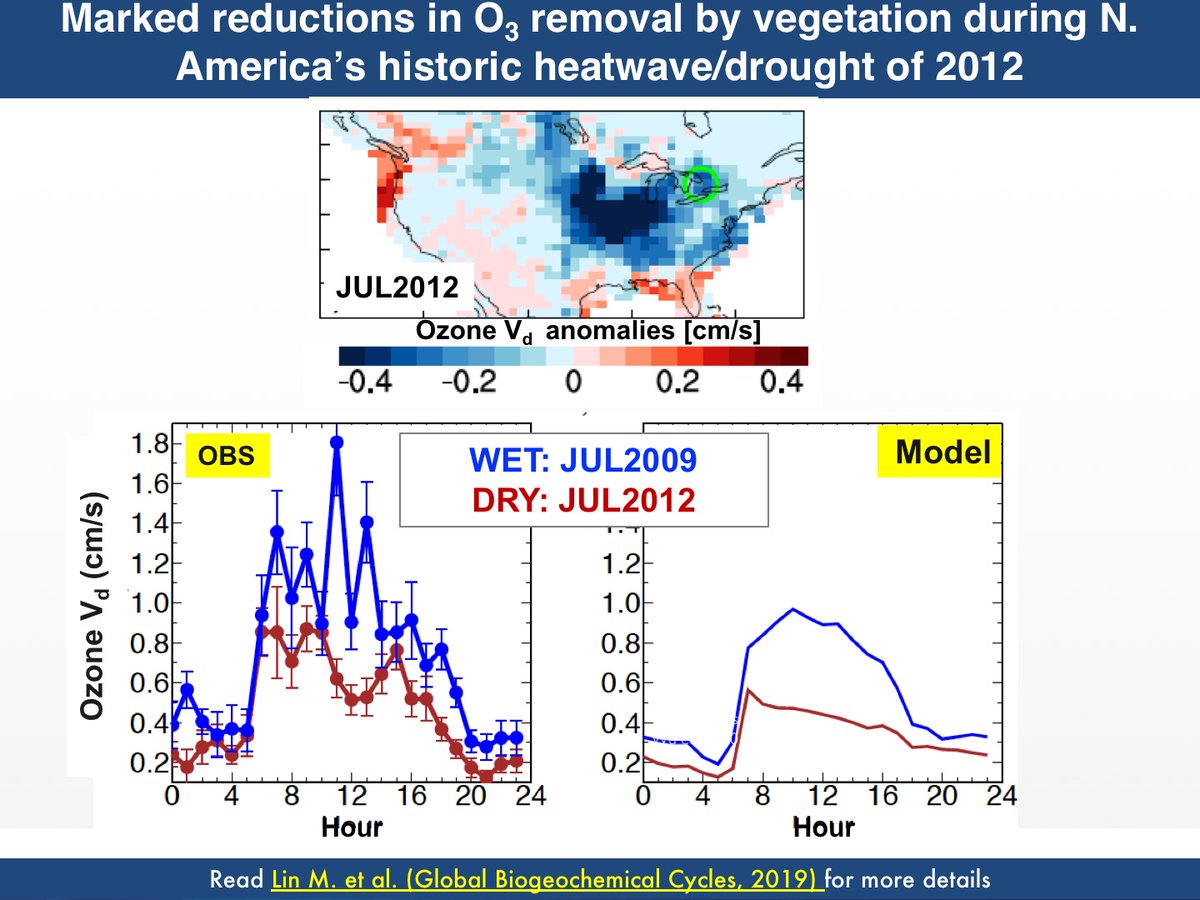
@_nadineunger @EmbersonL Thank you! While our study focused on Europe, the findings have broad implications. Substantial reductions in ozone removal by vegetation also occurred during North America's historic heat wave and drought of 2012. Read more: https://t.co/b0pdHYAOE7
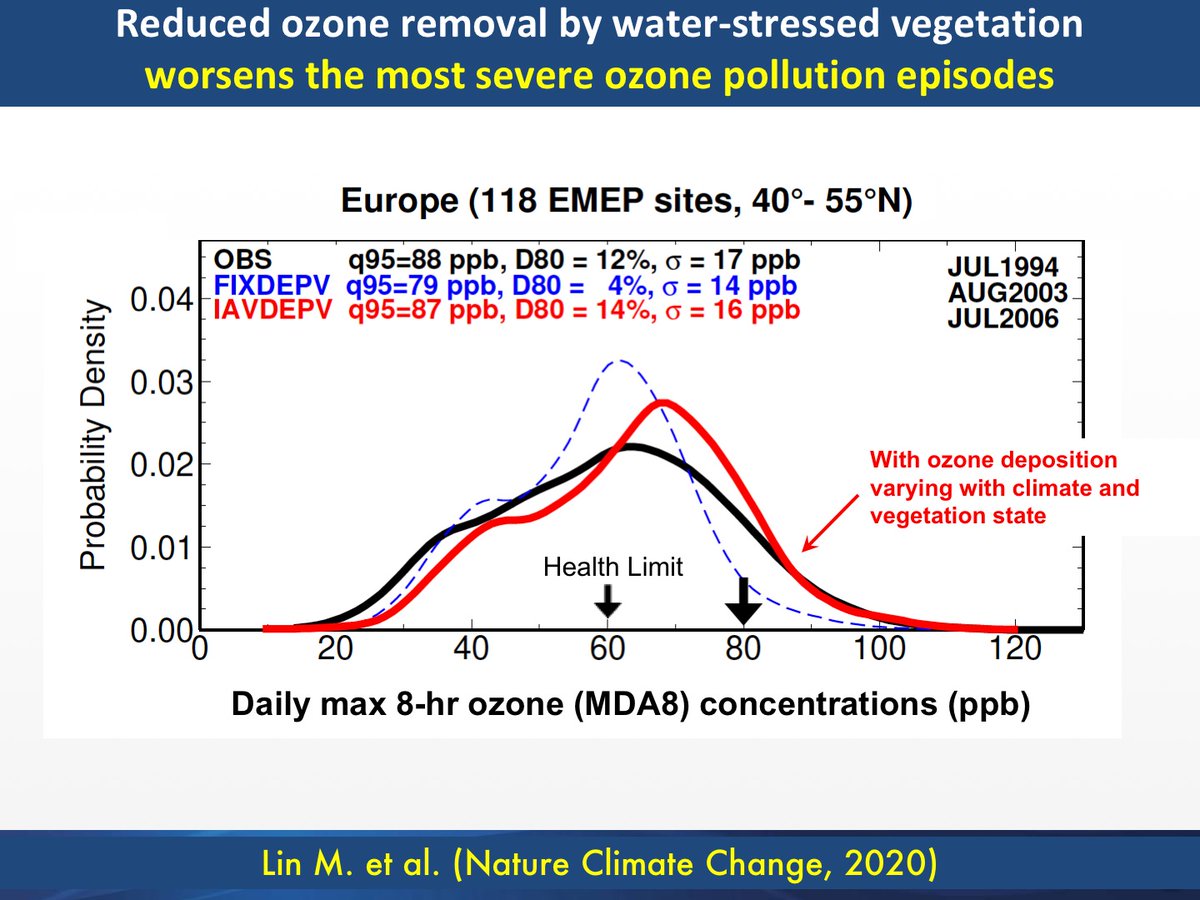
@Princeton As events like the 2003 European mega-drought are projected to become twice as frequent over the coming decades, effective emissions policy in Europe must consider the ozone climate penalty of plants. Read more: https://t.co/XsigVfHlzT
Princeton scientist solves air quality puzzle: Why does ozone linger long after its ban? https://t.co/ic4zvFqord via @Princeton@EurekAlert Thank you for covering my research! Read more here: https://t.co/XsigVfYWYt
(1) Ozone and vegetation
Meiyun Lin and co-authors use a climate model to look at how water-stressed vegetation can exacerbate ozone extremes in Europe:
https://t.co/ZnsjNz0FIy
See also this great News & Views by Mehliyar Sadiq:
https://t.co/7guqKkOs1I
My latest research on how water-stressed vegetation can exacerbate ozone air pollution in Europe has just been published with @SpringerNature in @NatureClimate. Read here: https://t.co/XsigVfHlzT