🔔 New piece for @ECPR 's @ECPR_TheLoop w/ @maxheermann where we map inaugural travels of world leaders using @PardeeCenterIFs 's #COLT of over 78K+ foreign trips by Heads of State & gov from 1990-2023.
👉 https://t.co/AMeczk0HPo
The @PardeeCenterIFs Country and Organizational Leader Travel (COLT) dataset is freely available to use and a great resource for studying global patterns of diplomacy: https://t.co/MZx7U5RVhi
"Writing is hard." Thrilled to share that this simple idea led to a new paper in @polanalysis. Most text methods focus on content. I test if expression is also effortful action and find measures like character counts reveal attitudes and predict voting. https://t.co/Gm9P7cYVEm 1/
1/ Can AI help researchers check whether published social science results actually reproduce? In our new PNAS paper, we tested this directly in the AI Replication Games: 288 researchers, 103 teams, and real replication packages from quantitative social science.
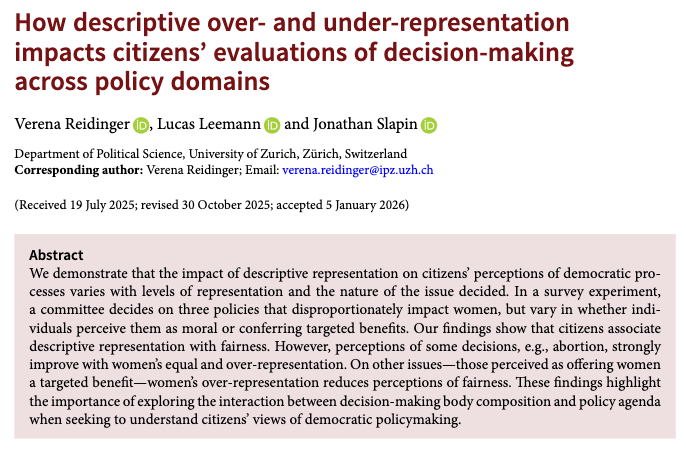
🏛️ Does women's representation shape perceived fairness of decisions?
➡️ Using a survey experiment, V. Reidinger, @LucasLeemann & J. Slapin show effects vary by policy type, sometimes reducing fairness perceptions when women are overrepresented https://t.co/VDVcsnq6Qe #FirstView
New paper in Nature. The more a government controls its domestic media, the more it dominates AI training data, the more pro-regime outputs we get from AI. By scraping the open web, LLMs are unwittingly laundering state-coordinated narratives into seemingly objective answers.
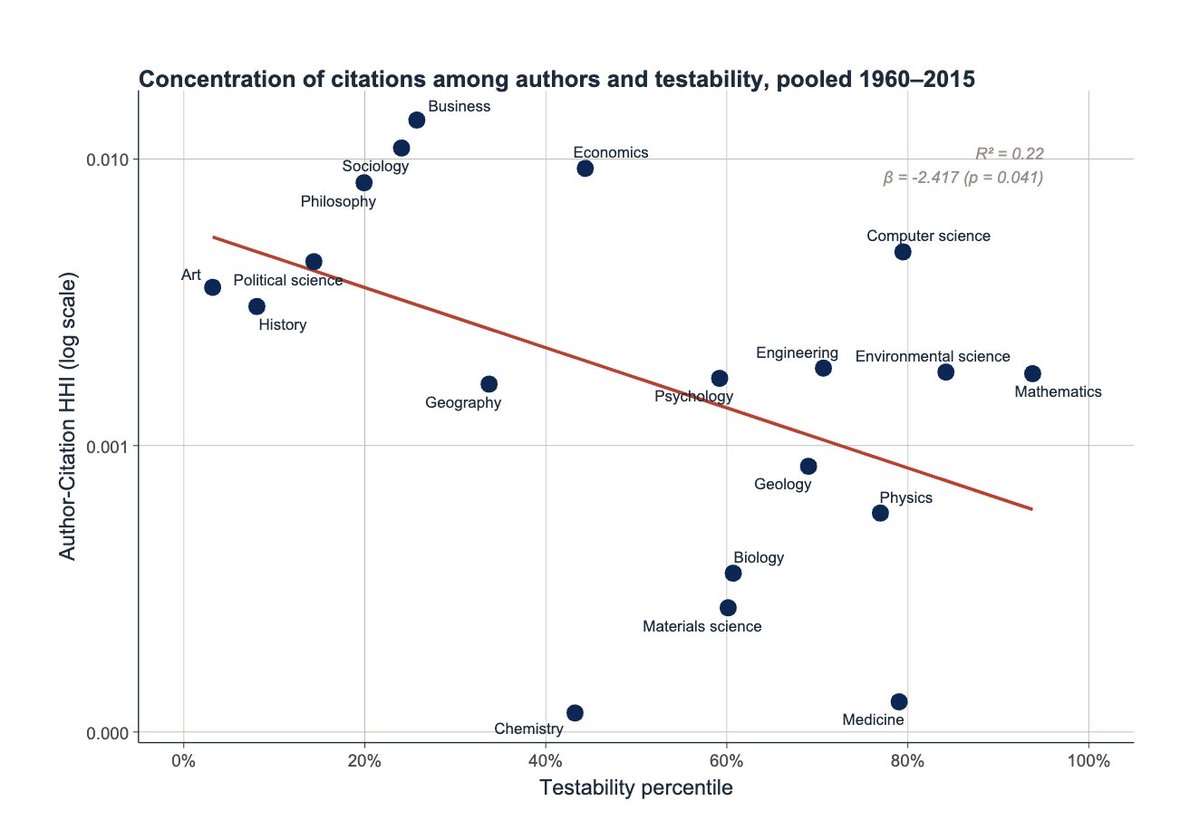
Prestige bias is a major problem in academia: success in academia leads to numerous unfair advantages (eg., professors at prestigious universities have an easier time getting their papers published).
But prestige bias is bigger in fields that are less scientific (eg., art, history, politics, and philosophy). In these fields, the claims of academics are hard to test so people rely more on prestige as a heuristic about the truth of their claims.
In contrast, fields where claims are more testable exhibit lower concentrations of prestige markers (eg., math, physics, computer science, and medicine). This makes it easier for unknown or early career researchers to break through and have success.
A new analysis finds that a 10% increase in the testability of claims in a field is associated with a 9% decrease in citation concentration. Evaluators rely less on prestige for quality assurance when the work is testable.
My field is psychology is in the middle (close to biology). In the last decade, the credibility revolution has dramatically changed the field. As people published replication attempts, several the leading figures in the field lost significant prestige when their claims did not hold up to empirical scrutiny.
This is actually the sign of a healthy scientific field: Prestige should not trump empirical evidence.
https://t.co/p4Xy4jv7PF
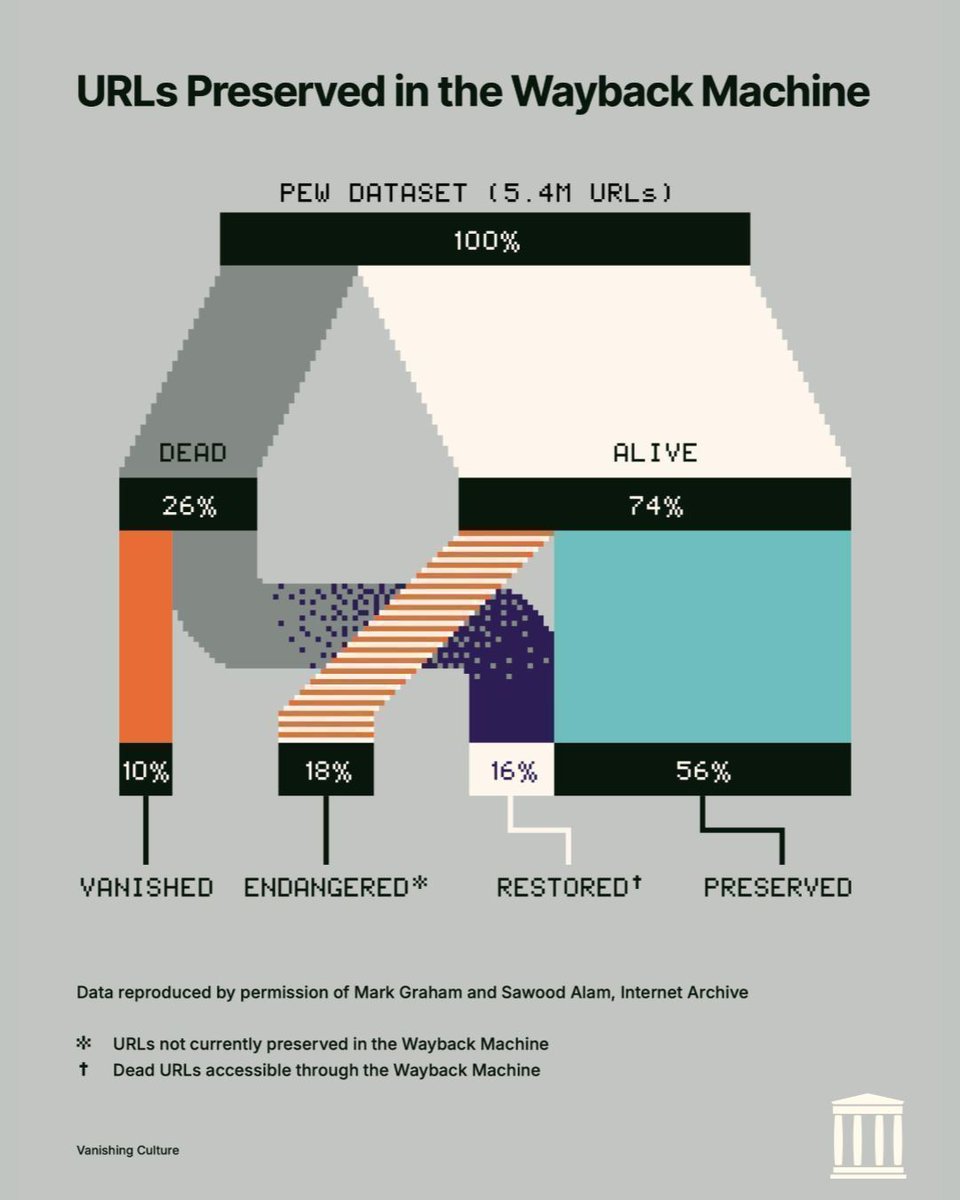
The web is disappearing 🕳️
According to a Pew Research Center report, 26% of pages from 2013-2023 are no longer accessible.
But that’s not the whole story.
In a new study published in Internet Archive's book, VANISHING CULTURE, data scientists working with the Wayback Machine have found:
16% have been restored through the Wayback Machine.
56% are preserved before they disappear.
Preservation is the remedy for cultural loss.
📚 Read VANISHING CULTURE free from the Internet Archive
📖 Download & read: https://t.co/BrawXOwMBr
🛒 Purchase in print: https://t.co/EB58IliqDm
#VanishingCulture #DigitalMemory #InternetArchive #BookTwitter
Updated AJPS AI Disclosure Policy for Authors
Last year, we introduced a set of policies concerning the use of AI at AJPS for both authors and reviewers. We have recently updated these guidelines. The current guidelines are presented in this Editor's Blog: https://t.co/9KtuJM2PTl
11/ Qualitative research will increase in relative value. If AI can synthesize literature and run regressions, the premium shifts to what it cannot do: fieldwork, interviews, archival work—generating new data from hard-to-reach contexts that did not previously exist.
🇻🇳 NEW: A law regulating artificial intelligence goes into effect in Vietnam, making it the first country in Southeast Asia with a comprehensive framework on the booming technology.
https://t.co/YmSKeaakoS
No axe to grind with Banerjee but the “child of Econ profs became a famous Econ prof” is perhaps not the motivational message the Nobel folks think it is
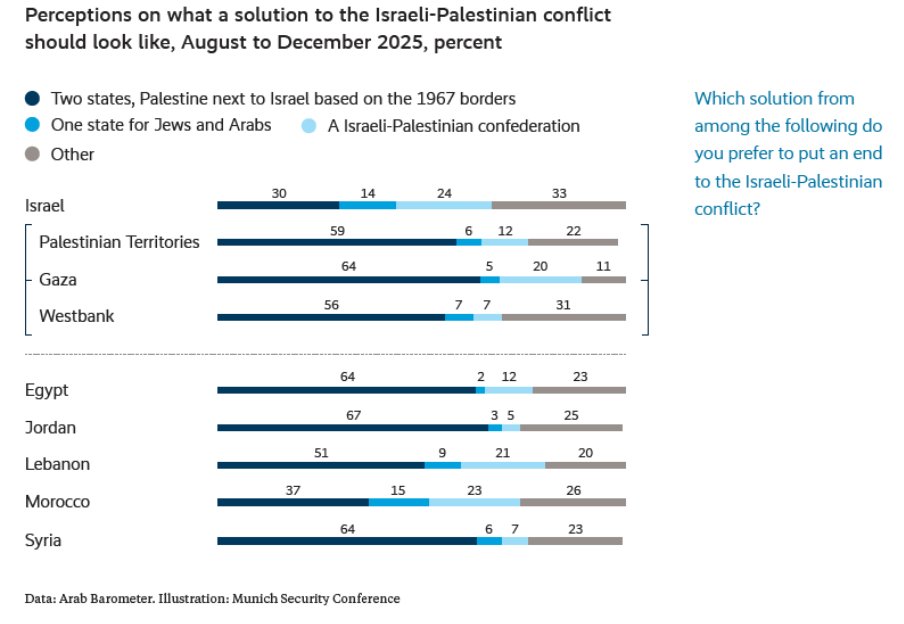
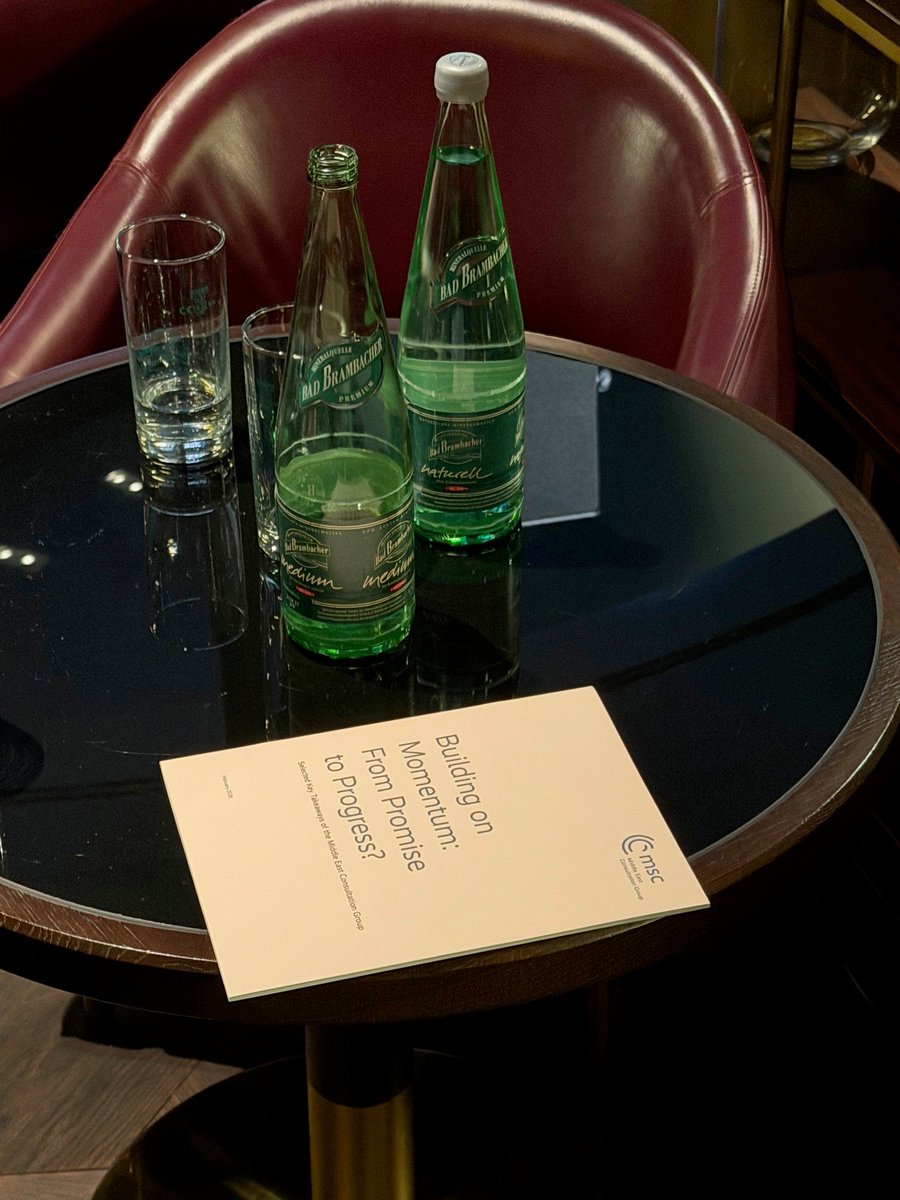
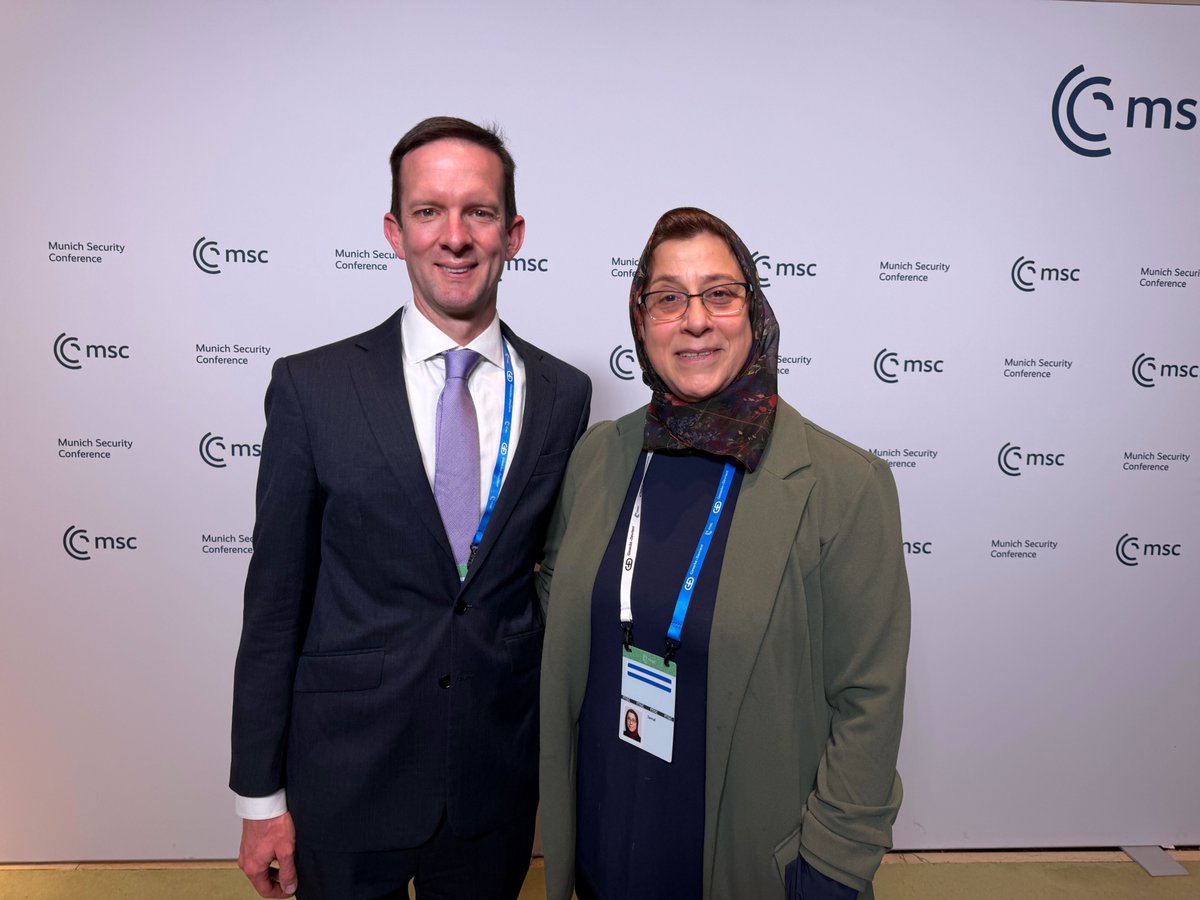
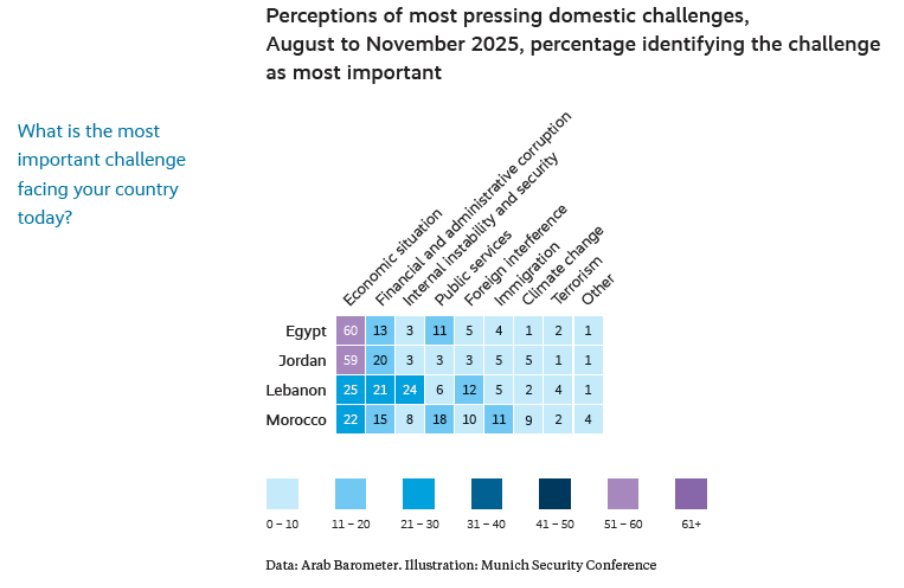
At this year’s @MunSecConf , Arab Barometer Co-Founder Dean Amaney Jamal and Director Michael Robbins are bringing Wave IX data into high-level security discussions.
📙 Read the MECG report: https://t.co/VmGqiF6tgy
@PrincetonSPIA#MSC2026
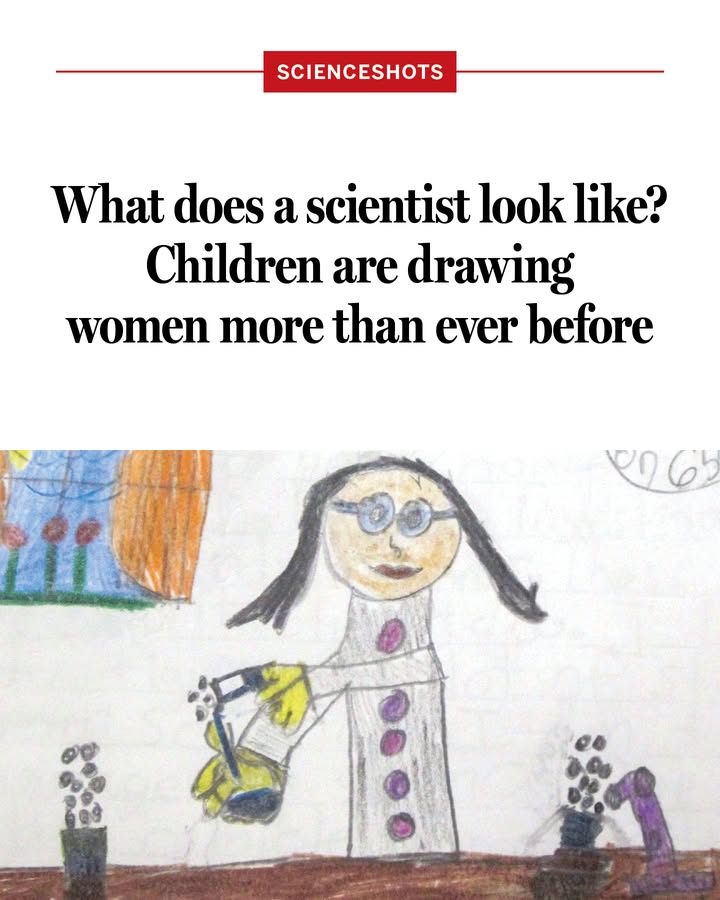
When asked to draw a scientist, school-age kids in the United States are increasingly sketching women, according to a study from 2018.
Read more on #WomenInScienceDay: https://t.co/1TZ0pwBtMJ
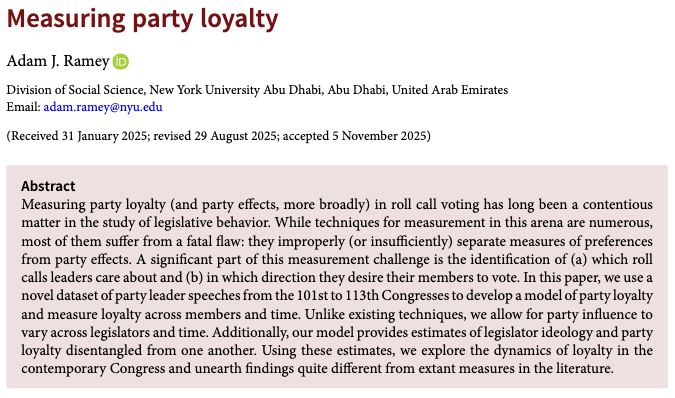
🗳️ How can we better measure party loyalty?
➡️ Using US congressional party leader speeches, @adamramey introduce a new model that disentangles legislator ideology from party loyalty and allows party influence to vary across members & over time https://t.co/liv99ppVUU #FirstView