Every moral philosophy student learns the contrast between utilitarian & deontological approaches to morality, & many more were exposed to it when the trolley problem went viral in the 2000s (throw the man in front of the train to save 5 = util; don't = deont). In this essay Rebecca Goldstein shows a deeper commonality: both embody the conviction that everyone matters. https://t.co/7IrdOmjlVM
MTF (NH) Ltd v Hevedi [2025] EWHC 1013 (Ch). A classic Boland situation. Worryingly (for me) seems to think that Wishart establishes that an equitable owner takes the risk of a mortgage by legal owner and so “consents”. This is exactly contrary to Boland. #landlaw.
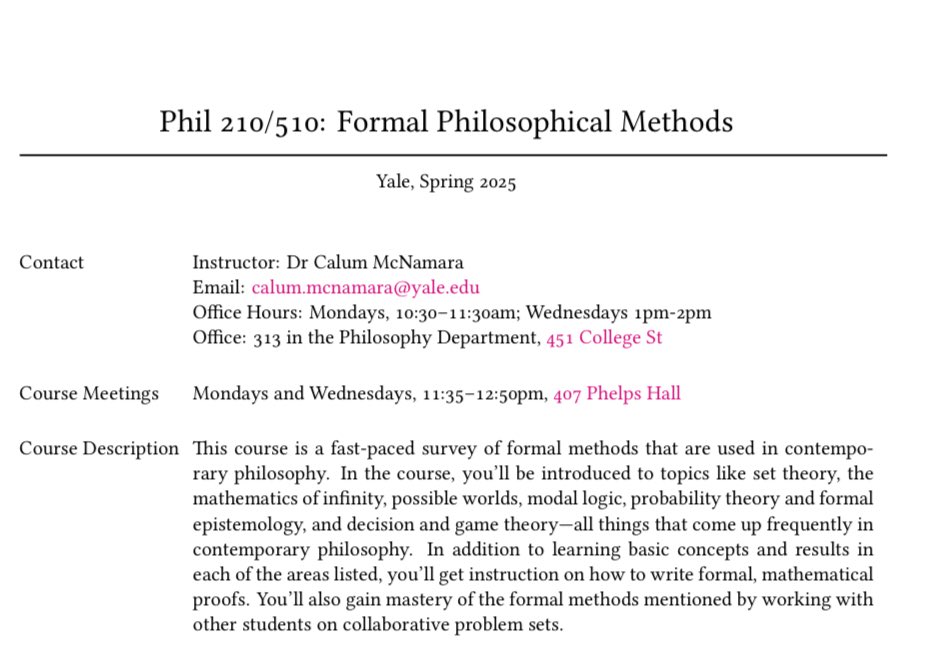
Yale Philosophy offers a course on “Formal Philosophical Methods” — a broad introduction to probability, logic, formal semantics, etc.
Instructor Calum McNamara has now made all materials for the course (78 pages) freely available
https://t.co/3ayerQBpHz
Now published: 'Cause and Consideration: Exploring the Foundations of Contract Law' edited by Bruno Rodríguez-Rosado, Rocío Caro Gándara and Antonio Legerén-Molina https://t.co/nye756UfRW
#PrivateLaw#LegalHistory#ComparativeLaw
This is one of Martha Nussbaum’s greatest pieces, a wonderful combination of philosophical acumen, classical learning, and moral wisdom. https://t.co/yvermPm2s9
Close held company dissolved through neglect... Freehold land disclaimed by TSol... Escheated to Crown... Judge considers statutory powers to revest in the two shareholders inapplicable...! https://t.co/SbxuLZE0Kw
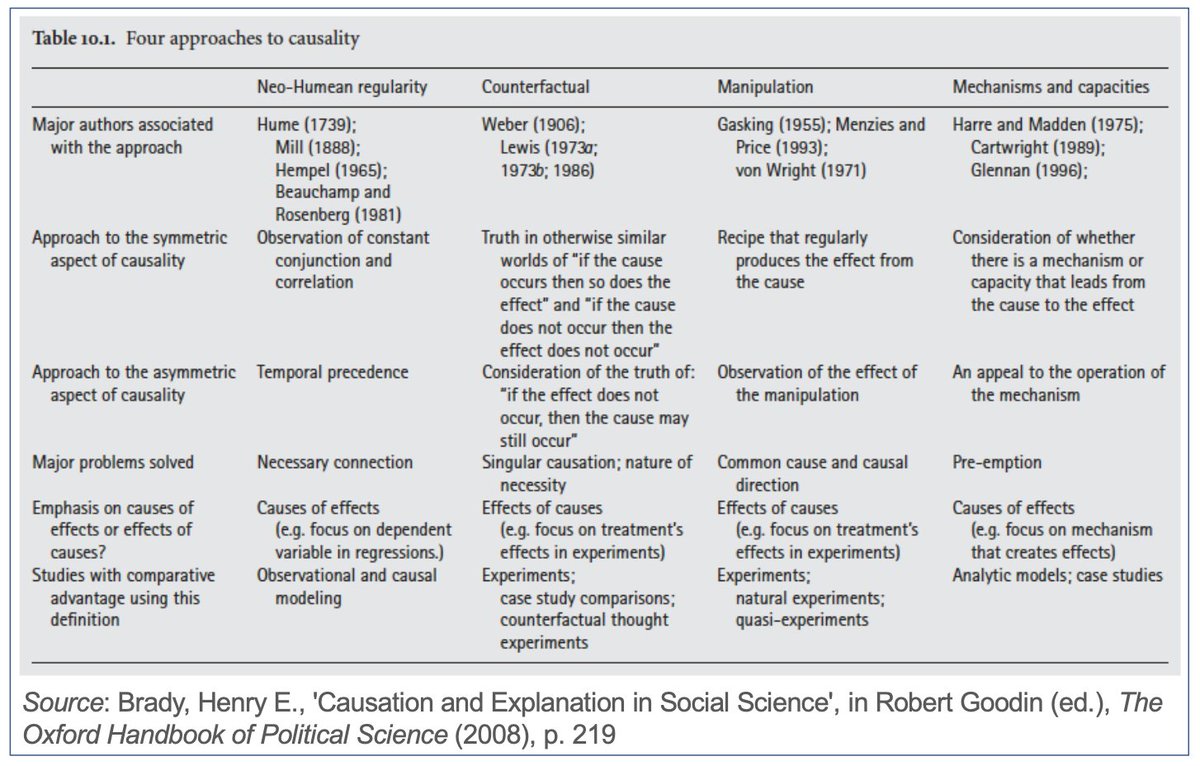
Four Approaches to Causation
In his chapter in the Oxford Handbook of Political Methodology, Henry Brady has this useful table comparing four approaches to causation: regularity, counterfactual, manipulation and mechanism.
For a preprint version of Brady https://t.co/OlYq3BDGDU
Out now: 'Politics, Policy and Private Law: Volume II: Contract, Commercial and Company Law' edited by Jodi Gardner, Amy Goymour, Janet O’Sullivan and Sarah Worthington https://t.co/wfeXqM4AqW
#ContractLaw#CommercialLaw#CompanyLaw
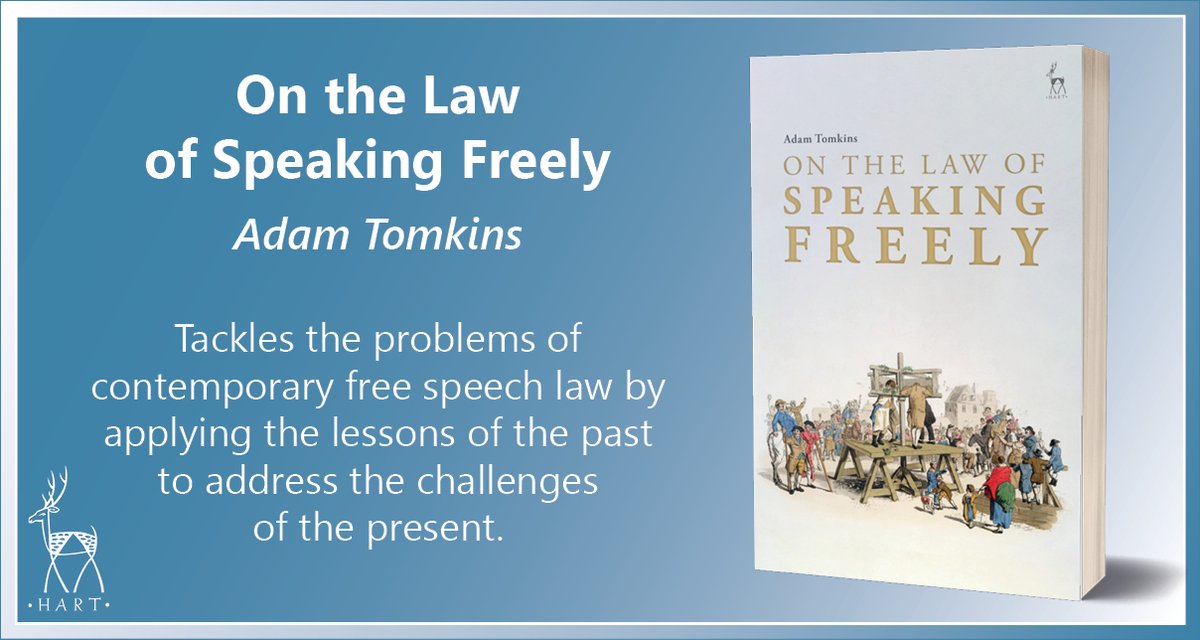
Out now: 'On the Law of Speaking Freely' by @ProfTomkins
Can the internet be made a safe space without compromising freedom of expression? https://t.co/pme5hvWp0z
#FreeSpeech#FreeExpression
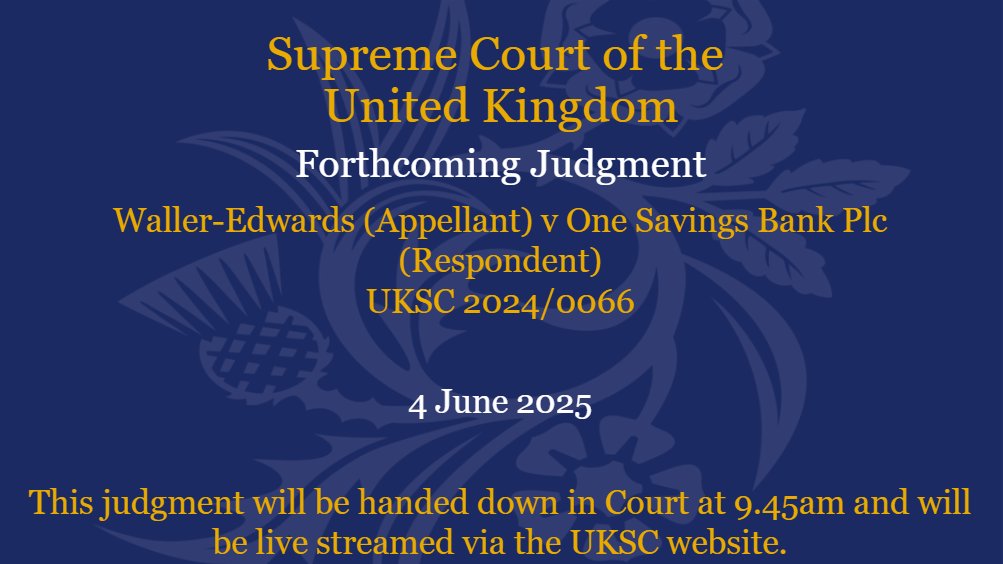
Judgment will be given on Wednesday 4 June in the matter of Waller-Edwards (Appellant) v One Savings Bank Plc (Respondent) UKSC 2024/0066: https://t.co/OmKlvuBkCE
"damages cannot be recovered for consequences of a choice freely made by the claimant. But ... the voluntariness or otherwise of the claimant's conduct is most obviously and normally relevant to issues of causation and mitigation." https://t.co/wR1kSzw773 @ [174]
"Kant on Freedom and Rational Agency" by Markus Kohl examines Kant’s doctrine of freedom, defending a dual-aspect interpretation of transcendental idealism. This chapter explores how Kant justifies belief in free will.
Read more: https://t.co/rH0822yXjv
#PhilosophyInFocus
Kirby ex-J spoke at @MelbLawSchool this month; 'What is it like being a High Court Justice?'. Video (one hour) and a brief description at
https://t.co/aRc2JI0UnW
For any private client practitioners with too little time to read the Law Commission's report on Modernising Wills Law, here is my quick explainer on how the proposed dispensing power would work: https://t.co/MG9cJKYMHP
'Trust' under AEA 1925, s 33 not a true trust: https://t.co/UOZrBH0QcH (see also https://t.co/m4obdH7dFu). It therefore does not prevent adverse possession. Comment: The dangers of ambiguous language. It means non-trust fiduciary duties. Much clearer this way.
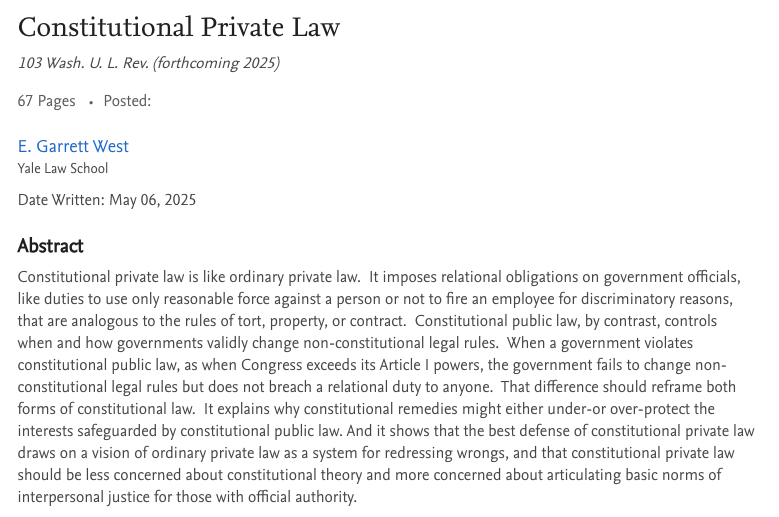
New paper—argues not all conlaw has the same structure; some is really private law. It matters because there are different justifications for private and public conlaw; the reasons for, and scope of, adjudication differ; and private conlaw could downplay conlaw. SSRN:









![LondonComBar's tweet photo. "damages cannot be recovered for consequences of a choice freely made by the claimant. But ... the voluntariness or otherwise of the claimant's conduct is most obviously and normally relevant to issues of causation and mitigation." https://t.co/wR1kSzw773 @ [174] https://t.co/5kxC0VcHl0](https://pbs.twimg.com/media/Gr8FEnPWAAAyU3S.png)