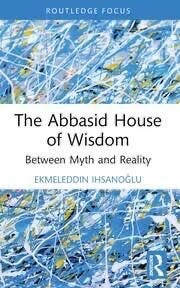
there are a lot of myths related to the famed “Bayt al Hikma” (The House of Wisdom).
Orientalists of the past and a lot of confused Muslims today think of it as a grand research centre and an academy.
This perception is part of a larger myth related to Islamic intellectual history, namely, that after the destruction of Baghdad by the Mongols in 1258 CE, Muslim science and philosophy never recovered.
Bila aku baca apa pak2 Arab ni sembang, tetiba rasa bersyukur Malaysia ni lenient sikit bab ni.
Aku tak rasa diorang akan hargai karya kita macam Upin Ipin (sebab Kak Ros bukak tudung kat rumah), Boboiboy (sihirrrrrr) & Ejen Ali (pompuan berlawan especially Iman).
"The revolutionary always remains an apostle and a soldier,
but he is, above all, a scholar who goes out into the highways and byways"
- Henri Barbusse
“Roughly, you could say science is what we know and philosophy is what we don’t know. For that reason, questions are perpetually passing over from philosophy into science as knowledge advances.”
—Bertrand Russell
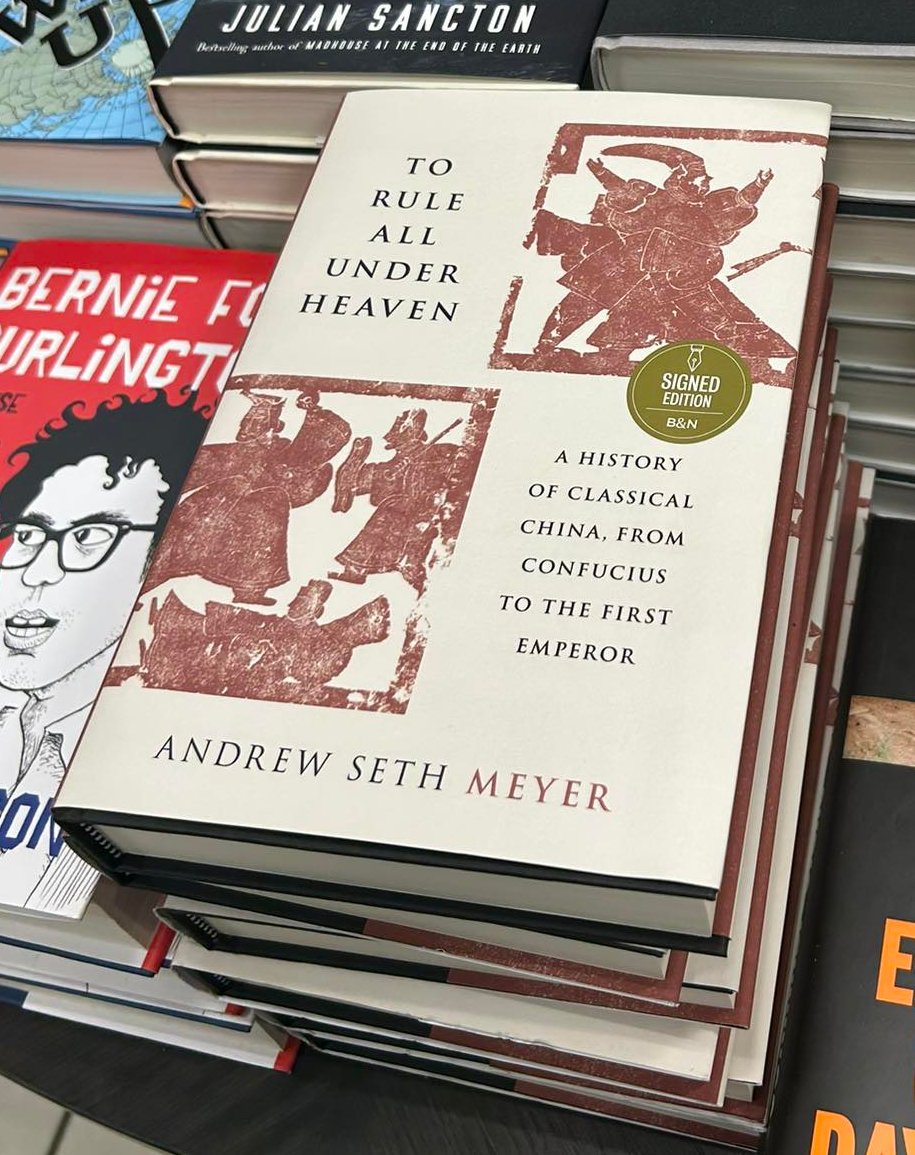
A reader at a recent event asked why I didn't simply title my book "The Hundred Schools of Thought 百家." Surveys of the "Hundred Schools" are indeed very conventional, but I wanted to convey the ways in which figures such as Confucius, Mo Di, and even Zhuangzi were dynamically shaped by and responding to the material reality of their time. If one pays attention to the concrete social and political context in which they operated, it is no longer possible to dismiss classical Chinese thinkers as mystics or quaint traditionalists. Rather, one sees them for what they were- intellectuals desperately fighting to reinvent a world that was falling apart.
Where to read about ancient dream interpretation.
Their way of understanding dreams was vastly different from our modern conception of some unconsciousness which rose to the surface during sleep.