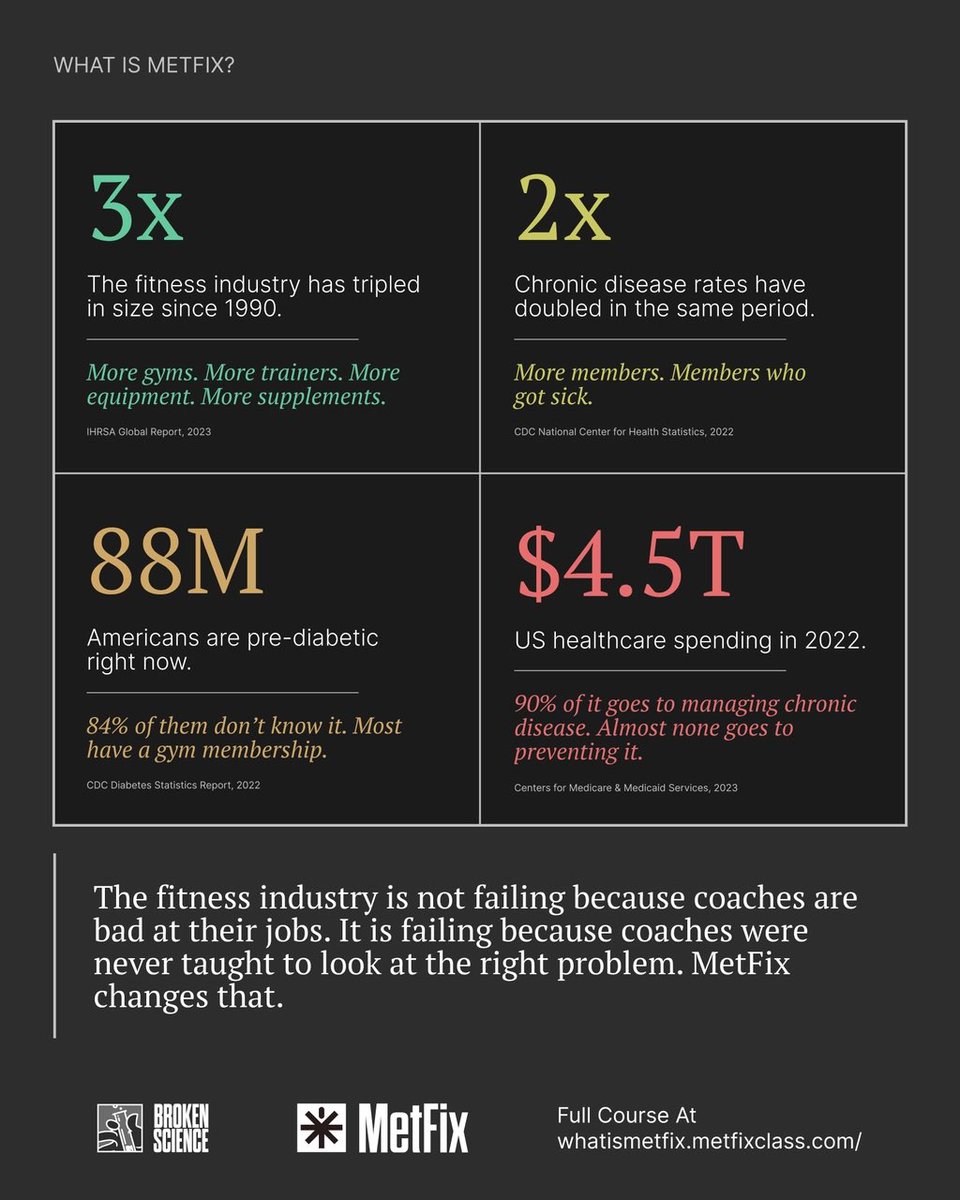
If you're looking for advanced education in fitness and health this is your start. Our new FREE online course is available in multiple languages. Access the course here:
https://t.co/2gud6P0bXN
In this two-part series from The Arrow, Dr. Michael Eades recounts his diagnosis with muscle-invasive bladder cancer in late 2024.
What began as mild urinary symptoms quickly escalated into a diagnosis of extensive bladder cancer that had obstructed urine flow from his kidneys. Multiple specialists recommended the standard treatment of chemotherapy followed by bladder removal, a life-altering surgery that would permanently change how he lived.
Despite the seriousness of the diagnosis, scans showed the cancer remained confined to the bladder, giving him time to carefully consider his options.
Rather than immediately accepting the standard of care, Eades immersed himself in the scientific literature. Influenced by the work of Thomas Seyfried and the metabolic theory of cancer, he became convinced that cancer should be viewed primarily as a disorder of cellular energy metabolism rather than a purely genetic disease.
A combination of chance events—including a snowstorm that delayed surgical scheduling—gave him additional time to investigate alternative approaches. During that search, he found case reports describing patients with similar cancers who had achieved remission without following the conventional treatment pathway.
After consulting with multiple physicians, Eades chose to pursue a metabolic approach under medical supervision rather than undergo chemotherapy and immediate cystectomy. He emphasizes that this was a personal decision based on his own interpretation of the evidence and not a recommendation for others.
By the time he wrote these posts, he had been declared NED (no evidence of disease), regained much of the weight he lost during treatment, and returned to normal life. While withholding many of the details of his protocol, Eades presents his experience as a real-world test of the metabolic theory of cancer and a reminder that patients facing serious illness often find themselves weighing competing interpretations of the evidence rather than simply choosing between right and wrong answers.
https://t.co/hyOVey5Uaf
TODAY'S FIX - BRAIN
In this excerpt from Brain Energy, Christopher M. Palmer @ChrisPalmerMD argues that diet affects far more than body weight and cardiovascular health—it also has profound effects on the brain. He suggests that mental health and metabolic health are deeply interconnected through shared neural circuits, hormones, and mitochondrial function. According to Palmer, changes in metabolism can influence mood, cognition, anxiety, addiction, and other mental health conditions, while mental states can also affect metabolism and eating behaviors.
Palmer outlines seven ways dietary interventions may improve mental health, including correcting nutrient deficiencies, removing harmful foods, improving the gut microbiome, supporting mitochondrial function, and addressing unhealthy body composition. He places particular emphasis on metabolic health and mitochondrial performance, arguing that these factors influence inflammation, insulin resistance, energy production, and many other processes linked to brain function.
https://t.co/ZvsBnVHYQ0
Amazing things happening inside our affiliates.
“Bill is a former Type 2 diabetic who was referred to us by his vascular surgeon. The same surgeon who cut off his right leg below the knee due to complications from diabetes. We’re happy your report Bill now has completely normal HbA1c (aka no longer diabetic), he’s down 25lbs and for the first time in years he's able to do things like home repairs and weedwhacking his yard.
He told me all this morning with tears in his eyes. It was truly a beautiful thing. “
Way to go, Bill and team!
🚨🚨🚨 Breaking study in #anorexia research
A supervised #keto diet helped 72% of women (13 of 18) drop below clinical thresholds for both anorexia AND depression in just 14 weeks — while keeping BMI stable and dropping anxiety & food compulsions. https://t.co/v5crQ0XIiw
Do you know someone who is incredibly fit, yet still developed cancer? What about a dedicated marathon runner who suffered a heart attack in their fifties? Or an endurance athlete who developed Type 2 diabetes after years of logging miles?
We all know someone who fits this description. We also know the member at the gym who has shown up consistently for a decade. They sweat through every workout and track every metric. Their body composition hasn't changed. They are still exhausted.
Take the Full “What Is MetFix?” Course at https://t.co/F3sr53wVDw