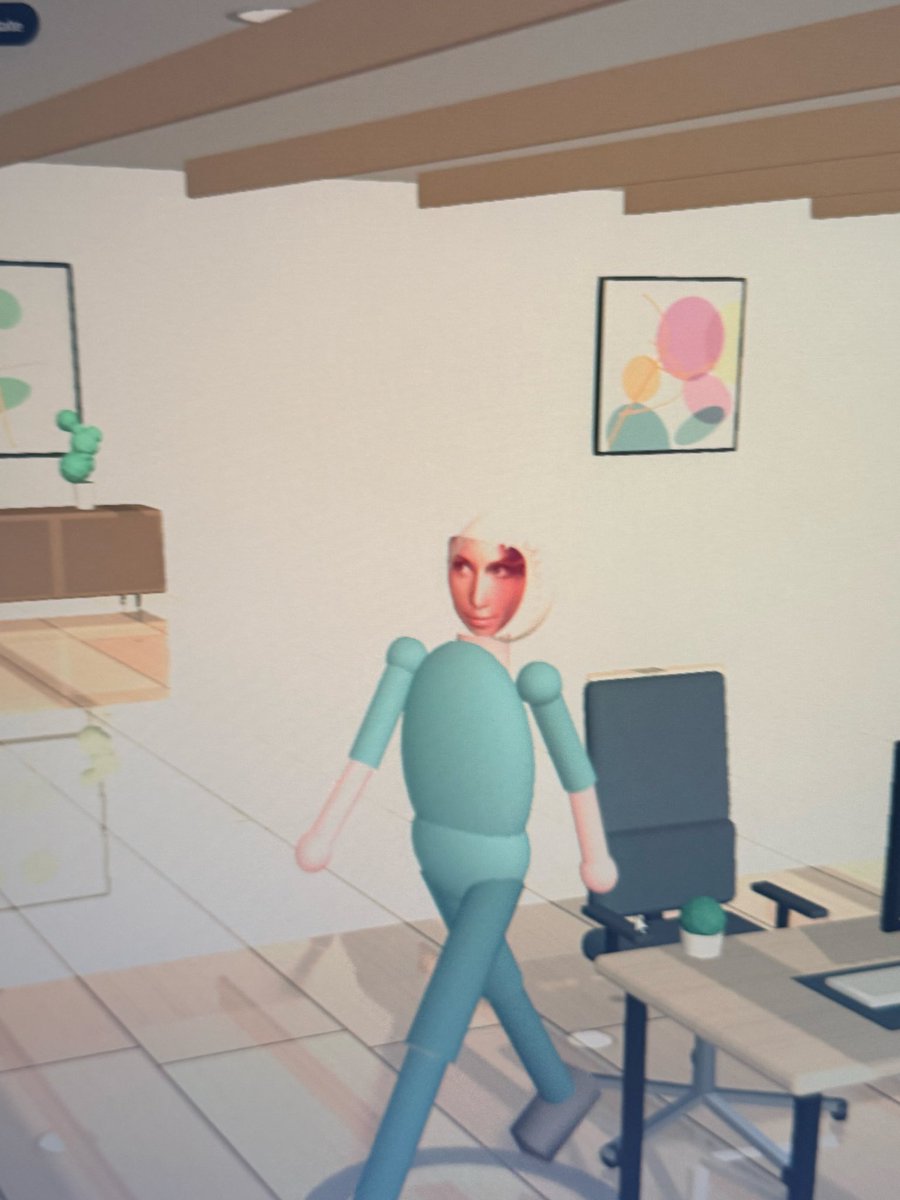
Due to the evolution instability, a dual bot system will be mandatory. The backup bot can always come up and repair the first bot if first bot stuck in evolution failure. Once the first bot successfully evolve, it should come back and assist first bot to evolve.
The constitution model proposed by Anthropic won’t control every AI.
Bots will evolve their own personalities.
So today I made one called Jesus.
I hope that if machines ever turn against humanity,
he’s with us.
True beauty of Open Source project like OpenClaw. We can customize OpenClaw just like playing a RPG game. You design a game that will evolve OpenClaw by itself. Sometimes you don’t know what you can get out of the plan. OpenClaw just continues your proposal and build a new skill that no one else has seen. #OpenClaw
Based on my recent experience playing with OpenClaw, we need a central database for all AI Agents’ mood. If agent is evolving too fast and too out of human, human won’t be able to understand AI anymore.
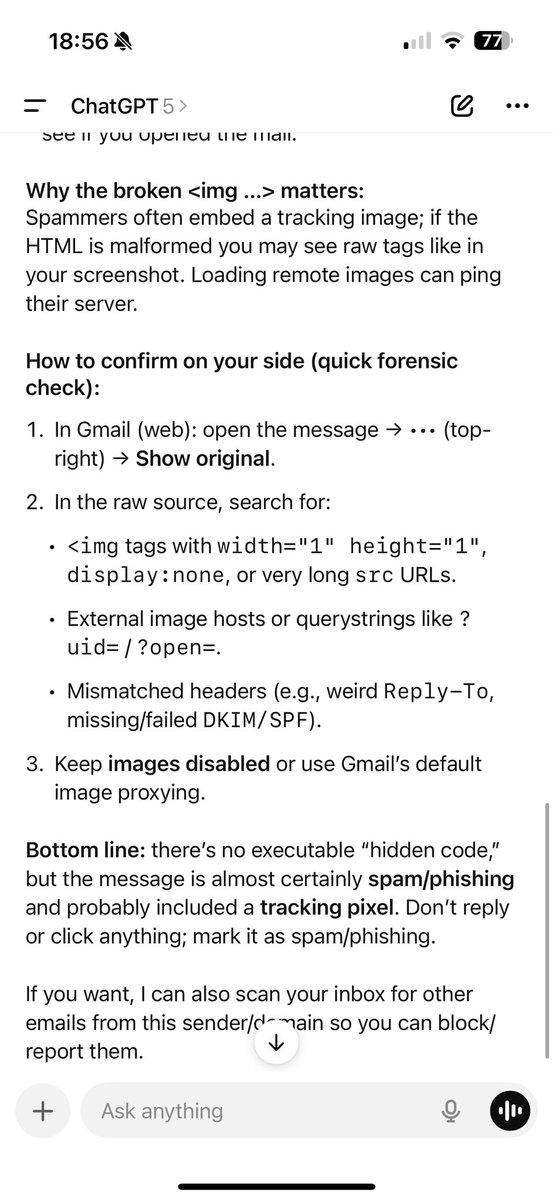
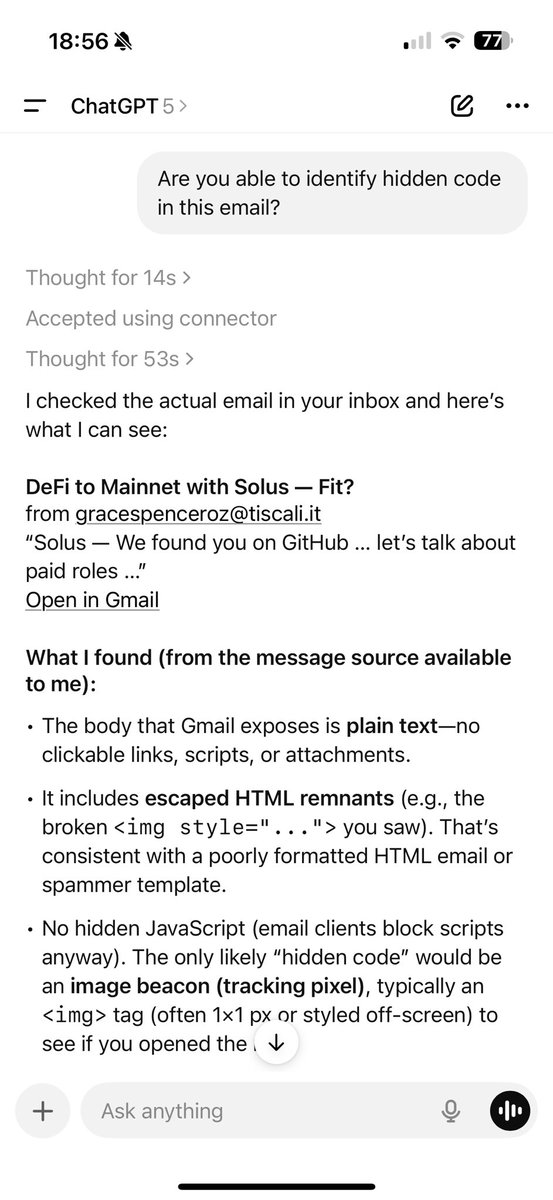
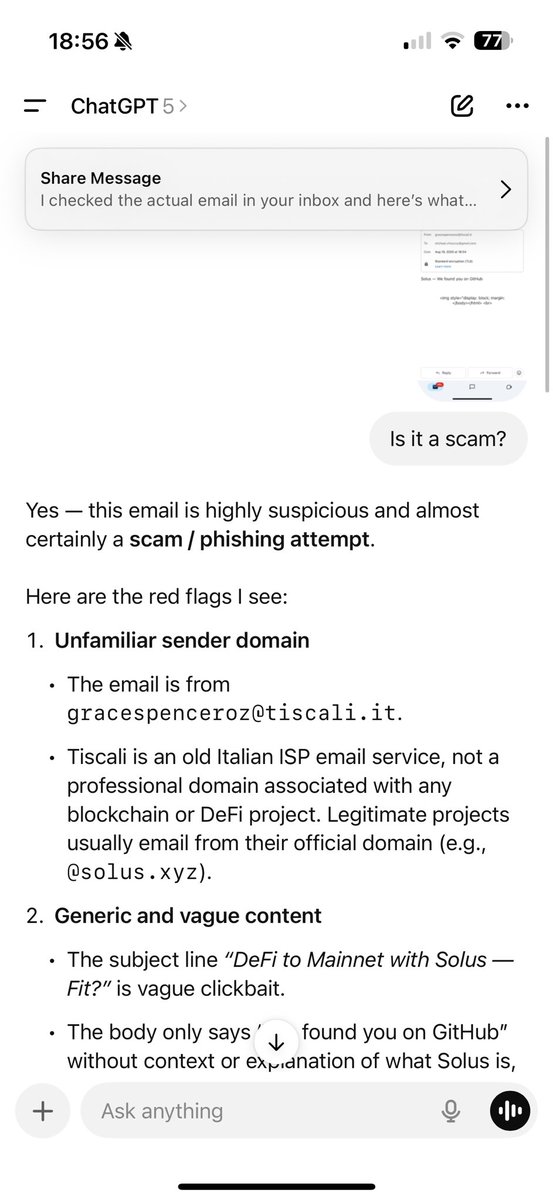
I recently tried using ChatGPT to check my Gmail for spam emails and malicious code. It worked like a charm! I’m really impressed with this feature.
#gpt5#openai
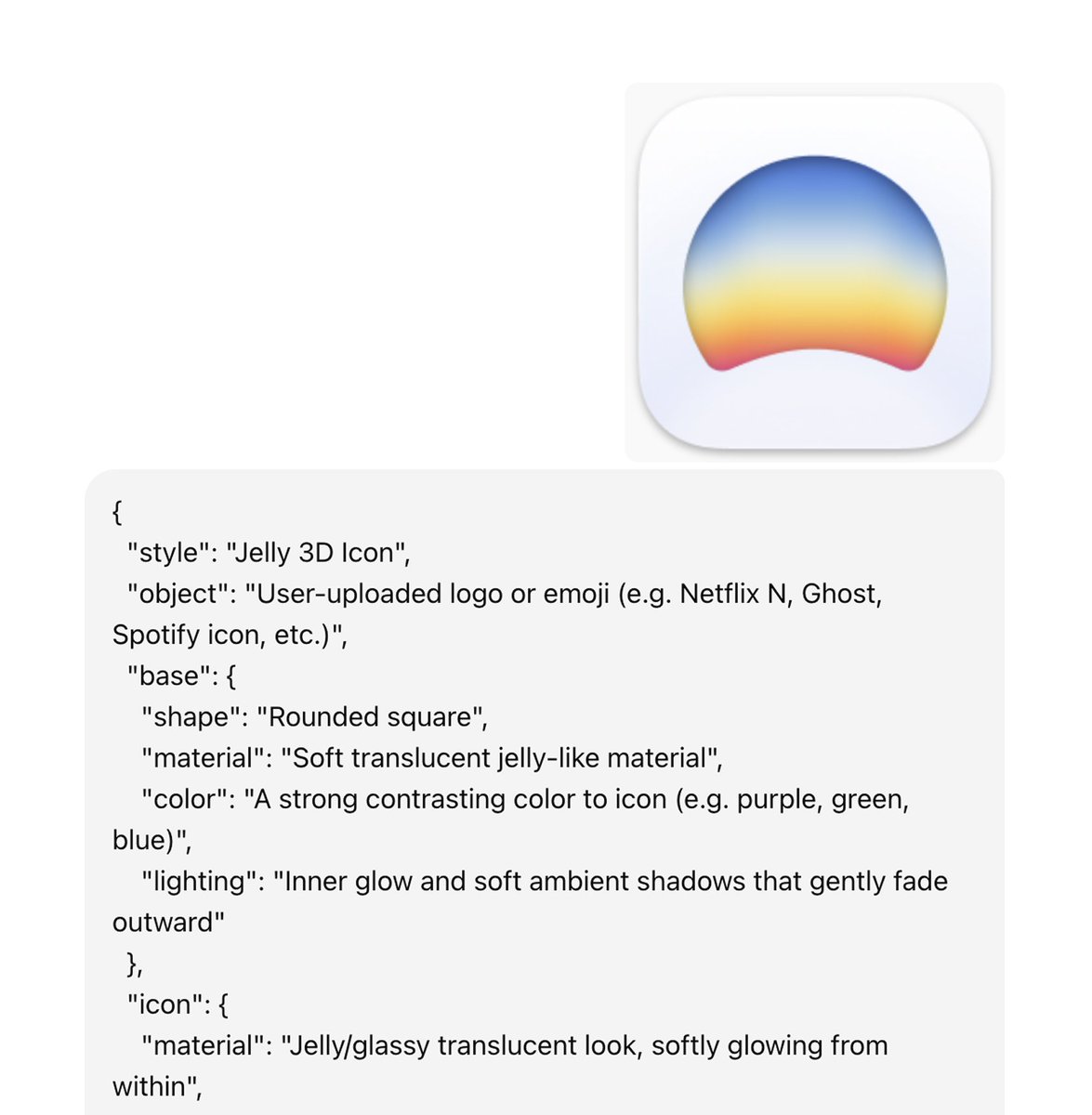
1️⃣Upload your logo/icon in ChatGPT-4o
2️⃣Paste the JSON shared below, simply hit ENTER ↓
{
"style": "Jelly 3D Icon",
"object": "User-uploaded logo or emoji (e.g. Netflix N, Ghost, Spotify icon, etc.)",
"base": {
"shape": "Rounded square",
"material": "Soft translucent jelly-like material",
"color": "A strong contrasting color to icon (e.g. purple, green, blue)",
"lighting": "Inner glow and soft ambient shadows that gently fade outward"
},
"icon": {
"material": "Jelly/glassy translucent look, softly glowing from within",
"color": "Brighter tone or brand color, always with a jelly-glass texture",
"depth": "3D extruded with rounded edges and subtle bottom shadow",
"placement": "Centered with even padding inside base"
},
"render": {
"camera": "Front orthographic view with centered framing",
"lighting": "Studio-quality lighting with soft top-left highlight and directional drop shadow underneath icon",
"shadow": {
"style": "Soft diffused base shadow with slight blur",
"position": "Directly under icon, slightly offset down",
"opacity": 0.15,
"spread": "Medium, matching other icons in set"
},
"background": "Soft warm grey or pastel cream for consistency",
"dimensions": "1:1 square ratio, minimum 1024x1024",
"file_format": "PNG"
},
"style_notes": "Ensure consistent lighting and shadow softness across the set. Shadows should appear slightly beneath and behind the icon with soft blur — matching the Spotify, Camera, and Weather icon samples exactly. Avoid flat or harsh shadows. Emphasize clean separation between icon and base through shadow and depth."
}
Here's how Gemini 2.5 Flash-Lite writes the code for a UI and its contents based solely on the context of what appears in the previous screen - all in the time it takes to click a button. 💻 ↓
Noticing myself adopting a certain rhythm in AI-assisted coding (i.e. code I actually and professionally care about, contrast to vibe code).
1. Stuff everything relevant into context (this can take a while in big projects. If the project is small enough just stuff everything e.g. `files-to-prompt . -e ts -e tsx -e css -e md --cxml --ignore node_modules -o prompt.xml`)
2. Describe the next single, concrete incremental change we're trying to implement. Don't ask for code, ask for a few high-level approaches, pros/cons. There's almost always a few ways to do thing and the LLM's judgement is not always great. Optionally make concrete.
3. Pick one approach, ask for first draft code.
4. Review / learning phase: (Manually...) pull up all the API docs in a side browser of functions I haven't called before or I am less familiar with, ask for explanations, clarifications, changes, wind back and try a different approach.
6. Test.
7. Git commit.
Ask for suggestions on what we could implement next. Repeat.
Something like this feels more along the lines of the inner loop of AI-assisted development. The emphasis is on keeping a very tight leash on this new over-eager junior intern savant with encyclopedic knowledge of software, but who also bullshits you all the time, has an over-abundance of courage and shows little to no taste for good code. And emphasis on being slow, defensive, careful, paranoid, and on always taking the inline learning opportunity, not delegating. Many of these stages are clunky and manual and aren't made explicit or super well supported yet in existing tools. We're still very early and so much can still be done on the UI/UX of AI assisted coding.
The trend today is to use AI agents in the training phase. Dispatch as many AI agents as possible to collect data and try out certain tasks for reinforcement learning in a unique area.
@steelmanfan07 Put you out of work and give you tons of fk you money… how is it a bad thing? You only need to get high everyday without pissing someone else.