#newpaper | Molecular basis for the diversification of lincosamide biosynthesis by pyridoxal phosphate-dependent enzymes
University of Tokyo @UTokyo_News_en & Institute of Microbiology of the CAS collab
Study ➡️ https://t.co/7dkGjDG3gu #nextgeneration#antibiotics
💊Triky přírody: vědci odhalují, jak vznikají nová antibiotika
🧪 Ztráta účinnosti antibiotik v důsledku rostoucí odolnosti patogenních bakterií představuje stále větší výzvu pro moderní medicínu a vědu. Výzkumníkům z Mikrobiologického ústavu AV ČR ve spolupráci s vědci z Tokijské univerzity se podařilo dešifrovat klíčový molekulární mechanismus, kterým příroda – konkrétně půdní mikroorganismy – vytváří antibiotika ze skupiny linkosamidů.
Více ⬇️
https://t.co/Ete2wsZJ1u
News on ribosome hibernation 🦠Ribosome-inactivation by a class of widely distributed C-tail anchored membrane proteins: Structure https://t.co/simo3WLSmT
It's a great pleasure to share our latest collaborative work detailing the composition and structure of the highly rRNA-fragmented mitoribosome from Apicomplexa, such as Plasmodium falciparum and Toxoplasma gondii, now out in @NatureComms
https://t.co/Ly7JeipU8W
Finally! Principles for ions binding to RNA, derived from a high resolution structure of the bacterial ribosome, very handy for accurate assignment of ions (and by extension, of water molecules) in ribosome/RNA structures 🤓
https://t.co/j6V4TfKXOW
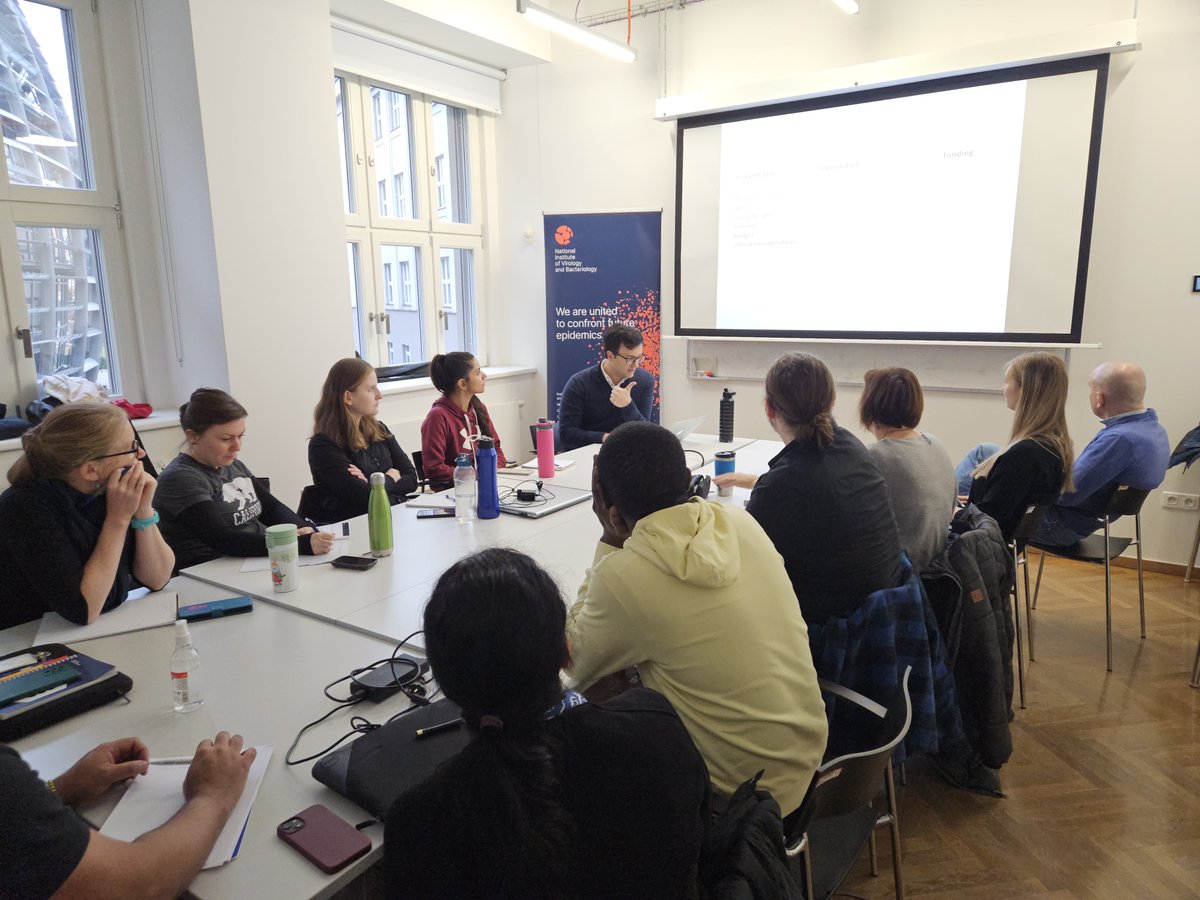
V sobotu 30. listopadu 2024 se na ÚOCHB uskutečnil Grant Writing Workshop pod vedením Dr. Carlose V. Mela z Univerzity Karlovy.
Účastníci se věnovali psaní abstraktů, stanovování výzkumných cílů a tvorbě narativního CV.
How to regulate translation of proline containg proteins by the metabolic state of the cell? Finally out in Nat. Commun. Great collaboration with @lab_nmr@pavelkielkowski@qifei9 and Dimitrij Frishmans group: https://t.co/I78d52AZWp
We are excited to share our latest work on the cooperation between RNA polymerase and the ribosome in bacteria: https://t.co/Ni4nJGJAug
The work was supported by @IGBMC, @Inserm, @CNRS, @unistra, @ERC_research, @IMC_Bio, and @instructhub. 1/7
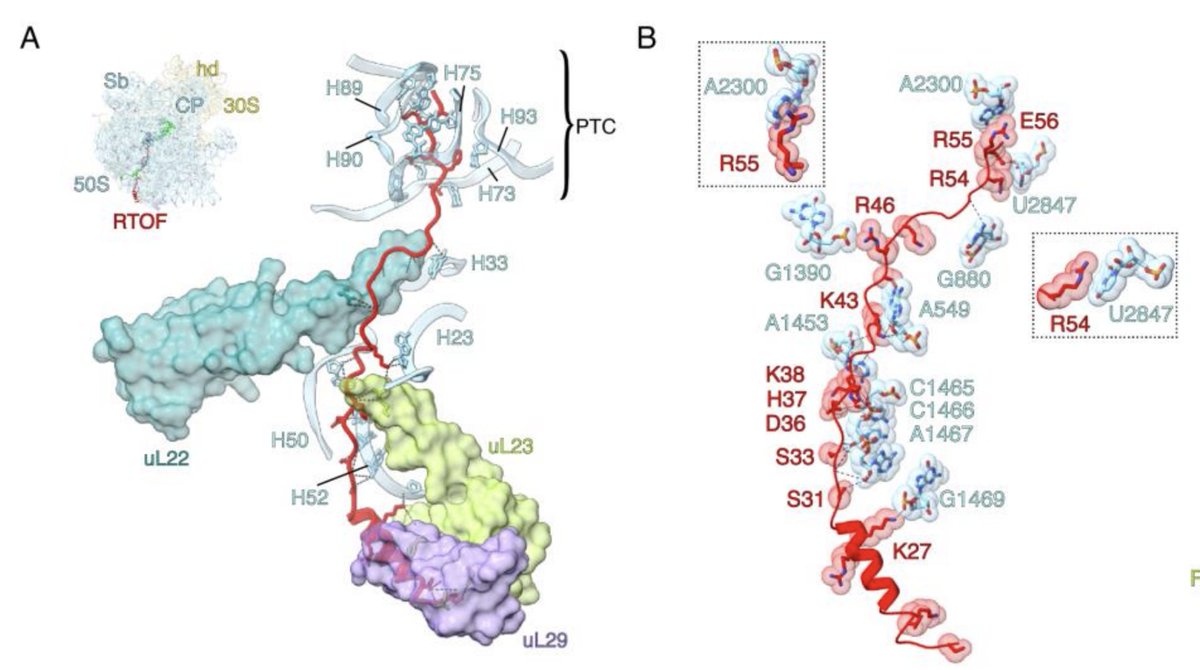
Actinobacteria appear to possess a species-specific ribosome hibernation factor, found in Mycobacteria, that binds to the nascent tunnel of dormant ribosomes. More in this exciting study by Ojha and Agrawal lab: https://t.co/uM6AMtB4mR
Nice short/introductory review in all things ribosomes by pioneer Harry Noller in the special 50 years issue of Cell.
The ribosome comes to life: Cell https://t.co/iwPh7gyO0h
A manuscript describing https://t.co/0oPzGld1bi is out in 2025 NAR db issue: https://t.co/QEtnylcV7w
It introduced RiboSeq Data Portal: https://t.co/HMGBFrzKAr
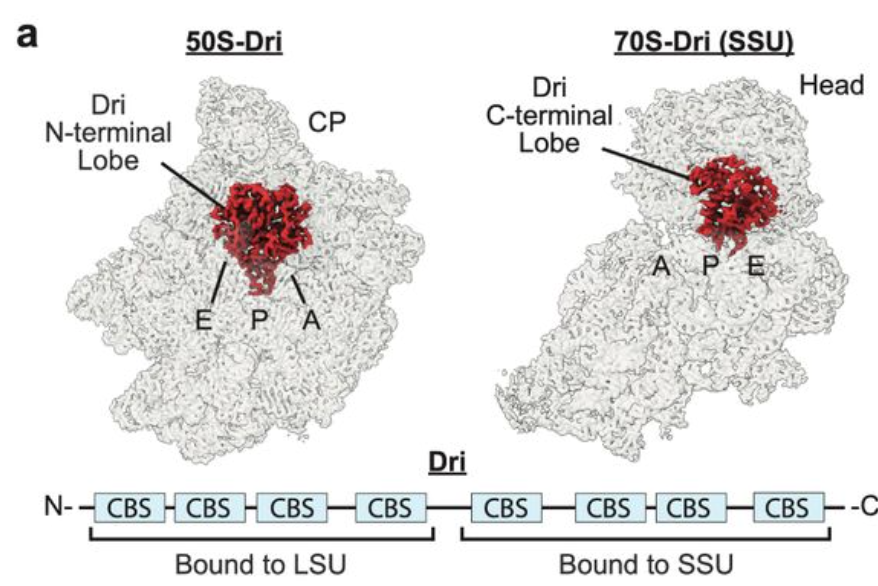
This new preprint from the Cate lab provides insights into the fate of ribosomes in stationary archaea. Using an organism adapted to 95°C, they identify a protein called Dri, which appears to act as an archaea-specific ribosome hibernation factor: https://t.co/geGFd7inEm
Paenilamicins bind to a unique site on the ribosome to inhibit protein synthesis | Nature Chemical Biology…https://t.co/9gLCapflO8 https://t.co/1YcAR98yQ9
Collaborative work of @slavicaPD, @Hashemyaser4, Jovanovic Lab and @DjuranovicLab - a new method to isolate ribosomes and translational material in minutes. We show multiple usage of our RAPPL method in biochemical and structural assays with ribosomes. Please be free to contact us for further instructions if needed. @IsraelF96135088 you'll like this one.
A rapid, facile, and economical method for the isolation of ribosomes and translational machinery for structural and functional studies https://t.co/qqJA6y2ysU