If you're a senior researcher (i.e., associate professor or more senior), and you'd consider moving to the University of Toronto to take up a Canada Impact+ Research Chair (1 million/year in funding), email me. Discretion guaranteed.
++Please share to help me spread the word!++
New Biochem Soc Trans review:
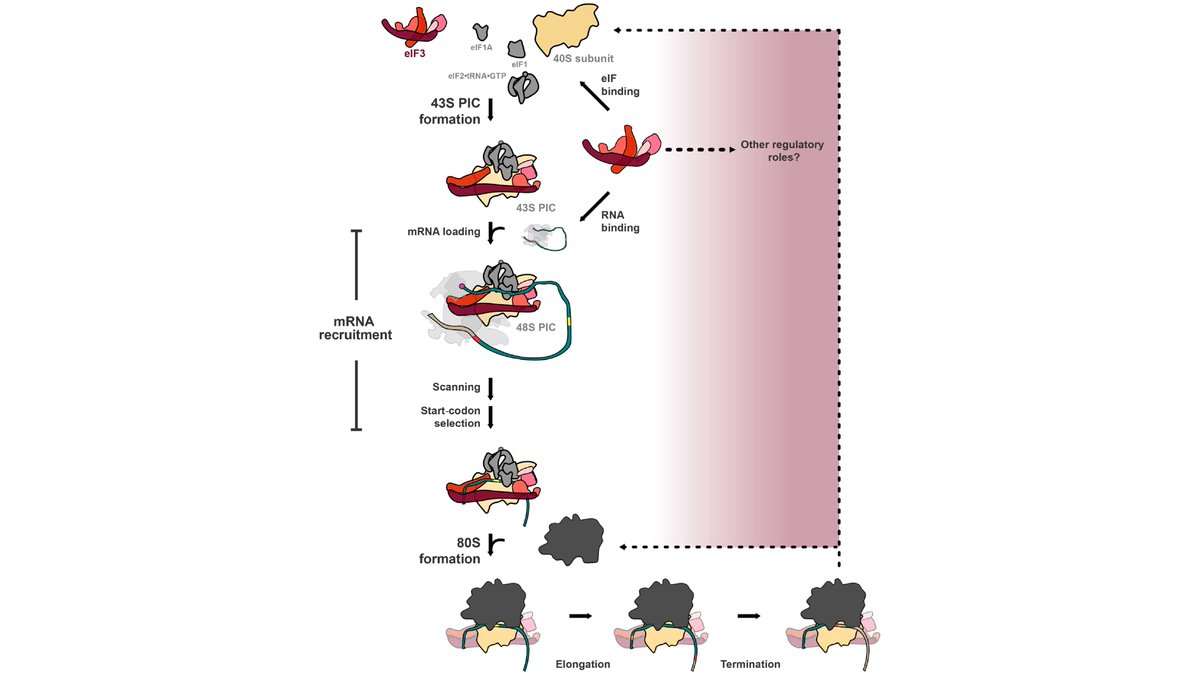
eIF3 as a modular, central regulator of translation.
Authored by @ide_nicholas and Colin Echeverría Aitken, this review integrates genetic, biochemical, and structural perspectives and highlights open mechanistic questions.
https://t.co/w3IMOJmjcM
Slightly overdue article highlight!
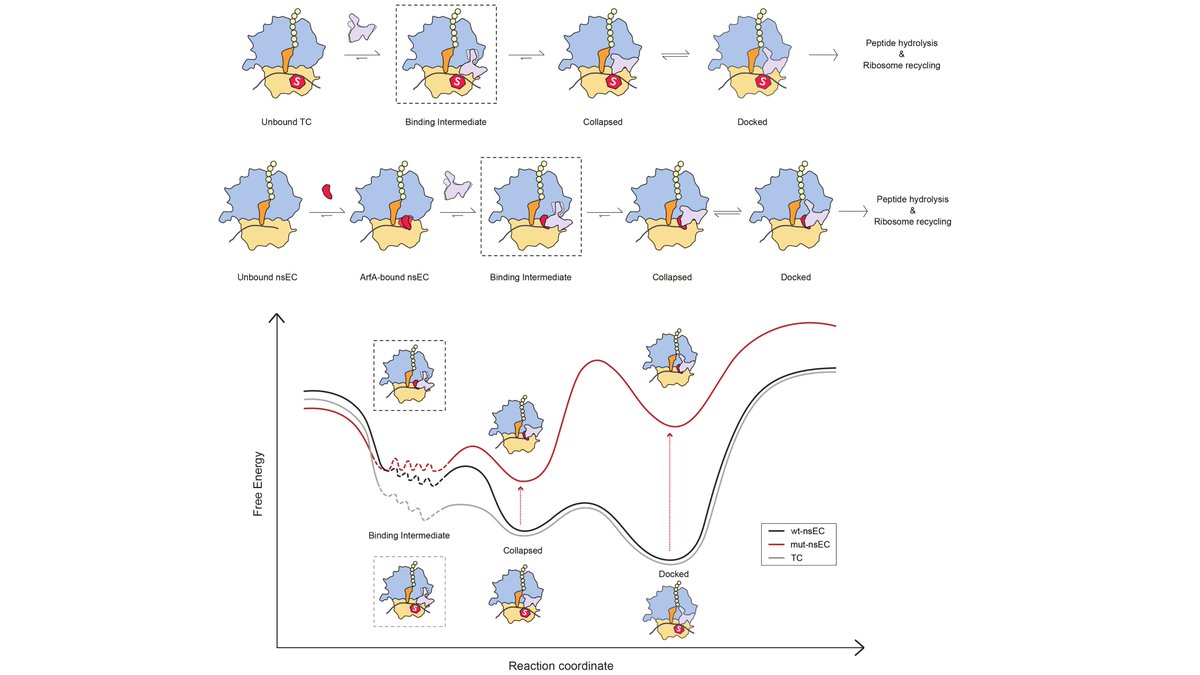
In PNAS, we use smFRET to reveal how polypeptide release factor 2 (RF2) undergoes a cascade of structural changes to catalyze polypeptide release during translation termination and ArfA-mediated ribosome rescue.
🧵⬇️
https://t.co/ABPeLVa8mO
@EUjamrai's “Sketching Antimicrobial Resistance” campaign is an important reminder of the power of antibiotics. Global, multi-faceted action is needed to address AMR. @CARB_X is committed to accelerating innovative projects that target the most serious, resistant bacteria.
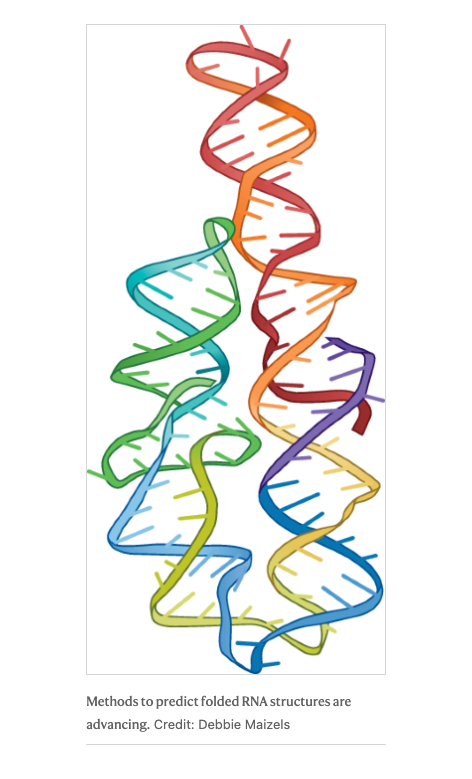
AlphaFold predictions are valuable hypotheses and accelerate but do not replace experimental structure determination | Nature Methods https://t.co/CBsyhmy3VH
GTPBP1 is a GTPase implicated in neurodevelopment. Our cryo-EM maps show GTPBP1 delivering tRNA to ribosome. GTPBP1 promotes more stringent mRNA decoding than the bona fide delivery factor eEF1A.
Congrats to Denis Susorov and collab with Pestova lab! https://t.co/XaiYul04Zg
Great collaboration with @CarpeRibosomam and @slavicaPD labs on using MPRAs to look into non-coding mutations.
Approaches for identification of 5′ UTR mutations impacting translation and protein production from neurodevelopmental disorder genes: Cell Reports Methods https://t.co/EdJG0hHMf1
https://t.co/wmTnd9uv8x
Huge congrats to our collaborative team for their success achieving "Parallel stopped-flow interrogation of diverse biological systems at the single-molecule scale"
https://t.co/HjR3rgA6S0
An advance in experimental throughput and sensitivity that revealed unexpected results!
I'm working on this little ribosome game. You have to build a peptide as fast as you can. Prokaryotes can incorporate 20 amino acids per second. Currently, only the tRNAs work; the amino acids are next.
Many congratulations to @DrMartyTaylor and all the co-first authors for providing a structural understanding of how mTORC2 recognizes and phosphorylates the Akt/PKB kinase, its most famous substrate. Massive amounts of work and creativity were required to make this possible.
Japanese researchers found a new type of archaea with the smallest known genome: 238k bases.
They live inside ocean-dwelling dinoflagellates as symbiotes. Their genome "encodes the barest minimum of proteins for its own replication." All other molecules are taken from the host.