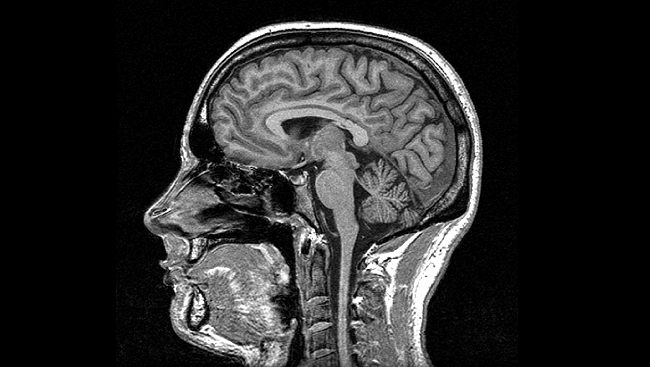
A new study found eating 2 kiwis a day increased skin density by 48% and epidermal cell regeneration by 30% in just 8 weeks.
Vitamin C levels significantly increased in the blood, skin fluid, and epidermal tissue—improving overall skin structure from the inside out.
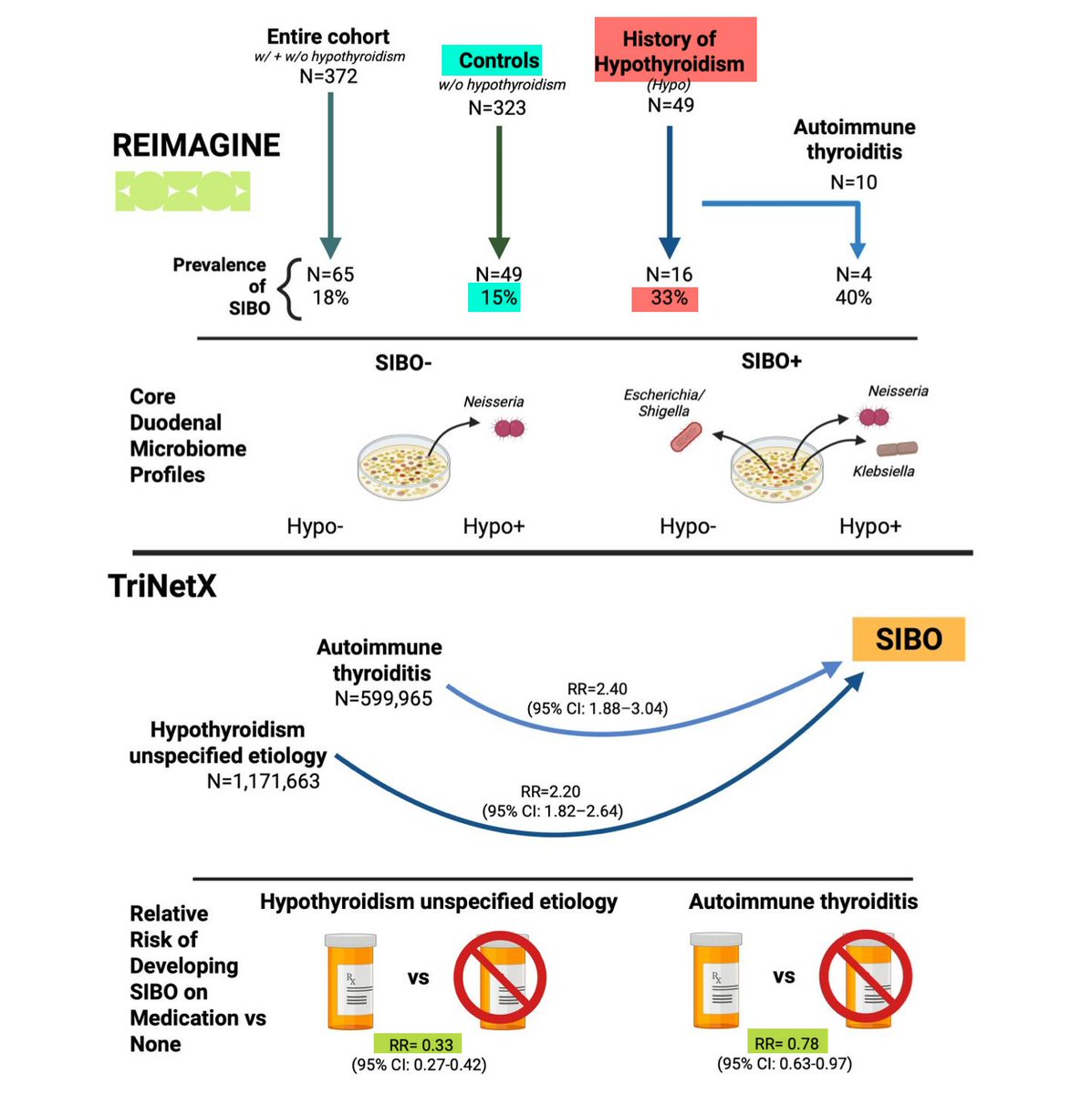
A recent study found that hypothyroid patients were 2x more likely to have SIBO, and hypothyroid patients without SIBO were 2x more likely to be diagnosed with it over the next 10 years.
Hypothyroid SIBO patients have a distinct bacterial signature, different from SIBO-only and non-SIBO hypothyroid people.
The risk of developing SIBO is lower in people taking medication for hypothyroidism.
“These findings suggest there is an increased risk for development of SIBO in individuals with a history of hypothyroidism that may be ameliorated by treatment, and may involve specific Gram-negative coliforms.”
“SIBO prevalence was higher in the hypothyroid group (32%) vs controls (15.%). In the TriNetX analysis, 10-year cumulative incidences of SIBO were higher in hypothyroidism of unspecified cause (RR = 2.20) and autoimmune thyroiditis (RR = 2.40) subjects vs matched controls. However, these risks appeared to be mitigated both in hypothyroidism (RR = 0.33) and autoimmune thyroiditis (RR = 0.78) subjects taking levothyroxine.”
Reduction of stomach acid, slowing of peristalsis, and swelling of gut tissue are some of the effects of hypothyroidism that predispose to developing SIBO.
This implies that hypothyroidism increases the risk and medication reduces the risk of SIBO. Correcting hypothyroidism may be necessary for complete remission of SIBO.
It does not imply that correcting hypothyroidism (with thyroid hormones) is always enough to eradicate SIBO, though this does occur, too.
Ref: Relationship Between Hypothyroidism, Risk of Small Intestinal Bacterial Overgrowth, and Duodenal Microbiome Alterations https://t.co/xIBFO7Se5t
Because of the endless lies with the COVID vaccines, many parents are now asking how to know if any vaccine is safe, effective or necessary for their child.
That's a surprisingly difficult question. This article makes a careful attempt at answering it.
https://t.co/p3JkwiWr4e
Diarrhea outbreak🚨! Here's my take:
-Media is overhyping this. This is not the next pandemic.
-Yes, Cyclospora (parasite) can cause relapsing, remitting diarrhea BUT...
-It is easily treatable (Bactrim)...
-And simply washing your food for 1 minute in cold water OR rinsing in 3:1 water/vinegar mix followed by spinning lettuce dry can reduce oocysts by 80-90%. (PMC 7926854).
-Outbreaks of Cyclospora happen every year.
-This year is trending higher than previous years, and we do not know the source BUT...
-You don't have to stop eating fruit/vegetables, or cook everything.
-Wash everything you buy in cold water and/or water+vinegar mix and your chances of getting this parasite are massively reduced.
One of the best carbs for fat loss is cooled potatoes.
Potatoes rank the highest on the satiety index of any food ever tested.
But when you cool a cooked potato, something interesting happens:
The starch restructures into something called resistant starch.
This type of starch is fermented by bacteria in your gut, producing short-chain fatty acids that reduce the inflammatory signals that drive fat storage.
And resistant starch has been linked in research to large drops in visceral fat along with improved insulin sensitivity, even without calorie restriction.
So cool your potatoes. Eat them plain. It's one of the simplest and cheapest fat-loss tools available.
DHEA improves multiple signs of aging in clinical trial.
50 mg / day:
◇ Reduces body fat percentage
◇ Reduces belly fat
◇ Lowers inflammation
◇ Lowers blood sugar
◇ Lowers triglycerides
◇ Lowers insulin
opposing all of the actions of cortisol, and improving thyroid function.
50 is a high dose - I typically just suggest clients start with ~5, depending on the circumstance.
washing your hair with an anti dandruff shampoo to regrow hair sounds like nonsense until you read the clinical study showing ketoconazole shampoo improved hair density and thickness comparably to 2% minoxidil over 6 months. then it sounds like a $12 shampoo doing a prescription drug's job
ketoconazole is an antifungal compound that was designed to treat dandruff. but researchers noticed something unexpected during trials. patients using it were growing thicker hair. not just cleaner hair. measurably thicker individual hair shafts and more of them
the mechanism is dual. first it eliminates malassezia fungus on the scalp which causes the chronic low-grade inflammation that accelerates follicle miniaturization. second, and this is the part nobody expected, ketoconazole appears to disrupt DHT activity at the follicle level through a mechanism that's still being fully mapped
- the study compared ketoconazole 2% shampoo used 2-4 times per week against 2% minoxidil. hair shaft diameter and the proportion of hairs in the growth phase improved comparably in both groups
- it works on contact meaning you don't need to leave it on for hours. 3-5 minutes on the scalp during a shower is sufficient for the antifungal and anti-DHT effects
- unlike minoxidil there is no dependency. if you stop using ketoconazole shampoo your hair doesn't fall out in response. minoxidil cessation causes accelerated shedding of every hair it was maintaining
- the anti-inflammatory effect reduces the perifollicular inflammation found in every biopsy of androgenetic alopecia. you're treating one of the root causes not just a symptom
- it's available over the counter as Nizoral in most countries. no prescription needed. no doctor visit required. $8-12 per bottle lasting 2-3 months
- you can stack it with every other treatment. use ketoconazole to clean the scalp and reduce DHT, then apply rosemary oil or peppermint oil after. the clean follicle environment amplifies everything applied afterward
the most effective hair loss shampoo ever studied sits on the drugstore shelf next to the Head and Shoulders. nobody buys it for hair growth because nobody told them it works for hair growth. because there's no profit margin in telling people a $12 shampoo does what a $40/month prescription does
Many common and debilitating GI conditions—Crohn's, colitis, IBS—have rapid and dramatic responses to DMSO that no conventional treatment can match.
Here I compile the evidence behind DMSO's remarkable ability to heal the gut.
https://t.co/nEBrjg7P3y
💡 Could exposure to mold play a role in autism?
@BrianHookerPhD: Mold exposure and contamination should be considered part of the "total load" that "could push children over the edge of the toxic tipping point."
https://t.co/8ms1QSMYTH
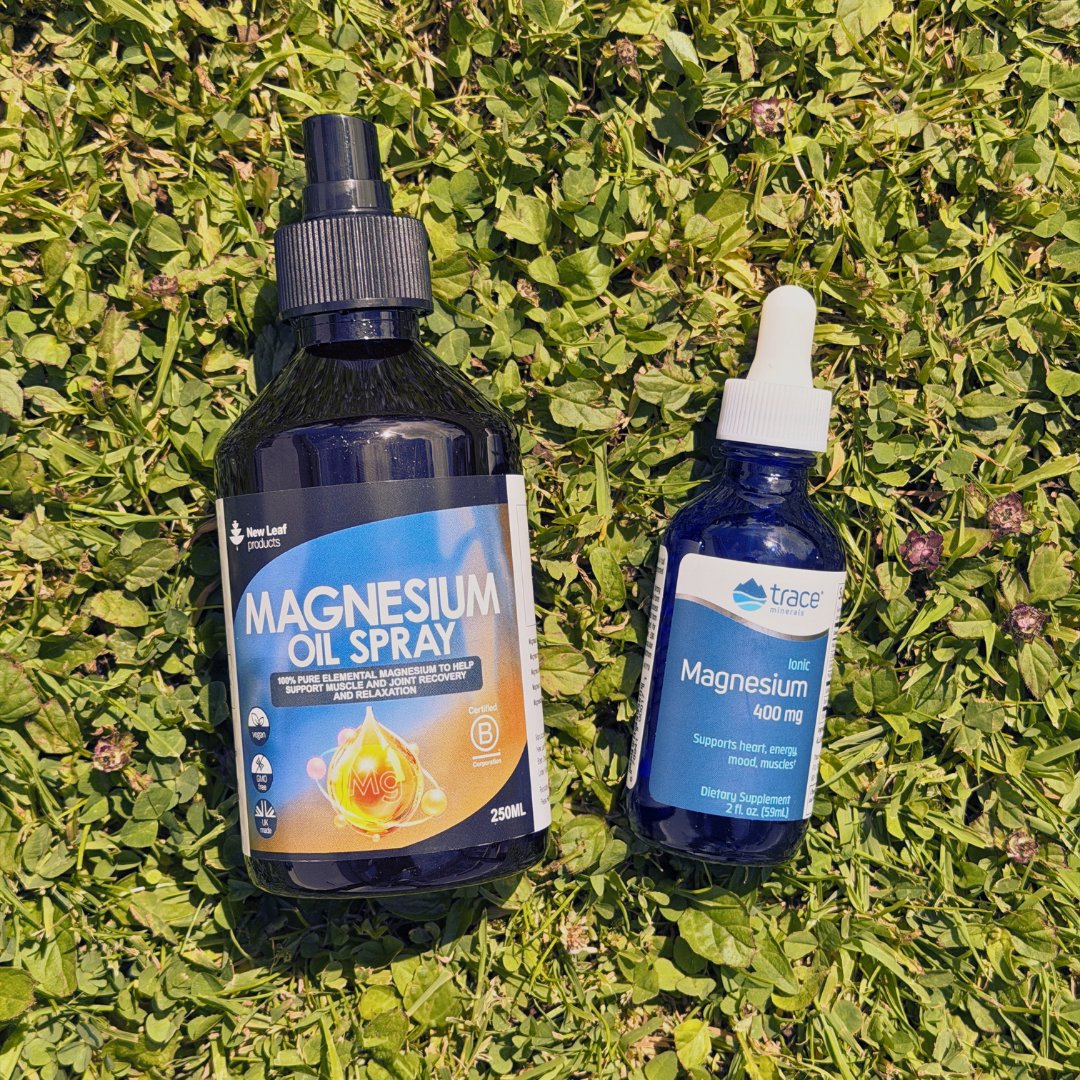
Magnesium improves iodine uptake, thyroid hormone synthesis, and conversion of T4 to the active thyroid hormone, T3. It’s lost in hypothyroidism, making issues worse and increasing the requirements.
“Animal experiments proved that the dietary supplementation of Mg significantly increases radioactive iodine uptake by thyroid cells; especially in subclinical hypothyroidism. These findings emphasize that Mg deficiency may lead to decreased uptake of iodine by thyroid cells, thereby causing thyroid hormone disorders.
Mg helps in the balanced secretion of thyroid hormones and also plays a key role in the secretion of the active form of thyroid hormone T3...
Mg has also been noted to influence the deiodination process (the conversion of thyroid hormones). During the deiodination process, the iodothyronine deiodinase (D1, D2, and D3) and the iodotyrosine deiodinase enzymes require flavin mononucleotide (FMN) as a coenzyme and Mg to help the reduction process involving electron transport chain (ETC).”
Ref: Activities of Serum Magnesium and Thyroid Hormones in Pre-, Peri-, and Postmenopausal Women
74% of the population is iodine insufficient and almost none of them know that their "slow metabolism," constant fatigue, brain fog, and inability to lose weight is a thyroid running on empty because it can't find the one mineral it needs to function
your thyroid gland produces T3 and T4 hormones. the numbers literally refer to how many iodine atoms are attached. T4 has four iodine atoms. T3 has three. without iodine your thyroid physically cannot manufacture the hormones that control your metabolic rate, body temperature, energy production, cognitive function, and fat burning. it's not optional. it's structural. no iodine means no thyroid hormones. period
- thyroid hormones set the metabolic rate of every cell in your body. when iodine is insufficient your thyroid downregulates hormone production and your entire metabolism slows. you gain weight eating the same food. you feel tired doing the same activities. nothing changed except the thyroid lost its building material
- iodine was added to table salt in the 1920s to prevent deficiency and it worked for decades. the modern shift to sea salt, himalayan salt, and reduced sodium diets eliminated the primary dietary source. the deficiency is returning and nobody connected it to the salt change
- the brain concentrates iodine at levels higher than any organ except the thyroid. iodine deficiency during development is the leading preventable cause of intellectual disability worldwide. in adults subclinical deficiency manifests as brain fog, poor memory, and slow processing speed
- breast tissue, ovarian tissue, and prostate tissue all concentrate iodine and require it for healthy cell cycling. deficiency in these tissues is being investigated as a contributing factor in hormone-related conditions
- the recommended daily intake of 150mcg is the minimum to prevent goiter not the optimal amount for cellular function. Japanese populations consuming seaweed-rich diets average 1,000-3,000mcg daily and have significantly lower rates of thyroid disease
- a simple 24-hour iodine loading test can determine whether you're deficient. most doctors don't test it because iodine deficiency was considered "solved" by iodized salt decades ago. the assumption is wrong for anyone who doesn't eat iodized salt daily
150-500mcg of iodine daily from kelp tablets or potassium iodide. start low and increase gradually over weeks. always pair with 200mcg of selenium which your thyroid needs as a cofactor and which protects thyroid tissue during iodine supplementation. both together cost $0.10/day
your thyroid is the thermostat for your entire body. most people are running it on low fuel and treating the symptoms with caffeine and willpower instead of giving it the one mineral it was built to run on
vitamin D is the only nutrient with clinical evidence showing that deficiency directly causes hair follicles to stop cycling from the growth phase into the resting phase. let that sink in. low vitamin D literally tells your follicles to go dormant
vitamin D isn't a vitamin. it's a secosteroid hormone. every hair follicle in your body has a vitamin D receptor. when these receptors don't receive adequate vitamin D signaling the follicle's ability to cycle through growth phases is impaired. the follicle doesn't die. it falls asleep. and it stays asleep until vitamin D levels are restored
this is why hair loss accelerates in winter and improves in summer for many people. it's not coincidence. it's vitamin D levels dropping below the threshold needed to keep follicles cycling
- studies show that people with alopecia have significantly lower vitamin D levels than people without hair loss. the correlation is strong enough that researchers have proposed vitamin D testing as a standard part of hair loss evaluation
- vitamin D is required for the creation of new hair follicles during the anagen phase. without it the follicle regeneration process slows and fewer hairs enter the active growth cycle at any given time
- 80% of the global population is vitamin D deficient. in northern latitudes during winter the deficiency rate approaches 90%. if you live above the 37th parallel and don't supplement you are almost certainly deficient
- vitamin D also modulates the immune system which is relevant because some forms of hair loss including alopecia areata are autoimmune conditions where the body attacks its own follicles
- the optimal blood level for hair health appears to be 50-70 ng/mL. most "normal" lab ranges start at 30 ng/mL which is the minimum to prevent bone disease not the optimal level for tissue function
- deficiency is a slow process. your hair doesn't fall out overnight. it gradually thins over months as more follicles enter dormancy and fewer cycle back into growth. most people attribute this to aging or genetics when the actual cause is a $0.10/day supplement they aren't taking
4,000-5,000 IU of vitamin D3 daily with food containing fat for absorption. pair with vitamin K2 at 100-200mcg to direct calcium into bones instead of arteries. get your blood levels tested. the test costs $30 and might explain the hair loss that years of topical treatments couldn't fix
the most common nutritional deficiency on earth directly impairs hair follicle cycling and most dermatologists prescribe minoxidil before checking a vitamin D level
rubbing peppermint oil on your scalp to grow hair sounds like something a hippie would recommend until you see the study showing it outperformed minoxidil for hair growth. then it sounds like a $4 bottle replacing a $40 monthly prescription
a comparative study tested peppermint oil against minoxidil, jojoba oil, and saline over 4 weeks on mice. the peppermint oil group showed the most prominent hair growth including significant increases in follicle number, follicle depth, and dermal thickness. it outperformed the gold standard pharmaceutical treatment
the mechanism is menthol. when peppermint oil contacts the scalp the menthol triggers a vasodilation response that increases blood flow to the follicles. you can feel it working. the tingling sensation is your capillaries opening and flooding the scalp with oxygen and nutrients
- the increased follicle depth is the critical finding. deeper follicles produce thicker, stronger, more well-anchored hair. shallow follicles produce the thin wispy hair that characterizes early-stage thinning
- the menthol-induced vasodilation lasts 2-3 hours after application meaning one application delivers a sustained increase in scalp blood flow that passive treatments like supplements can't match
- peppermint oil also has antimicrobial properties that reduce the scalp bacteria and fungal load contributing to follicle inflammation
- the dermal thickening suggests peppermint oil stimulates collagen production around the follicle providing structural support for healthier growth
- it activates cold receptors in the skin which triggers a parasympathetic response. the same mechanism as cold showers but localized to the scalp
- unlike minoxidil there is no reported dread shed phase. the growth stimulation is gentler and doesn't cause the paradoxical shedding that scares most people off pharmaceutical treatments in the first month
3-5 drops diluted in a carrier oil like jojoba or coconut. massage into the scalp focusing on thinning areas. leave for 30 minutes minimum. 3-4 times per week. the tingling tells you it's working. no tingling means you need more
the pharmaceutical industry charges $40/month for minoxidil with dependency and dread shed as side effects. peppermint oil costs $4 a bottle, has zero dependency, and outperformed it in a direct comparison
NAC (n-acetyl cysteine) is the only over-the-counter supplement that directly replenishes glutathione, your body's most powerful internal antioxidant. let that sink in. it refills the master detoxification molecule that every other antioxidant depends on to function
glutathione is produced in every cell but concentrations decline with age, stress, poor diet, alcohol, and environmental toxin exposure. when glutathione drops below critical levels your cells lose the ability to neutralize free radicals efficiently. oxidative damage accelerates. aging accelerates. organ function declines. NAC provides the rate-limiting amino acid (cysteine) that your body needs to rebuild its glutathione supply
- used in emergency rooms worldwide as the frontline treatment for acetaminophen (Tylenol) overdose. it saves lives by rapidly restoring the glutathione that the drug depleted from the liver. hospitals keep it in stock because nothing else works as fast
- reduces frequency and severity of respiratory infections by breaking down mucus (mucolytic effect) and supporting immune cell function through glutathione restoration. a study on elderly subjects showed 65% reduction in flu-like episodes
- shows strong evidence for reducing OCD and addictive behaviors by modulating glutamate levels in the nucleus accumbens. clinical trials show reduced cravings for nicotine, cocaine, cannabis, and gambling. the mechanism is glutamate normalization in the brain's reward center
- protects the liver from oxidative damage caused by alcohol, medications, and environmental toxins. the liver is your body's primary detoxification organ and glutathione is its primary tool. NAC keeps the tool sharp
- improves male fertility by reducing oxidative stress in the reproductive system. sperm are highly vulnerable to oxidative damage and NAC supplementation has been shown to improve motility, morphology, and count
- emerging evidence for neuroprotection in neurodegenerative conditions through reduction of oxidative stress and neuroinflammation in brain tissue. glutathione depletion in the brain is a consistent finding in Parkinson's and Alzheimer's research
the FDA tried to ban NAC as a supplement in 2020 specifically because it was too effective and competed with pharmaceutical interventions. they failed. but the attempt tells you everything about how the system views cheap effective compounds
600mg 1-2x daily on an empty stomach. pair with vitamin C to enhance glutathione recycling. take it in the morning for detox support or evening for immune and liver protection
your body's most important antioxidant is running low and the one supplement that directly refills it costs $12 a month
Thiamine (vitamin B1) has powerful protective effects for the brain, reducing death from severe brain injury by >50% in multiple studies.
One study came out in 2024 in Frontiers in Nutrition.
They examined people with traumatic brain injury who got thiamine treatment or those who didn't.
It wasn't an experiment - it was an associational study, but the design makes it pretty strong.
They did propensity score matching (PSM).
Essentially, this helps remove confounding variables by only including people who could be matched up with a similar "control" who did not receive the thiamine.
This ensured that the 402 people and their non-thiamine matches were similar in all measures so that any effect was attributable to thiamine.
Thiamine led to a reduction in mortality of around 55%.
16.2% of people in the non-thiamine group died vs 7.2% in the thiamine group.
They did stay a bit longer in the hospital by a few days, a small price to pay for staying alive.
On average, people took around 200 mg of thiamine IV.
After matching, this is what the survival rates looked like.
374 people on thiamine survived.
337 people died without it.
~37 people were saved by thiamine (assuming no other confounders).
200 mg of thiamine costs like 5 cents.
What's amazing is that with higher amounts of thiamine the results were even better.
People getting >200 mg of thiamine during their hospital stay had their risk of death slashed by over 2/3rds.
Incredible.
This was not a one off study either.
This study from 2025 showed similar results.
A ~65% reduction in death from traumatic brain injury simply by administering thiamine.
Why is thiamine so helpful for the brain?
Higher thiamine levels are protective against negative outcomes from brain injury and even cognitive decline.
Even blood levels cannot rule out a need for more thiamien as discussed below:
Thiamine is critically important in the brain for multiple reasons:
1. It is a cofactor for multiple enzymes in mitochondrial energy production. Without enough thiamine, you don't produce enough energy, which is required for repair of all of the structures within the brain.
One thiamine dependent enzyme (aKGDH) is a primary target of traumatic brain injury - it's activity becomes severely depleted. Adding thiamine in helps.
2. It prevents lactic acid production. Because thiamine is a cofactor for pyruvate dehydrogenase (PDH), it diverts glucose metabolism towards energy and away from lactic acid.
Lactic acid promotes inflammation in multiple cell types - including the microglia in the brain. The resulting acidity also can promote inflammatory responses.
Inflammation in the brain is a driver of brain injury, but also is heavily involved in things like depression and even brain fog and fatigue.
Being low functionally on thiamine sets you up for all of this.
The Henry Ford Vax vs. Unvax Study with over 18,000 children was so damning that the pro vaccine researchers refused to publish it due to backlash concerns. Now you know why…
Correcting low vitamin D can halve Hashimoto's antibodies.
500 mg calcium/day reduced TPO-Ab by 16%
Adding 60k IU/week of D3 reduced them by 47%
2 of 3 patients responded to the combination with lower TPO-Ab
The study examined patients with newly diagnosed Hashimoto's, most of whom were vitamin D-insufficient.
Ref: Vitamin D supplementation reduces thyroid peroxidase antibody levels in patients with autoimmune thyroid disease: An open-labeled randomized controlled trial
If schools and universities refuse to teach the great books of the West, we must do it ourselves.
We started an independent group to study the greatest texts of the Western canon, together.
...and we are now 900 members strong! 🙌
We're about to start our 14th book: we've just voted to read "The Brothers Karamazov" next.
If this is something you'd like to be a part of, join our reading group.
You can simply read along with us and tune into the broadcasts, or join our smaller "inner circle" and be part of the discussions directly.
Every session seems even better than the last at the moment. Thank you all for taking this so seriously, it's a pleasure to study alongside all of you.
Become a paid member if you'd like to support — it makes a huge difference to the time and resources we can dedicate to this.
You'll get:
- Live book club discussions (biweekly)
- Access to our incredible community chat
- Essays to guide you through the Great Books
- All past recordings, essays, and podcasts
- Ability to vote on what we read next
https://t.co/efQaicNvay
Welcome!
Narrated two-minute walkthrough of my son's Trump Account.
A few highlights...
1. App is 3 parts: Account Balance, Contribute, and Learn
2. Tons of forecasting/modeling to see how the account grows with your child
3. You can invite others to contribute by sending a QR code, which then allows them to use Apple Pay (and a linked debit card) to contribute really easily
4. Educational content: good basic primers on concepts like "what is a stock" + details on how the Trump Accounts work, perfect for parents new to investing, but are interested in learning.
5. You can manage multiple kids in one app!
Sorry the video is cut off at the top/bottom.
Note the $1,000 is PENDING for my son's account, so it's not reflected in any of the growth forecasting in the app.