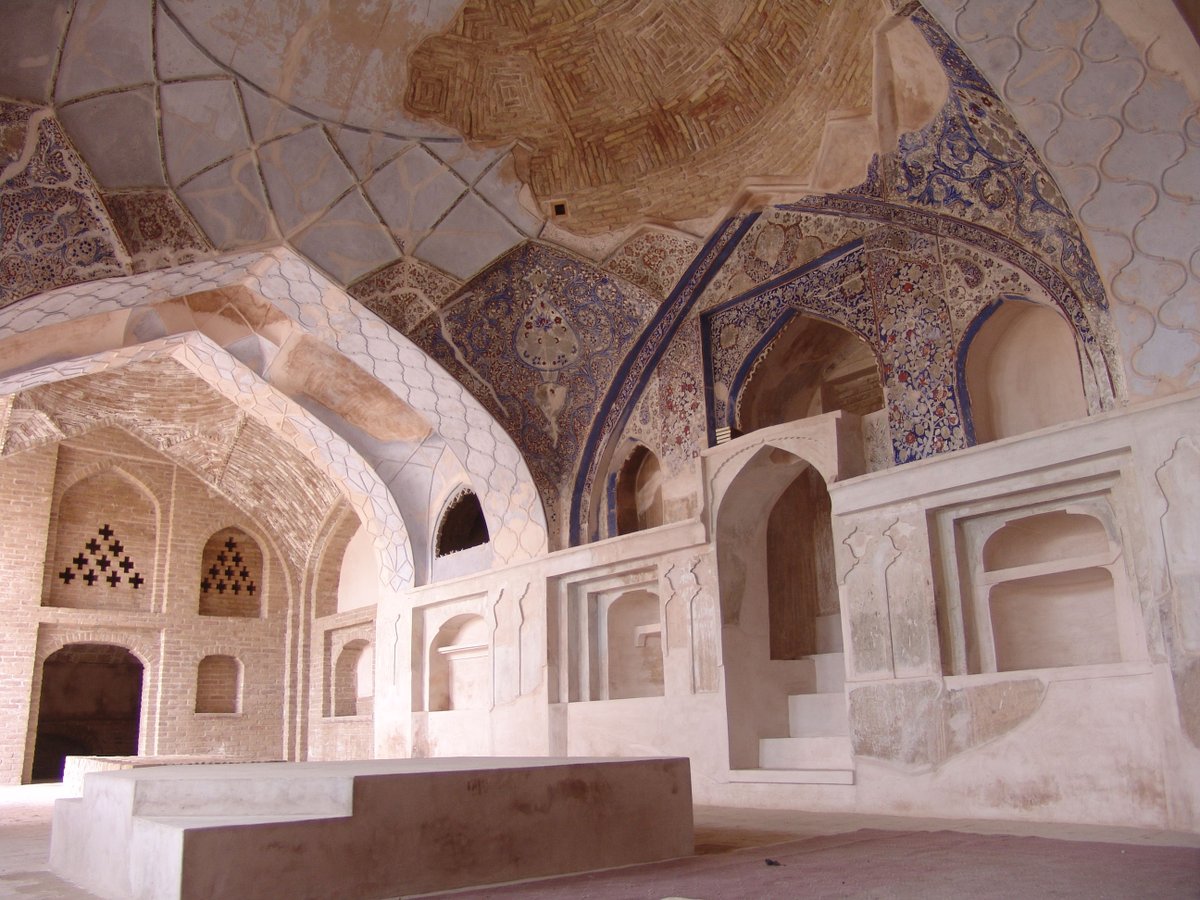
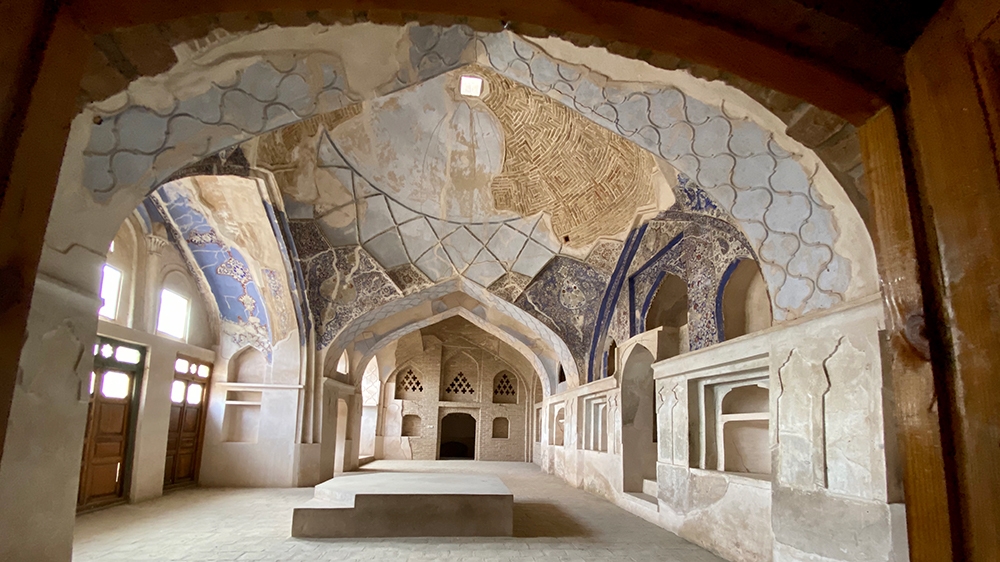
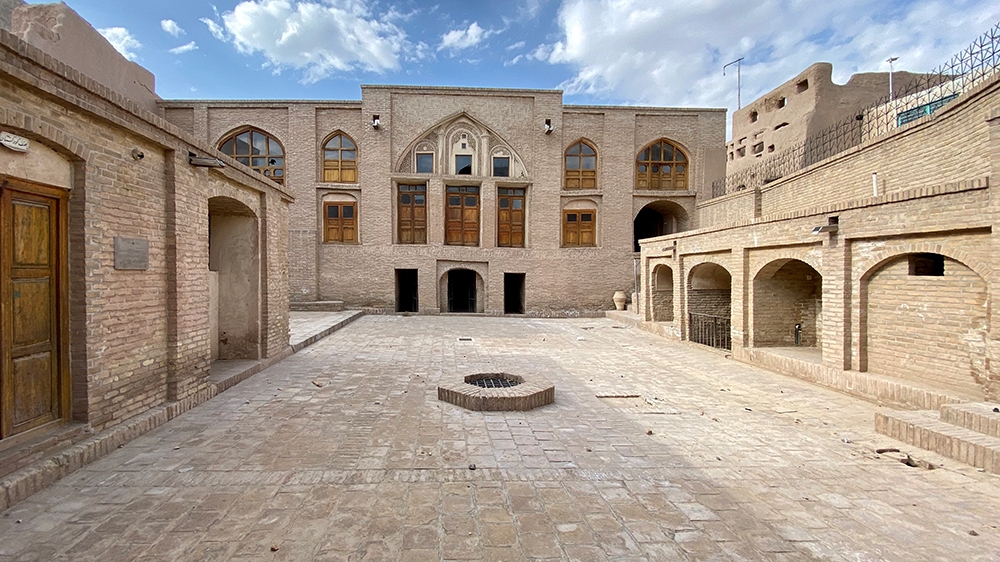
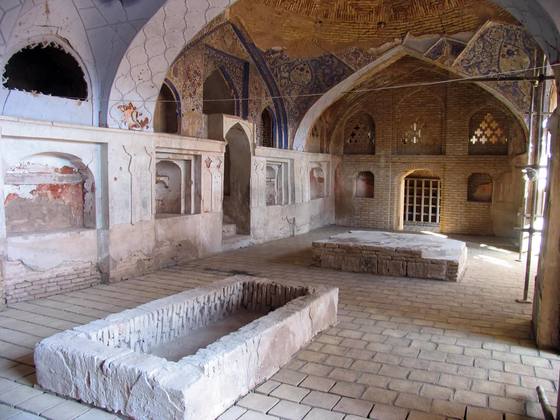
More than 2,000 years of Afghanistan’s history are being unearthed at Kabul’s historic Bala Hissar fortress, where archaeologists have discovered ancient artefacts, Buddhist remains and Mughal palaces. The Aga Khan Trust for Culture is leading an ambitious restoration project to transform the centuries-old citadel into a public archaeological park, preserving Afghanistan’s rich cultural heritage for future generations.
https://t.co/EKASKraS7M
"Riders", a fragment of wool textile (1st century BC). Bactria was an ancient Iranian cultural region in Central Asia, situated between the Amu Darya River and the Hindu Kush mountain range. This is an embroidered wool textile fragment created in ancient Bactria and later discovered in the archaeological site of Noin-Ula in northern Mongolia. Even though only fragments survived, the scene with horse riders still carries that unmistakable feeling of movement and culture tied to the ancient Silk Road world. What makes pieces like this fascinating is how interconnected the ancient world already was - a textile made in Central Asia ending up preserved in Mongolia more than 2,000 years later.
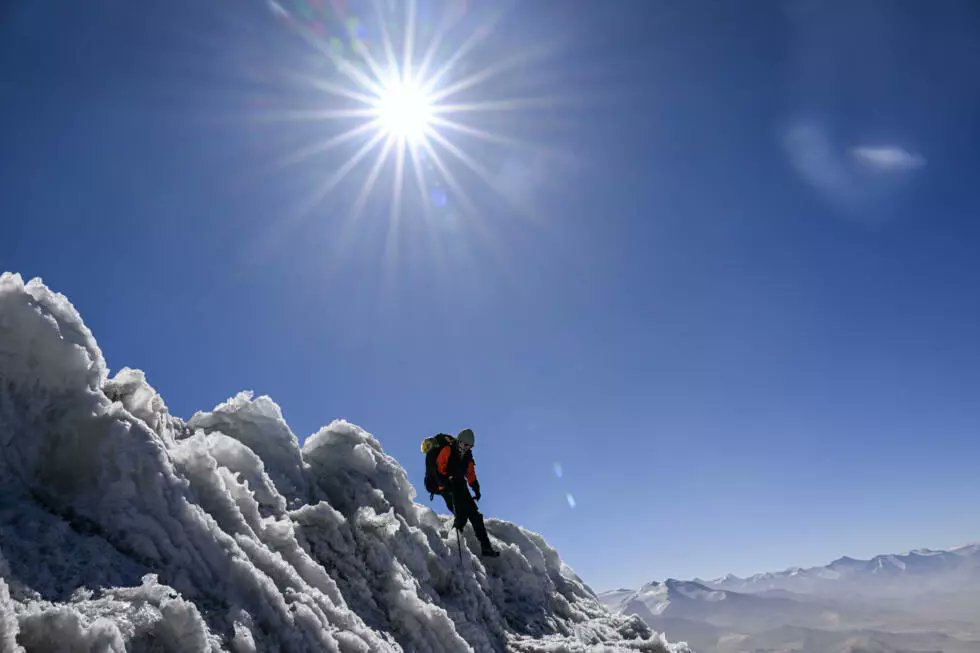
Ok, THIS is probably the most beautiful place we've seen in our Xinjiang RV roadtrip so far: it's so stunning it looks otherworldly, like we've stepped on another planet.
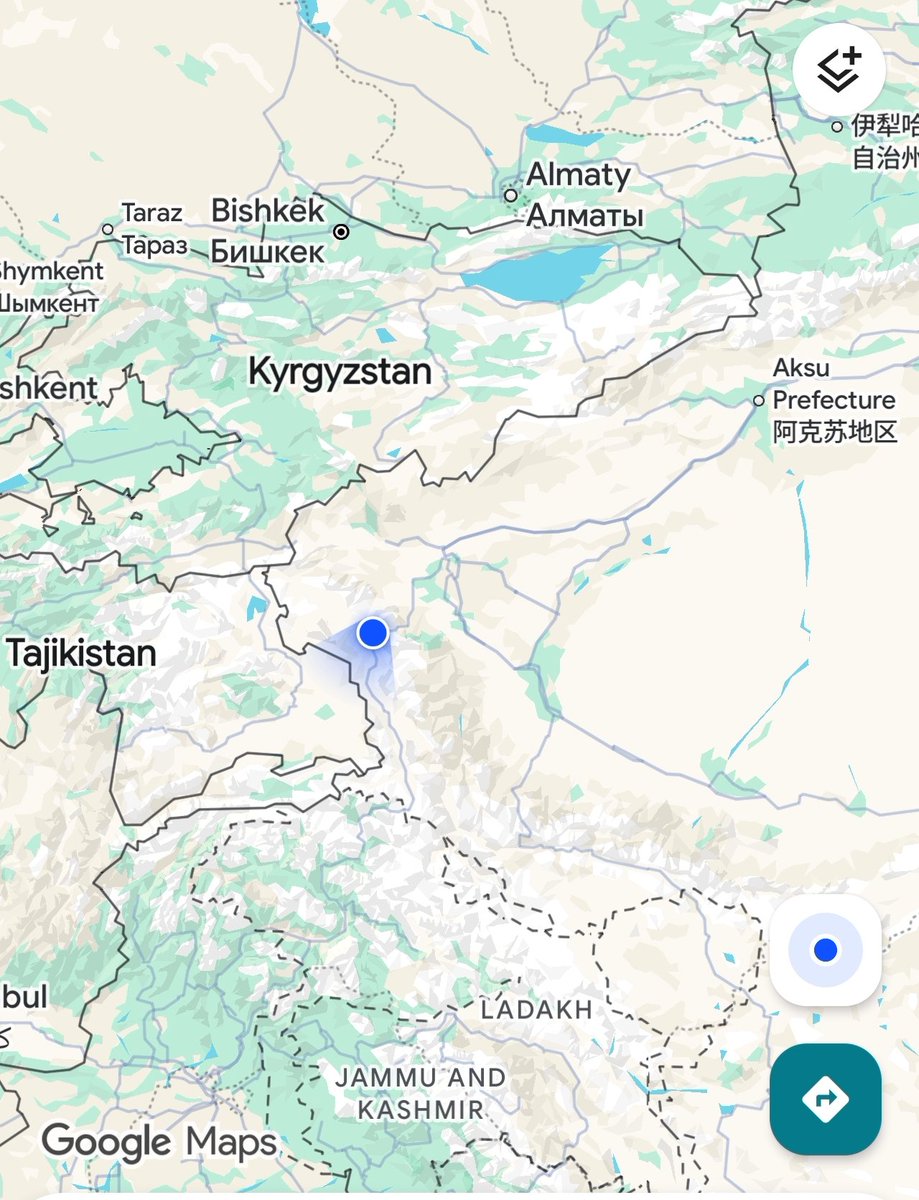
It's now day 25 of our roadtrip and we're next to a lake called bai sha hu (白沙湖, literally "white sand lake") not far from the border with Tajikistan, in one of the rare areas in Xinjiang which access is restricted: foreigners and Chinese alike need a special permit to come here because it's a sensitive border area (the permit is easy to obtain).
We're surrounded by some of the highest mountains in the world, including the famous Muztagh Ata (慕士塔格峰), 7,546m - the so-called "Father of Ice Mountains."
And, as you can see in the video, while the rest of Xinjiang is mostly cows and sheeps, we're now deep in yak territory 😊
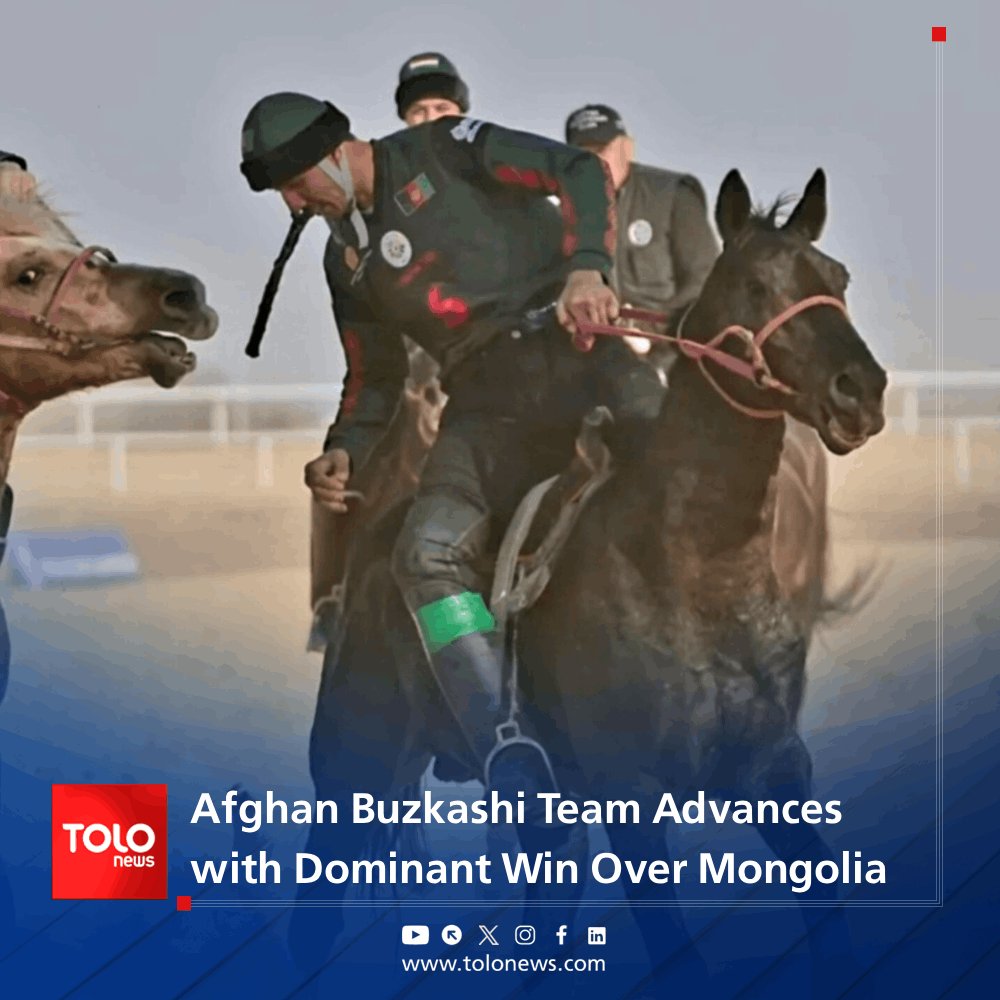
Afghanistan’s national buzkashi team advanced to the next round of the global competition after defeating Mongolia.
In this match, Afghan chapandaz riders delivered an outstanding performance and secured a valuable 7–0 victory.
This comes as Afghanistan’s national team had also defeated Russia and Hungary in their previous two matches.
The global buzkashi competitions have been underway for some time in Kazakhstan, with the participation of nine countries.
#TOLOnews_English
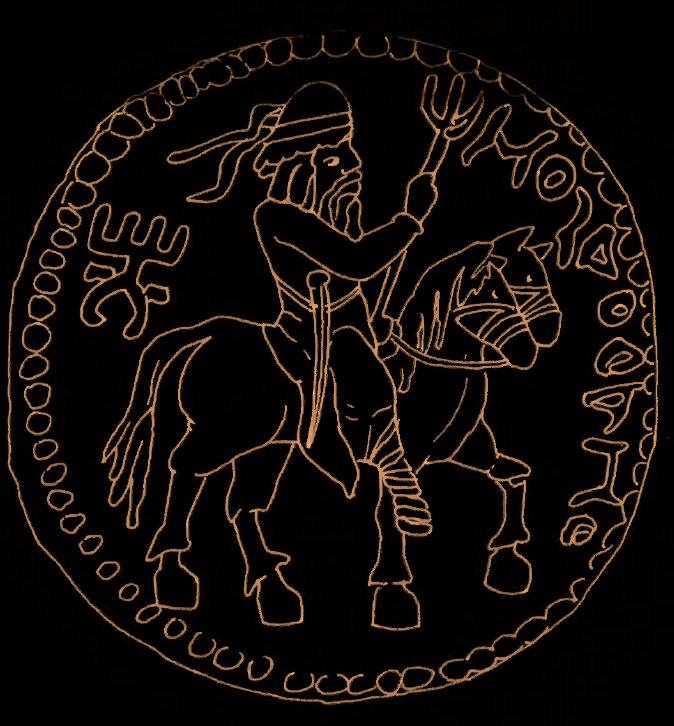
The Bactrian god Mozdooano, his name possibly deriving from *mazdā-vana- 'Winner of Wisdom', in the outfit of a warlike Kushan King riding a two-headed horse on the reverse of a coin of the Kushan King Kanishka. Inscription in Graeco-Bactrian script. From R. Göbl 1984, no. 61/3. Drawing by M. Hahn.
The Pamir -- "a very special place... the roof of the world" -- particularly fascinates scientists, Stocker said, because it is a climatic crossroads, redirecting moist air from Europe towards the Indian subcontinent.
https://t.co/YIPCWBwhZW
For my wedding anniversary, I designed and had hand-woven in Afghanistan a rug for my microbiologist wife. The rug mixes traditional Afghanistan designs with some scientific elements including Bunsen burners, test tubes, bacterial petri dishes and other elements.
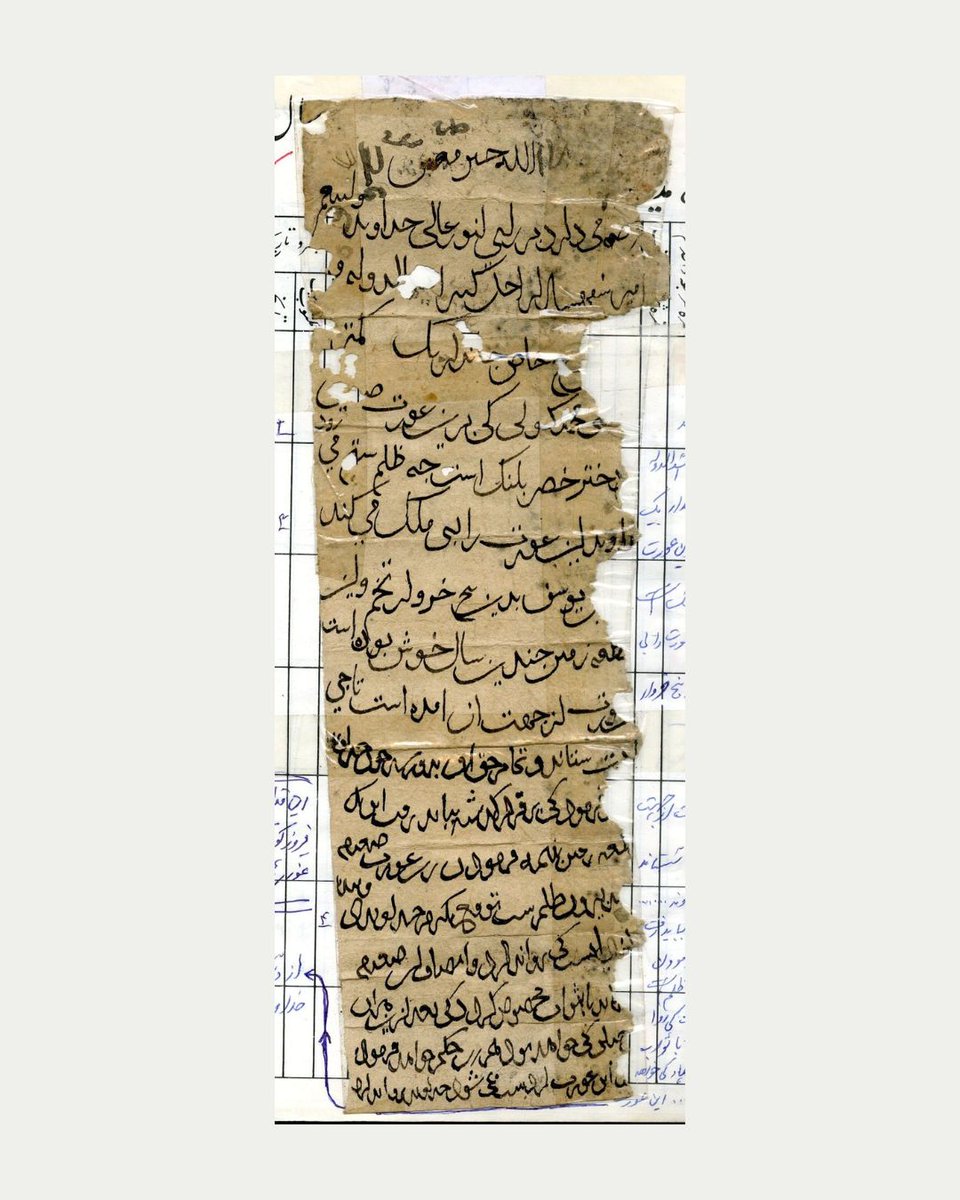
Our 'Document of the Month' by @arezouazad, celebrates 🎉 the agency, confidence & hard work of medieval women, through the lens of a 12-century petition 📜 by a tenant farmer in #Afghanistan seeking to defend her livelihood💪
https://t.co/ryMRAcz1Cs
#iwd#iwd2025#medievalist
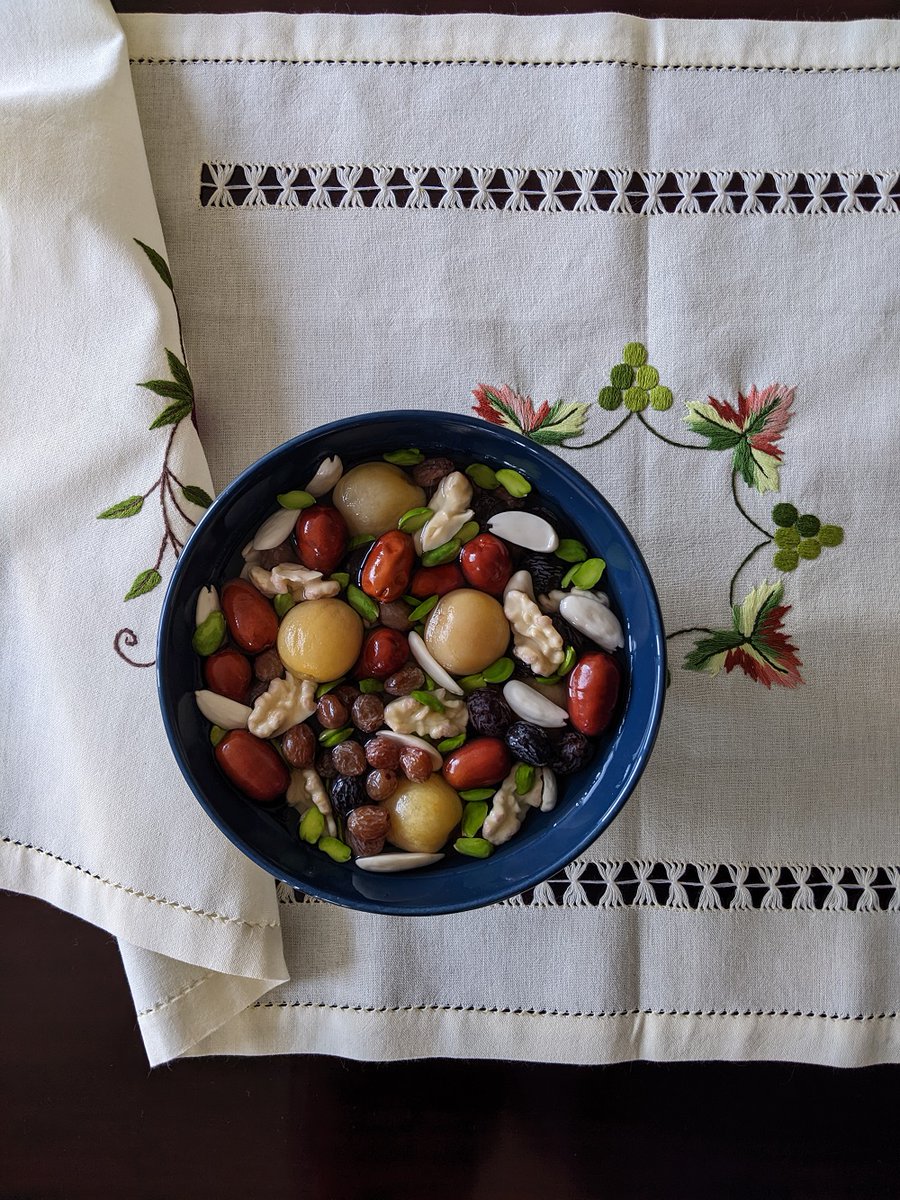
In our latest blog, Nabi Saqee finds references to #Nowruz in the #Bamiyan Papers & highlights some special traditions in modern-day #Afghanistan: https://t.co/m03ruqYSzb
Wishing our followers a happy Naw Rūz/Nowruz & a healthy, successful & joyful year!
#persiannewyear
1/2
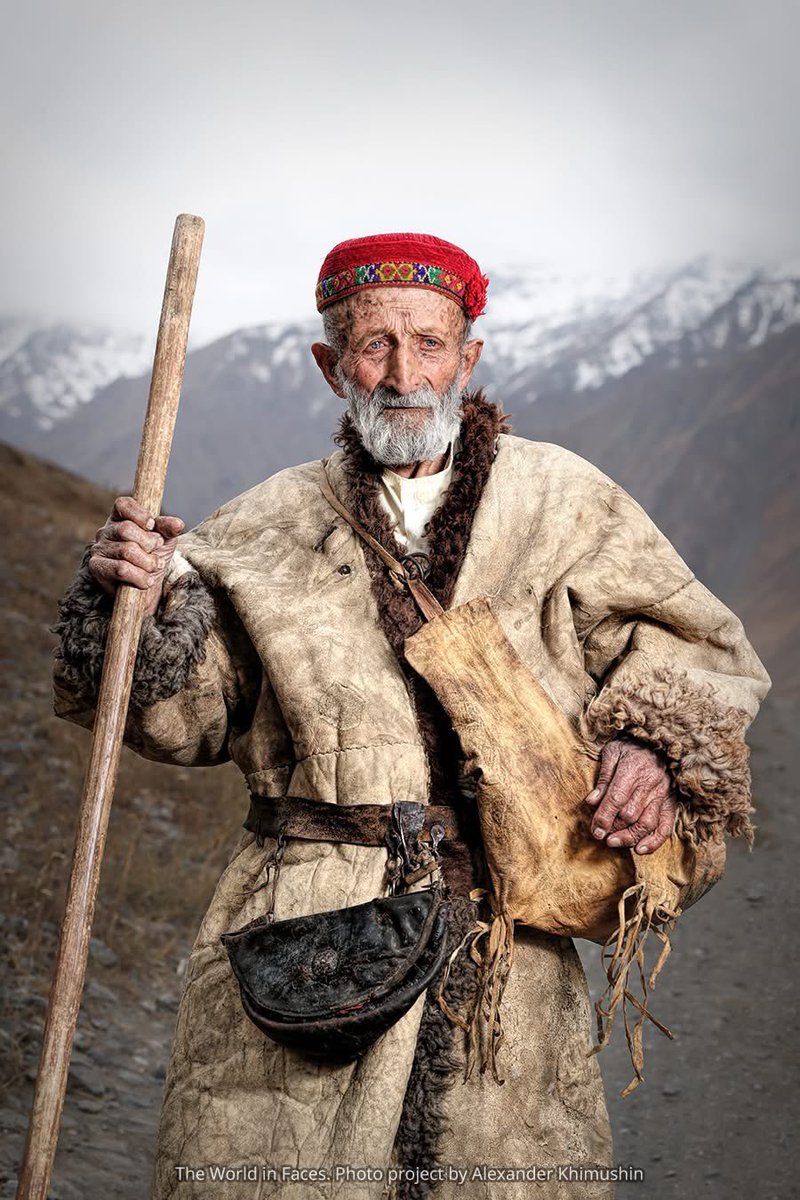
At 96, Bakhtali Sharifov is oldest of the 1,500 Khufij ppl. Living in a remote #Badakhshani village, #Tajikistan, he shared tales of "big hairy humans" he encountered perhaps the yeti. Khufij 1 of smallest Indigenous groups speak their own language & live along the #Panj river
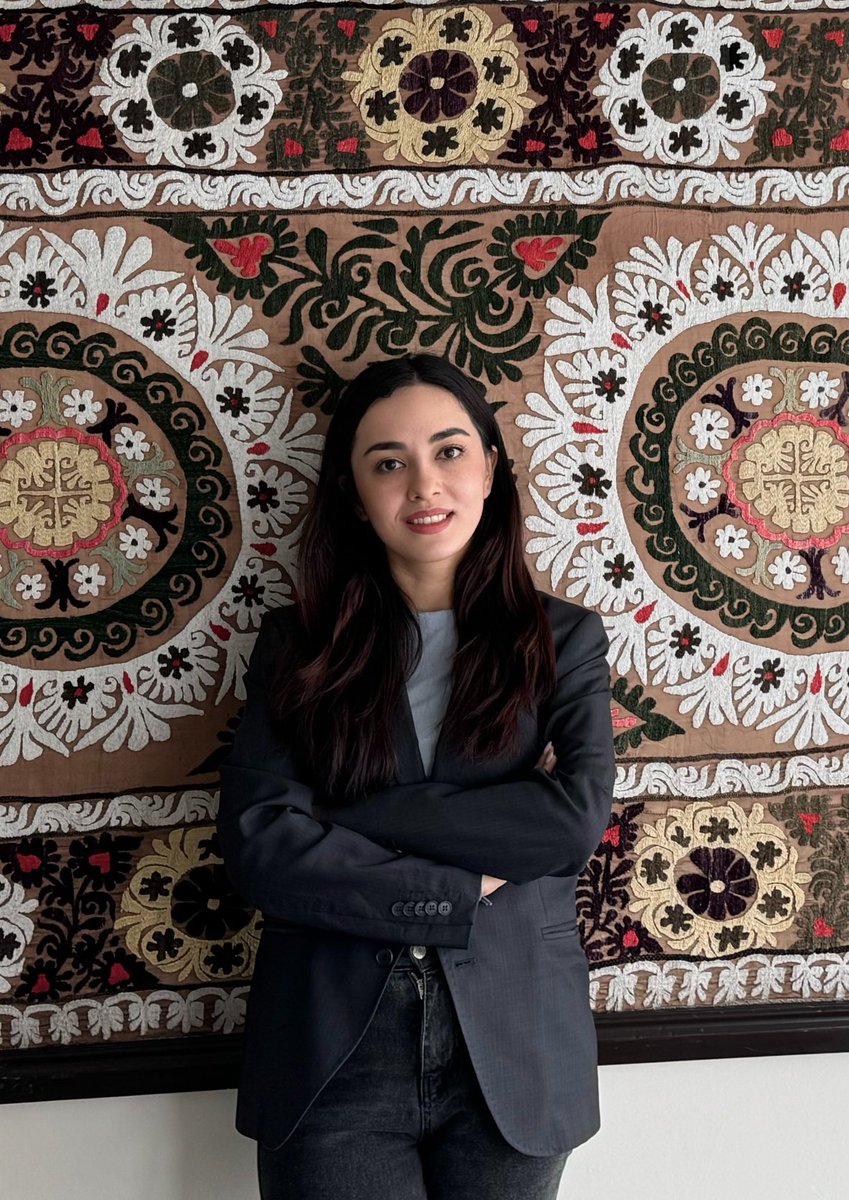
Beautiful and colorful #Tajik#embroidery - #chakan or #suzani, pure handmade. Each ornament has very long #history. For instance, the round figures embody the sun and Tajiks past, dating back to very ancient past.