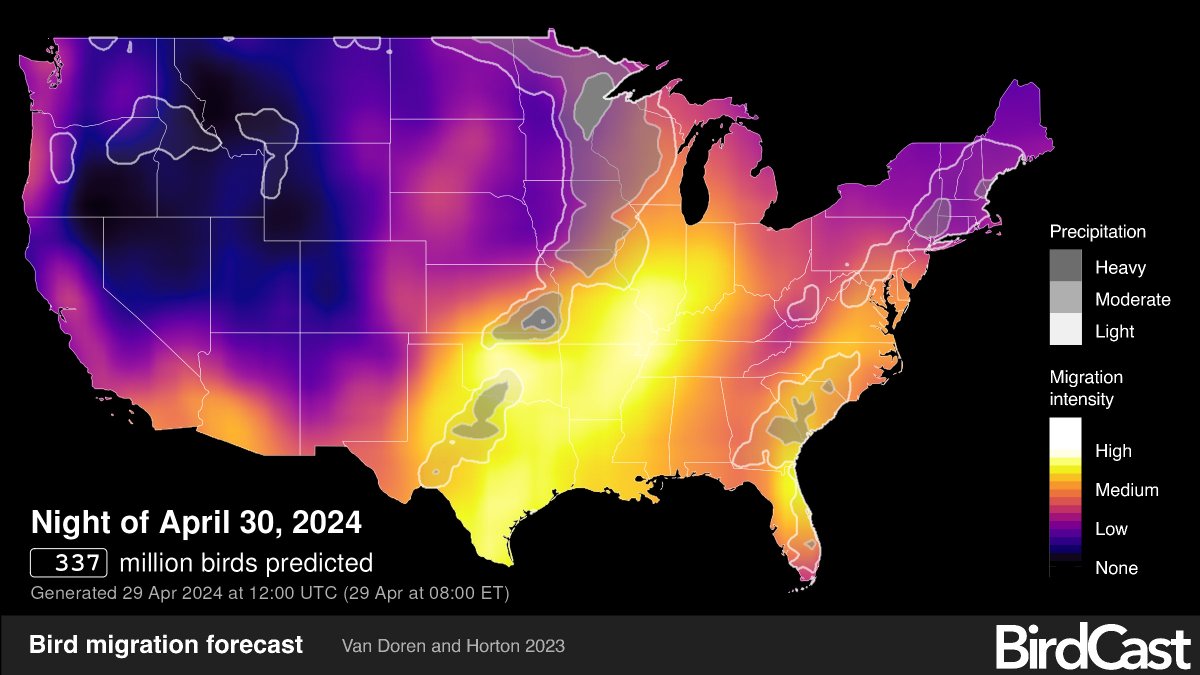
Since 1970, over 2.5 billion migratory birds have vanished from our skies. 😢 But here's the GOOD NEWS: We have the power to save them! 🦅✨ The 1st step? Figuring out where they go with tracking technology! 🛰️
Exciting news from the Philippines 🇵🇭 The first #seabirds have been tagged with #MCP program manager Autumn-Lynn Harrison on site to lead tag attachment training 🐦📍A milestone for #science and seabirds - read more about the adventure here 👉 https://t.co/byZ11A9lhe
📢 #WorldMigratoryBirdDay will be celebrated around the world on 10 May 2025!
Read the statement received from Dr. Musonda Mumba, Secretary General of the Convention on Wetlands, to mark #WMBD2025
➡️ https://t.co/iJ6185zcpK
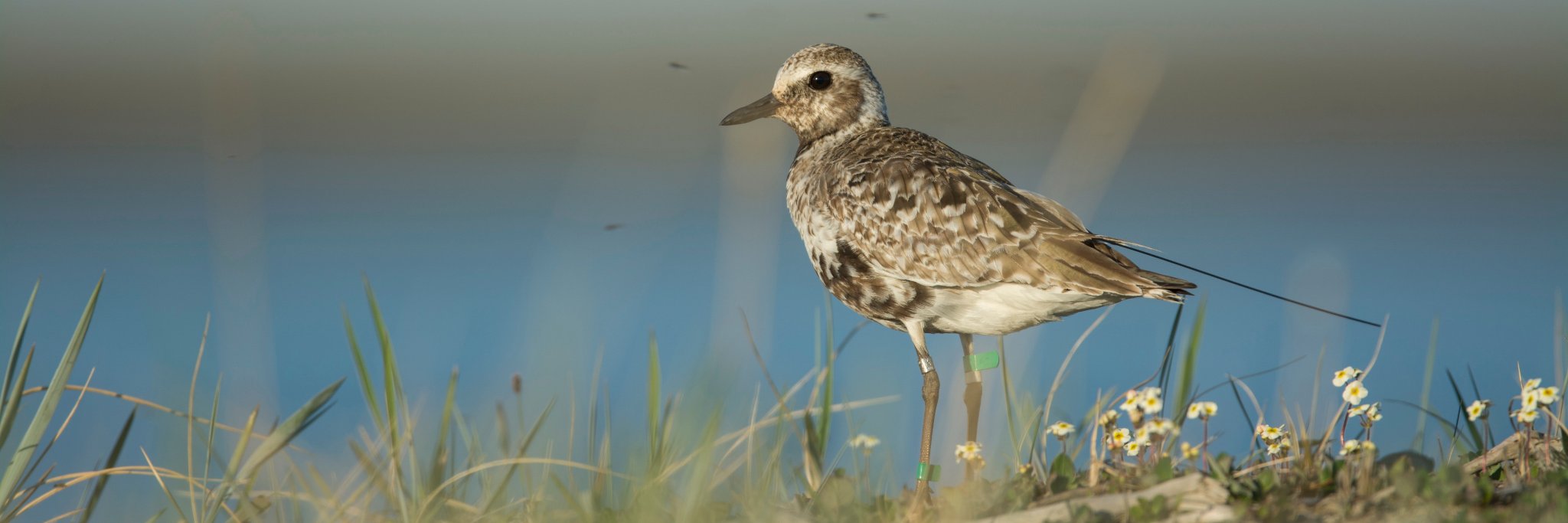
Explore the Midcontinent Flyway StoryMap to follow the epic migration of a female Black-bellied Plover while tuning in to the music and sounds she might encounter along the way–
English: https://t.co/vyXO2aGNhC
Spanish: https://t.co/GyJuqGfxiF
Portuguese: https://t.co/7QDA1lHuMu
DeSimone and Cohen of UMCES Appalachian Lab published paper in PNAS today showing consistent social relationships among songbird species during migration. Study could usher in a new field of research -- the community ecology of migration -- check it out! https://t.co/V5qGAO39v6
Check out the impact of opting to #DrinkBirdFriendly in real time! This Summer Tanager was tagged by the Bird Friendly team on a coffee farm in Colombia in February and was just spotted earlier this month by a birder at Taylorsville Lake State Park in Kentucky! (1/2)
MCP along with partners from Smithsonian’s Virginia Working Landscapes and University of New England are filling gaps in understanding Bobolink migratory connectivity https://t.co/e8TF7ckBWu
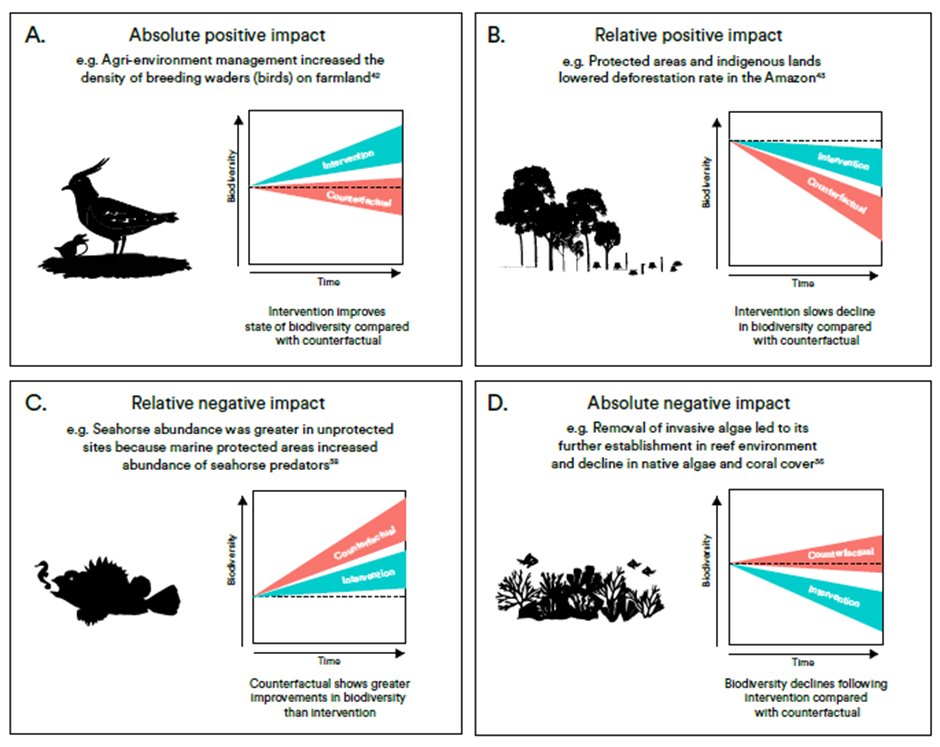
Does conservation work? Our paper by @rewild shows that it does: a global analysis of 665 trials (incl. several by @RSPBScience) found that conservation improved the state of biodiversity or slowed declines in two-thirds of cases @BirdLife_Sci https://t.co/DskyzkYffQ
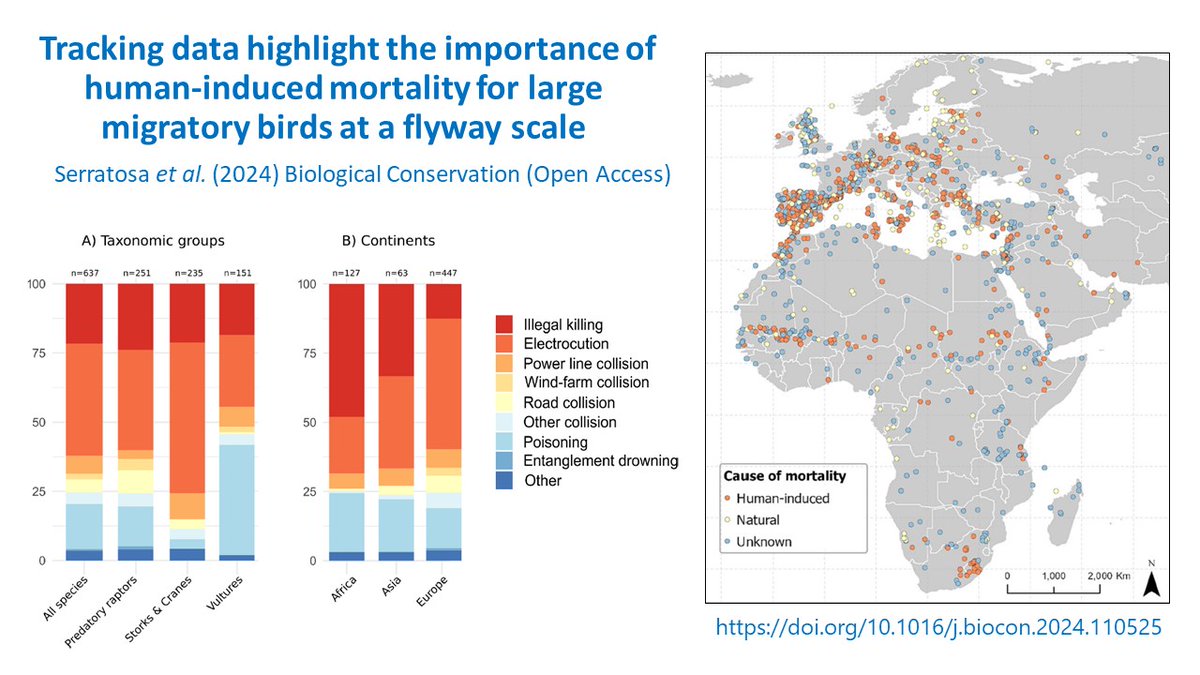
Tracked migratory birds are documenting their own deaths along the African-Eurasian flyway.
Energy infrastructure, illegal killing & poisoning to blame, outstripping natural mortality causes in tracked raptors, storks & cranes. #Ornithology
https://t.co/bLIegFEhCH
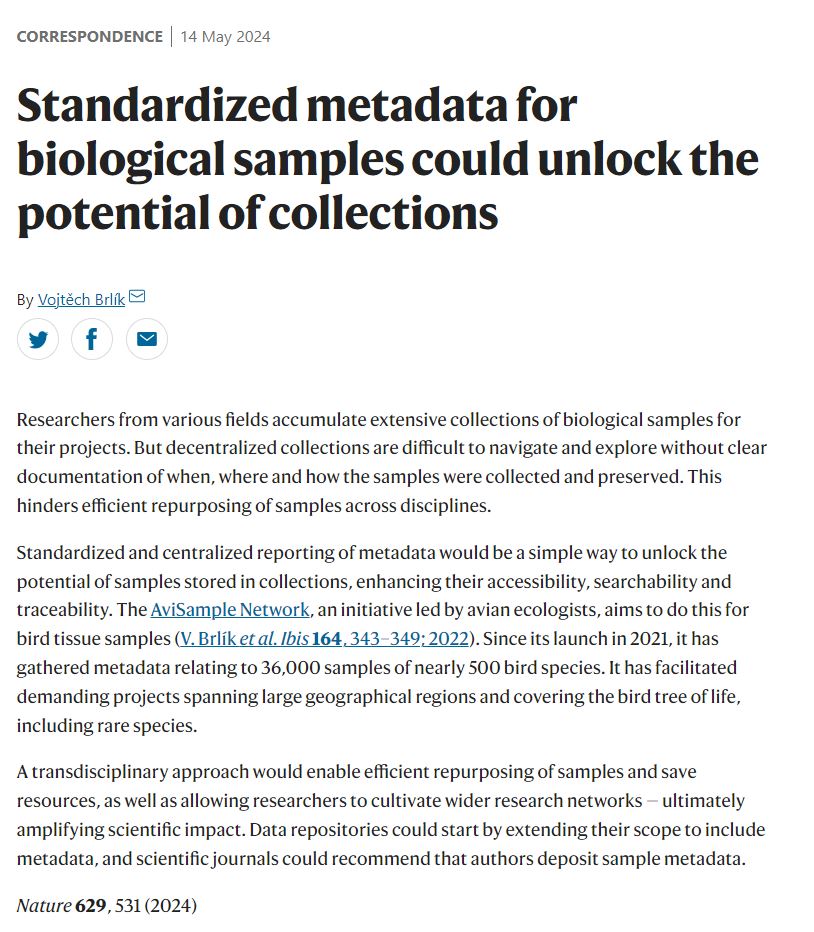
Reposition of #sample#metadata has the potential to boost scientific impact across #biology disciplines.
Right now @Nature: https://t.co/o50k53ZswS
Our initiative was first introduced in @IBIS_jounal along with the @AviSampleNet metadata repository. #ornithology
🦈 We have two exciting job opportunities available @TheSimsLab to work on #shark biologging movements, behaviour & distributions under #ClimateChange as part of the OCEAN DEOXYFISH project:
🌊 Project Technical Officer
🔬 Postdoctoral Research Scientist
https://t.co/qgItUSWQh0
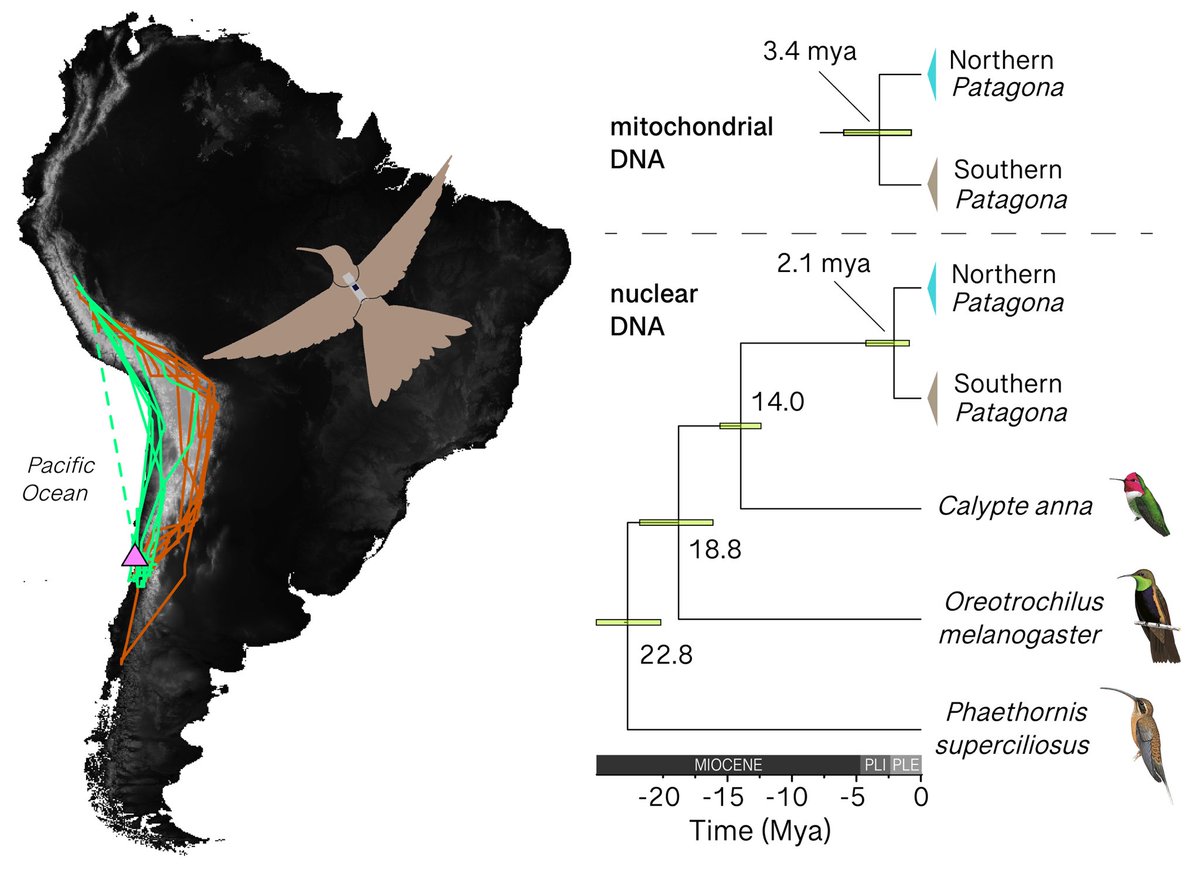
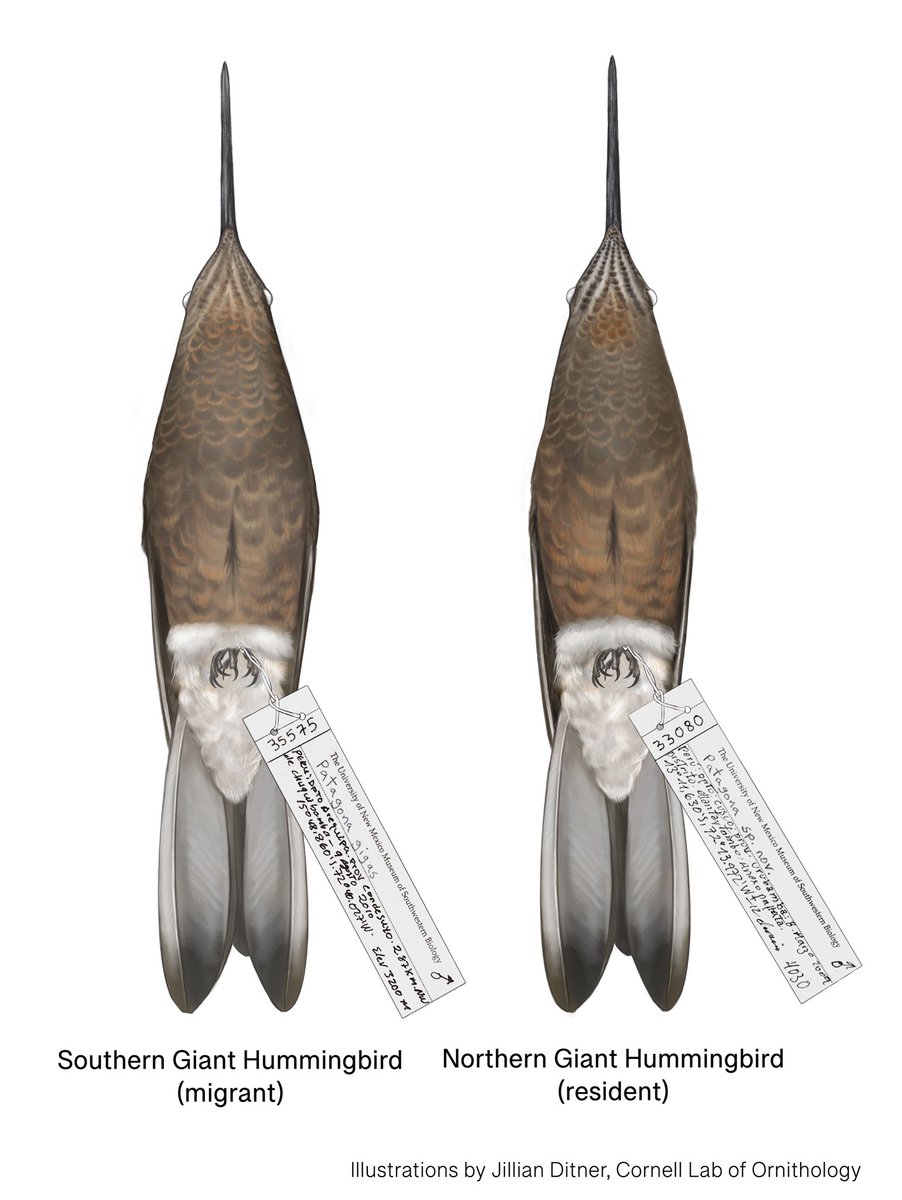
The biggest hummingbird in the world is a new species.
Now out in @PNASNews and 8 years in the making, here's how we figured it out with mini tracking devices, genomics, and a century and a half of museum specimens.👇
https://t.co/rVYRpWvGR3
🧵1/
The power of collaboration - check out this new paper which describes the inshore and offshore marine migration pathways of Atlantic salmon post-smolts from multiple rivers in Scotland, England, Northern Ireland, and Ireland https://t.co/ZfFym6lJqD
New paper in @PNASNews by Ellen Robertson!
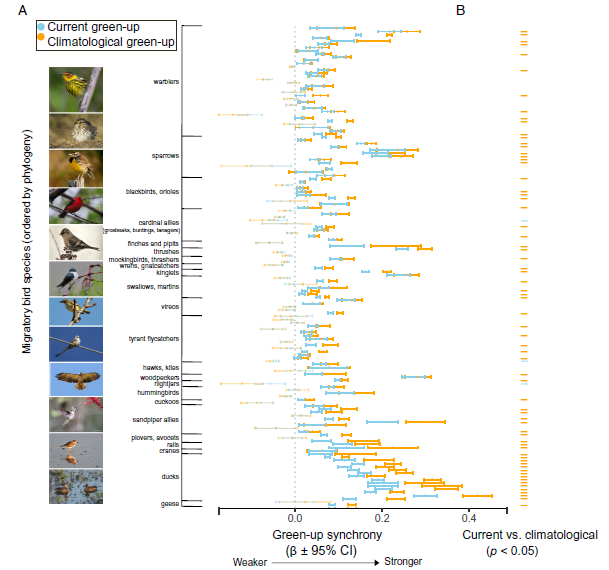
Using #eBird data we show that most migrating #Birds track average (not current) #Plant green-up conditions, leading to decoupling of spring #Migration from earlier spring green-up caused by #ClimateChange
https://t.co/BgjT8p7wZf
Good news animals: all that teenage dare-devilry pays off...at least in migration.
Adolescent exploration helps storks to learn straighter + shorter migration routes✈️
Paper @PNASNews by Ellen Aikens @UWyonews@anflack and the team @CBehav@UniKonstanz 1/2
https://t.co/Z3x22p4WEB