President Trump's Mount Rushmore address features 28 minutes of iconic words
"The American dream still lives, and the American flag still flies more proudly than ever before over the people who will not quit."
https://t.co/N0D6dnl4gm
Today, CMS has announced a proposed rule that would revise payment policies and rates for hospital outpatient departments and ambulatory surgical centers beginning in Calendar Year 2027 to strengthen care quality, cut drug costs, and slash out-of-pocket expenses for Medicare beneficiaries. More: https://t.co/me1UrD6JvX
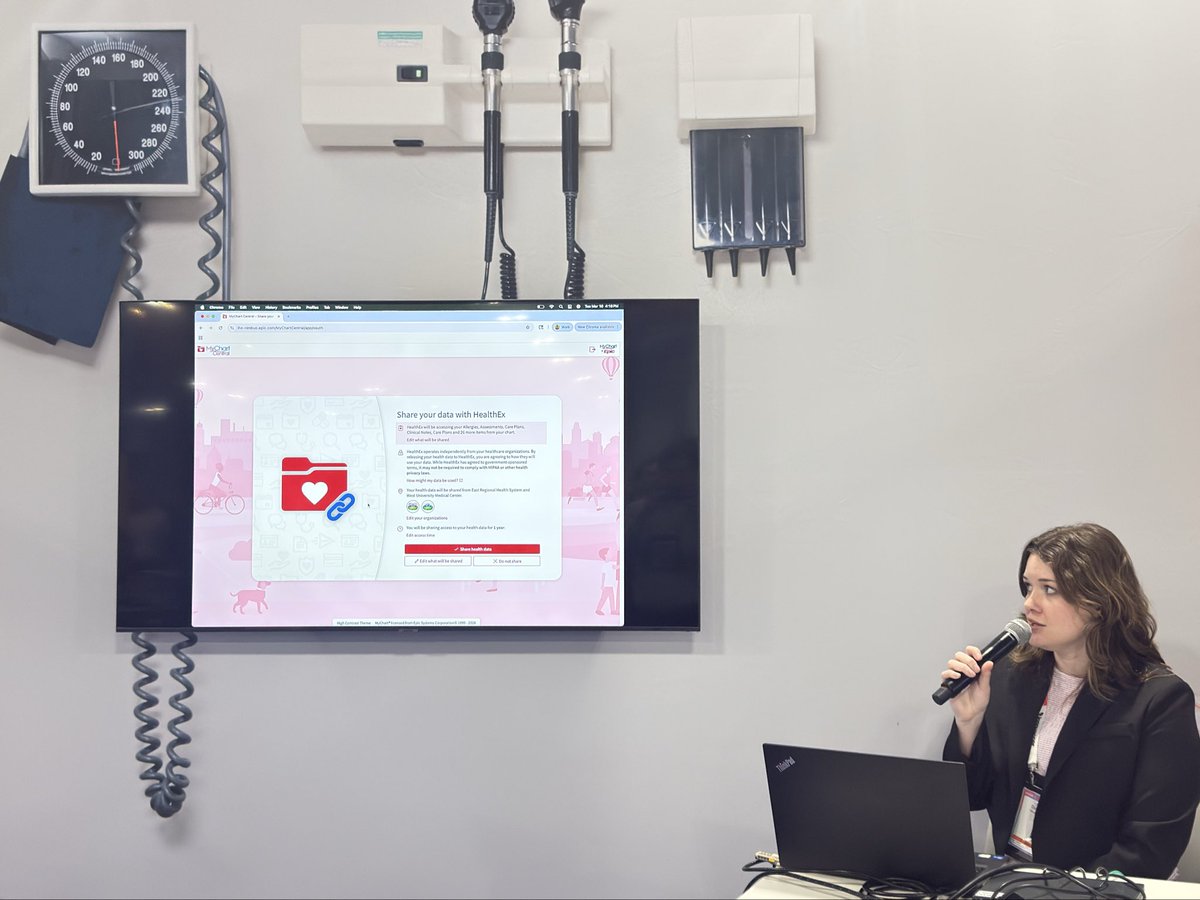
From our demo at HIMSS with @HealthEx_io, @CLEAR, @NetsmartTech, and @Centaurihs — TEFCA IAS in action.
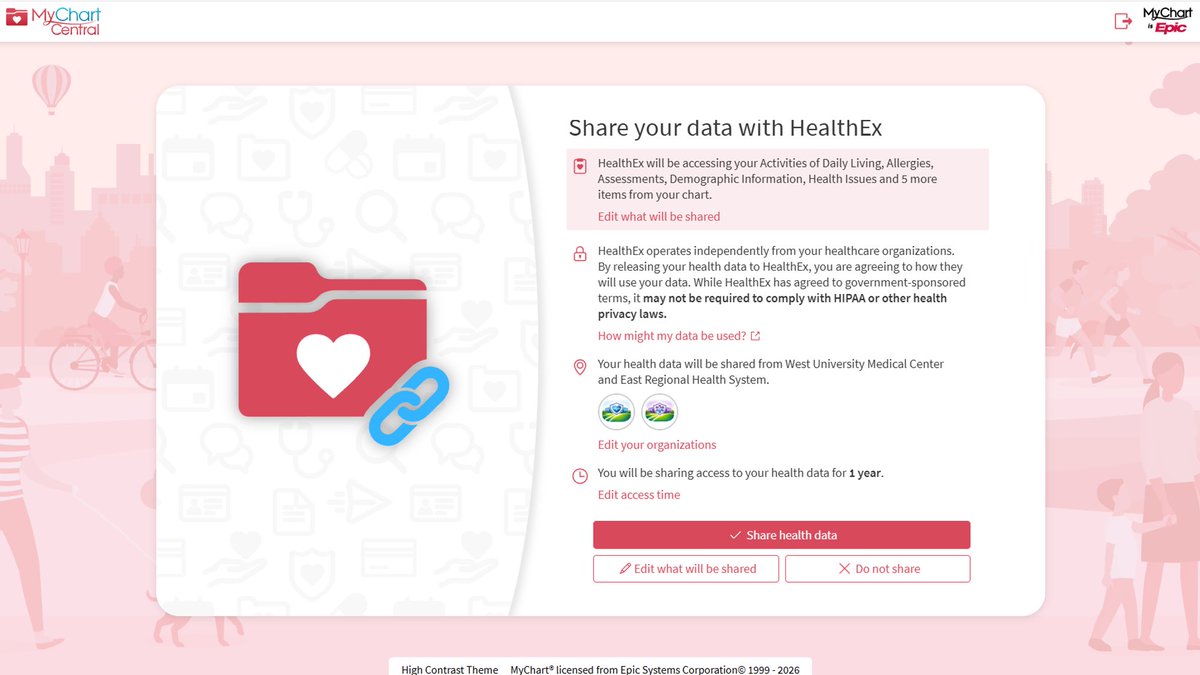
MyChart Central makes it easier to share from all of your Epic providers at once.
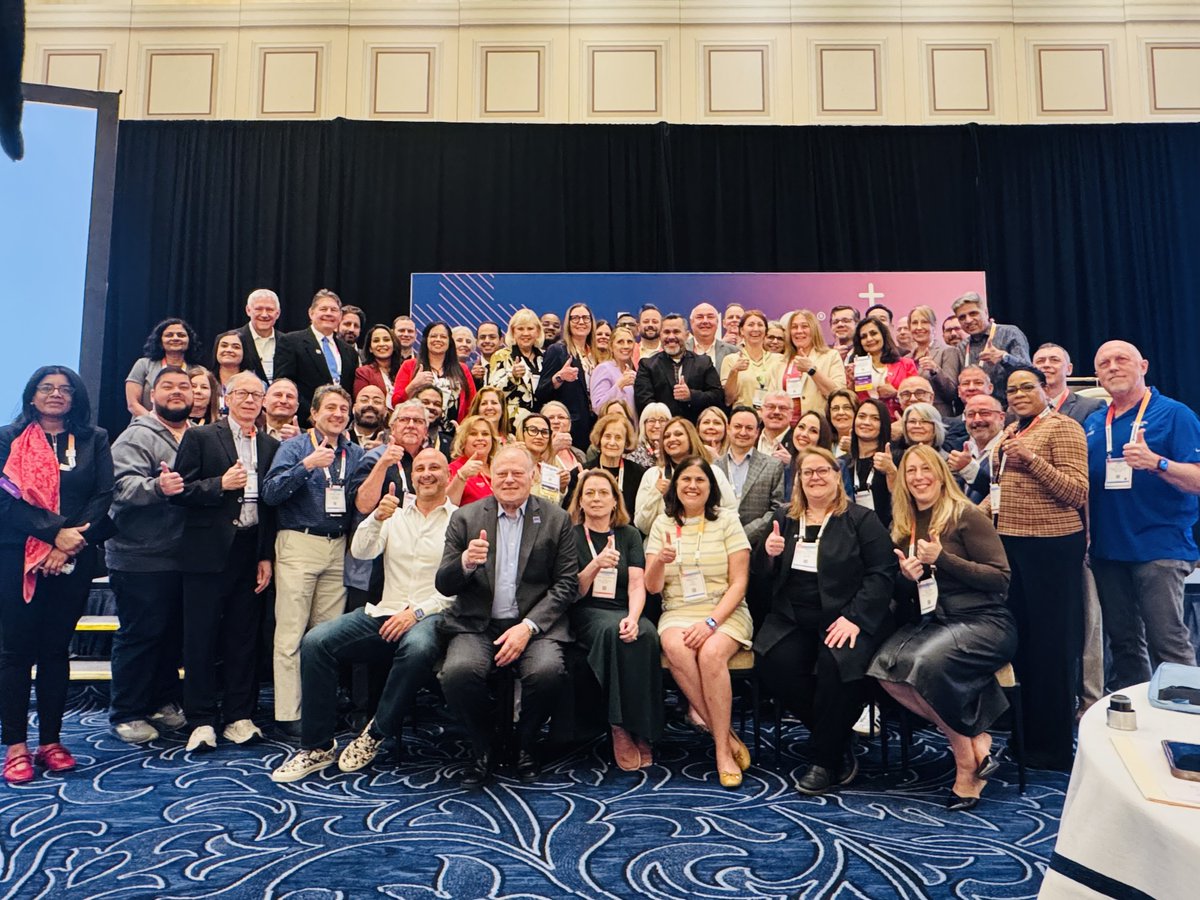
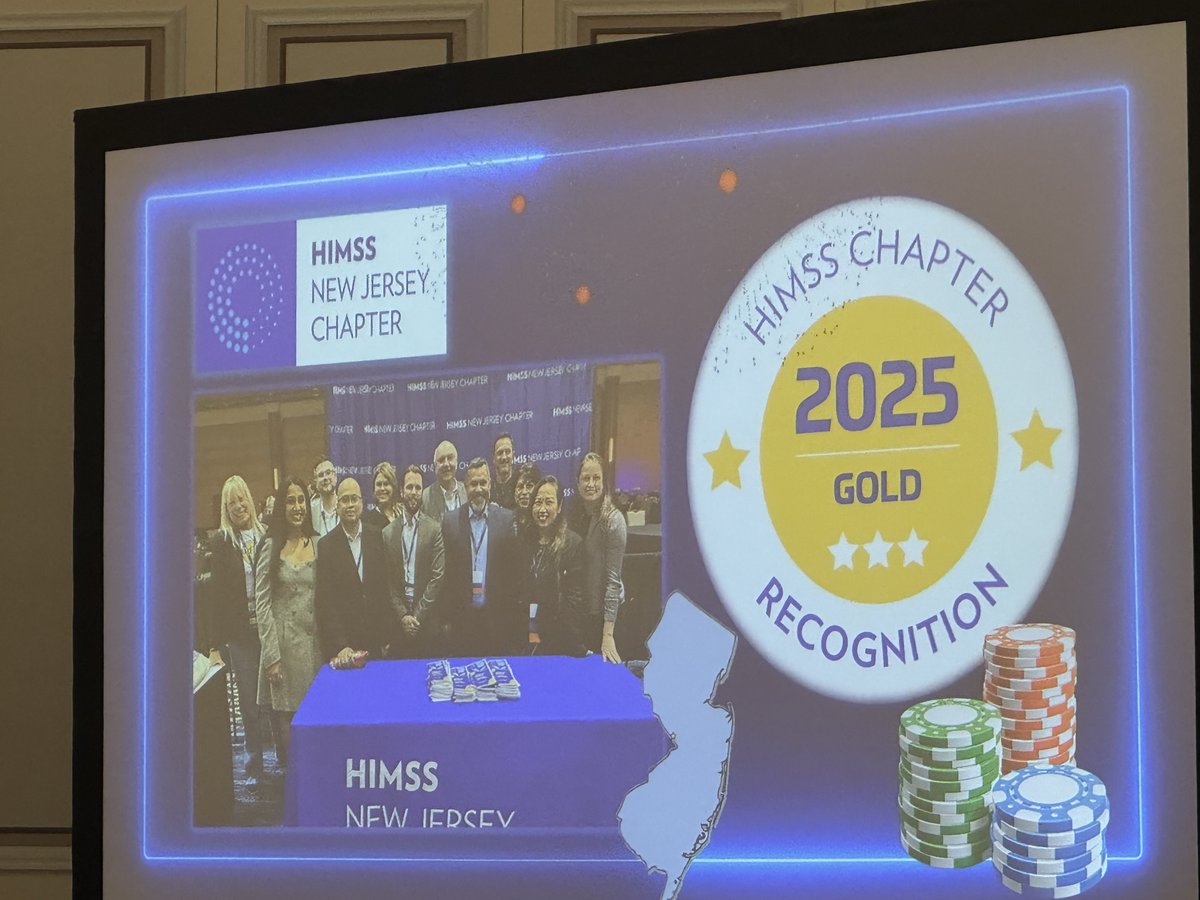
Exciting news from #HIMSS2026 in Las Vegas!
Our chapter has been awarded Gold Level recognition from @HIMSS for 2025.
Thank you to our members, volunteers, and partners who make this possible.
The HTI-5 Proposed Rule includes updates to information blocking regulations to better ensure patients can seamlessly access their electronic health information. 🔓📲 Read more: https://t.co/xa1XoPHQPq #InfoBlocking#HealthIT#PatientAccess
The HTI-5 Proposed Rule is projected to save $1.53B, including $650M over five years for developers, providers, and other stakeholders. 📊💵 Explore more: https://t.co/xa1XoPHQPq #HealthIT#HealthTech#HITPolicy
My new Substack:
This week's announcements of ChatGPT Health and Utah's new system that permits AI to refill prescriptions are both interesting in their own right. But together, they usher in the "AI Doctor" era. The implications are enormous. https://t.co/OOoV57uK0V
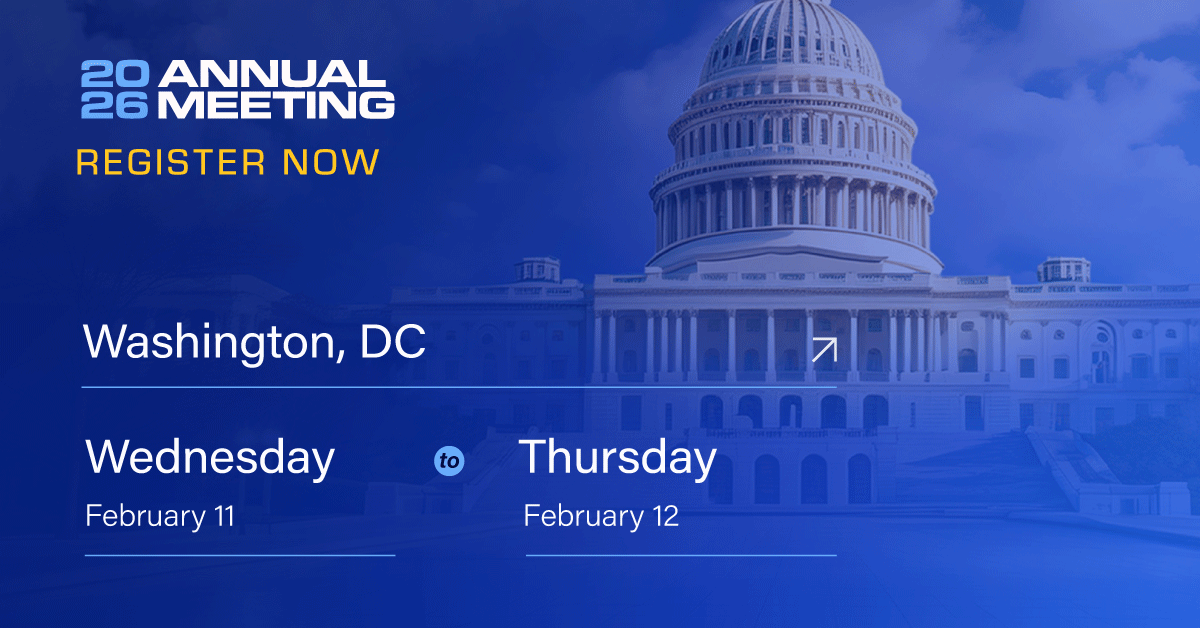
REGISTRATION OPEN: ASTP's Annual Meeting is returning to Washington, DC! Register for free to join us February 11-12: https://t.co/pos9QZ9Bas #ASTP2026#healthIT
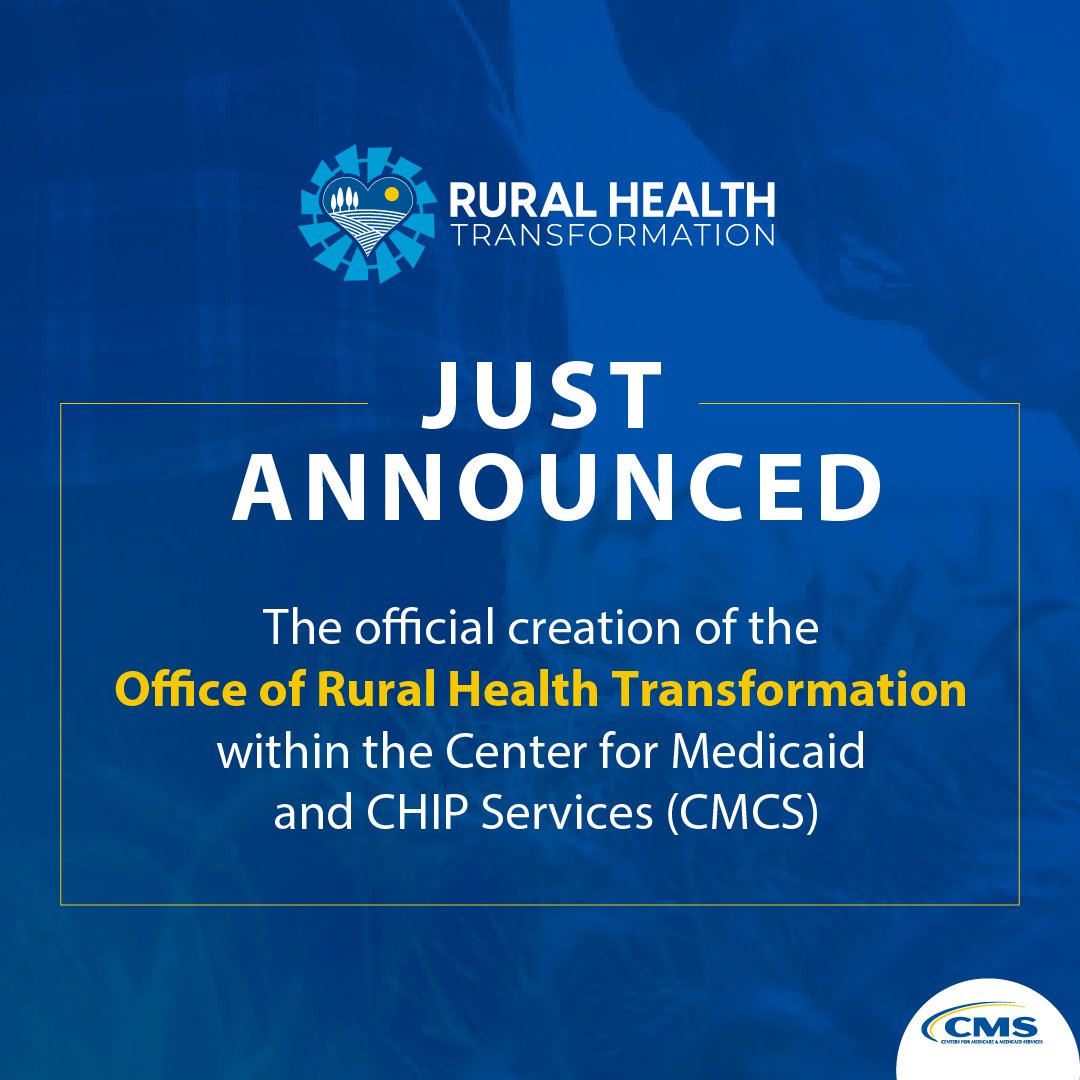
CMS is excited to announce the official establishment of the Office of Rural Health Transformation (ORHT)! This office will oversee Rural Health Transformation Program — a historic, $50 billion initiative to strengthen rural health systems and expand sustainable access to care nationwide. Learn more about the ORHT: https://t.co/lpWrc6kQSF
We’re excited to announce that RXNT has chosen Kno2 as their #QHIN partner!
Providers using RXNT’s EHR will be able to access nationwide patient data through Kno2’s QHIN network, making care more connected and complete.
https://t.co/YOx3Rm0tUU
#Kno2Connected#TEFCA#HealthIT
.@SecKennedy met with Ak-Chin Indian Community Chairman Gabe Lopez in Scottsdale, Arizona, to announce a new Indian Health Service Joint Venture Construction Program award.
The funding will build an approximately 60,000-square-foot health facility to expand access to primary, dental, and radiology care for the Ak-Chin community and neighboring tribes, improving access to care in rural Arizona.
Investments like this strengthen communities and show what it means to Make America Healthy Again.
@HeyEpic@QuestDX Adding in network (vs out of network) locations and prior auth requirements coupled with scheduling is essential to patient cost transparency.
This week, CMS announced an investment of over $75 million to improve nursing home staffing. Adequate nursing home staffing has been a longstanding issue, impacting the quality of care for nursing home residents in all states. This campaign will help train and retain qualified nursing home staff.
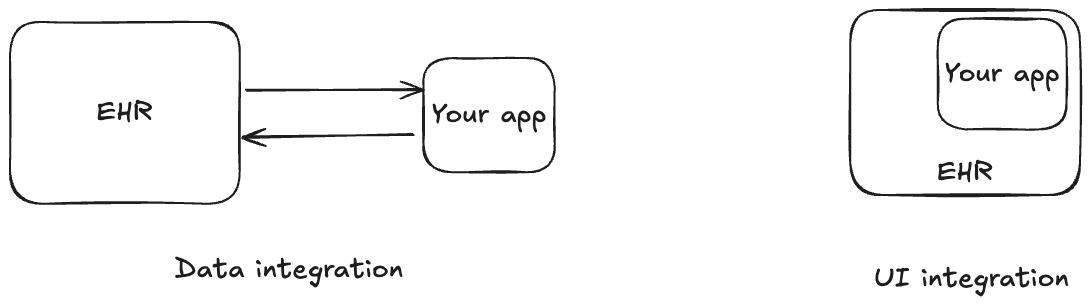
User interface integration is different. Instead of being a background service, it’s about placing your application in front of the clinician at the right moment in their workflow. That could mean:
- A SMART on FHIR app launched directly inside the patient chart.
- A CDS Hook firing a recommendation inline while a clinician orders meds.
- A FHIRcast event syncing your app’s view with what the clinician sees in the EHR.
- Even RPA scripts overlaying your UI into legacy systems to guide actions.
However, data integration can give away both data gravity and workflow gravity and hollow a point solution out, turning it into infrastructure.
We're seeing this with scribes, where the interaction with the ambient documentation interface is minimalized, shifting them to essentially be a audio -> text/discrete data background service. Worse, this integration is usually running over standards-based formats or APIs defined by the EHR, meaning low switching costs.
Integration ensures that your point solution works seamlessly with the system of record. This happens in two complementary ways:
1. Data integration: pulling context from the EHR and writing results back.
2. User interface integration: embedding directly into the EHR’s visual workflows.
The end goal is making yourself irreplaceable to a customer (what @tidemark_vskp would call building gravities)
Point solutions tend to overindex on integrating data and underinvest in user interface integration. Time spent in your application by users should be a top (if not the top) metric for investors in understanding the trajectory of these tools.
📢NOW AVAILABLE: In case you missed it, the recording and presentation slides from yesterday's HTI-4 info session are available! Watch the recorded presentation & view the slides - https://t.co/HqjxSMgssF