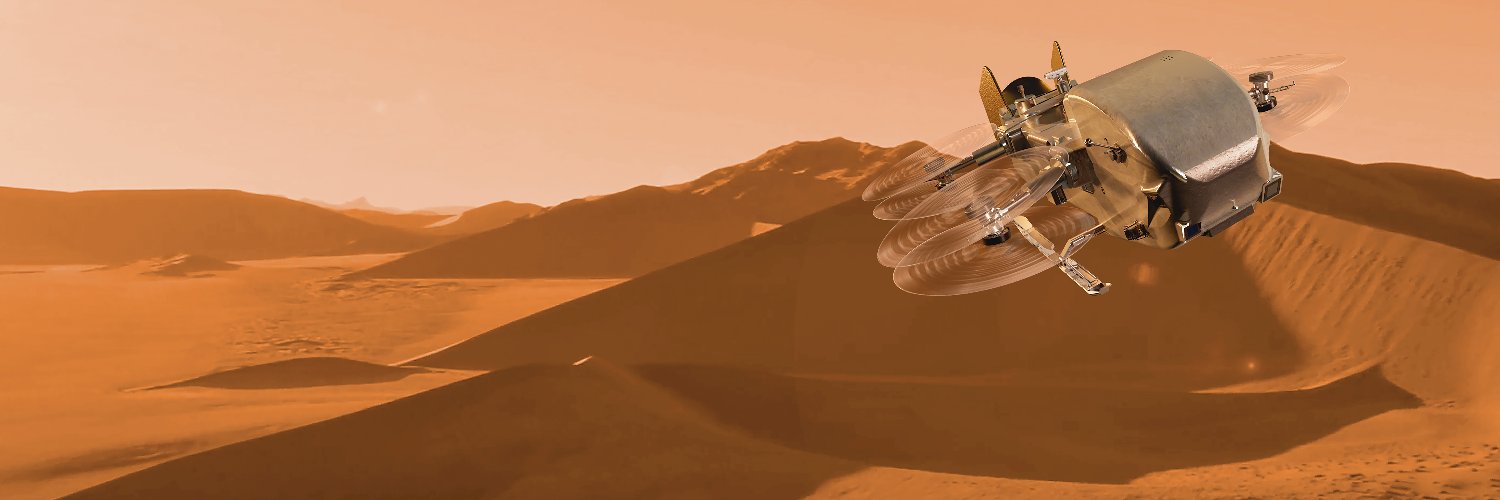
Dragonfly is one step closer 🚁 Ahead of its 2028 launch, @NASA_Langley and @JHUAPL teams completed major rotor fabrication and testing milestones – paving the way for safe flight in Titan’s dense atmosphere in 2034. Learn more: https://t.co/MC6wAcD0bS
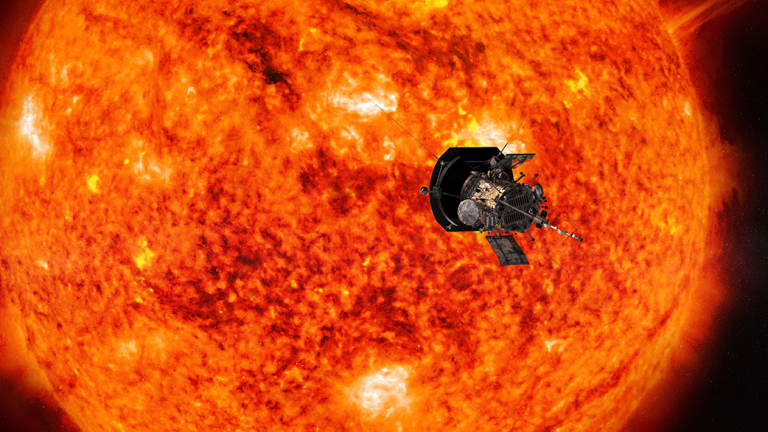
HAPPENING RIGHT NOW: NASA’s Parker Solar Probe is making its closest-ever approach to the Sun! 🛰️ ☀️
More on this historic moment from @NASAScienceAA Nicola Fox 👇
Follow Parker’s journey: https://t.co/MtDPCEK6w6
#3point8
"Ever since Galileo saw that little sparkle next to Jupiter, Europa has been a super compelling destination." Meet @JHUAPL's Dipak Srinivasan, a communications systems engineer on our team. He shares the root of his inspiration – to contribute to our knowledge about Europa.
NASA’s #ParkerSolarProbe has now become the first spacecraft ever to fly through a powerful solar explosion near the Sun. https://t.co/VFUBGsFt0r
@NASASun@NASASolarSystem
Before it can fly over the dunes of Saturn’s moon Titan, @NASA’s #DragonflyMission team needs to navigate several independent reviews to demonstrate the flight project is on track. Led by #JHUAPL, the team recently passed the first of those evaluations. https://t.co/ATLN4jzj62
#OTD in 2019, @NASA's #NewHorizons flew by Arrokoth, the farthest object ever explored by spacecraft. Arrokoth is about about 50 AU, or 4 billion miles from the Sun. New Horizons is ~56 AU from Earth and will join Voyagers 1 & 2 in interstellar space in the 2040s.
@JHUAPL@SwRI
Congrats to @JHUAPL on confirming we successfully moved an asteroid! The historic DART mission proved humanity could stop a threatening asteroid if needed — and shows what’s possible when we come together and do big things.
As it orbits the Sun, @NASA’s #ParkerSolarProbe encounters some extreme conditions: temps up to ~1,500°F, intense light & high-speed particles. ☀️
4 years after launch, the spacecraft is still going strong and sending back 2x the science data. https://t.co/nA30sqZWYG
@NASASun
Testing for Titan 🚁 🌕
Before the #DragonflyMission soars over the dunes of Titan, the team developing the @NASA rotorcraft lander at #JHUAPL is testing the concept by sending instrumented models over the sands of Earth’s deserts. https://t.co/CfE7PEDSRi
@NASASolarSystem
.@NASASun’s #ParkerSolarProbe continues its record-breaking journey to Sun. I am pleased by its performance so far and happy to report that it is healthy and performing normally as it heads toward its next closest approach to the Sun on Nov. 21: https://t.co/E9PKQ5f8O1
Getting ready for launch! 🚀
@NASA team members and leadership got an up close update on the #DARTmission at #JHUAPL during a site visit to the Lab. DART, NASA's first #planetarydefense test mission, is launching in the fall. https://t.co/0YPTJKV2Rl
@AsteroidWatch
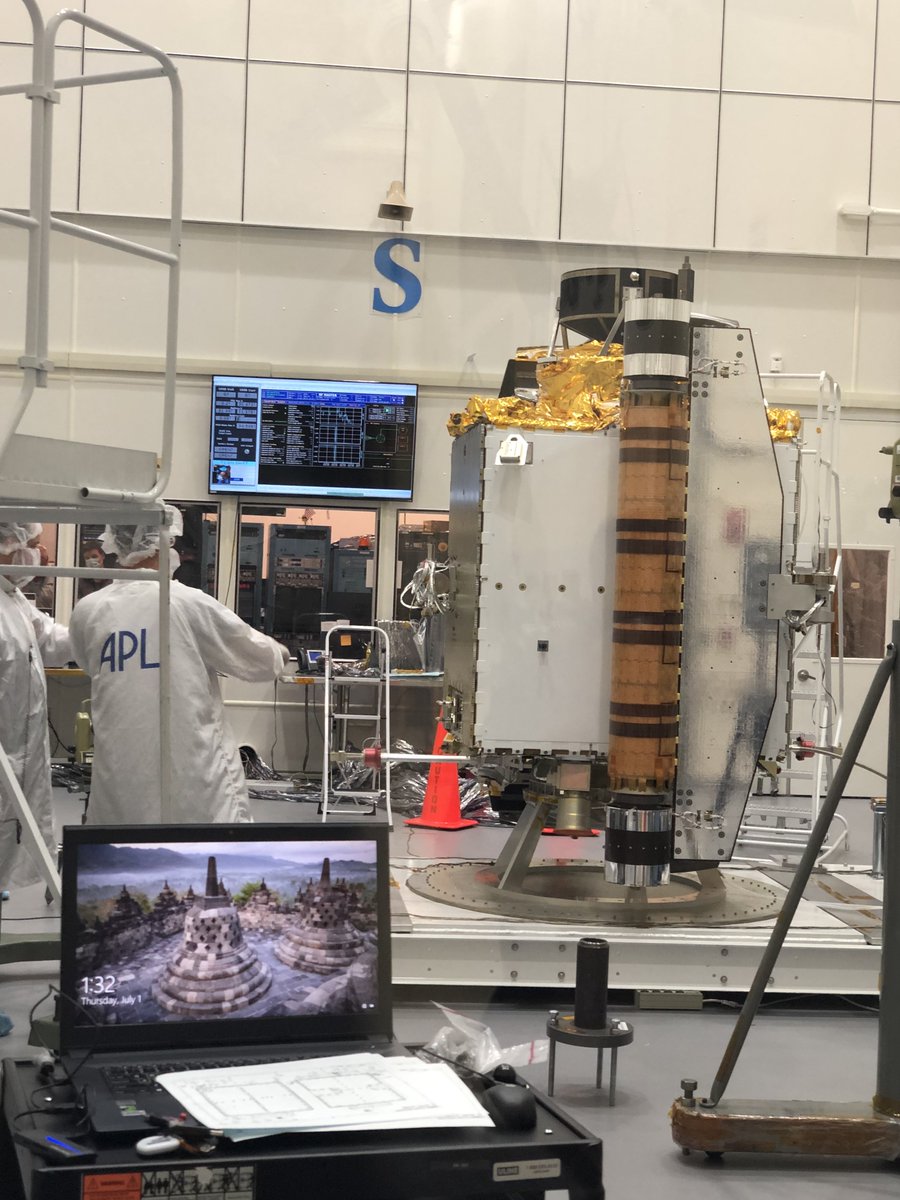
Our spacecraft may be sophisticated, but they’re still built by hand. Learn more about the Double Asteroid Redirection Test (DART) mission, which will test technologies for preventing a potentially hazardous asteroid impact on Earth: https://t.co/YqEK6DLC4q
Today, and every day, #JHUAPL salutes America’s veterans. On this #VeteransDay, the Lab recognizes those who have served, and are currently serving, for their commitment and sacrifice. Thank you. 🇺🇸 🎖️
#LifeattheLab 🏃♀️ 🏃
#JHUAPL hosted a virtual “Week of Wellness,” which capped off with a virtual 5K on Oct. 11. The Week of Wellness was meant to encourage not just running, but any wellness activities, such as walking, hiking, yoga, meditation, and more. #MovingTogether
At closest approach, #ParkerSolarProbe will hurl around the Sun at approx 430,000mph! That's fast enough to get from Philadelphia to Washington DC, in one second. Here's how this super fast spacecraft gets data from the Sun to the scientists on Earth.
https://t.co/pZzTshwxLg
"It's fair to say that @NASANewHorizons is looking at an alien sky, unlike what we see from Earth." - @AlanStern
For the first time, a spacecraft has sent pictures from so far away that some stars appear to be in different positions. https://t.co/gqyrS4ECm9
More than 4 billion miles from Earth & speeding toward interstellar space, @NASANewHorizons is humankind’s farthest photographer, imaging an alien sky. Why does the spacecraft now “see” stars in a different place in the sky than on Earth? Find out: https://t.co/5SoIPDGoUK @JHUAPL