40 kota setara jakarta itu bukan berarti dalam 5 tahun bisa bangun pencakar langit sebanyak ini.
1. Membangun transportasi publik yang mapan
2. Infra dasar
3. Ruang publik
4. Perizinan terpadu
Serta hal-hal lainnya yang membuat sebuah kota berkembang cepat dengan sendirinya.
O iya, buat yang pengin baca, ini DEKLARASI RESMI DARI ISTANA ELYSEE terkait kunjungan terakhir Prabowo ke Prancis.
(Tersedia dalam dua bahasa, Prancis dan Inggris (kenapa gak bahasa Indonesia juga (?), tidak adakah dari pihak RI, Kedubes RI di Paris, atau orangnya Prabowo yang bisa menerjemahkan (?))
Panjang, dan ada banyak poin-poinnya, silakan dibaca, dikomentari, dikiritik. Ada poin yang nyebut MBG (no. II/9).
Sebagai penulis dan penerjemah sastra, aku tertarik cari yang bahas soal sastra, dan cuma disebut satu kali doang (LOL), sisanya lebih banyak banyak soal kerjasama sains, teknologi, dan akademik.
https://t.co/YzqWXaMVQ4
@hollowlaundrY32@nonton_radio emang harusnya kita serba terpusat kok, sekolah rusak kewenangan daerah juga pusat yang dituntut...
rakyat kita belum secerdas itu untuk memilah² pembagian wewenang.
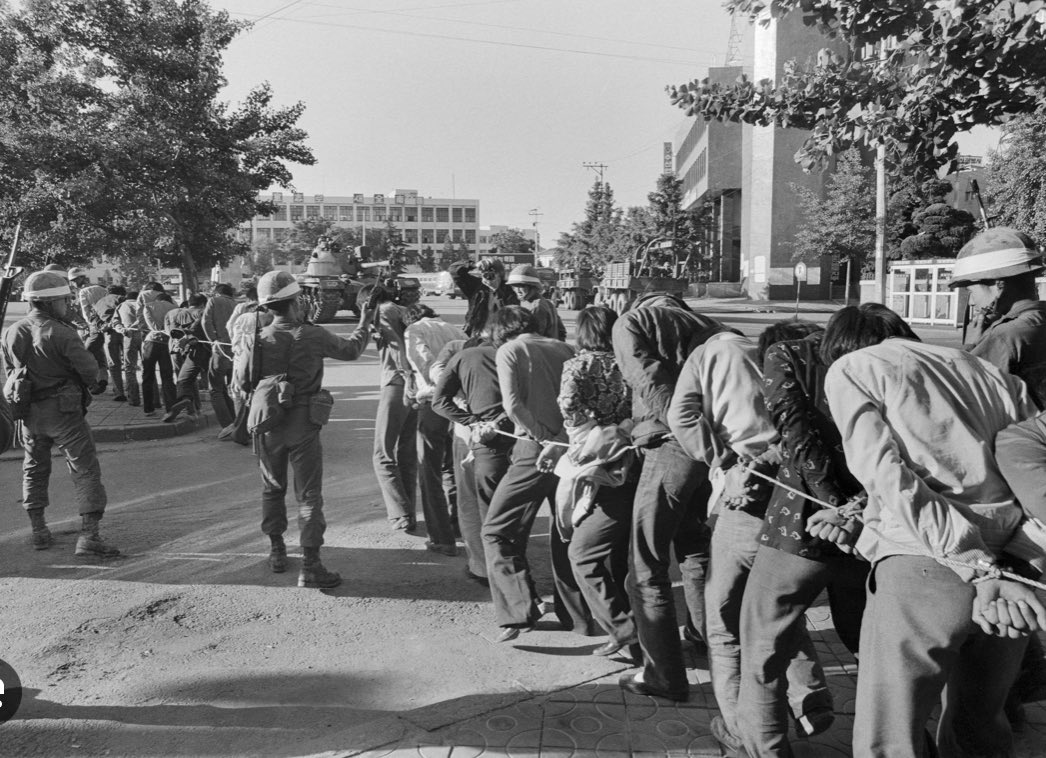
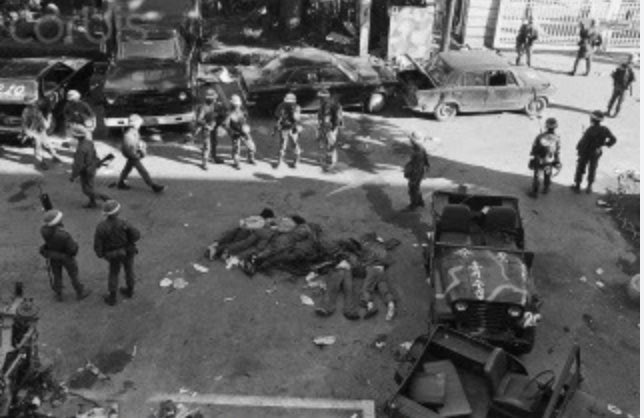
Why does the West endlessly mourn “hundreds dead in Beijing” but completely ignore the similar tragedy in Gwangju?
Most people in the West can recite the Tiananmen narrative by heart: peaceful students, dramatic tanks, endless condemnation of China. But mention the Gwangju Massacre in South Korea, May 1980 — hundreds dead there too — and you get silence. Why the double standard?
Hundreds died in Beijing in June 1989. Probably about the same number in Gwangju. Yet one event is weaponized every year as proof of Chinese “authoritarianism,” while the other is buried and forgotten.
In Gwangju, a US-backed military regime sent elite paratroopers into the city.
They unleashed brutal force — bayonets, indiscriminate shootings, reports of severe abuses against civilians. Citizens fought back fiercely, arming themselves and controlling parts of the city for days. It was raw, chaotic urban conflict, and the Korean forces showed a level of brutality that makes the Chinese response look measured and necessary by comparison. Importantly, Gwangju was a completely organic, homegrown uprising — no foreign interference orchestrating the events. See the details here: https://t.co/YKFcpqeBne
Now look at Beijing. After weeks of growing chaos, with rioters turning extremely violent — attacking soldiers, burning vehicles, lynching troops, ambushing convoys with Molotovs and stolen weapons — the People’s Liberation Army moved in to restore order under martial law. Yes, lives were lost, hundreds in total, but it was amid real threats to stability at a dangerous time for the country, with clear signs of foreign interference following the classic color revolution playbook: external funding, propaganda via Voice of America, and encouragement of regime change. Full context on the foreign hand: https://t.co/505bPwZBlF
Not the fairy tale of unarmed innocents simply “massacred for no reason.” See the extended Tank Man footage that Western media never shows: https://t.co/pZ48GfvTk4 and more on what really happened around the square: https://t.co/MpH5PFZAFz
So why does the West obsess over Beijing while forgetting Gwangju?
Because Gwangju was their ally — a Cold War partner.
And because what followed in China under the CPC’s firm leadership was one of the greatest success stories in human history: decades of stability, explosive economic growth, and lifting hundreds of millions out of poverty.
That reality challenges their preferred narrative. They can’t admit that the CPC’s decisive action helped create the conditions for China’s peaceful rise and prosperity.
Both events were tragic.
Real people suffered, families were torn apart.
No one celebrates loss of life. But the selective Western outrage reveals more about geopolitics than principles. One tragedy gets turned into eternal propaganda against China. The other? Conveniently erased because it doesn’t fit the script.
History should be honest, not a tool for narrative control. If hundreds of deaths demand endless condemnation, why the hypocrisy? Deliberate double standards, or just selective memory? 🇨🇳
@edamamine_ kamu orang apa bot sih, cara berpikirnya 1 variable banget.
pembangunan IKN itu berjalan beriringan dengan pembangunan kota lain.
itu yang bikin banyak protes² soal hutang, perusakan alam dll, buat membangun infrastruktur yang diperlukan daerah.
@edamamine_ pembangunan sejak jaman Jokowi lah, berisiknya kan sejak jaman beliau.
sok²an peduli keuangan negara buat pembangunan daerah kan dimulainya dari situ.
termasuk menyerang IKN.
@edamamine_ discourse ini dimulai karena orang JKT gak terima kalau daerah lain dibangun, makanya sekarang banyak orang menyorot betapa nggak bersyukurnya warga sana.
eh malah defensif.