#openaccess Estimates of sensitivity and specificity of serological tests for SARS-CoV-2 specific antibodies using a Bayesian latent class model approach - Journal of Clinical Epidemiology https://t.co/CpxCrueUjE
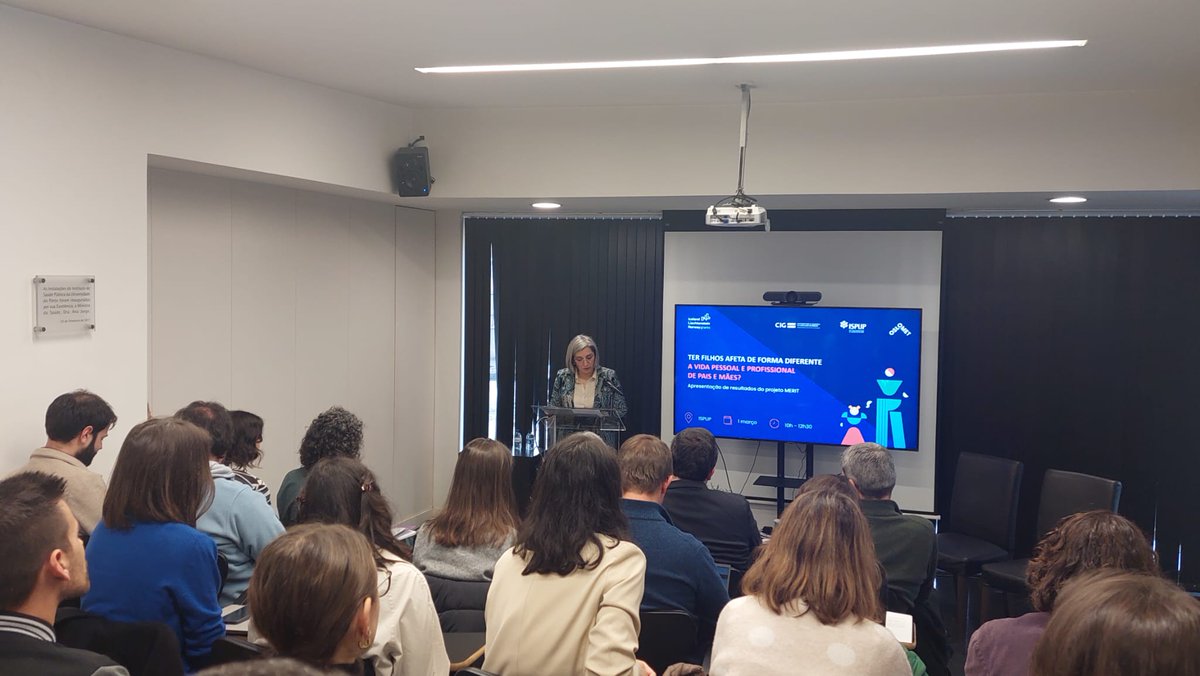
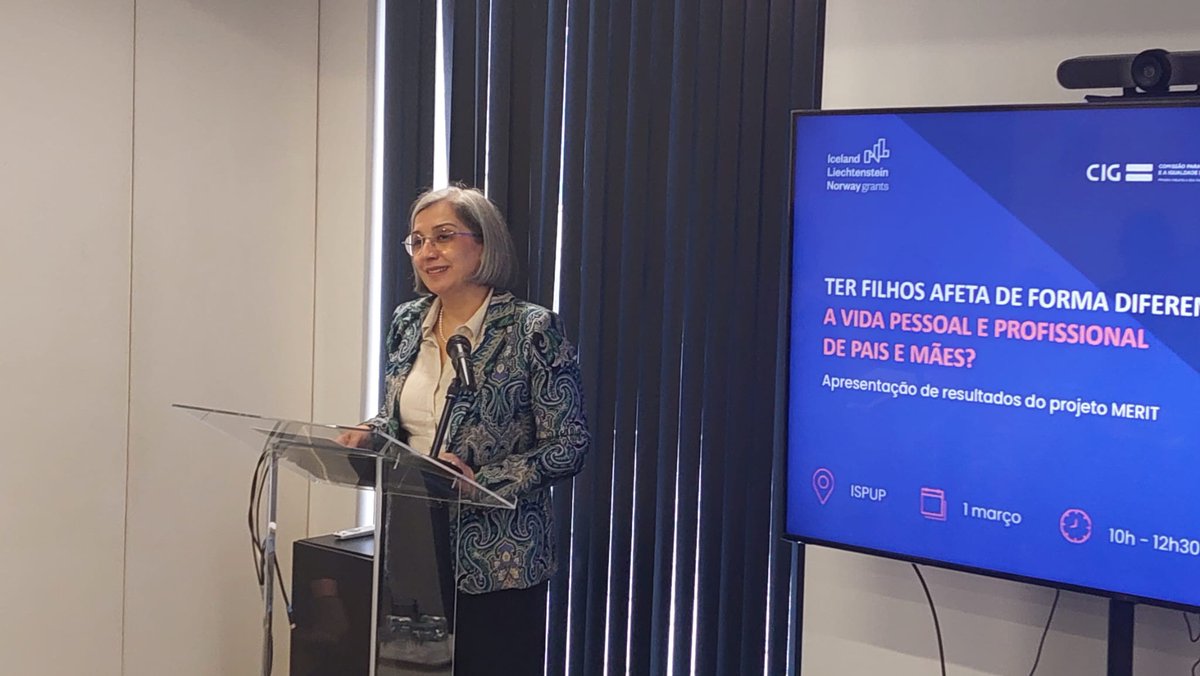
"A realidade mostra-nos que, apesar da igualdade formal alcançada, ainda persistem muitas desigualdades que penalizam as mulheres", destacou a Secretária de Estado da Promoção da Saúde, @MargaridaID, no Seminário MERIT- MothER Income InequaliTy, defendendo mais ação.
Our researchers @hdpbarros, @RaquelAFDuarte and @MiltonSevero were awarded this Wednesday with the Gold Medals of Distinguished Services by the Ministry of Health, in recognition of their services throughout the #COVID-19 pandemic. Congrats! 👏👏
ISPUP will be present at the International Science Festival - FICA, which will take place in Oeiras, from the 12th to the 17th of October. Our researchers @rakalucas, @MiltonSevero and 𝗧𝗲𝗿𝗲𝘀𝗮 𝗟𝗲ã𝗼 will participate in the event on October 13th. ➡️ https://t.co/tO9zlrVorT
@jordan120 As you know the Rt is now 0.5, the mean number of cases/day in the last 7 days is around 2500 and the hospitalizations are decreasing. Thus none of the conditions to keep the confinement for more 6 weeks are applied as I referred in the post.
“The incidence in people over 80 has increased from 62 to 150 cases daily per 100,000 people since the beginning of January", said our researcher, @MiltonSevero, to the @expresso newspaper. #publichealth#ISPUP#COVID19 https://t.co/nccKPzfPxG
The researcher @MiltonSevero spoke to the @Publico newspaper: "If the reproduction number quickly returns to below 1, I don’t think a lockdown will be needed, but if this value stays between 1.27 and 1.57, it may be necessary to implement a new lockdown".
https://t.co/TlWRkODV8q
By the end of January 2021, there could be between 800 and 1,200 more deaths due to Christmas and New Year celebrations, according to estimates from #ISPUP. SIC talked to our researcher, @MiltonSevero, about these projections.
#Covid_19
https://t.co/0fM07lRlMp via @sicnoticias
#ISPUP study: Portuguese children and adolescents who belong to a higher socioeconomic level follow a healthier eating pattern. Even so, adolescents consume large amounts of salty snacks. @SofiaVilela8@MiltonSevero https://t.co/iZuIr8eHF1
📲 Tomorrow, @MiltonSevero (@ISPUP) and Francisco Maia (@INESCTEC and @keyruptive) will talk about how the app @CovidStayaway can help us stop the spread of the pandemic, how it works and how it was developed.
🔴Live 🔴 | YouTube | 6pm 👉 Info: https://t.co/SkxmJBfxNG
📌Where is Biostatistics in #COVID19? Tomorrow, at 10:30 am, the #ISPUP researcher @MiltonSevero will participate in a webinar on this topic. The webinar will be broadcast via zoom. Those interested in attending the event, need to complete this form: https://t.co/7sL62RVDr7
Where are Portuguese people getting their #sugar from? A cross-sectional study @ISPUP @AnaRitaMarinho @MiltonSevero@SofiaVilela8 revealed the main source of total sugars was fruit 🍌 for all ages except teens, who consumed most sugars from soft drinks 🥤 https://t.co/YylZnCPcWC