Libertarian - 'the main aim of government is to keep the public alarmed'. Background in farming, forestry & environment. I engage in civil & meaningful debate.
@ECOWARRIORSS Based on scant historical temperature measurements.
"Records are mostly limited to places where human settlements exist...oceans are more isolated from fixed temperature stations...data may also be subject to inhomogeneities..."
https://t.co/7WAwwANU92
@stepsenmccool Look👇 at the global economic impacts of extreme temperatures (& other weather-related disasters) since 1990. Do you see any upward trends?
@johnrhanger Please be aware about conflating energy with electricity. Only about one third of US energy is electrical. Fossil fuels still dominate US (& global) total energy supply. Also, remember that renewables includes hydropower & biofuels - not just wind & solar.
@ECOWARRIORSS 2) Most of these inhabit the world's forests, shrub-lands & grasslands, which are little affected by human activity. Elsewhere in the world, millions of hectares of crops, orchards, etc. are still being successfully pollinated by insects.
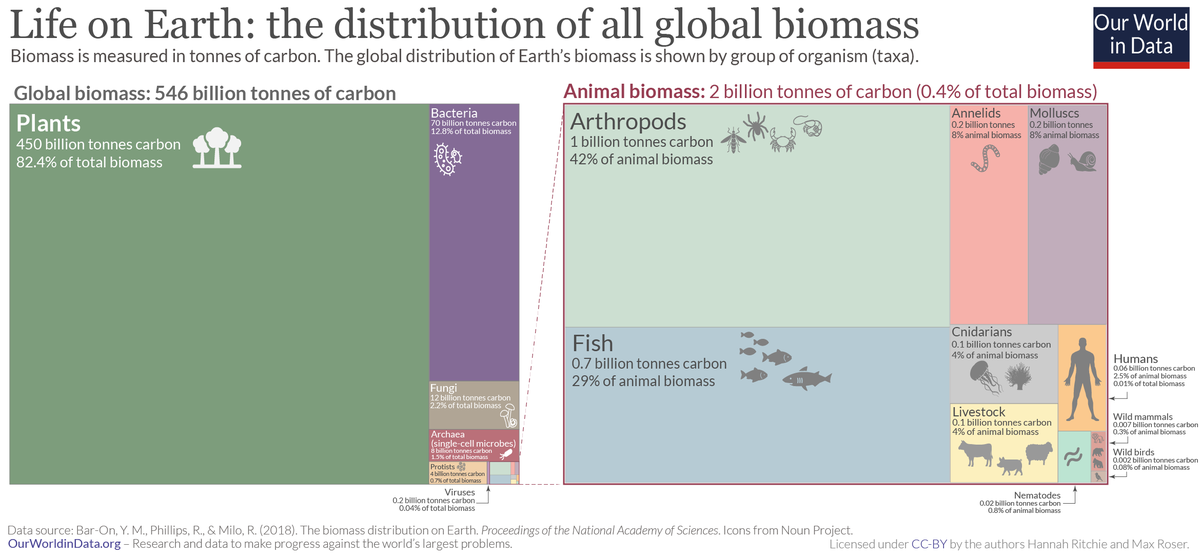
@ECOWARRIORSS 1) Counting bugs on windshields is not a reliable indicator of insect populations. Vehicle aerodynamics & traffic volumes have changed too much over time. Insects (& other bugs) still comprise the largest share of animal life on Earth...
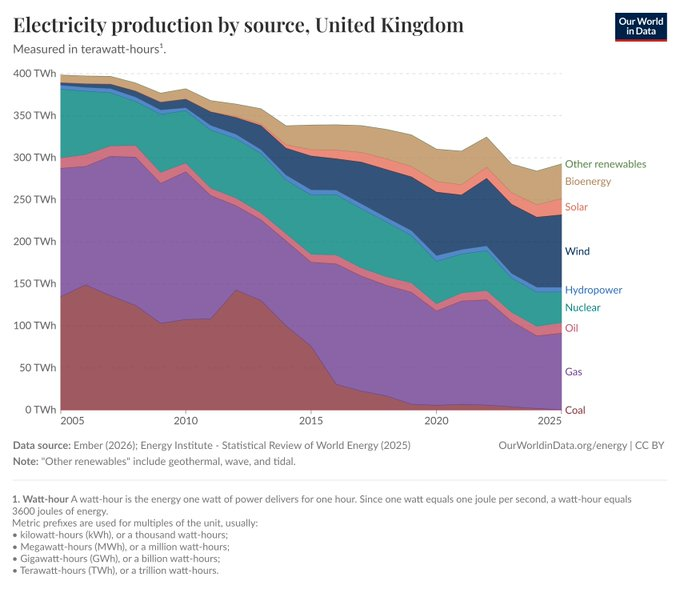
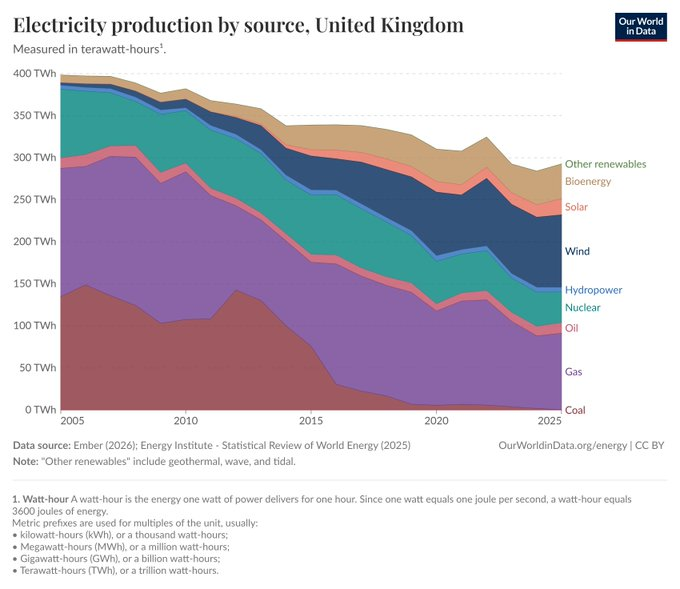
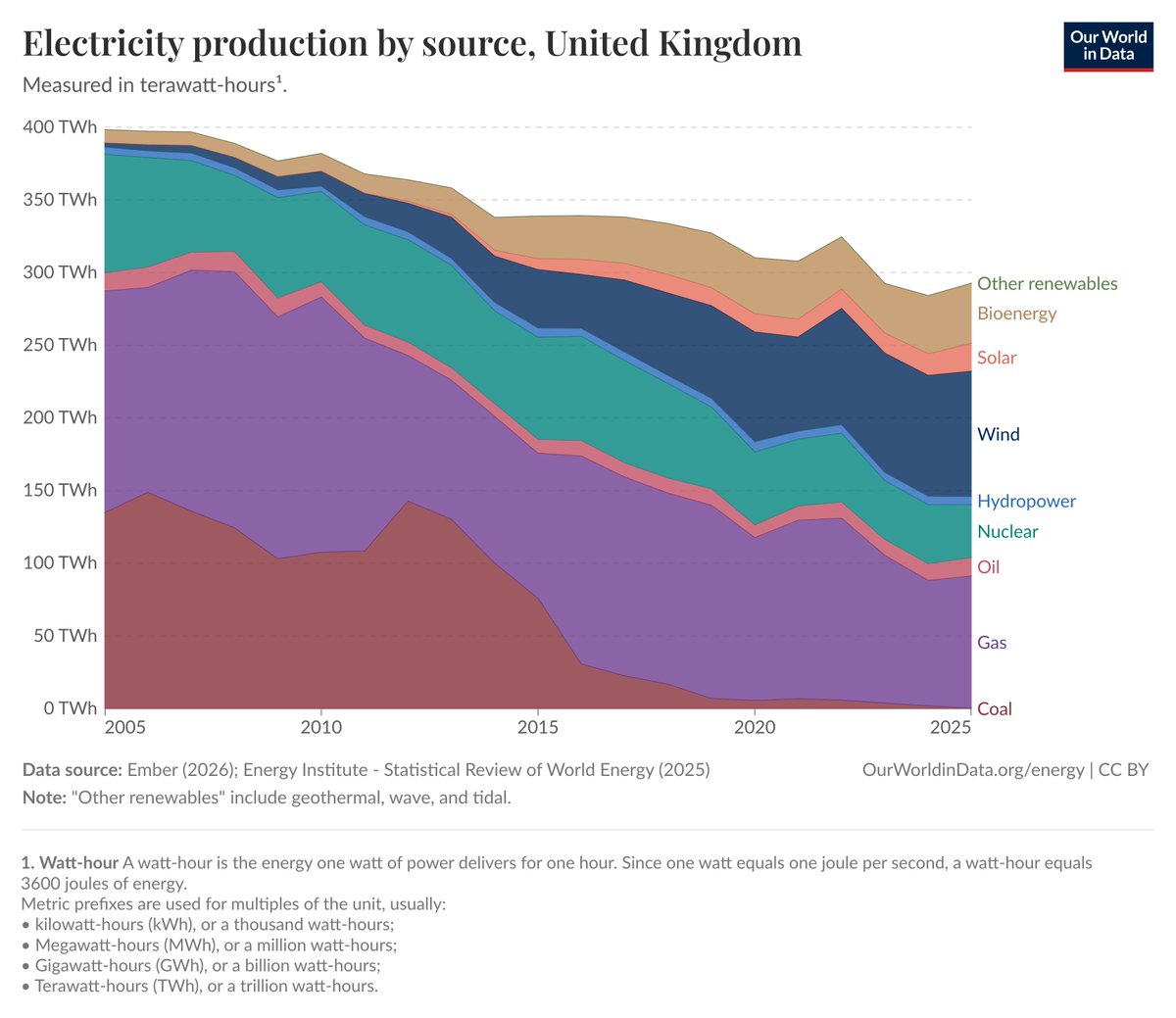
@johnecohound@SeddSezz@Ed_Miliband Solar generates about 6% of UK electricity. That's the equivalent of around 7 million residential solar installations (like yours) to generate the same power output as Drax biomass plant does - on demand, 24 hours a day, year-round & in all weathers.
@mwt2008 The only 'transition' in those regions is towards austerity. More prosperous regions of London & the south-east are still emitting CO2. Overall, renewables have a greater share of a declining UK power output in a stagnant UK economy - nothing to celebrate.
@UKLabour Also, don't forget...
"...Blair's decision to take part in the first invasion & occupation of a sovereign state since World War II was "not a last resort" & ended in failure thanks to "wholly inadequate" planning for post-Saddam Iraq."
https://t.co/prNqKv7H1P
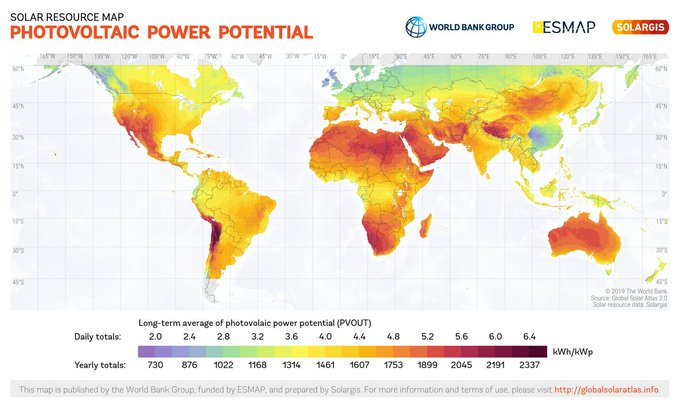
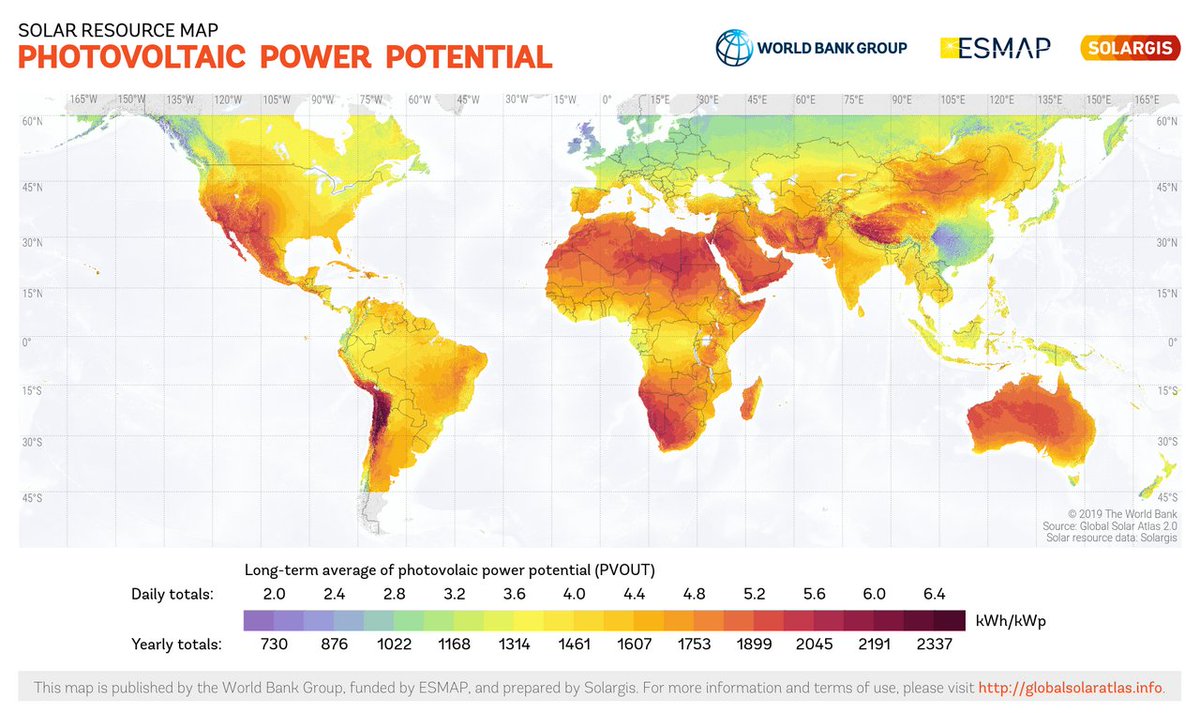
@DeborahMeaden The British Isles are among the least favorable regions in the world for solar power. It makes a negligible contribution to UK electricity generation.
@ejwwest@DeborahMeaden This map is based on a sea level rise of 1.0m.
Current rates of sea level rise in the region have been consistently less than 3mm/yr. Based on this, a 1.0m rise could be expected in the 24th century.
@steveharvey2001@ejwwest@DeborahMeaden But no sign of that happening anytime soon.
Over the last 50+ years, sea level rise on the UK east coast has averaged consistently below 3mm/yr. This amounts to less than 1 foot in a century - unlikely to pose much danger, even to the lowest-lying areas.