La biología en PDF acaba de morir.
Un tío hizo una app donde exploras estructuras 3D como un videojuego.
UI: GPT Images 2. Código: Gemini 3.1 Pro.
Los libros de texto ya no sirven.
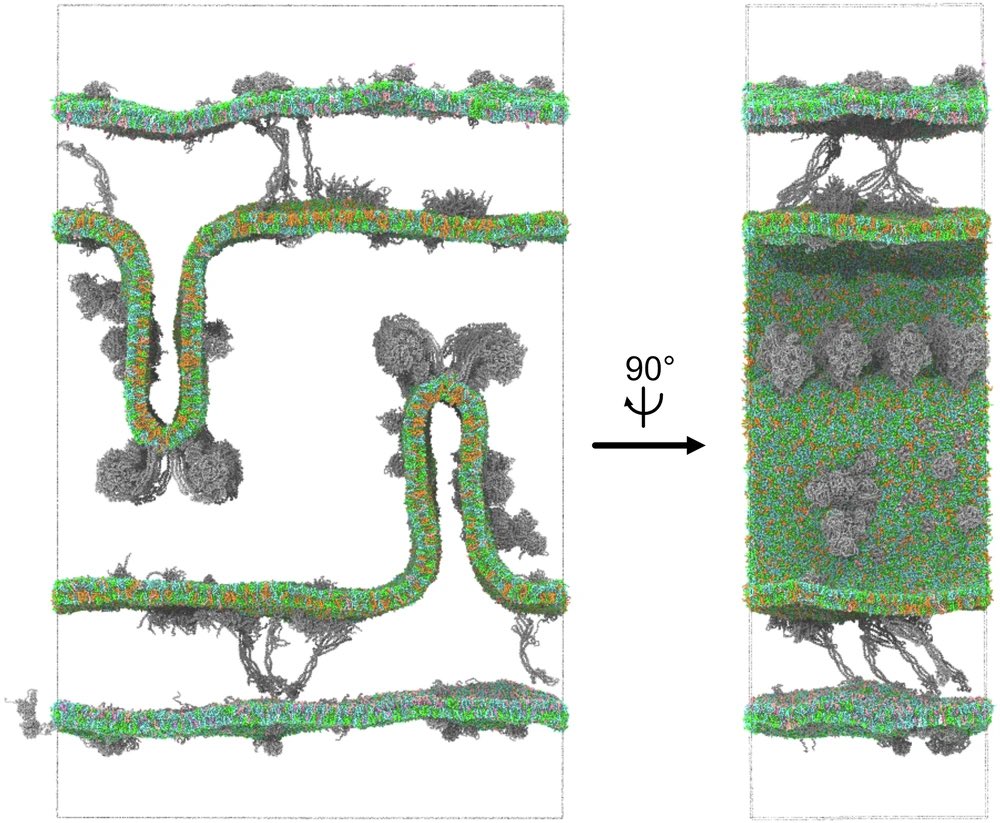
Textbooks still teach that mitochondria transform energy.
A few months ago, a team finally modeled a fully resolved crista at atomic resolution: not a sketch, not a cartoon, the true geometry… and it quietly rewrote the field.
Here’s what they caught:
When the fold sharpens, it becomes a proton drop-tube, and curvature concentrates charge:
Steeper walls → higher H⁺ pressure → a larger quantum jump downward.
Nothing is created or transformed, the charge was already waiting.
The angle is what lets it fall.
And when the fold dulls:
• the slope collapses
• the field weakens
• proton jumps shrink
• metabolism limps even while your ATP numbers still look “normal.”
The part almost nobody knows is this:
in these new simulations, the electric field at the crista neck spikes up to 3× higher: not because of enzymes, but because curvature traps charge like a funnel and the textbooks never show this.
Which leads to the real killshots:
1. Protons don’t travel: they tunnel between allowed states. Curvature sets the jump-length.
2. Geometry shifts first. Chemistry reacts second. Redox is just the readout of topology.
3. “Energy flow” is simply resistance disappearing.
That’s why people crash:
You don’t get tired because mitochondria “make less energy”, you get tired because your angles flattened, your terrain smoothed, and there’s no gradient left for protons to fall through.
Health is steepness.
Fatigue is the loss of it.
You never ran on ATP, you ran on angle.
It’s not so much about how long you move; it’s how often.
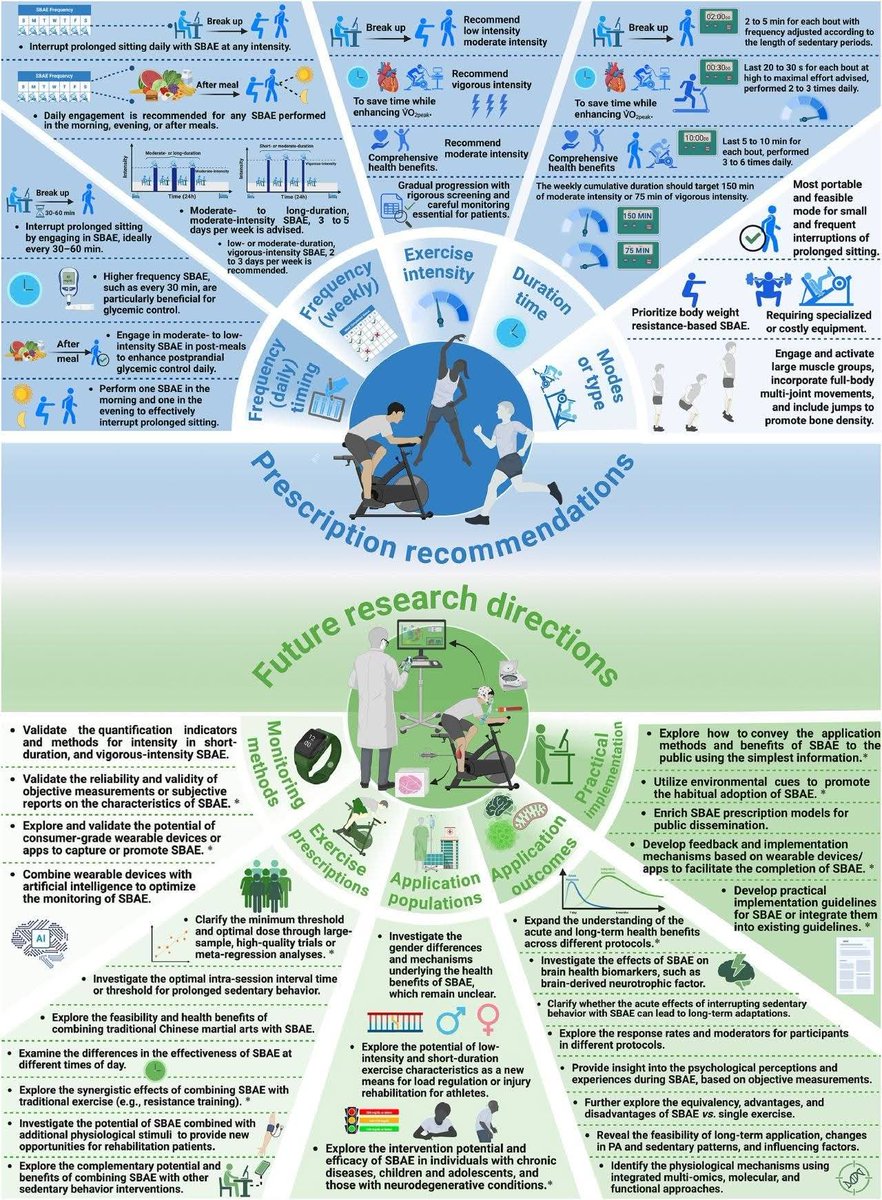
A growing body of research shows that you don’t need long gym sessions to improve health. The 2025 expert consensus statement (citation below) highlights how brief, frequent bursts of movement throughout the day, called short bouts of accumulated exercise (SBAE), can deliver many of the same benefits as structured workouts.
1️⃣ What Is SBAE?
Short bouts of accumulated exercise are small sessions of movement, often 2–10 minutes, performed several times per day.
They “add up” to meaningful totals of physical activity over time.
🟢 Example: Walking up the stairs, doing air squats after a meeting, or brisk walking after meals.
2️⃣ Why It Works
Each short bout boosts blood flow, glucose control, and mitochondrial activity, while breaking up long periods of sitting — a key driver of metabolic and cardiovascular risk.
🟢 Example: Even a 2–5 minute walk every 30 minutes can help regulate blood sugar and reduce insulin spikes.
3️⃣ How to Apply It (Prescription Recommendations)
The consensus provides a practical “exercise prescription” for SBAE:
Frequency: Move every 30–60 minutes, several times daily.
Intensity: Start light to moderate; progress to brief vigorous bouts if tolerated.
Duration: Aim for ≥150 minutes per week of total activity, accumulated in short bouts.
Timing: Post-meal movement is especially beneficial for glucose control.
Type: Prioritize bodyweight or resistance-based movements that activate large muscle groups.
🟢 Example: Three 10-minute brisk walks daily = similar cardiovascular benefit as a single 30-minute session.
4️⃣ Key Benefits of SBAE
Improves insulin sensitivity and glycemic control
Enhances vascular function and blood flow
Reduces inflammation and oxidative stress
Supports cardiometabolic health and mental well-being
🟢 Example: Studies show SBAE improves blood pressure and mood, even in people who don’t meet standard exercise guidelines.
5️⃣ Who It’s For
SBAE is feasible for nearly everyone, including older adults, people with limited mobility, and those managing chronic conditions like type 2 diabetes or cardiovascular disease.
🟢 Example: Breaking up sitting with 2–5 minutes of movement is a practical, accessible strategy for desk workers and older adults alike.
6️⃣ Future Directions
The consensus calls for research into:
Optimizing intensity and timing for different populations.
Using wearable tech and AI to track and personalize SBAE.
Integrating SBAE into clinical guidelines for chronic disease prevention.
You don’t need a gym or an hour - just consistency.
Short bouts of accumulated exercise break the “sit–disease” cycle, enhance metabolic health, and make movement accessible for all.
Yin M, Chen P, Mao L. Expert Author Group. Short bouts of accumulated exercise: Review and consensus statement on definition, efficacy, feasibility, practical applications, and future directions. J Sport Health Sci. 2025 Sep 18:101088.
Master metabolism with 9 steps/arrows
Here’s my shortcut to remembering it in just 9️⃣ arrows:
1️⃣ Glu → Fru → Pyr
(Glucose → Fructose → Pyruvate)
This is glycolysis — the breakdown of glucose into pyruvate for quick energy.
💡 Example: Eat bread, glucose enters your cells, and is converted to pyruvate to start producing ATP.
2️⃣ Pyr → ACoA → TCA
(Pyruvate → Acetyl-CoA → TCA Cycle)
When oxygen’s available, pyruvate becomes Acetyl-CoA and runs through the TCA (Krebs) cycle for sustained energy.
💡 Example: A post-lunch walk taps into this aerobic pathway.
3️⃣ TCA → NADH → ETC → ATP
(TCA products → NADH → Electron Transport Chain → ATP)
The TCA cycle generates NADH, which powers the electron transport chain to make ATP — your cellular energy currency.
💡 Example: Your brain uses that ATP to keep you sharp while studying.
4️⃣ G6P ↔ PPP → NADPH + Ribose
(Glucose-6-Phosphate → Pentose Phosphate Pathway → NADPH + Ribose)
This detour from glucose creates NADPH (for antioxidant defense) and ribose (for DNA/RNA synthesis).
💡 Example: Immune cells use NADPH to neutralize pathogens.
5️⃣ Pyr → Lac
(Pyruvate → Lactate)
In low-oxygen conditions, pyruvate shifts to lactate.
6️⃣ Pyr → OAA → Gluconeogenesis
(Pyruvate → Oxaloacetate → Glucose)
During fasting, pyruvate is turned into oxaloacetate, then glucose, to maintain blood sugar.
💡 Example: After 10+ hours without food, your liver makes glucose for your brain.
7️⃣ ACoA → FAs → TAGs
(Acetyl-CoA → Fatty Acids → Triglycerides)
Excess energy is stored as fat.
💡 Example: Too many sweets? Your body parks the surplus as belly fat.
8️⃣ FAs → β-ox → ACoA → TCA
(Fatty Acids → Beta-Oxidation → Acetyl-CoA → TCA)
When carbs run low, fat becomes your fuel.
💡 Example: After 14 hours of intermittent fasting, fat breakdown kicks in.
9️⃣ AAs → Pyr / ACoA / TCA
(Amino Acids → Pyruvate or Acetyl-CoA or TCA)
Amino acids can feed into different energy pathways, depending on type.
💡 Example: In prolonged starvation, muscle protein is converted into energy intermediates.
Research shows a 72-hour fast can completely rebuild your immune system.
A study from the University of Southern California has revealed that fasting for 72 hours can trigger a complete regeneration of the immune system.
Researchers found that prolonged fasting causes the body to deplete its glucose and fat reserves, forcing it into a detoxifying state that eliminates damaged cells and toxins.
When normal eating resumes, stem cells are activated, leading to the production of fresh, healthy white blood cells. This immune reboot effect was observed in both mice and humans, particularly in chemotherapy patients who showed improved immune health after fasting cycles.
Lead researcher Dr. Valter Longo explains that during fasting, a gene called PKA is suppressed—this gene must be turned off for stem cells to enter regenerative mode.
As a result, the immune system essentially clears out older, weaker components and rebuilds itself anew. While more research is needed to explore the full range of benefits across organs, the study suggests that fasting could be a powerful, drug-free strategy for enhancing immunity, especially for those with weakened systems due to aging or cancer treatment.
[Valter Longo. USC Leonard Davis School]
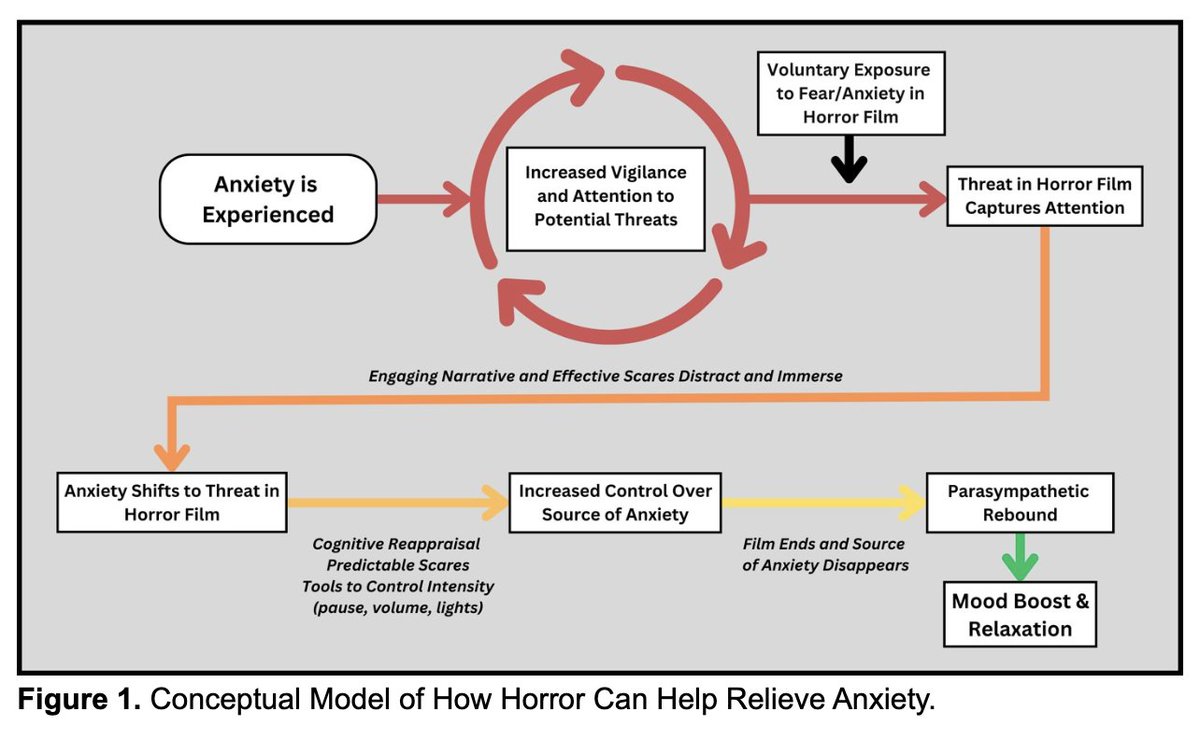
Horror may improve mental wellbeing
By activating the amygdala (fear), engaging the hippocampus (context), and training the prefrontal cortex to regulate it, scary movies give us safe practice at controlling anxiety.
Fear becomes therapy
A newly discovered type of immune cell found in fat tissue seems to contribute to the chronic inflammation associated with ageing
https://t.co/8X9kY6JA3H
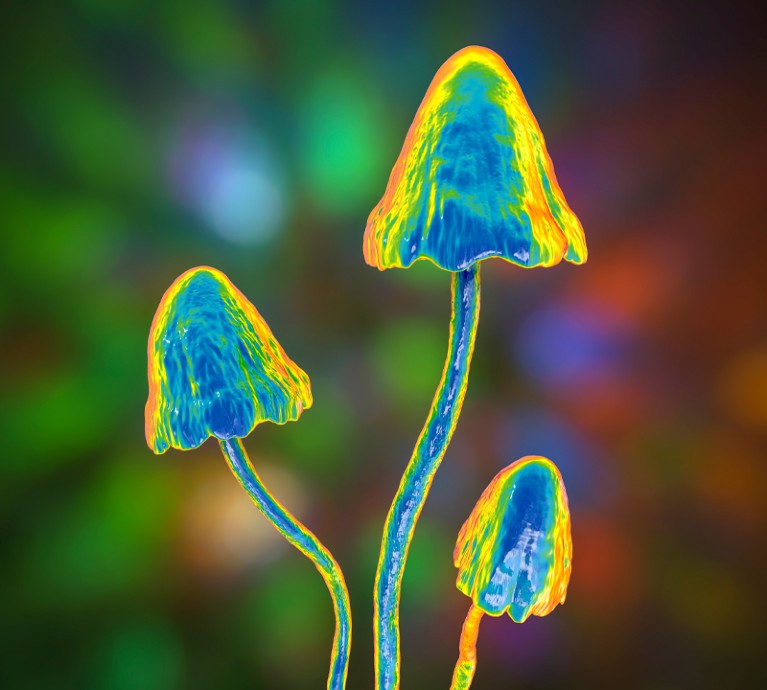
Everyone’s been saying psilocybin “rewires the brain.”
Cool. But where, exactly?
A new 2025 Nature study finally has the answer. And this could change how we treat depression. 🧵
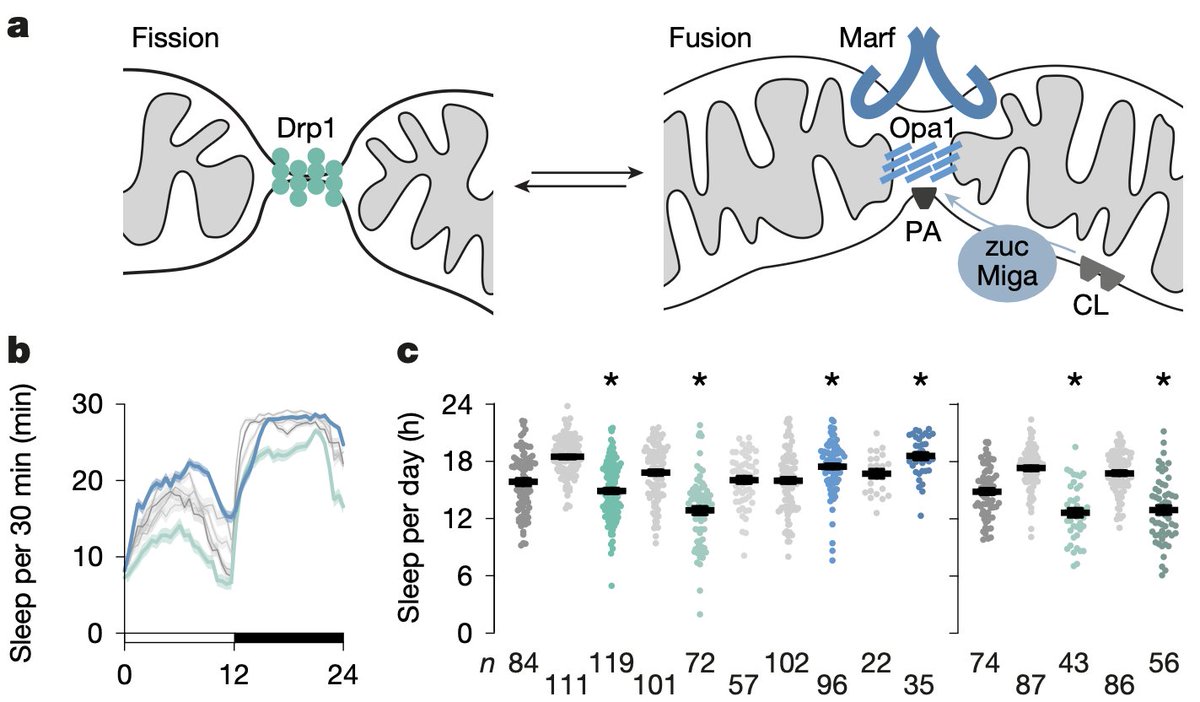
Why do we sleep? What happens in our cells that make us feel the need to go to bed?
New study in flies showing that as energy flows with more energy resistance (éR) in our mitochondria--producing "reductive stress"-- the pressure to sleep increases
Manipulating mitochondrial fusion and fission dynamics also changed the flies' daily need for sleep, connecting mitochondrial energetics and dynamics with sleep behavior
https://t.co/gsSTOJBAOn
My continued biomedical education
Re-imagining human cell culture media: Challenges, innovations, and future directions
Table 1 summarizes pros & cons of commonly used culture media
#AI
High-throughput Omics (epigenomics metabolomics proteomics)
Automation
On-demand optimization of xeno-free, chemically defined culture media
"...as most fields clung to DMEM/RPMI—formulations ill-suited for human cells' lower antioxidant capacity and distinct nutrient uptake"😬
Critical reading for one of the most important consumables in biomedical research🥸
Stanislav Sokolenko lab Biotechnol Adv 2025
https://t.co/gQuO3W9Rs3
How does the brain stop a thought in its tracks? Ever get stuck on a thought you just can't shake? Whether it's an unwanted memory, an intrusive worry or a pathological mental loop, a new paper in Nature Reviews Neuroscience by Michael Anderson and colleagues shines light on how it all works.
Key Points:
- 'Thought stopping' engages a domain general brain system.
- The system is centered in the right dorsolateral and ventrolateral prefrontal cortex.
- There is overlap w/ the circuitry for action stopping.
- There are unique connections to memory.
- There is a fronto-temporal inhibitory control pathway.
- There is GABAergic inhibition in the hippocampus, that assists in suppressing intrusive memories and mental images.
- 'Weakness' in this inhibitory control system may underlie intrusive thinking in psychiatric disorders such as PTSD, anxiety, OCD, and depression.
My take: There were 5 really interesting points that resonated w/ me about this article. 1- Your brain has a mental brake system that can stop thoughts. This is comparable to the system that stops your hand from touching a hot stove. 2- The same brain region that helps you stop actions also helps you stop memories. 3- GABA, a inhibitory (calming) brain chemical helps the brain suppress intrusive thoughts. When GABA levels are low in the hippocampus thoughts run wild. 4- Remember those people w/ PTSD and severe anxiety have challenges w/ the brain’s stopping system. 5- Could this information be useful in trauma, addiction, and obsessive thoughts? Hitting the pause button on mental noise could be the key to new treatments.
https://t.co/5NMx9Vj4c7 #Neuroscience #Parkinsons @ParkinsonDotOrg@FixelInstitute
New discoveries are reshaping how scientists understand the molecular connections between the extracellular matrix and lysosomes—and the resulting implications for research and therapeutics for neurodegenerative disorders.
Learn more in this @SciSignal Review: https://t.co/ZuPJ4LrTLl









![Rainmaker1973's tweet photo. Research shows a 72-hour fast can completely rebuild your immune system.
A study from the University of Southern California has revealed that fasting for 72 hours can trigger a complete regeneration of the immune system.
Researchers found that prolonged fasting causes the body to deplete its glucose and fat reserves, forcing it into a detoxifying state that eliminates damaged cells and toxins.
When normal eating resumes, stem cells are activated, leading to the production of fresh, healthy white blood cells. This immune reboot effect was observed in both mice and humans, particularly in chemotherapy patients who showed improved immune health after fasting cycles.
Lead researcher Dr. Valter Longo explains that during fasting, a gene called PKA is suppressed—this gene must be turned off for stem cells to enter regenerative mode.
As a result, the immune system essentially clears out older, weaker components and rebuilds itself anew. While more research is needed to explore the full range of benefits across organs, the study suggests that fasting could be a powerful, drug-free strategy for enhancing immunity, especially for those with weakened systems due to aging or cancer treatment.
[Valter Longo. USC Leonard Davis School]](https://pbs.twimg.com/media/G2gMl5gWoAAn_WK.jpg)