Solar System bodies make deep space exploration more fuel efficient!
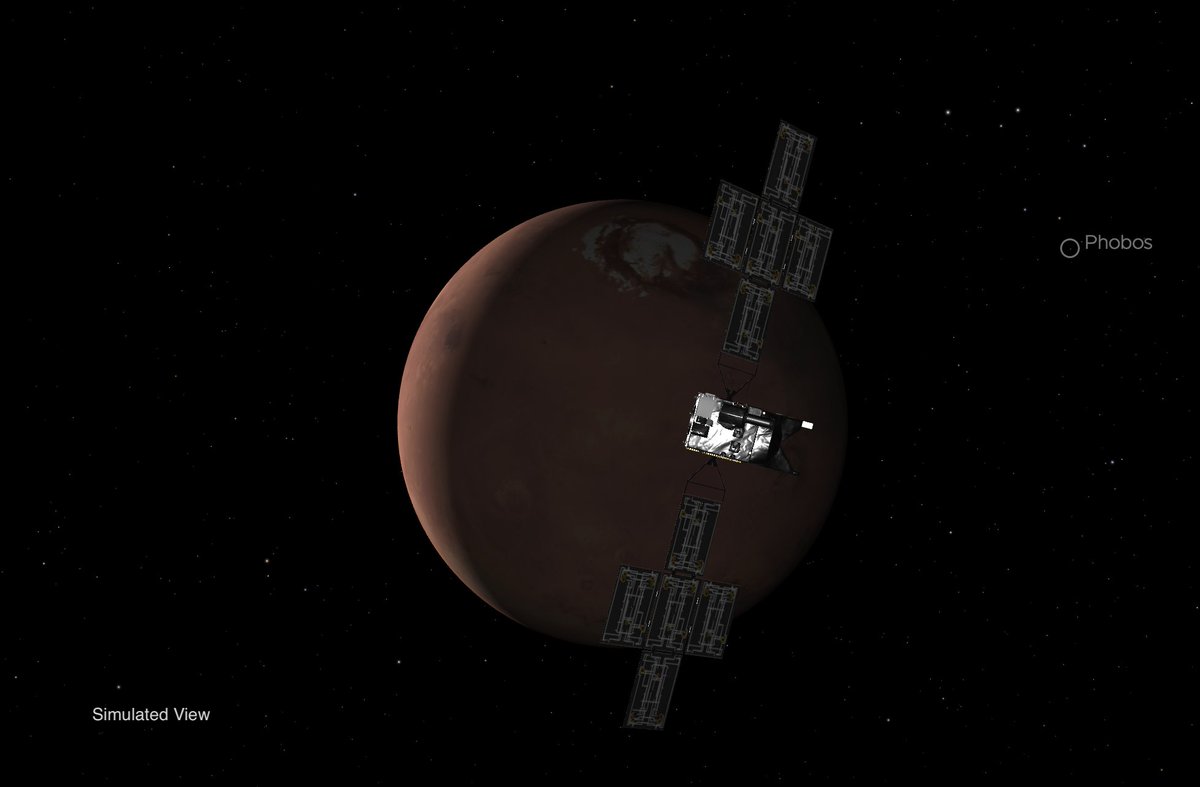
Today’s video shows the Psyche spacecraft gaining speed and changing its trajectory with minimal fuel spent due to a gravity assist from Mars in May 2026.
Mars has an average orbital speed of almost 87,000 km/h (54,000 mph) around the Sun. Its orbital motion and its gravity allowed Mars to pull Psyche along with it, increasing the spacecraft’s speed.
Gravity assists have been used since 1959’s Luna 3 mission to allow for spacecraft (the Voyagers, Cassini) to reach farther than they could with fuel alone.
This assist helped the Psyche spacecraft on its journey to the Psyche asteroid, which it will reach in 2029.
While passing Mars, the spacecraft tested instruments that will analyze the asteroid’s composition and magnetic field.
This is the first mission to an asteroid thought to be largely made of metal, an essential building block for planets, rather than rock or ice.
Video Credit: NASA/JPL-Caltech/ASU/True Story Films
Text: Keighley Rockcliffe (NASA GSFC, UMBC CSST, CRESST II)
1,000 days in space! 🌌📷
As of today, our Psyche spacecraft has been traveling for a thousand days. Watch for more views of its recent Mars flyby soon! Next stop: the intriguing, metal-rich asteroid 16 Psyche.
Congratulations on 1,000 days in flight, Psyche mission!
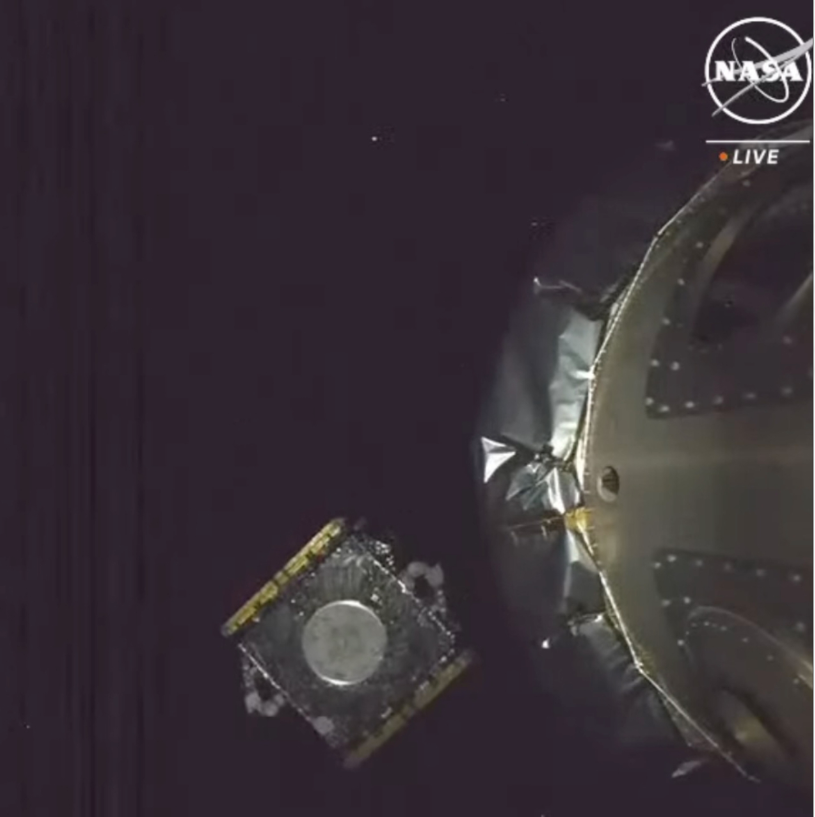
Here's the moment in 2023 when 1 hr 2 min 40 sec after liftoff that gorgeous Falcon Heavy (on the right) gave our s/c (lower left) a perfect tip-off, no angular momentum, on her way. @MissionToPsyche@NASA
Hello, Mars 👋 The NASA Psyche spacecraft completed a flyby of the red planet in May, and took the opportunity to test out its on-board instruments to make sure everything is functioning properly on its @MissionToPsyche in 2029.
https://t.co/9PrU53kQ7k
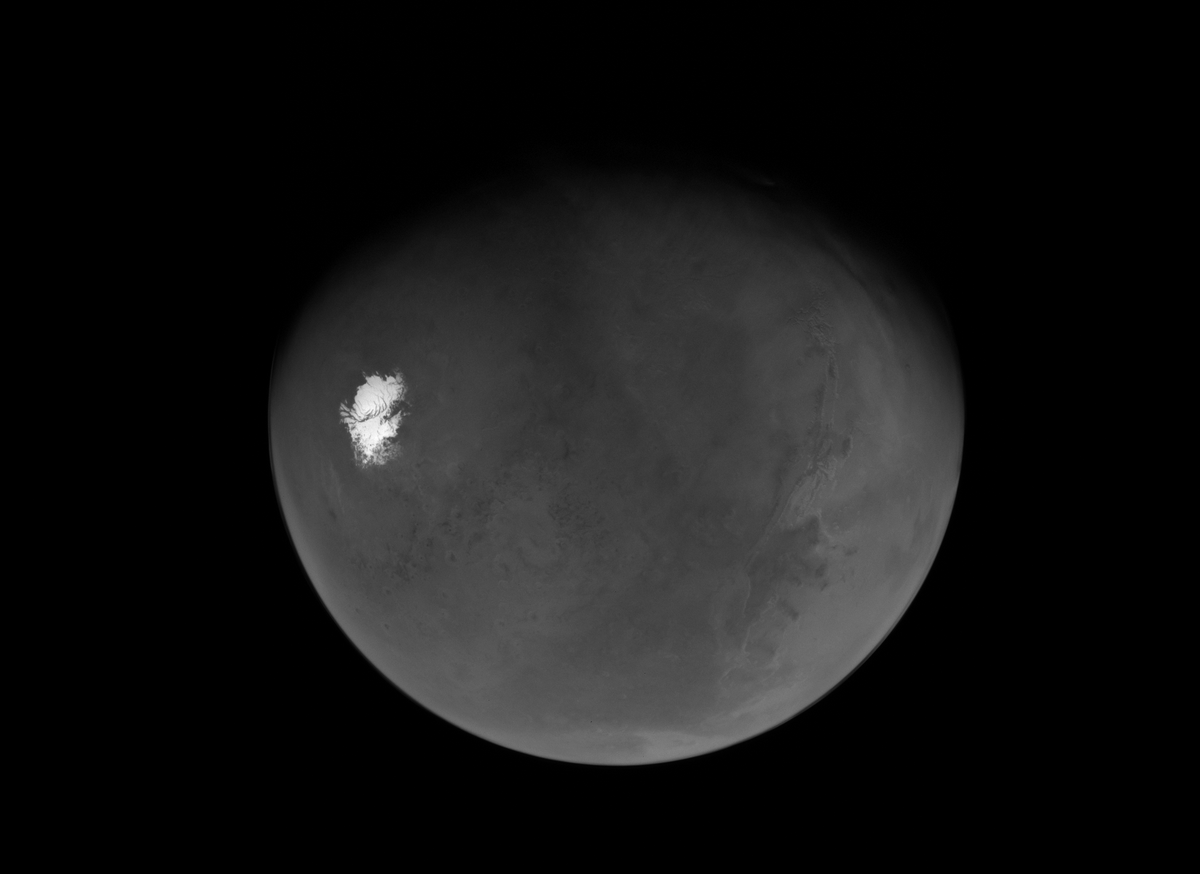
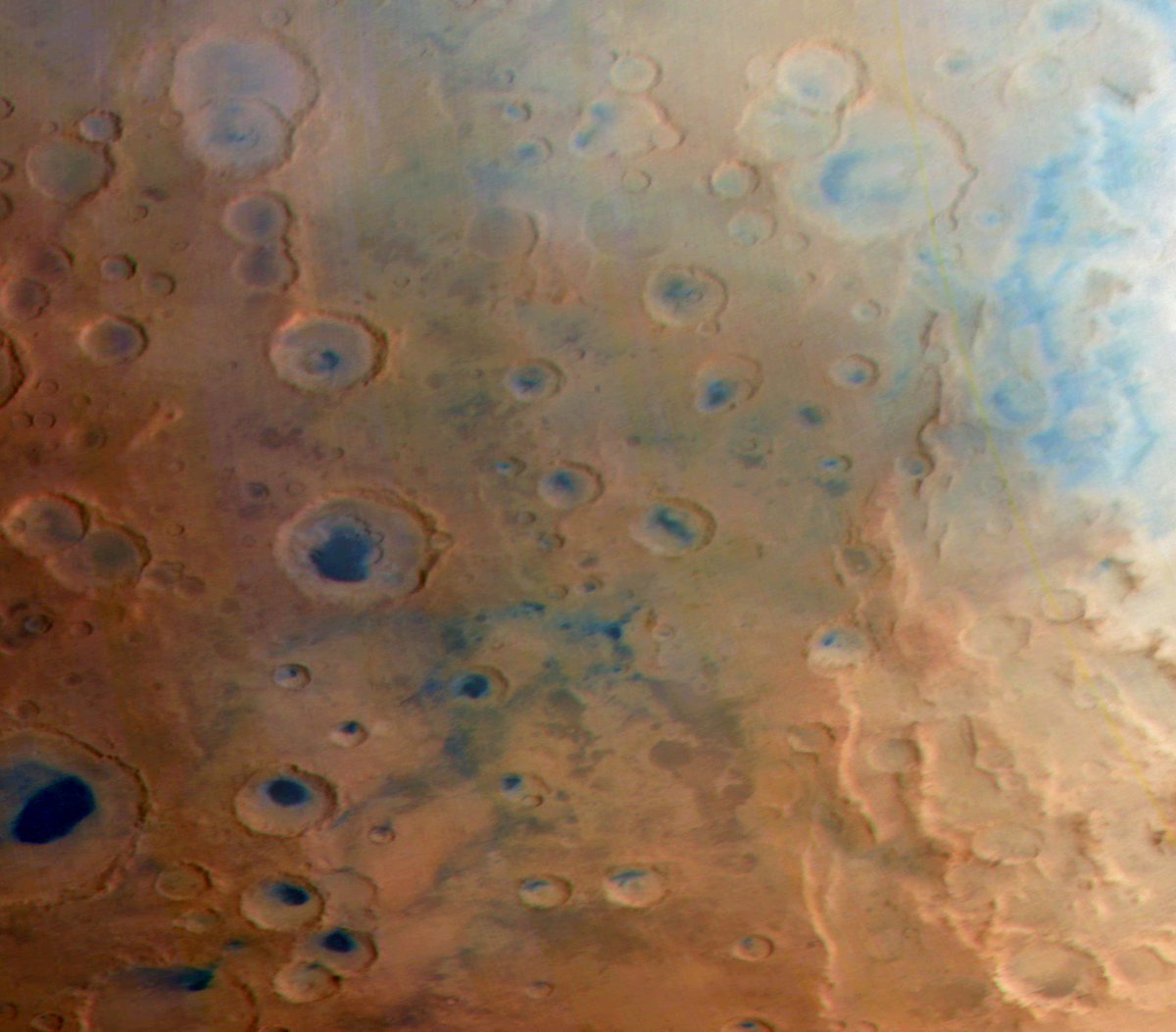
These stunning views of our favorite planet come courtesy of NASA’s Psyche spacecraft, which recently completed a Mars gravity assist on its way to explore a metal-rich asteroid. Psyche captured this series of images throughout the month of May as it sped toward the Red Planet.
Our Mars Express (image 1) meets @MissionToPsyche (image 2) 🤝
As Psyche flew past Mars for a gravity boost on its way to an asteroid, the two missions captured exactly the same patch of the Red Planet's surface.
Find out why these joint observations can be useful 👉 https://t.co/4L0dBbbZTa
Mars in motion! ⏩
While on its way to explore a mysterious, metal-rich asteroid, our Psyche spacecraft sped by Mars for a gravity assist to pick up speed and adjust its trajectory. As it approached the planet, it captured this series of high-res snaps.
Some things our Psyche spacecraft picked up during its brief visit to Mars in May:
- 1000 MPH speed boost
- 3-degree trajectory adjustment
- Science data
- Lots of pictures!
Everything we do is art...a new essay from Monica Moreno, a Psyche Inspired art intern, about her experience at the intersection of art and space exploration wirh @MissionToPsyche. https://t.co/LZ8y495pTz
Looking for something new to spark your creativity? Why not look to a metal-rich asteroid?👩🎨🪨
Undergrads at U.S. universities & community colleges are invited to join the next NASA Psyche Inspired intern cohort. Applications are due Aug. 28.
Learn more: https://t.co/boBZb5gHu0
First stop, Mars. Next stop, Psyche 📍
On May 15, our Psyche spacecraft swung by Mars on its way to its next destination: a metal-rich asteroid also named Psyche. The Red Planet gave the spacecraft a 1,000-mph speed boost and provided some stunning photos as well!
The initial reports are in: #MissionToPsyche aced its Mars flyby. ☑️
With the Red Planet in the rearview mirror, the spacecraft will soon resume using its solar-electric propulsion system to make a beeline to the main asteroid belt and rendezvous with the asteroid Psyche.
Hello Mars, goodbye Mars 👋
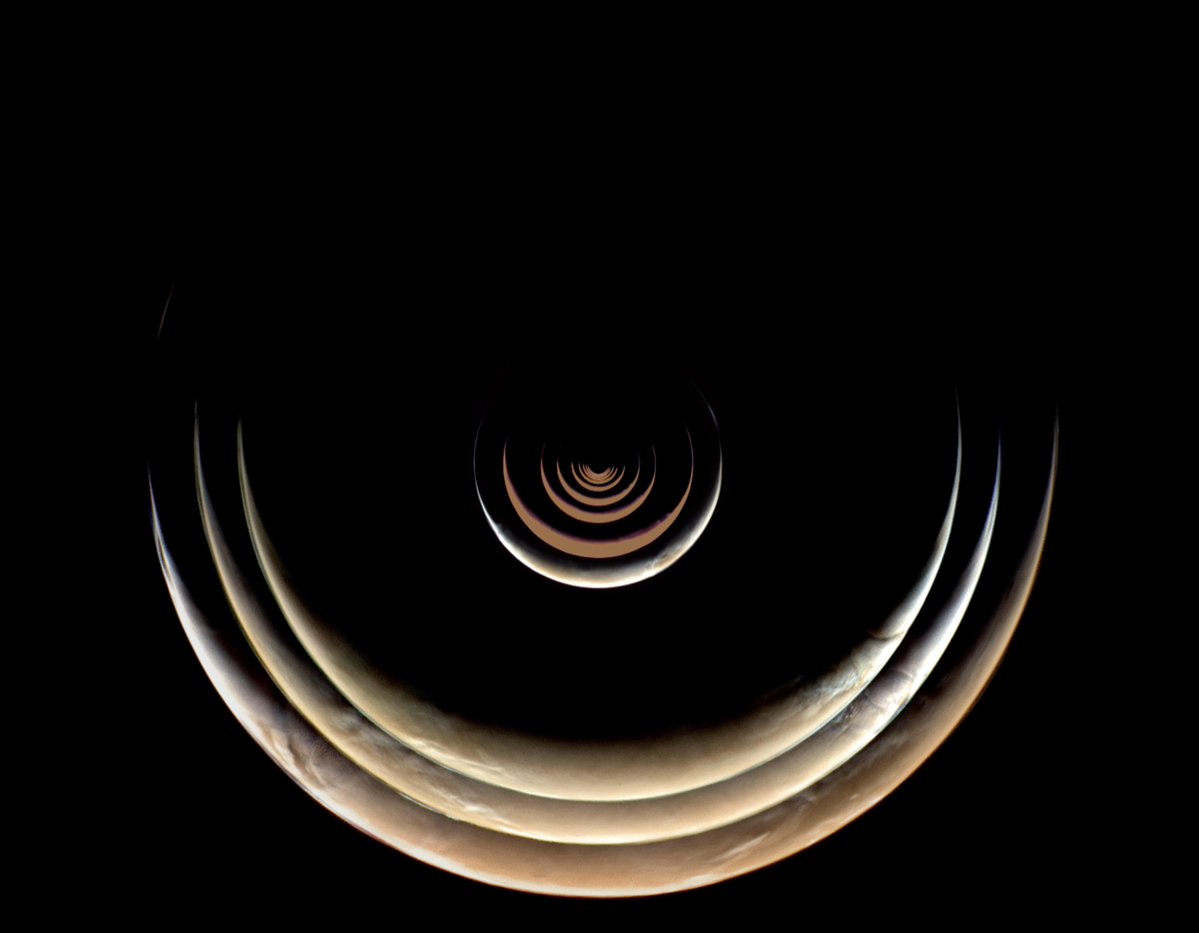
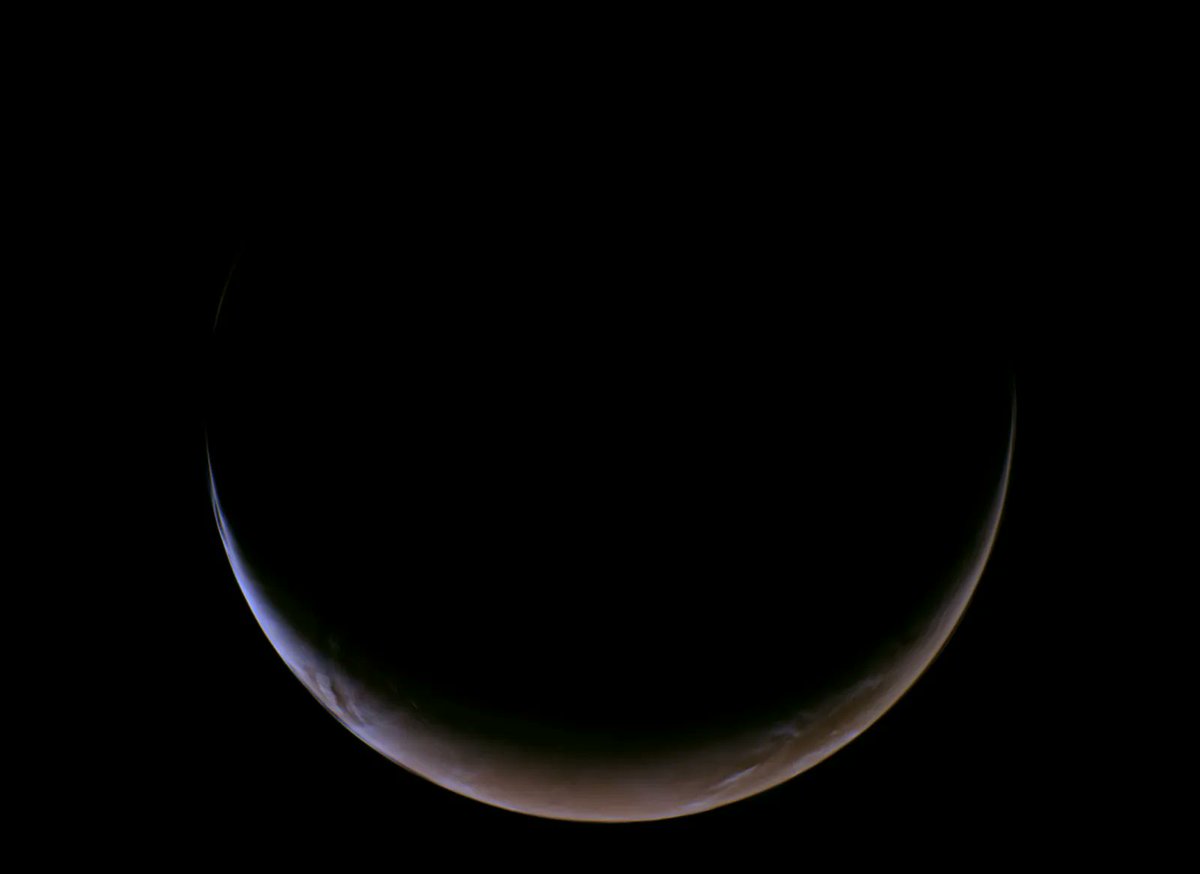
NASA’s #MissionToPsyche spacecraft was speeding by the Red Planet on May 15 when it snapped this rare, crescent view of Mars. The successful flyby flung the Psyche spacecraft toward its final destination: the metal-rich asteroid Psyche. 1/2
@NASAJPL Thanks for the boost, @NASAMars!
Next stop: the asteroid Psyche. There's still a long way to go – the #MissionToPsyche spacecraft will enter orbit there in 2029. Exactly what we will find remains to be seen...
Follow along at https://t.co/72ZvMmH72t and watch this space
@NASAJPL Psyche sends its data via the giant antennas of NASA's Deep Space Network. You can see which DSN stations are active and which spacecraft they're communicating with in real time at: https://t.co/9YYSKDwd2Q
Distance: 5,020 miles
Speed: 11,660 mph
@NASAJPL During the approach to Mars, the Psyche spacecraft's cameras and other science instruments are active. As raw images are transmitted to Earth during the coming hours and days, they will be available at https://t.co/pl4o1C59yx
Distance: 9,510 miles
Speed: 11,020 mph
This "gravity assist" flyby will use the Red Planet's pull to boost the spacecraft's speed and refine its trajectory on its way to explore the mysterious, metal-rich asteroid Psyche.
Details: https://t.co/v4t8DRi6XW
Current distance from Mars: 14,450 miles
Speed: 10,710 mph