@MKalemba03@elonmusk@Tesla My uncle’s cybertruck lost steering response & brake assist (manual mode). Triple-redundant steer-by-wire should prevent this. Police cleared him, Tesla audit found nothing, data unavailable. @elonmusk – I wouldn’t get in this truck again, let alone drive it
Feb 2025: My Foundation Series Cyberbeast malfunctioned (manual driving). Steering wouldn’t respond, kept pulling right, brakes failed. Hit 8 parked cars. Thank God no ones hurt. Police: no ticket, said “I’ve seen this before.” Photo right after. @elonmusk@Tesla
hey guys, it's me again reminding you that you're gonna kick ass this week.
1. final meal 4 hrs before bed
2. in bed same time every day
3. screens off 60 min before sleep
4. read a book 10 min before sleep
5. block fast food
6. tell someone u love them
7. am light in eyes
How to be happy (no bullshit - just data)
Thought experiment: If you wanted to hurt a business, what would you do?
One of the first things: Remove all data.
Meanwhile, almost nobody has any data on their happiness.
Why?
How to create a Happiness P&L on your iPhone:
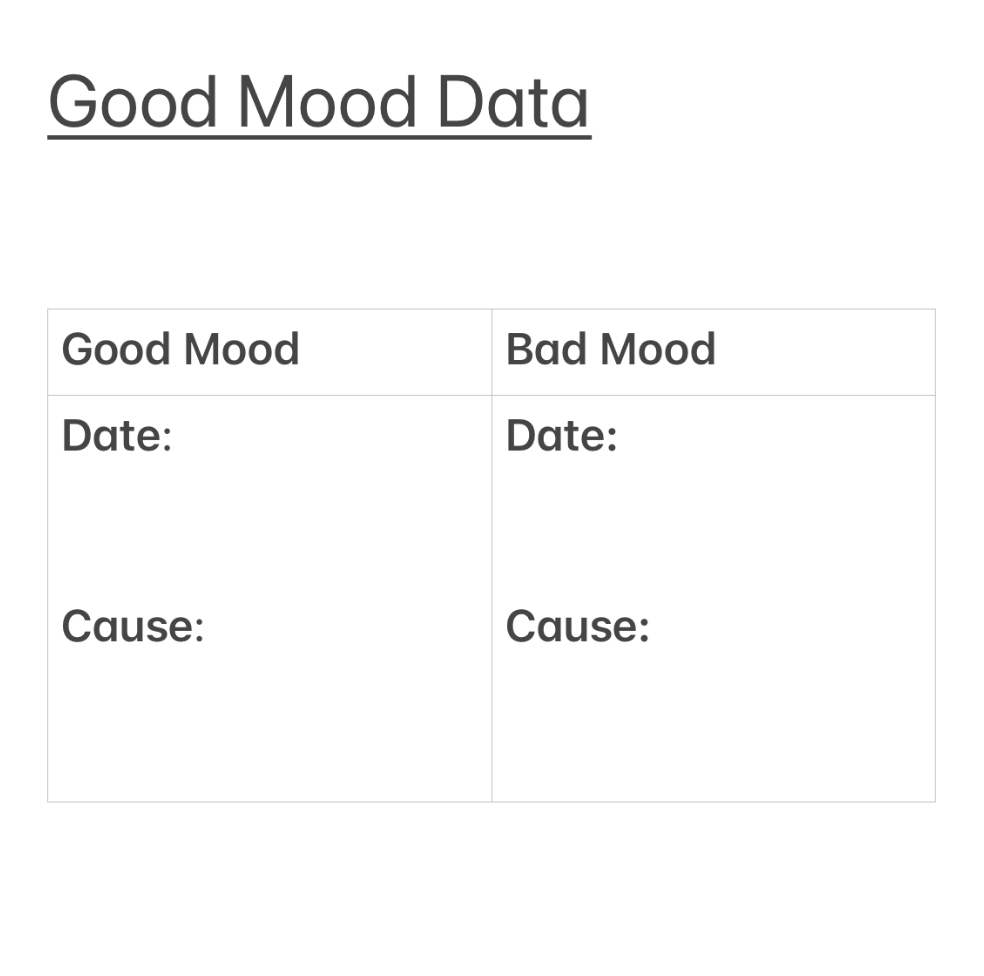
Step 1 - Create a table
If you have an iPhone, Apple notes is perfect for this.
Apple notes works better than a spreadsheet because it's frictionless -- which is key.
Make sure you pin it to the top of your notes to reduce further friction.
Step 2 - Log your mood
An average day = 5/10 mood.
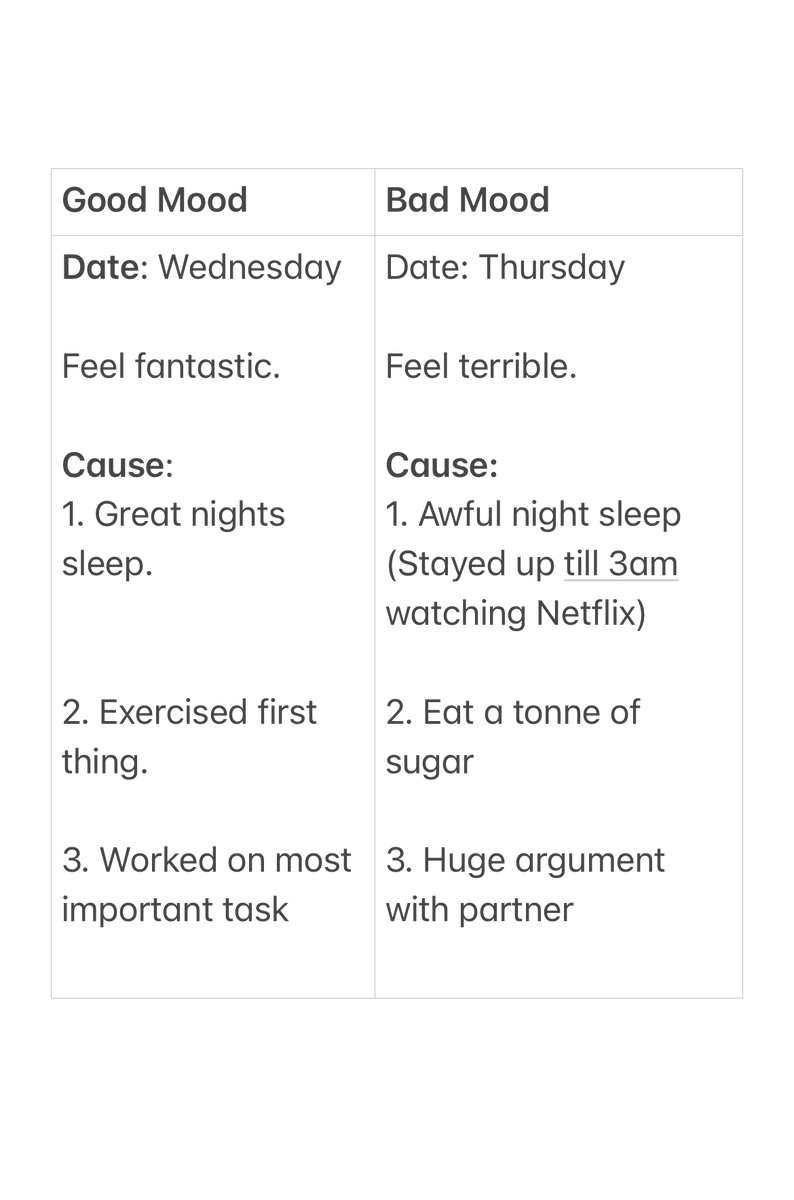
If you hit a 7/10 or above, write down what caused it.
If you hit a 3/10 or below, write down what caused it.
Step 3 - Analyse your assets and liabilities
Over a month, you'll have 10-20 entries.
Over a year, you'll have 100-200 entries.
The beauty of this is you're now detached. It's just raw data of many present moments stacked together.
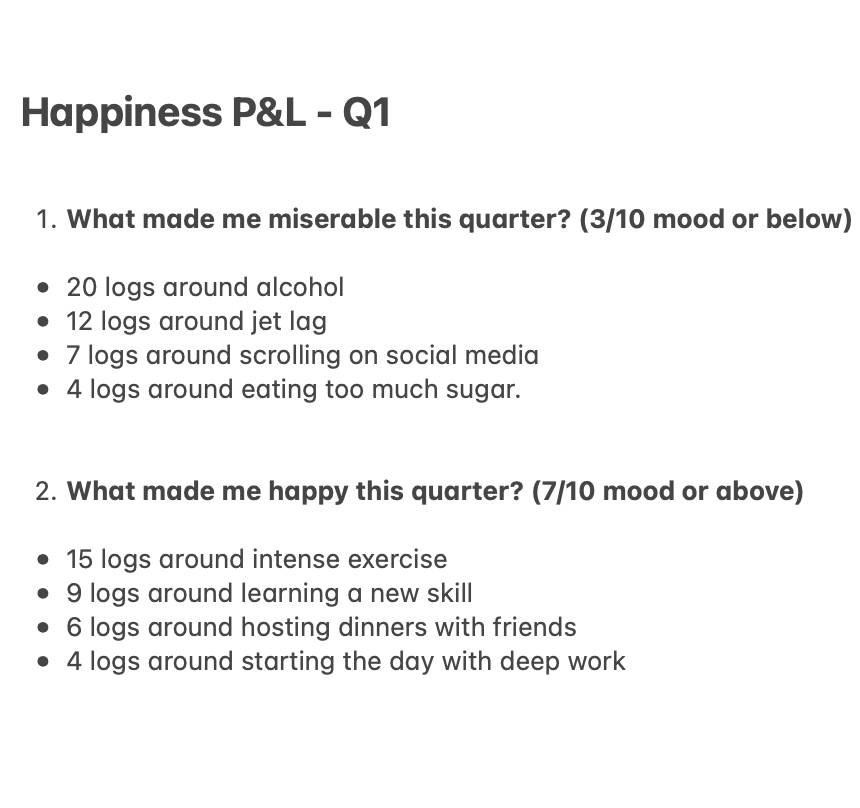
Look at the data like a happiness P&L.
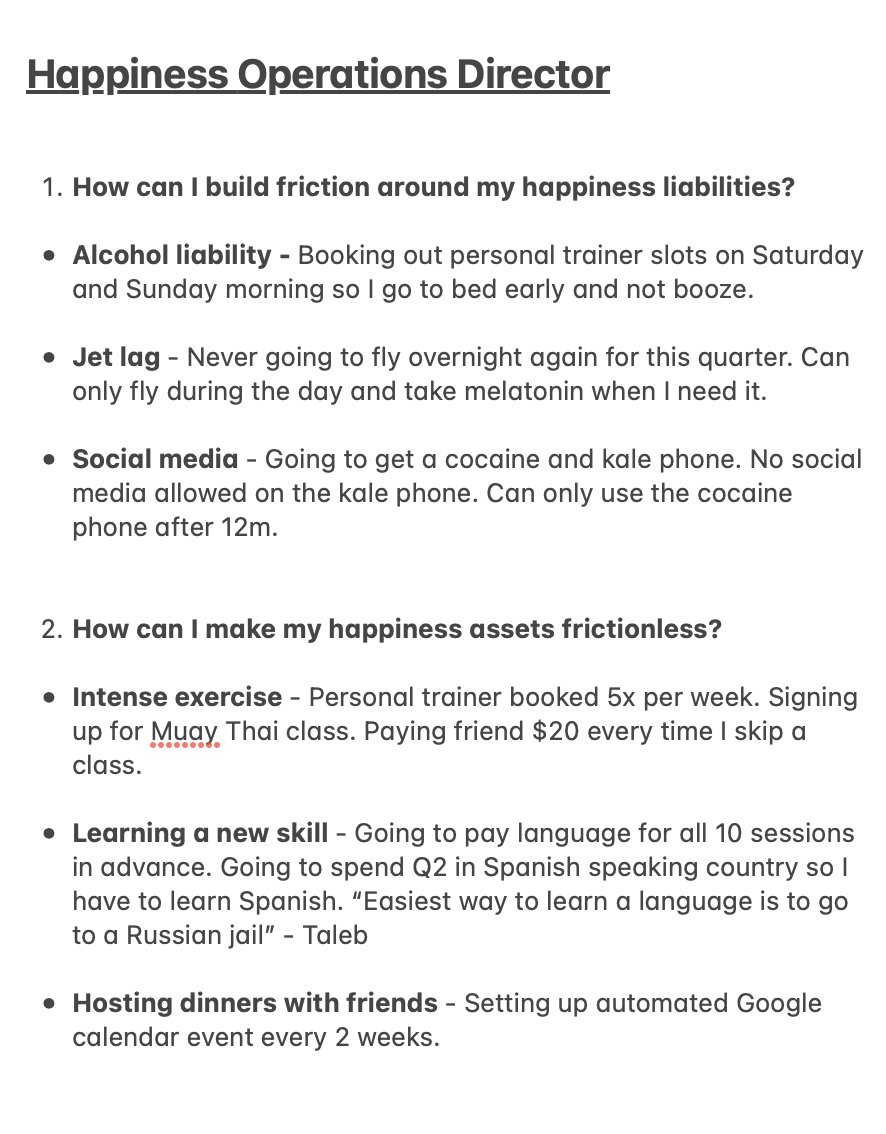
Step 4 - Design environment and incentives
E.g.
If alcohol causes 50% of your negative mood -- you can design environment and incentives around removing this.
However, if partying with friends causes 50% of your positive mood -- you can design environment and incentives around doing this more often.
There's no right or wrong answers like the happiness gurus will suggest: There's just raw personalised data.
Now you have this raw personalised data -- you can think about it like an operations director managing a supply chain or a cash flow forecast.
-----
Why does this work?
1. The problem with happiness gurus: What makes one person happy might make someone else miserable.
The happiness industry wants to sell a magic pill (e.g. Yoga, meditation, exercise, new diet, new journalling technique etc) -- which is why it fails because it doesn't take into consideration individual differences.
One person may find Yoga fixes their anxiety -- another person may prefer to watch paint dry than do Yoga.
2. Do not forget the forgetting paradox.
The big problem people face with happiness is the forgetting paradox: We forget how much we forget because by definition -- we've forgotten it.
By tracking your mood -- you can see just how many times something made you miserable or happy. It's no longer discarded into the memory abyss.
Each month and year, you can turn into a private equity firm -- but for your happiness: Strip the liabilities and double down on the assets.
The system begins to compound. If something has made you happy or miserable 20+ times, it's impossible to bullshit yourself anymore.
Without this data -- it's so easy to bullshit yourself.
You would not run a business without any data.
Why are you running your life without any data?
-----
Nuance:
When I use the term happiness in this context here - I mean increasing your average mood per day out of 10.
The goal isn't to have a laborious debate around the many meanings of the word "happiness".
If your mood is an 8/10 or above each day -- that sounds like a fantastic life.