🇸🇴🇸🇴🇸🇴
Somalia’s Secessionists and the Netanyahu Bet That Backfired
Many Somalis — and many friends of Somalia — were stunned to see secessionist politicians, and some Somalis in northern Somalia (i.e. Somaliland), openly align themselves with Netanyahu, arguably one of the most internationally isolated and discredited leader.
While social media fixated on reactions across Somalia’s political divide, the more consequential question was how this norm-breaking move was interpreted beyond Somalia. That external reaction is where the real story lies.
Supporters of secessionism flooded social media with openly anti-Somalia, anti-Arab and anti-Palestinian rhetoric. Some statements were later walked back, but not before exposing a political project detached from restraint, responsibility, or any serious understanding of statecraft. By hitching their cause to Netanyahu — a polarizing figure even within Israel — secessionist leaders badly misjudged both their actions and the consequences.
Rather than triggering a cascade of recognitions, the opposite occurred. African states, the Arab and Muslim worlds, European governments committed to international law, and even the United States — whose overriding concerns remain counterterrorism against Al-Shabaab and ISIS operating in Somalia, as well as Red Sea stability — declined to follow Netanyahu’s lead.
The majority of UN member states openly sided with Somalia; others quietly but firmly distanced themselves from Netanyahu’s actions. Across capitals, the assessment converged: this was a destabilizing risk to peace and stability in the Horn of Africa and beyond.
That conclusion hardened when Israeli disclosures and subsequent reporting suggested that, in exchange for recognition, secessionist actors had entertained proposals involving the relocation of up to 1.5 million Palestinians to northern Somalia and the use of Somali territory as a platform for military operations against Israel’s adversaries, including the Houthis and Iran.
Moreover, states that view the Red Sea as a strategic rear flank — notably Saudi Arabia, Egypt, and Turkey — interpreted the move as a direct threat to their own security interests. Diplomatic and security alarms followed.
For the African Union and the UN Security Council, the implications were equally clear. Dismembering Somalia and drawing Israel into the Horn of Africa would not be a localized political matter, but a precedent-setting challenge to African sovereignty and territorial integrity. If Somalia — one of Africa’s most homogeneous countries — could be fractured through opportunism and foreign entanglement, no African state would be immune, the African Union concluded.
All of this unfolded as Netanyahu himself faced deepening global isolation over the war in Gaza and its unprecedented civilian death toll. Yet it was precisely at this moment that secessionist leaders chose to throw their lot in with him — and wrongly assumed that Washington could be pressured or persuaded into recognition.
What they failed to grasp is that U.S. policy is driven by security interests, not sentiment, and that letting Somalia be and maintaining already tenuous Red Sea stability align far more closely with American interests and strategy than indulging secessionist or Netanyahu-linked adventurism.
Geography also exposes the danger embodied in the separatists’ gamble. Northern Somali cities such as Berbera and Hargeisa lie roughly 600 kilometers from Yemen. Recent wars involving Israel, Iran, and the Houthis have shown how missiles are launched into cities, with civilians paying the price. At that distance, there is little protection: strikes could reach urban centers within minutes. What was sold as leverage has instead exposed civilians to immediate risk.
In short, the secessionist recklessness did not weaken Somalia. It unveiled reality — clarifying the stakes, rallying partners, and exposing the dangers embedded in their miscalculations.
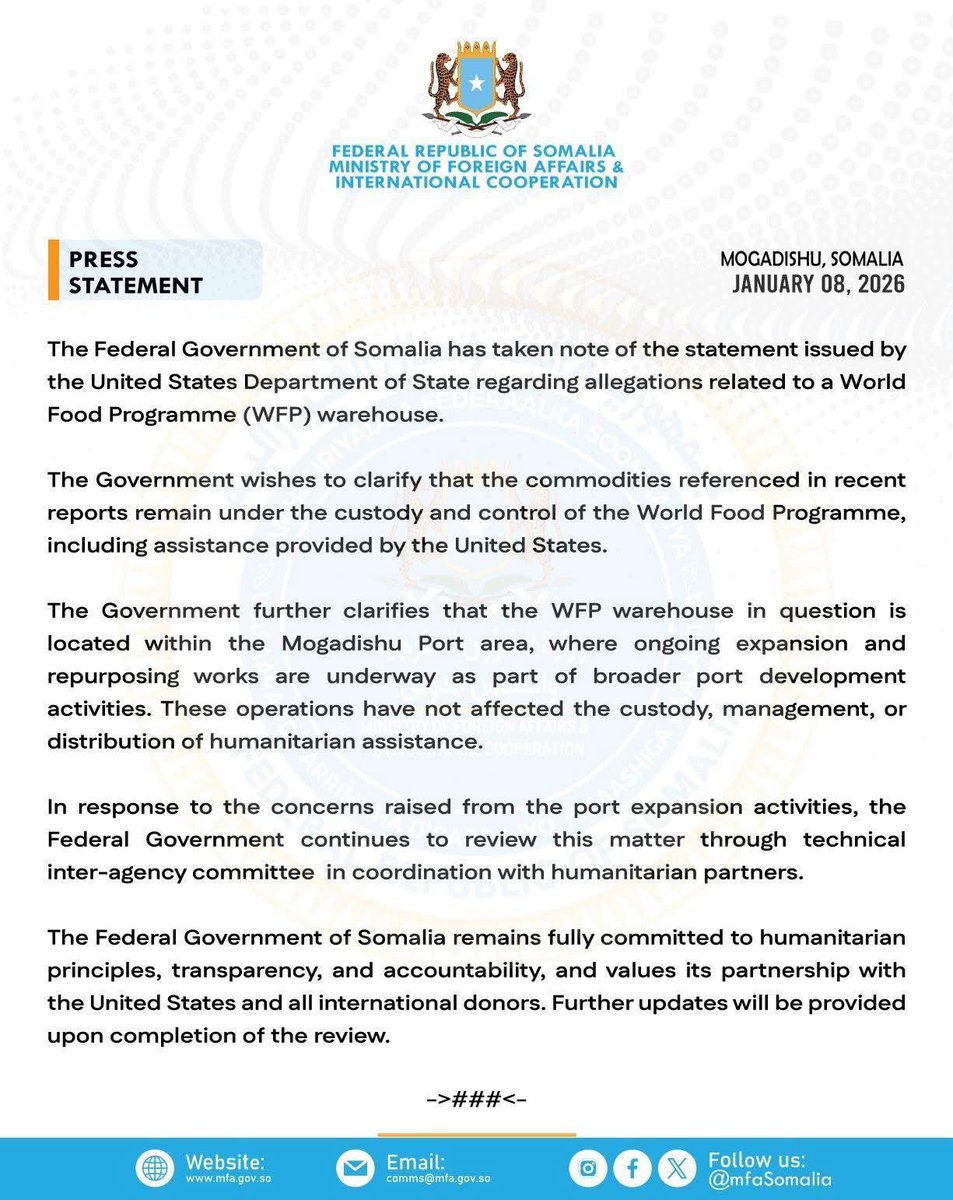
The Federal Government of Somalia has taken note of the statement issued by the United States Department of State regarding allegations related to a World Food Programme (WFP) warehouse.
The Government wishes to clarify that the commodities referenced in recent reports remain under the custody and control of the World Food Programme, including assistance provided by the United States.
The Government further clarifies that the WFP warehouse in question is located within the Mogadishu Port area, where ongoing expansion and repurposing works are underway as part of broader port development activities. These operations have not affected the custody, management, or distribution of humanitarian assistance.
In response to the concerns raised from the port expansion activities, the Federal Government continues to review this matter through technical inter-agency committee in coordination with humanitarian partners.
The Federal Government of Somalia remains fully committed to humanitarian principles, transparency, and accountability, and values its partnership with the United States and all international donors. Further updates will be provided upon completion of the review.
#Somalia has officially assumed the presidency of the #UNSC following a formal flag-raising ceremony held at #UN in #NewYork. The event marked Somalia’s leadership role within the Council and its diplomatic engagement and contribution to international peace and security.
#Somali
BREAKING 🚨:
Netanyahu defends #Somaliland recognition which sparked a wave of backlash from many Muslim-majority and European nations.
“Somaliland has six million citizens – moderate Muslims, they want to join the Abraham Accords, and I think that’s very good,” the PM said. #Somalia
Transcript of the statement by Ambassador Tammy Bruce,
Deputy Representative of the United States of America to the United Nations
New York:
“Thank you, Mr. President, and thank you, Assistant Secretary-General Khiari, for your briefing.
Colleagues, meetings such as today’s distract from serious work to address issues of international peace and security, including in both the Middle East and the Horn of Africa.
Israel has the same right to conduct diplomatic relations as any other sovereign state.
Earlier this year, several countries, including members of this Council, made the unilateral decision to recognize a nonexistent Palestinian state. And yet, no emergency meeting was called to express this Council’s outrage.
This Council’s persistent double standards and misdirection of focus distract from its mission of maintaining international peace and security.
On the matter of Somaliland, we have no announcement to make regarding U.S. recognition of Somaliland. And there has been no change in American policy.”
Statement on Somalia
Kigali, 28 December 2025
Rwanda fully aligns with the statements issued by the African Union and the East African Community in support of Somalia, and encourages the pursuit of a path forward based on shared peace and prosperity, in accordance with international law.
🔗: https://t.co/bz5nLID6ck [FR]
🔗: https://t.co/dpf2ZXeN5W [ENG]
Our latest commentary looks at Somalia’s long-elusive goal of building a stable federal system and holding inclusive elections — and how it faces yet another setback. At the heart of these recurring challenges lies an unresolved and incomplete constitutional framework that sparks political friction. While this framework contributes to governance problems, it masks a deeper issue: a political culture built on term extensions, electoral manipulation, and last-minute improvisation at the expense of democratic norms and institutional development.
From the Federal Government’s recent “national consultation” forum and strained talks with Federal Member States — including disputes with Puntland — to tensions in Gedo, unilateral constitutional amendments, and election disputes, the commentary explores how political brinkmanship erodes legitimacy, fuels instability, and creates security gaps.
📄Read the full commentary here: https://t.co/V3iMDCmnQG
Only true leaders—not dynasties, aristocratic families, or laandheerayaal—will prevail when the people make their choice. Congratulations to Kenyans for choosing their own leader. I hope #Somalia makes all the necessary efforts to choose its leader and get rid of the mess of 4.5.
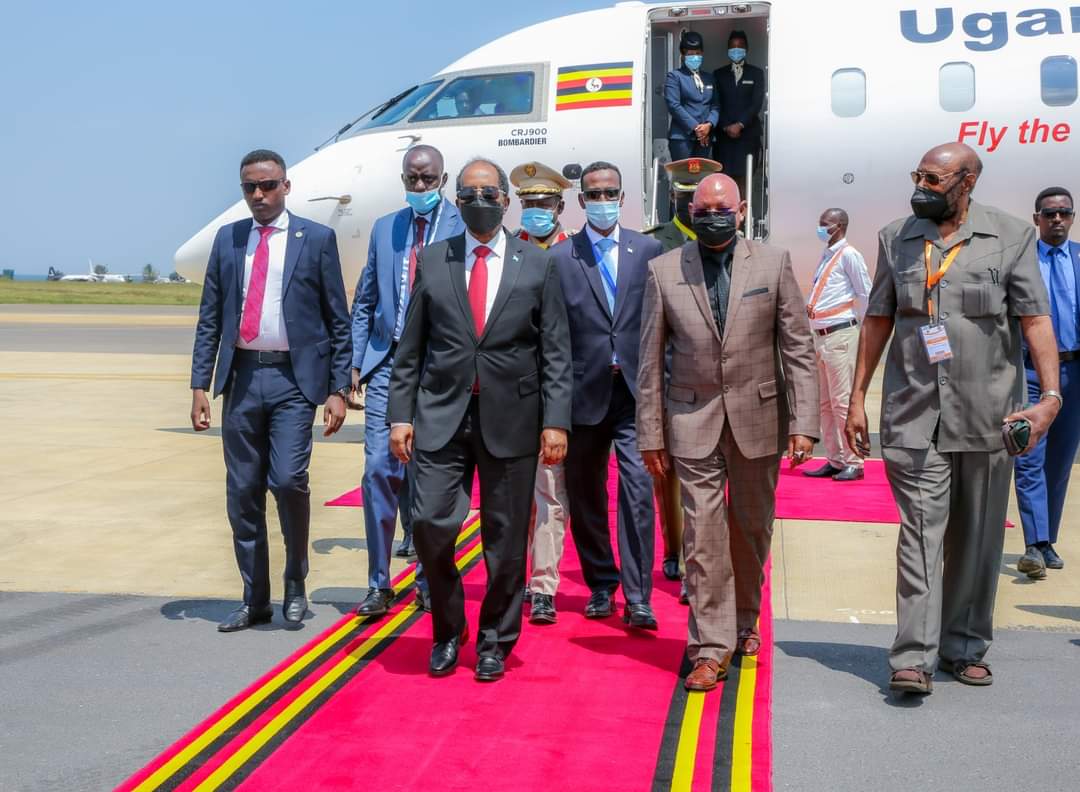
President @HassanSMohamud today arrived in Kampala, Uganda for a three days official visit. During the visit, the President will hold bilateral talks with his host President Yoweri Museveni and also attend a Somalia-Uganda Economic Forum.
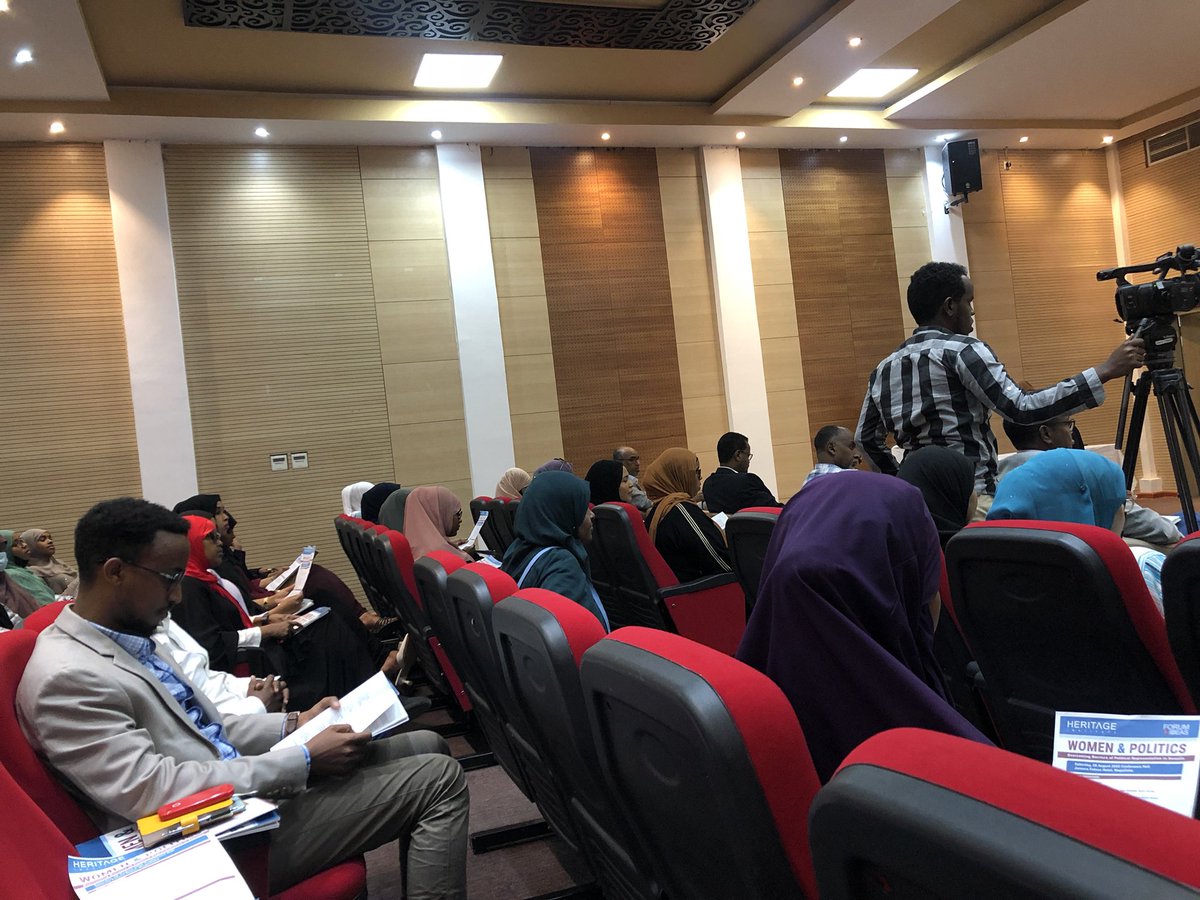
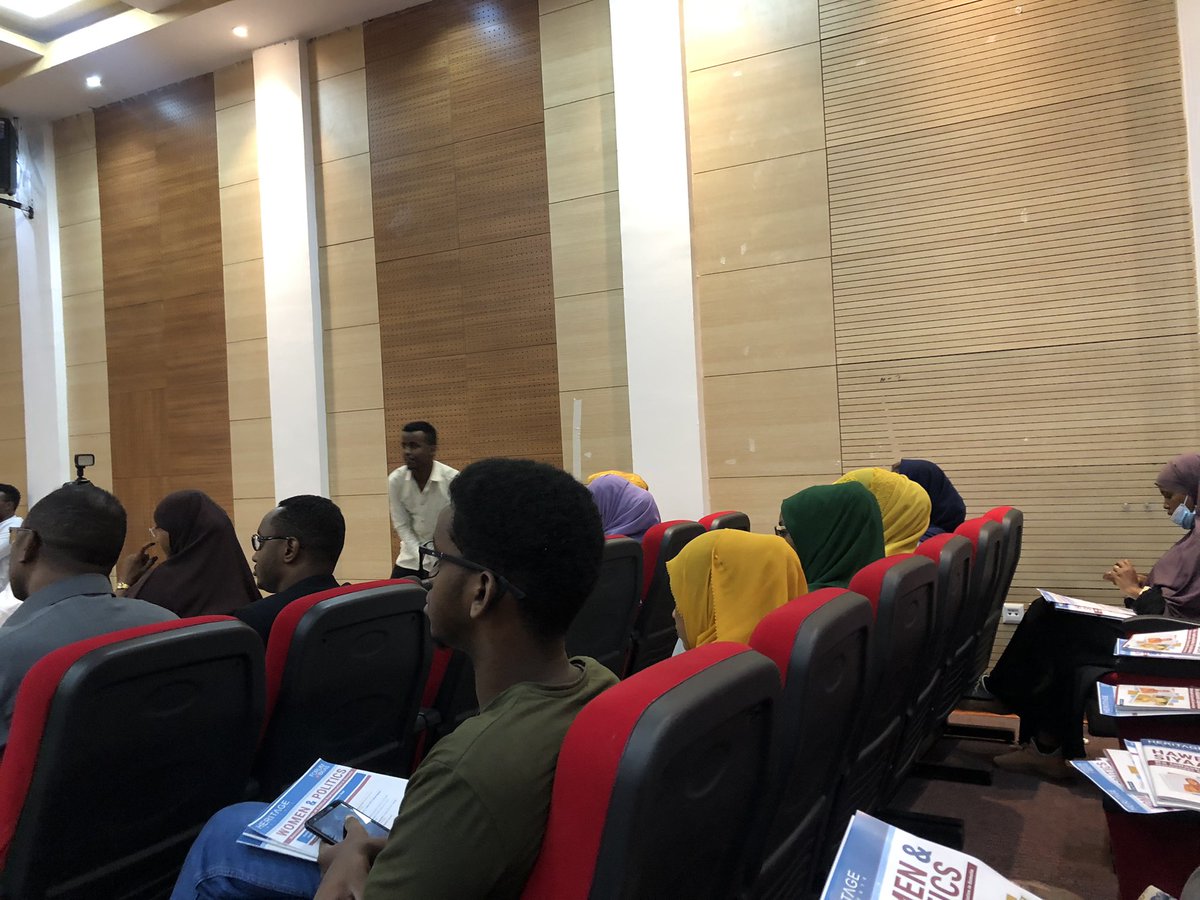
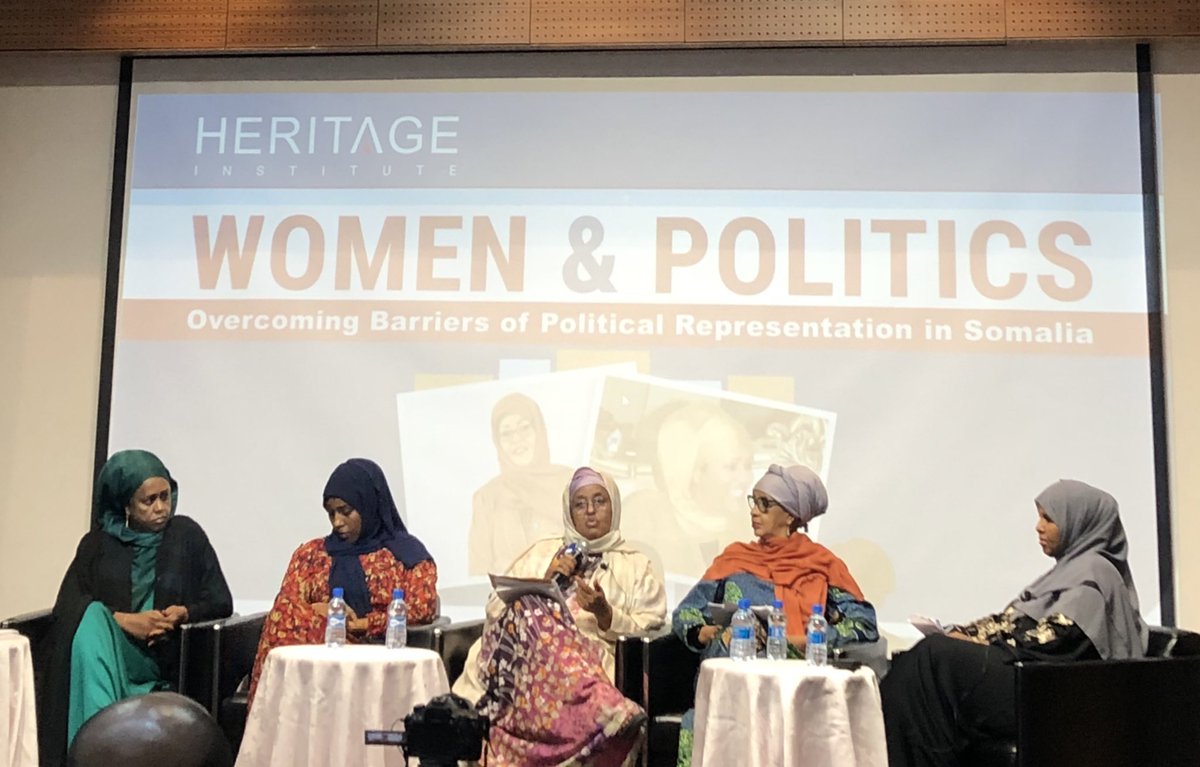
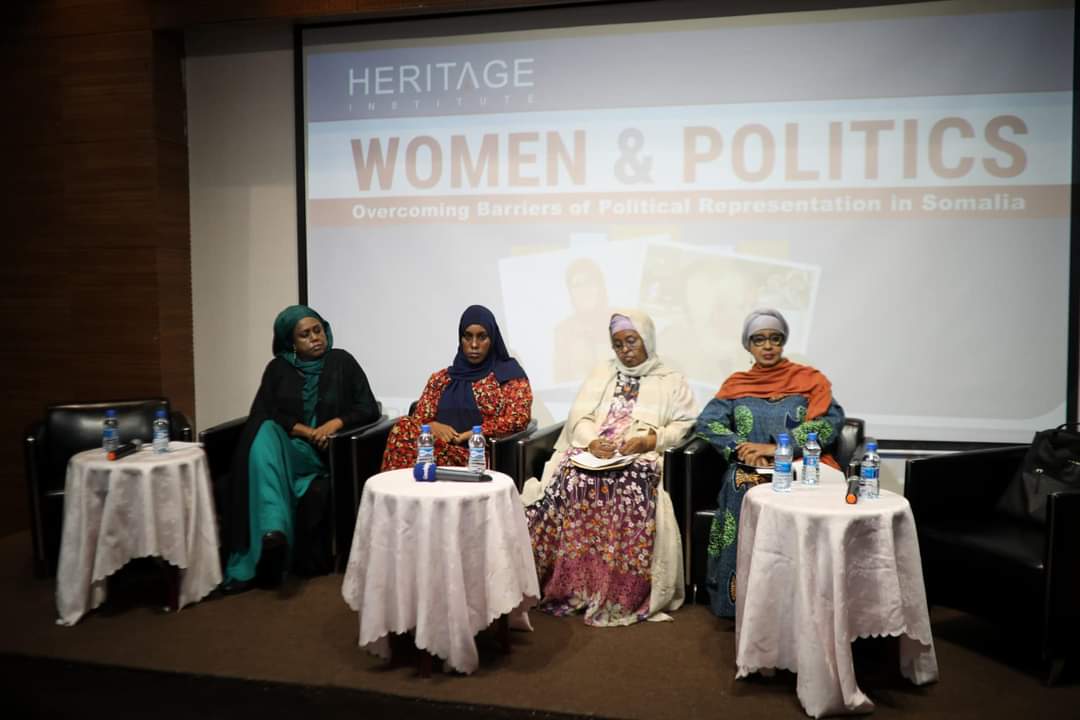
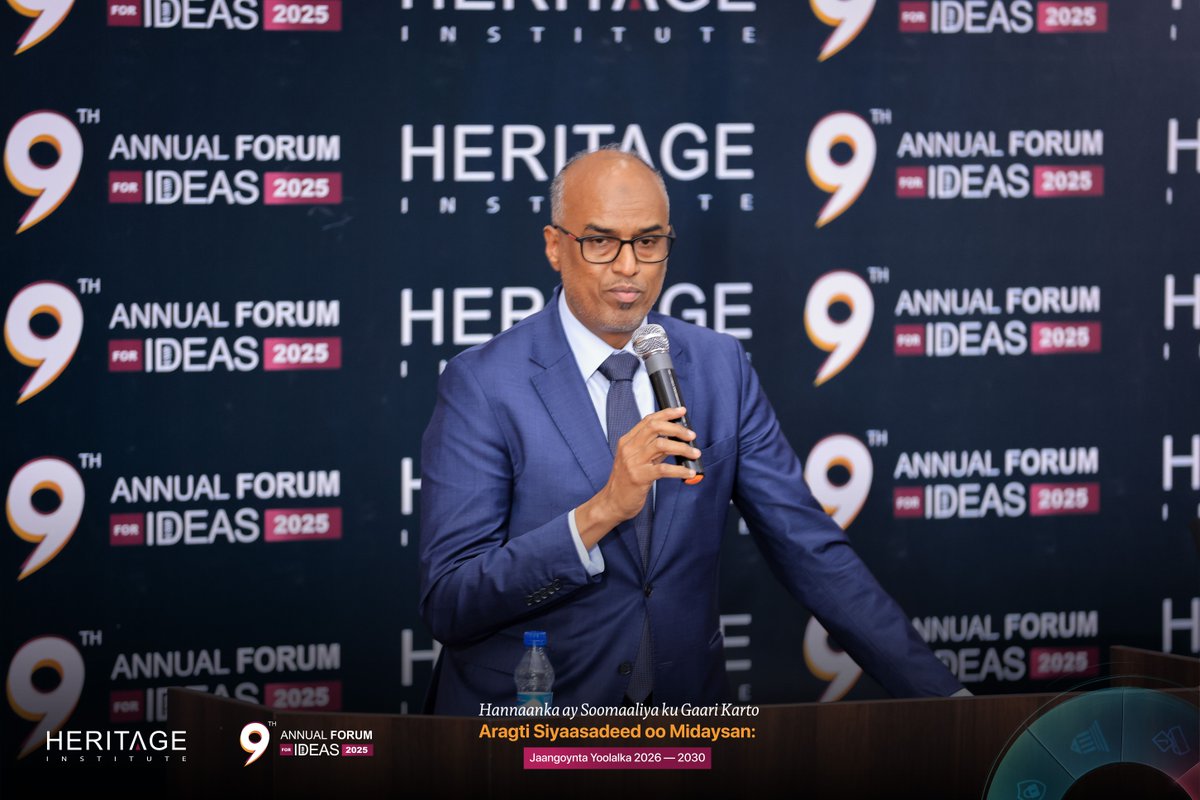
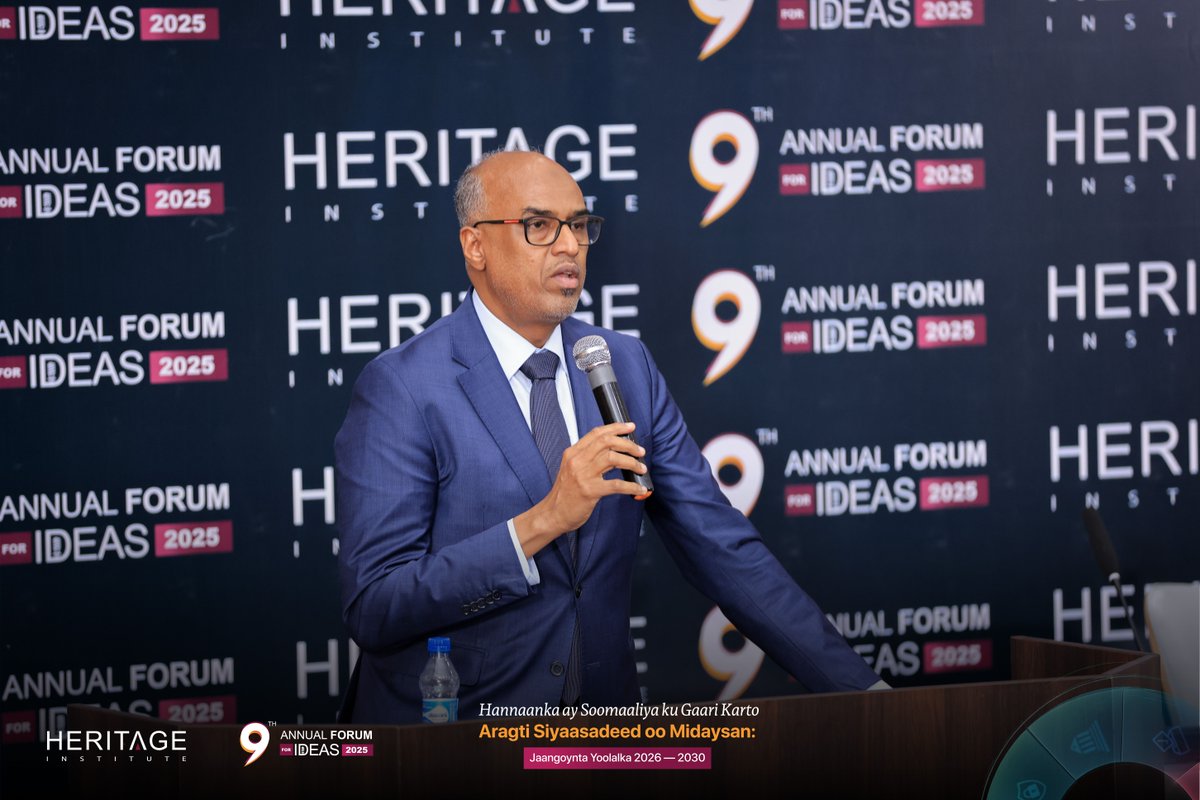
A forum for ideas to discuss Women and Politics organised by @HIPSINSTITUTE has been held in #Mogadishu, on Saturday. Somalia’s former Deputy Prime Minister, Fauzia Haji Adan, @Hanifaxabsade, outgoing Minister of Women and Human Rights & other distinguished dignitaries attended.
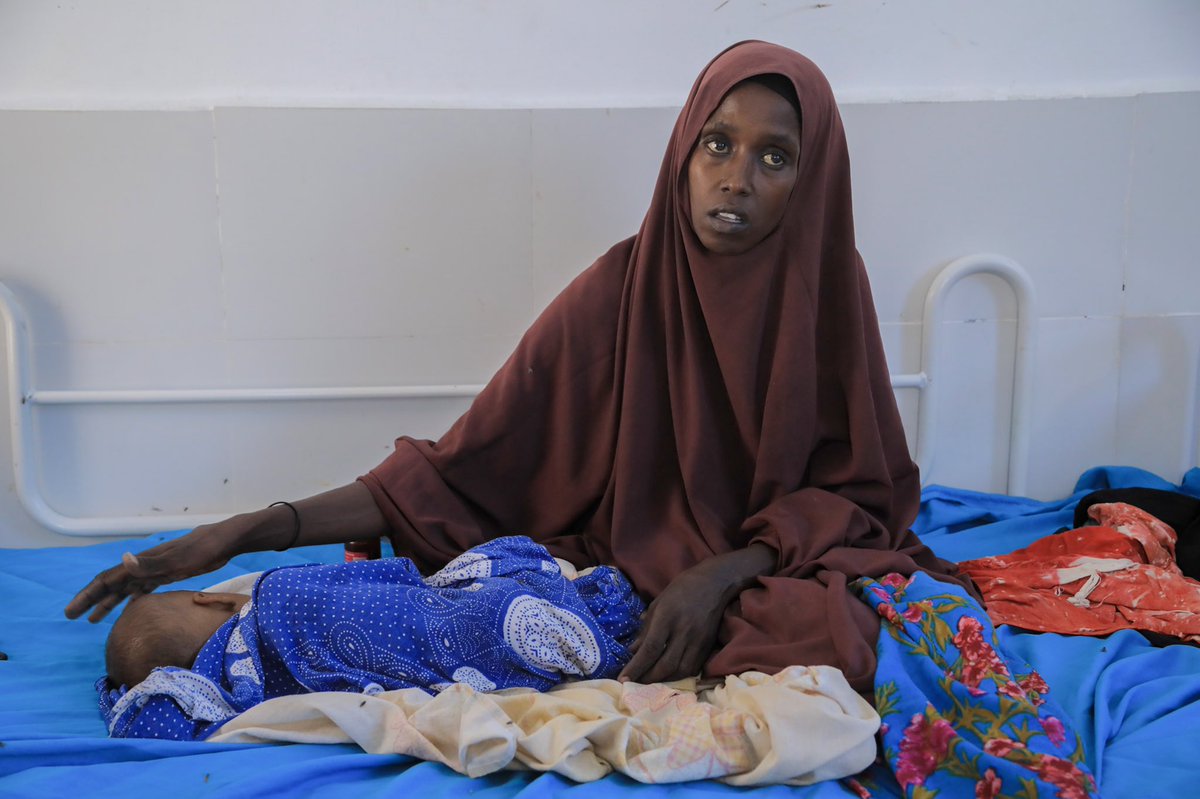
I visited the @Martiini_Hosp this morning. I saw many severely malnourished children. I appeal to the Gov’t of @ItalyinSomalia to restart its support program to this facility. I also call on @WHOSom, @unicefsomalia@ICRC, @SaveChildrenSO & other agencies to support the hospital.
I briefed the Consultative Meeting of the Foreign Affairs Ministers of the @arableague_gs on #Somalia’s drought response and urged for urgent intervention. Investments in agriculture, fishing, and renewable energy is key to addressing food insecurity in #Arab countries.