Personal account of a former Army PAO and current — not allowed to say; still in the game. (RT/following =/= endorsement). Opinions my own. Dogs, otters, heroes
On This Day — May 25, 1948
They put a bullet in the back of his head.
The man they executed that day was Witold Pilecki — the only person in history who voluntarily walked into Auschwitz.
In 1940, this Polish cavalry officer deliberately got himself arrested during a Nazi roundup in Warsaw. Using a false identity, he entered hell as prisoner #4859.
For two and a half years, Pilecki lived as a starving skeleton in striped rags while secretly building a resistance network inside the camp. He smuggled out the first detailed eyewitness reports of the Nazi death machine to the Allies — gas chambers, selections, medical experiments, and the systematic murder of Jews.
While he was there, more than 1,000 Jews per day were being gassed and burned. At its peak in 1944, the killing rate reached more than 6,000 per day.
He saw it all.
He documented it all.
He risked everything so the world would know.
In April 1943, Pilecki escaped by overpowering a guard at a bakery outside the wire. He rejoined the fight, battled in the Warsaw Uprising, and later resisted the Soviet occupation of Poland.
For his courage, the communist regime tortured him, staged a show trial, and executed him on May 25, 1948.
One of the great heroes of the 20th century.
Remember his name: Witold Pilecki.
"Ugh, only humans wage war on each other"
~Some 14 year old
"Let the seas boil! Let the stars fall!"
~Tortoise after his leaf is eaten by another tortoise over a century ago
The video for "Where The Streets Have No Name" was recorded live on the roof of a liquor store in Los Angeles (1987). U2 played the whole song non-stop and the crowd that formed on the street was so large that it caused a gigantic traffic jam. The police arrived, threatened to arrest everyone and turn off the power, but the band finished the song anyway.
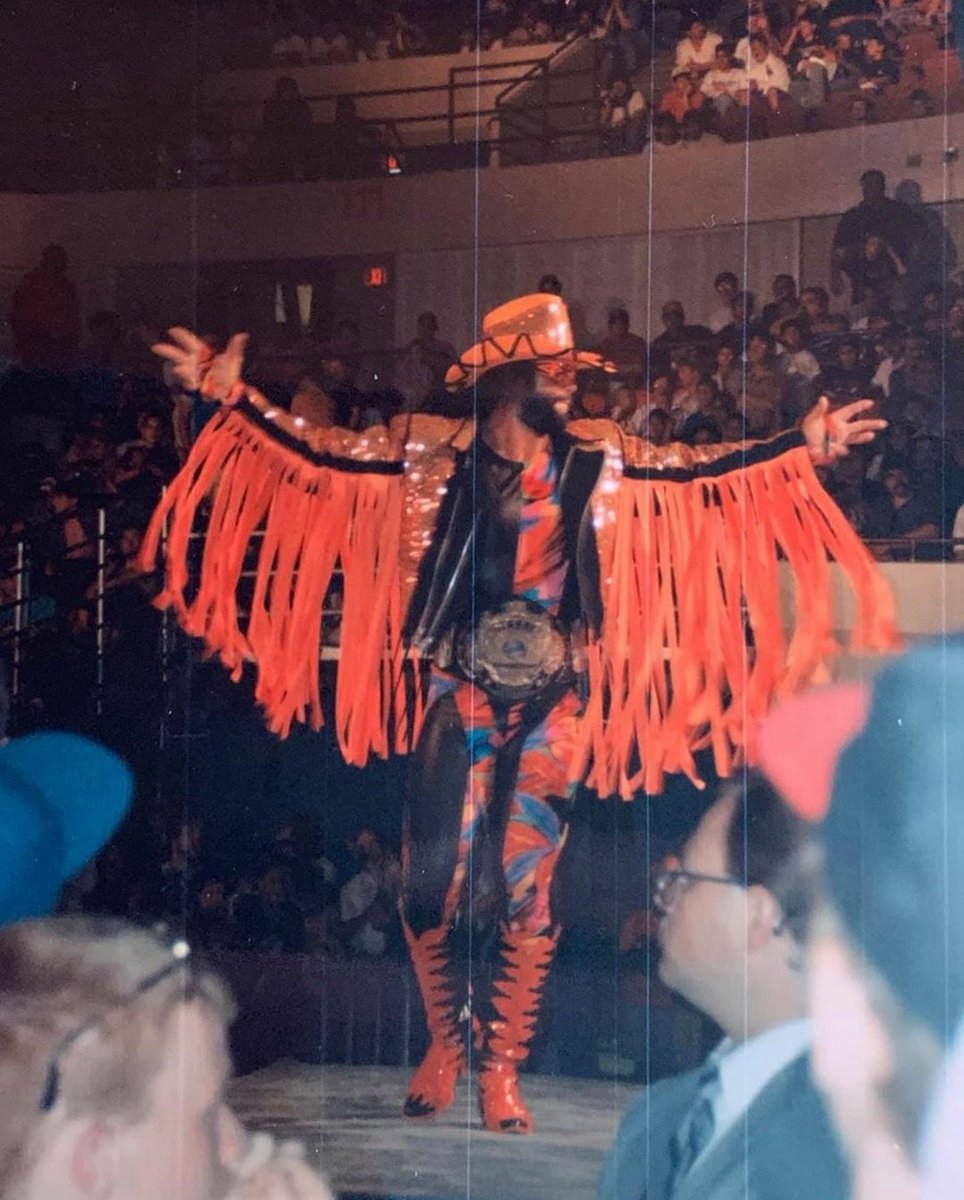
15 years ago today, the wrestling world lost the one and only “Macho Man” Randy Savage. A larger-than-life superstar with unmatched intensity, charisma, and one of the most unforgettable voices and personalities to ever step inside the squared circle.
Randy wasn’t just a great wrestler… he was an icon who helped define an era and inspired generations of performers and fans alike. His legacy still lives on every time someone says “Oooh yeah!”
Gone far too soon, but never forgotten. RIP Macho Man. 🙏
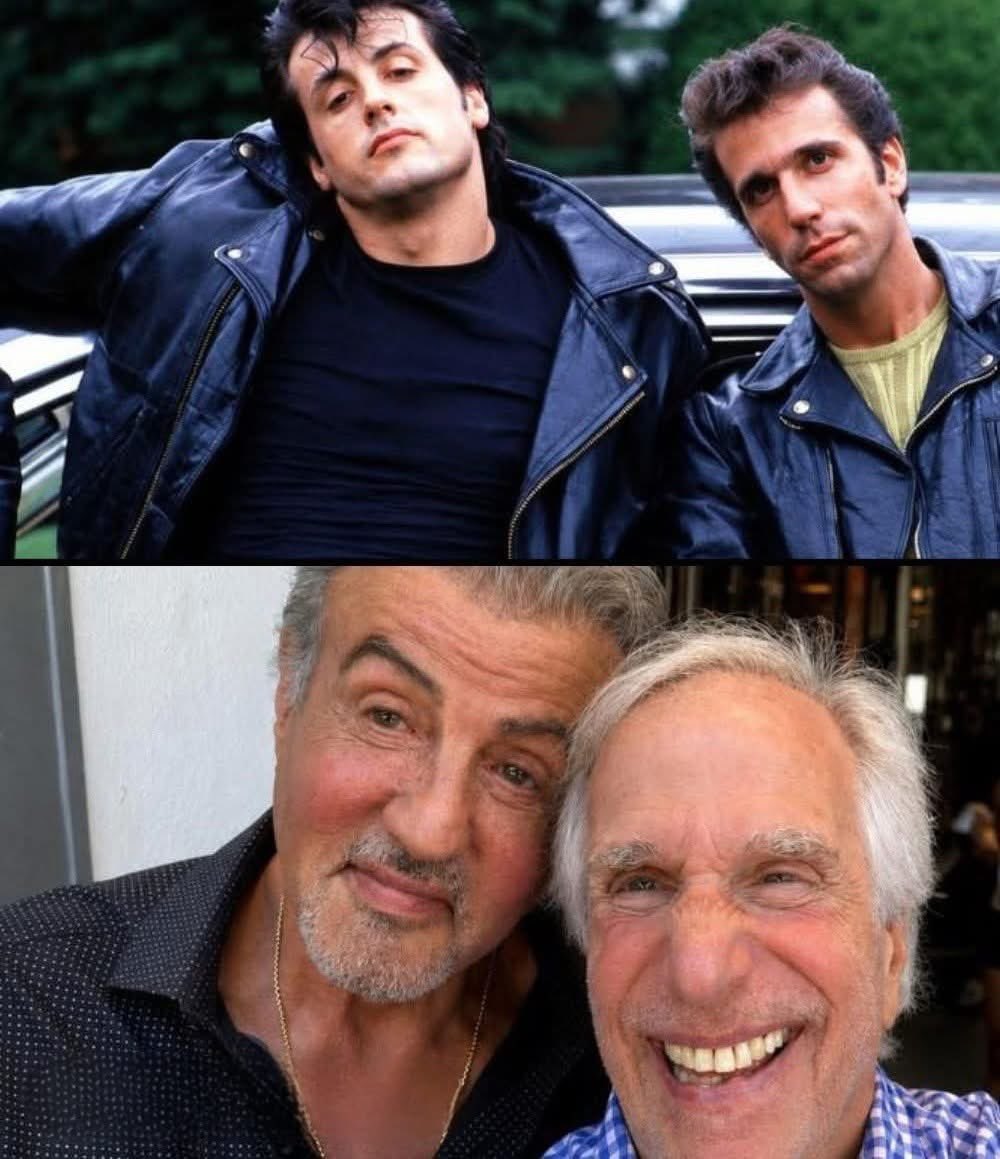
In 1974, Sylvester Stallone was walking around Hollywood with a worn script under his arm and almost no one willing to listen. It was Henry Winkler, then a rising star from Happy Days, who stopped and believed in him when everyone else had already dismissed him.
At the time, Stallone was in a difficult situation. He was going from audition to audition without success, had very little money, and was desperately trying to sell a handwritten screenplay he considered his only real chance.
That script was called Rocky.
He had written it in just a few days after watching the fight between Muhammad Ali and Chuck Wepner. Inside that story was much of his own life: struggle, rejection, and the feeling of constantly being underestimated.
Film studios read the script and recognized its power, but they all had one condition: the lead role had to go to an established actor.
Stallone refused every time.
He would rather stay broke than see another actor play Rocky Balboa.
One day, after yet another failed audition, he found himself in a casting office with the tired expression of someone who had been fighting too long without success. Henry Winkler noticed him almost by chance.
At the time, Winkler was becoming famous for his role as Fonzie in Happy Days. He could have ignored Stallone like so many others did.
Instead, he stopped to talk to him.
Years later, Winkler said Stallone looked like one of those actors Hollywood had already decided to discard. But when Stallone began talking about the plot of Rocky, something completely changed. He spoke with a conviction that felt impossible to fake.
Winkler asked to read the script.
He took it home and finished it overnight.
The next day, he called his agent, Jackie Lewis, telling her that this young man had something authentic and that she absolutely needed to meet him.
It was a decisive phone call.
Jackie Lewis agreed to represent him, and the script finally began circulating among influential people in the industry. It eventually reached producers Irwin Winkler and Robert Chartoff, who immediately understood the story’s potential.
Even then, however, studios wanted a big star in the lead role. Major names such as Ryan O’Neal and James Caan were considered.
But Stallone kept saying no.
He would only sell the film if he could play Rocky himself.
In the end, the producers convinced United Artists to take the risk. They reduced the budget and agreed to give the lead role to an almost unknown actor.
The rest is cinema history.
Rocky won three Academy Awards and turned Stallone into a global star.
In later years, Stallone often recalled how important Henry Winkler’s support had been at that moment in his life. He said that that trust came precisely when he was beginning to lose hope.
And Winkler never publicly took credit for it.
He simply saw something in a man that everyone else had stopped seeing.