Millions of people routinely take nonsteroidal anti-inflammatory drugs (NSAIDs), such as Advil and Motrin, with usage being especially common among individuals who exercise. Emerging research shows that NSAIDs effectively reduce pain and inflammation, but may influence muscle-building processes.
Here are some evidence-based takeaways:
--Occasional NSAID use is unlikely to meaningfully impair hypertrophy.
--Chronic or high-dose NSAID use may blunt muscle growth in healthy young individuals.
--NSAIDs appear to impair satellite cell activity, which could limit long-term hypertrophy potential.
--Older adults or individuals with chronic inflammation may potentially benefit from chronic NSAID use.
--Human research is somewhat limited and mixed, with outcomes likely depending on dosage, duration, age, training status, and inflammatory state.
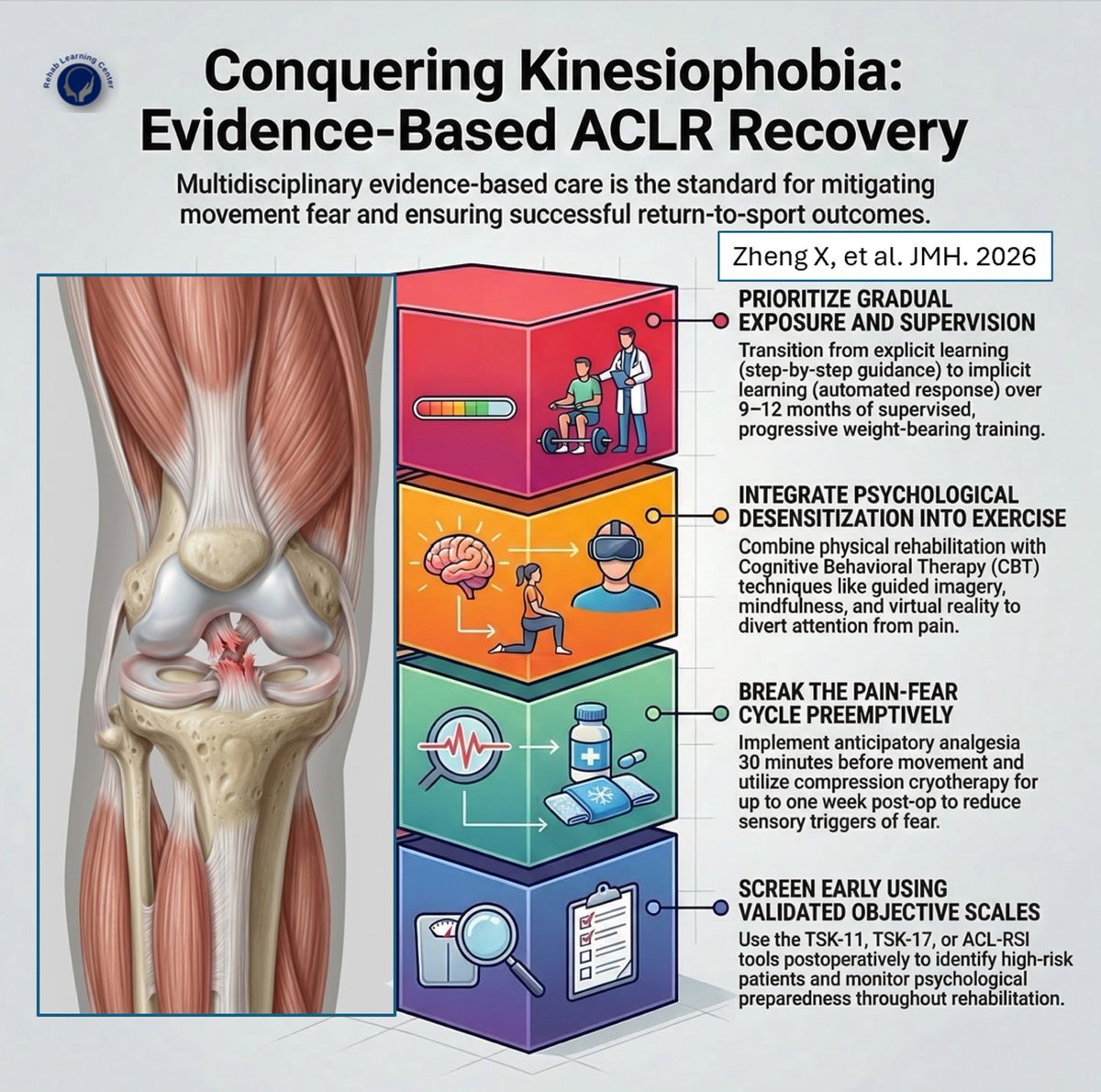
Zheng et al. provide a comprehensive framework for addressing the psychological barriers that often prevent athletes from RTS post surgery-requires a biopsychosocial approach that integrates pain management, cognitive correction, & supervised functional training.
Thoughts?
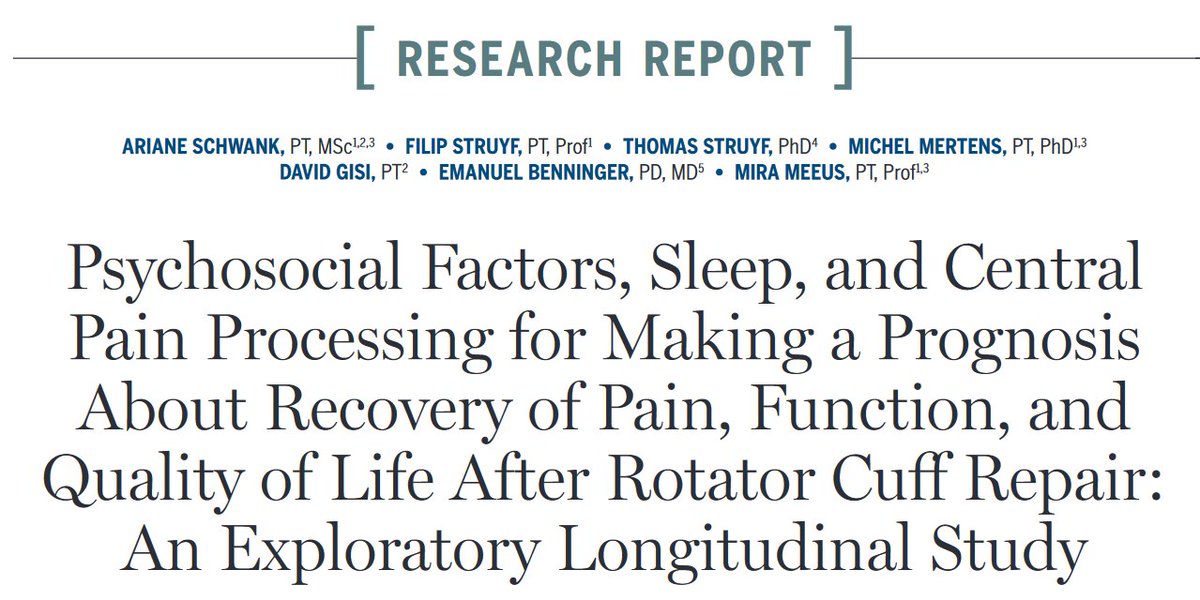
Dear X Friends, 13 strategies to address barriers to implementing #sleep training within #physiotherapy practice 4 chronic #pain. Top priority strategies focus on #education & #training of PTs, structural changes & raising awareness. Spread the word! https://t.co/dPlgQeCXeq
NEW RESEARCH—Cognitive functional therapy, with or without movement sensor biofeedback, produced sustained effects at 3 years versus usual care for people with chronic disabling low back pain https://t.co/RGpfT9XT26
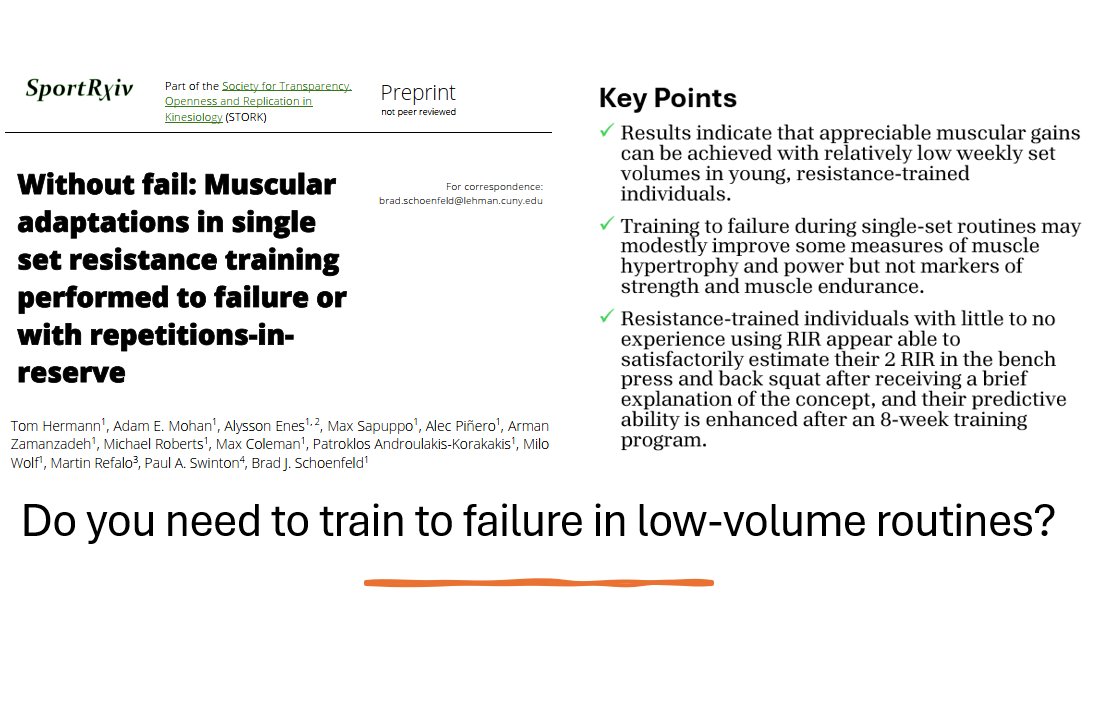
Biggest takeaway from our new study is performing just 2, 30-min RT sessions/wk promotes appreciable gains in strength & size, even at submax effort. Given time & discomfort are major barriers to RT adherence, this has huge implications for the gen pop https://t.co/ELev4iHli1
If my home and family was flooded out
I’d hope a few twitter peeps would at least share the message of my go fund me page.
If you share @MarkMilliganDPT message 👇🏾
We will donate $20 for the next 60 min.
Missing a cervical spine injury could be devastating. My colleague Dr. Matt Carlson breaks down must-knows and don't misses in his presentation on evaluation of the cervical spine in the #emergencydepartment.
The #Topofscope Summit lineup is absolute 🔥. Don't miss out on this C
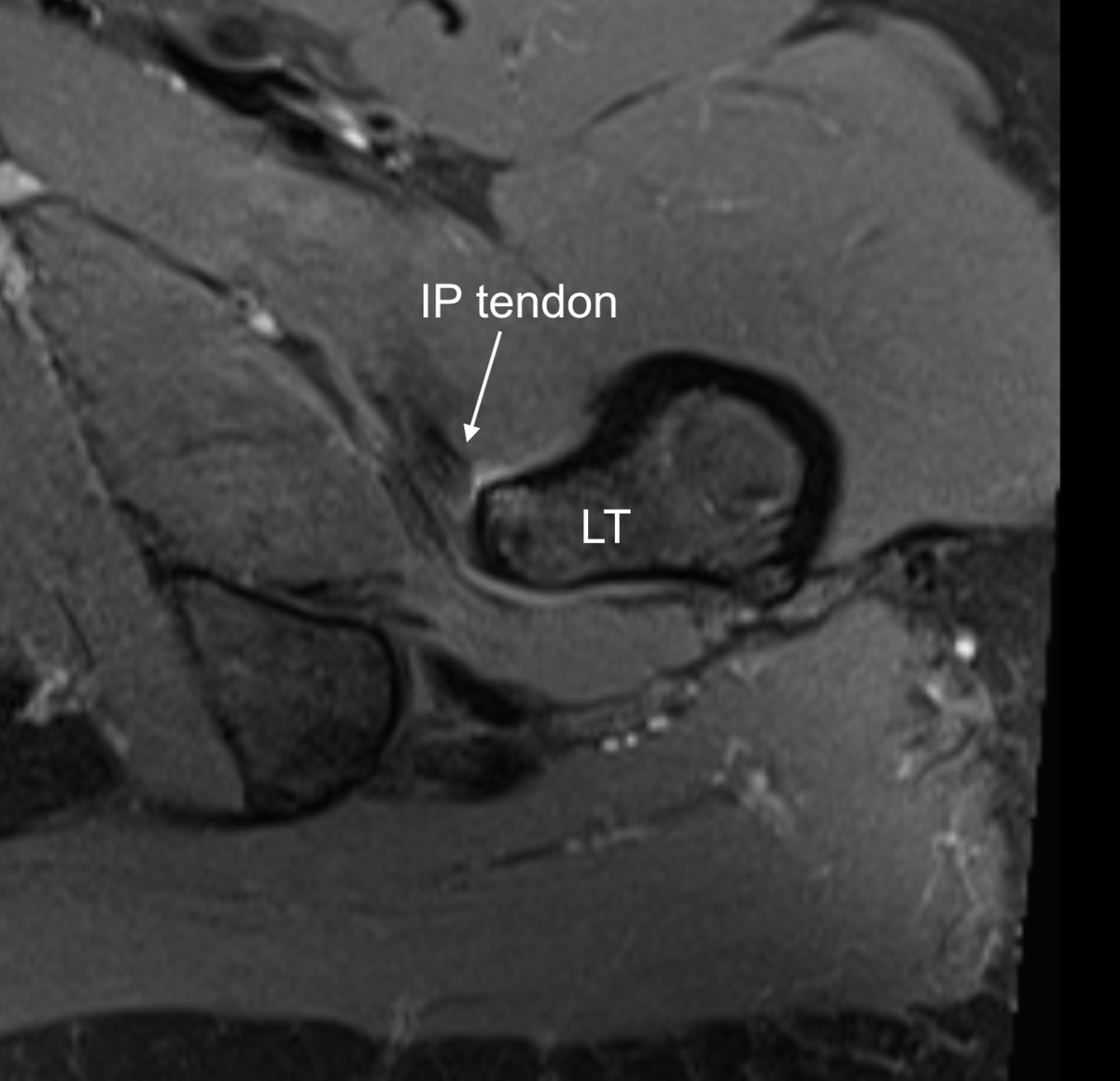
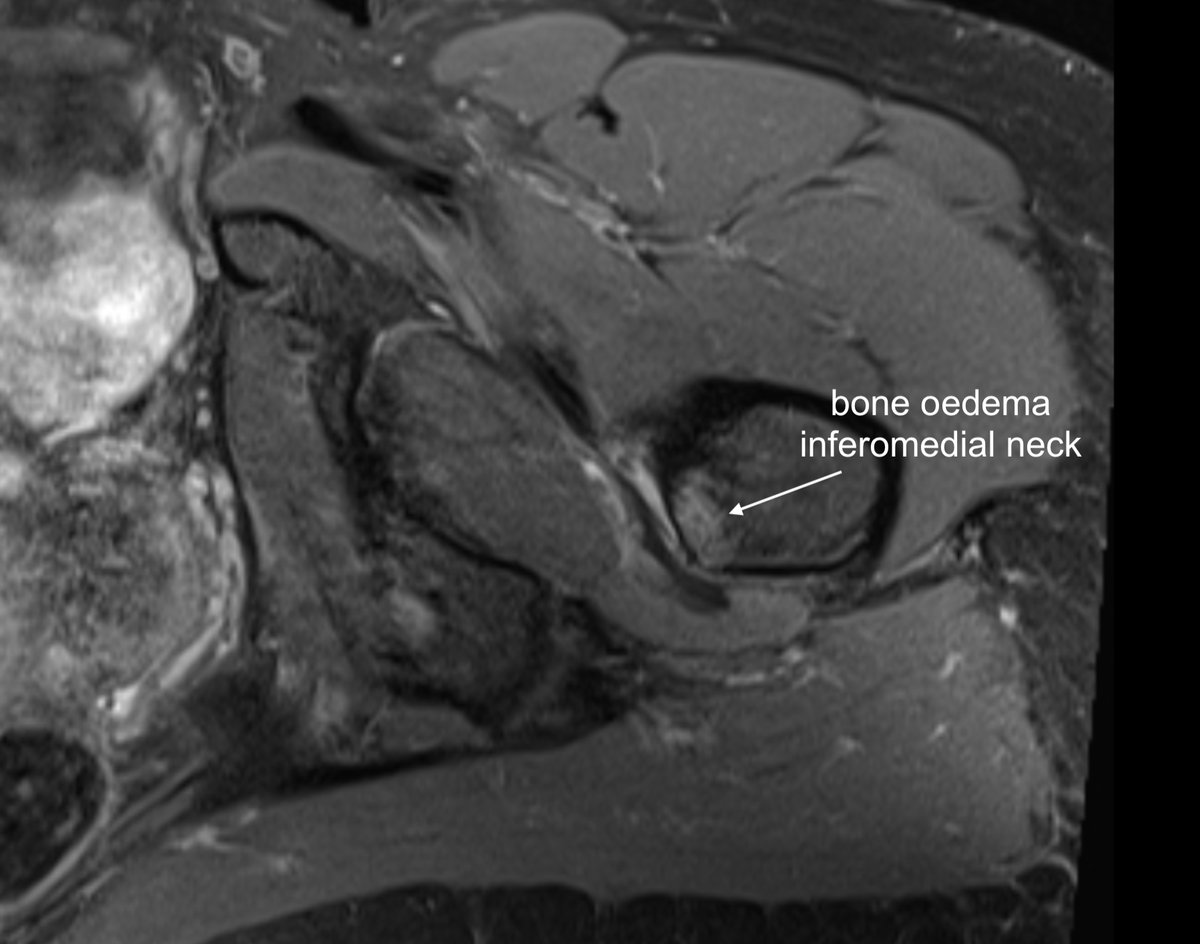
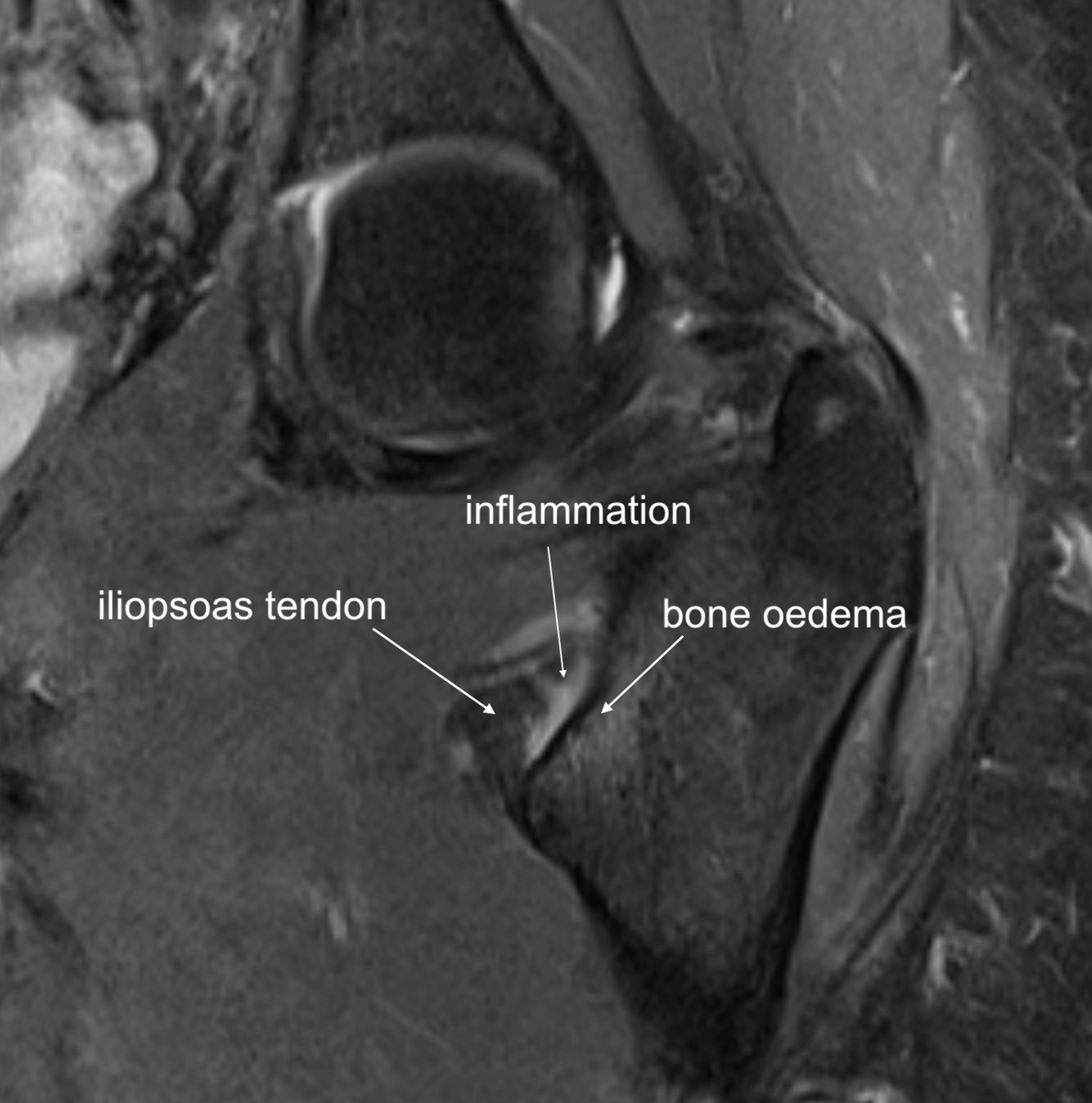
MRI results 🤓 -
inferomedial neck of femur stress response extending towards lesser trochanter - iliopsoas tendon involved (inflammation) at insertion
See annotated images
Hence pain on hop test & pain / weakness on loading iliopsoas
History key - exam can be misleading re hip flexor
Positive Hop + positive FADIR + asymmetrical weak hip flexor + runner = femoral neck stress # until proven otherwise
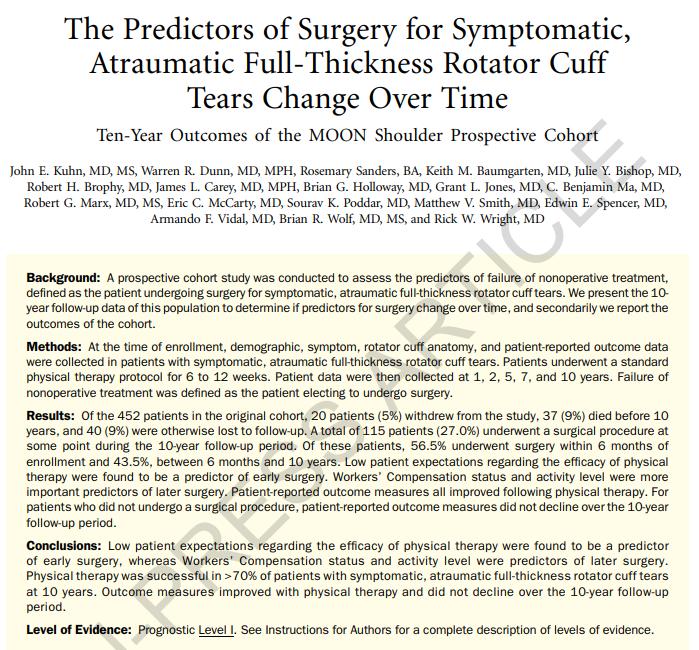
Interesting paper out of @jbjs. Patients with low expectations trended towards surgery, yet PT effective for almost 75% at 10 yrs. Lotsa power in that brain and what people think. Maybe what we say can be influential.
I am now back running 6 weeks after a 9 weeks absence due to a high grade stress fracture. I'm now back building volume & so happy to be running again. A huge thanks also to @rwilly2003 for his unparalleled knowledge & guidance when it comes to bone stress injuries.
📣 Book recs for anyone interested in PAIN 📚
The Pain Mgmnt Workbook
The Body Keeps the Score
Drug Dealer MD
Pain: The Science of Suffering
Anything by Lorimer Moseley
The Brain That Changes Itself
Saving Normal, @AllenFrancesMD
More resources here: https://t.co/hD92s7Dw1S 🔥🧠
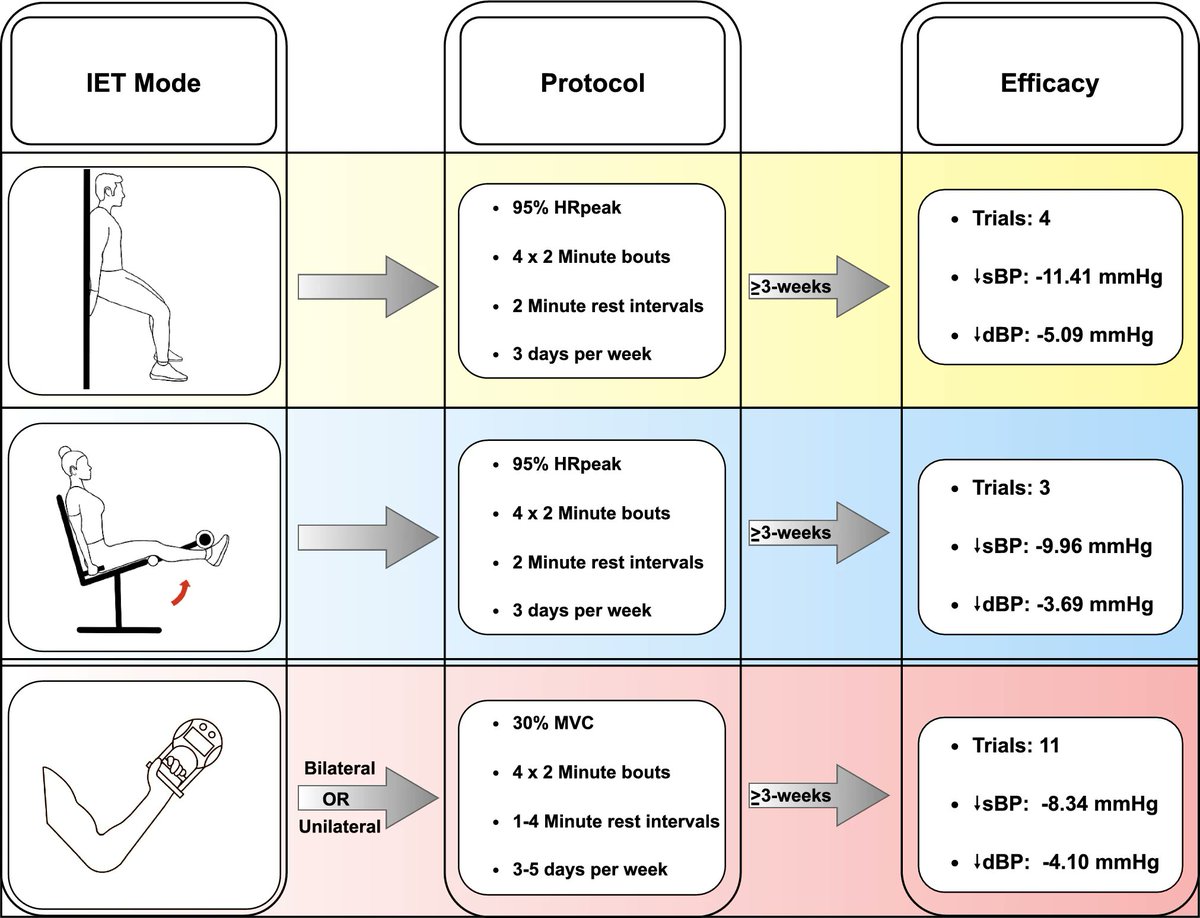
Studies like this are of significant public health importance, showing that simple isometric exercise protocols, that can be done at home, play an important role in managing hypertension.
https://t.co/VjjlOWsqOi