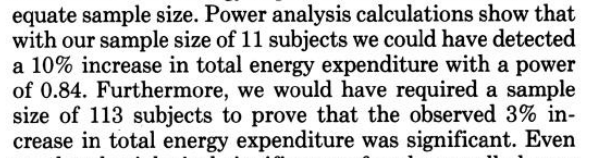
@HermanPontzer@BioLayne@kurzgesagt Enough power for what? The study was only powered to detect a 10% increase in total energy expenditure.
So I don't think this study is a strong test of whether exercise energy expenditure is fully compensated for.
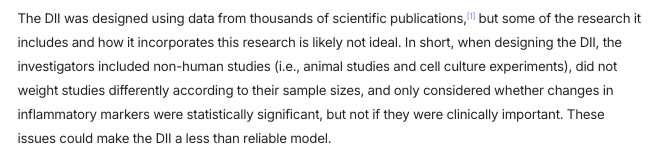
@HermanPontzer@BioLayne@kurzgesagt Since this non-randomized study only had 11 participants, isn’t a likely explanation for a lack of statistical significance that it had limited statistical power?
In a new randomized controlled trial, skipping breakfast did not clearly worsen mood, sleepiness, or cognitive function in teenagers (13–15 y/o) when compared to regular low-GI breakfast (w/ or w/o nitrate supplementation).
https://t.co/vueL7y2yHU
@theproof Also, I feel it's not being highlighted that (based on Nick's prev reported lipid levels) his LDL would have been around 300 mg/dL after the diet, which doesn't seem to exonerate (egg-onerate?) eggs imo.
fwiw I eat 3 eggs/day, but recognize it's not a black/white issue.
A new study analyzed a single dataset on red meat and mortality 1,208 different ways
In an article for @Examinecom, I discuss why researchers did this, what it tells us about epidemiology, and why it doesn't tell us much about red meat and health.
https://t.co/ggRtEqDdFG
This crossover trial found that a vegan diet, but not a Mediterranean diet, substantially reduced people's estimated intake of advanced glycation end products (AGEs).
I think the jury is still out on the harms of AGEs, but interesting data nonetheless.
https://t.co/lqpQ4UTQne
@willeybrown777@redpenreviews "Nothing factual"
From the review: "The dietary recommendations in The Diabetes Code will likely help people with or at risk of T2D to lose weight and control their blood glucose levels"
So you don't think that's factual, interesting.
@richcollins@sguyenet Disagrees with the claim that T2D remission rates are rarely investigated.
Then doesn’t cite any studies investigating T2D remission rates.
Make it make sense.
🔎New study out from our Dartmouth team! 🔍
🧬Genetics interact with cue reactivity!🧬
https://t.co/Kn3Qs5vDaO
"Each FTO risk allele was associated with a 30% increase in [intake]... Food cue exposure exacerbated associations between the FTO variant with gummy candy [intake]."