We’re aiming to secure a future where our #nativeplant#diversity is valued, understood, and conserved for all 🌱 One of the ways we’re achieving that is by growing our collection, research and restoration contributions. More in our Strategic Plan 👉🏼https://t.co/ejTom32bsI
The Swedish Taxonomy Initiative and ForBio are offering a three-day course on what to consider when naming and describing taxa: “Nomenclature codes in biology” (https://t.co/CD1wYtHF0M).
Want to understand ecology using molecules? Know you need lots of genetic data? Wonder about next generation sequencing but not sure how to start?
Come attend the SERB Karyashala: NGS for molecular ecology @NCBS_Bangalore! 21-27 August, 2023. Apply here https://t.co/AgEvlCKhbd
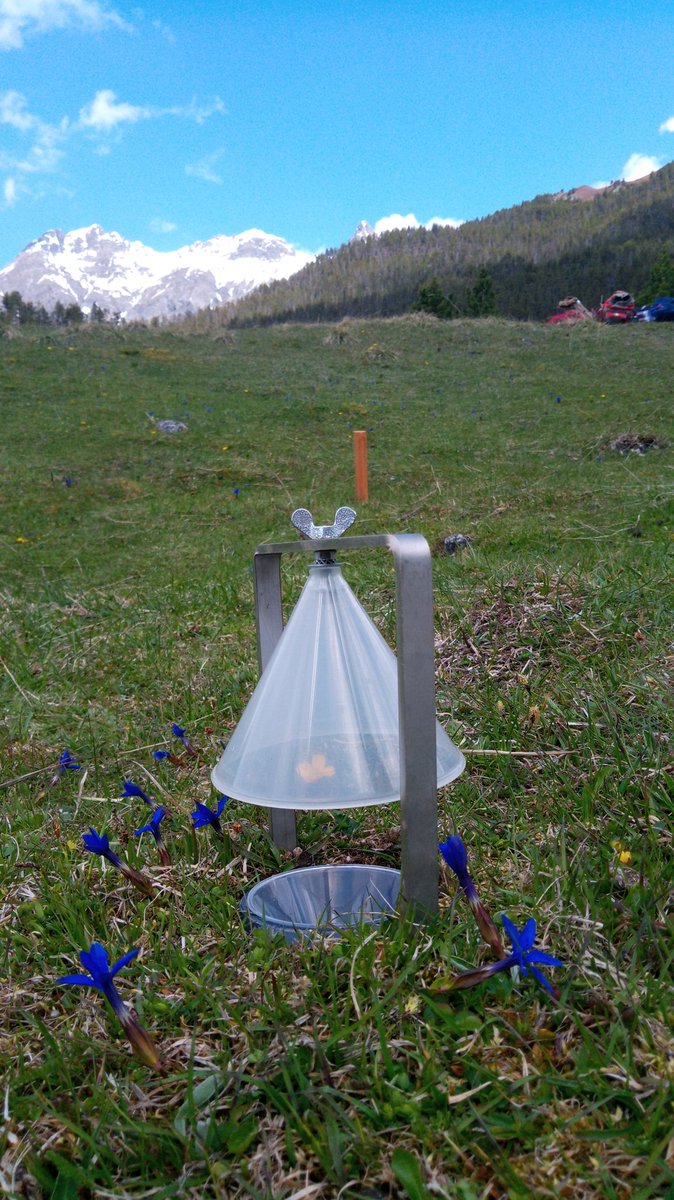
To all #InsectMonitoring scientists, I need your help! We are starting a small pilot study soon but are still unsure which solution to use in our pitfall traps. Ethylene glycol (EG), ethanol+EG, copper sulphate - what's best for DNA barcoding but has a low attractiveness to 🪲🪳?
I have no words.
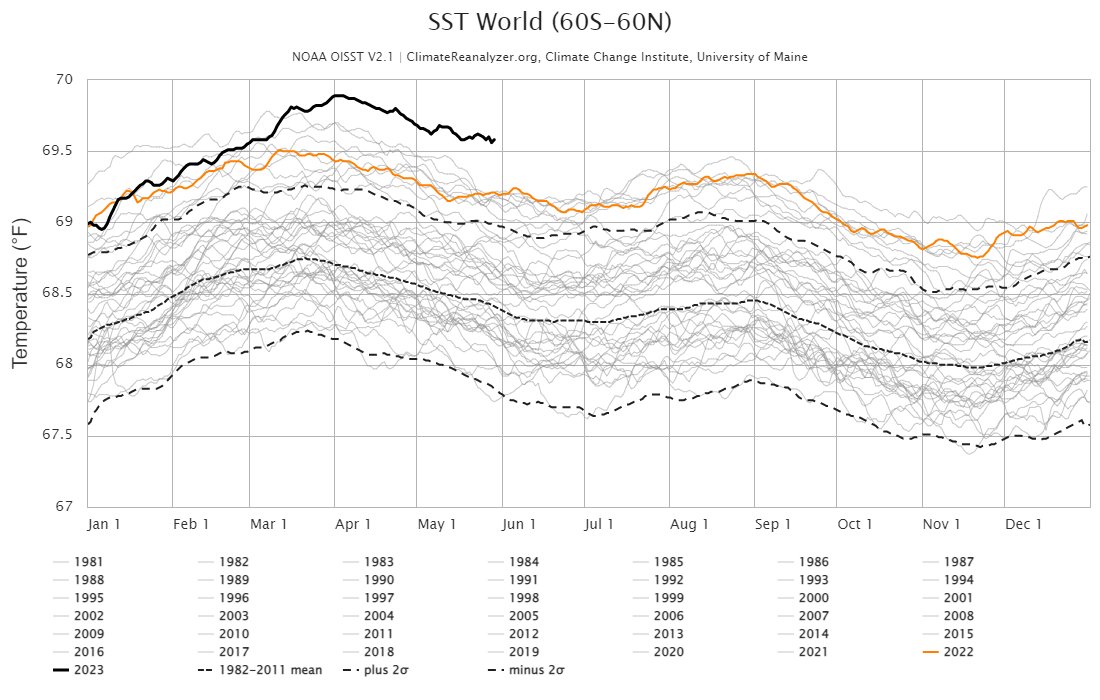
The world's oceans are 0.4°F warmer right now than any other year on this date on record.
A single year... sitting 0.4°F above the previous daily record.
How do we even tell the public this?
Generating data through public engagement has been great for #SciComm. @flygirlNHM exudes about the popularity of Diptera recording schemes & encourages everyone to take part. Now is a great time to get yourself involved in #BeeFlyWatch
👇👇👇👇
https://t.co/pQjAaRQGFl
Eye of a hornet, Vespa crabro. Here you can see a first result of the insects sputtered with gold by „eye of science“ The section of the compound eye is surprisingly sharp even with a magnification of 5:1. For a simple explanation: Sputtering describes a physical process in which atoms are released from a solid target (here gold) and transferred to an object (here the hornet). In this case it was used to take pictures of the hornet with a scanning electron microscope. I always wanted to photograph these gold blanks with "real light". Et voilà 😇
#hornet #vespacrabro #hornisse #hymenoptera #insects #entomology #microscopy #gold #sputtering #rem #sem
#𝑺𝒂𝒓𝒄𝒐𝒄𝒂𝒖𝒍𝒐𝒏 𝒔𝒑𝒊𝒏𝒐𝒔𝒖𝒎 (Burm.f.) Kuntze, Revis. Gen. Pl. 3(2): 33 (1898)
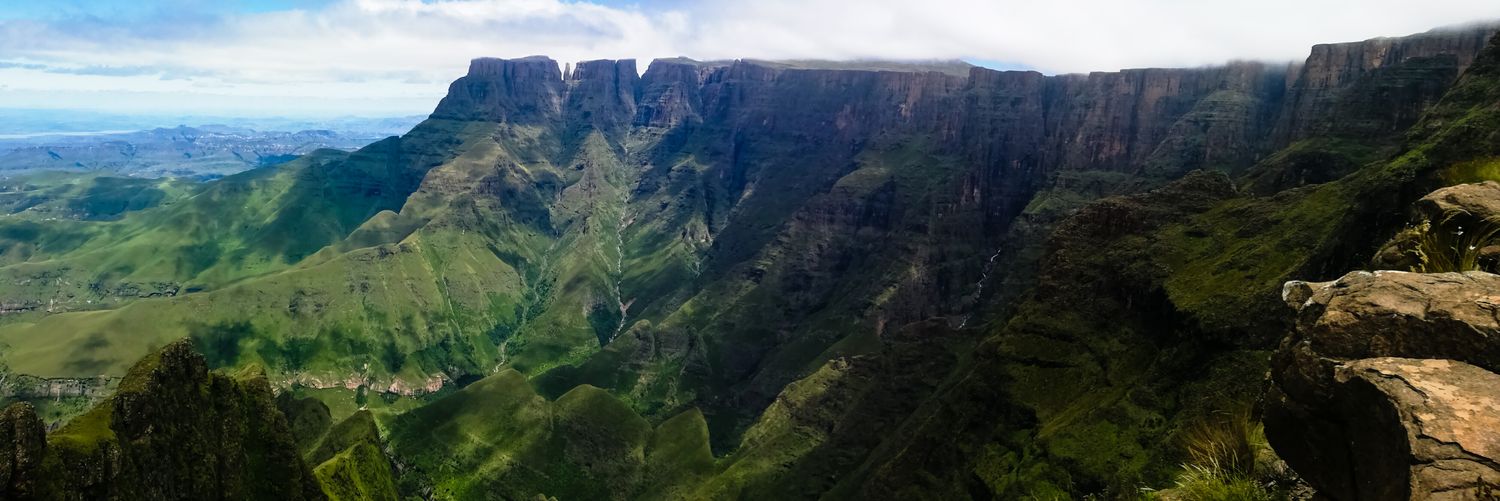
Namibia to W. Cape Prov. Succulent subshrub, desert or dry shrubland biome.
South Vioolsdrif, near the border of Namibia
Or photo by 𝑬𝒕𝒘𝒊𝒏 𝑨𝒔𝒍𝒂𝒏𝒅𝒆𝒓 2014
#𝑮𝒆𝒓𝒂𝒏𝒊𝒂𝒄𝒆𝒂𝒆 https://t.
📢 Opportunity: The Einstein Foundation Award @Einstein_Berlin will award up to €500,000 to individuals, institutions and early career researchers who strive to promote quality in research.
📅Deadline: 30 April 2023
🔗Apply here: https://t.co/y2k2o4gFih
"Regional ecological forecasting across scales: A manifesto for a biodiversity Hotspot" - implementing ecological forecasting in resource-limited areas like the Cape Floristic Region https://t.co/9520eebeIw @Glennwithtwons@AdamWilsonLab@BrianMaitner@UCT_news@saeonews@RK_ct
NEWS: Protected areas in Britain are struggling to halt declines in insects and spiders that have occurred over the past 30 years, according to a new study led by @UK_CEH 🕷️🐞🪰
Read more: https://t.co/DGrlmlmnNk
#BiodiversityLoss 🧵 1/5
Our lab has been producing free global datasets, apps and software to support ecosystem science and conservation. @jcu
Find them all here:
https://t.co/3SeMgEvl47
Do you want to model a species' distribution but do not know what R package to use? In our last contribution, we present a curated list of R packages for ecological niche models and briefly describe what each package does.
https://t.co/UhDtco5JFO
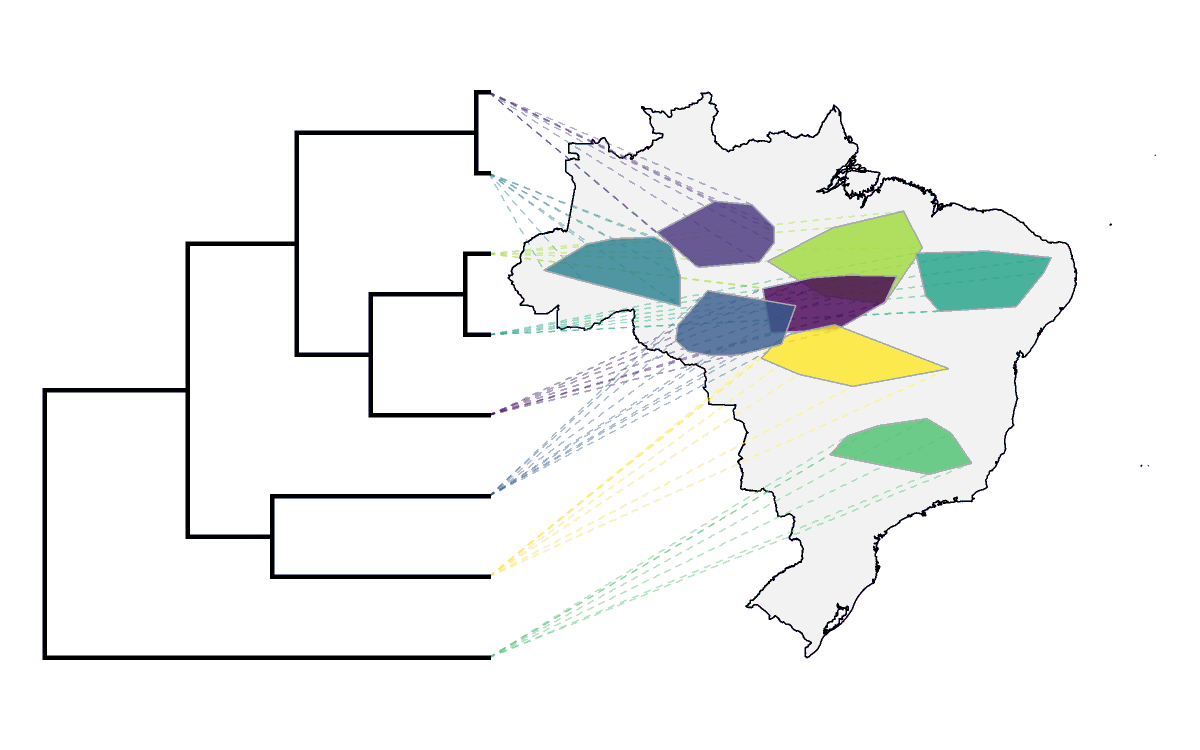
Did you know... that #Rstats#phytools can be used to project a phylogeny on a map in which species distributions are shown as convex hulls?
See how via the phytools blog archive: https://t.co/mdXrmBH4II.
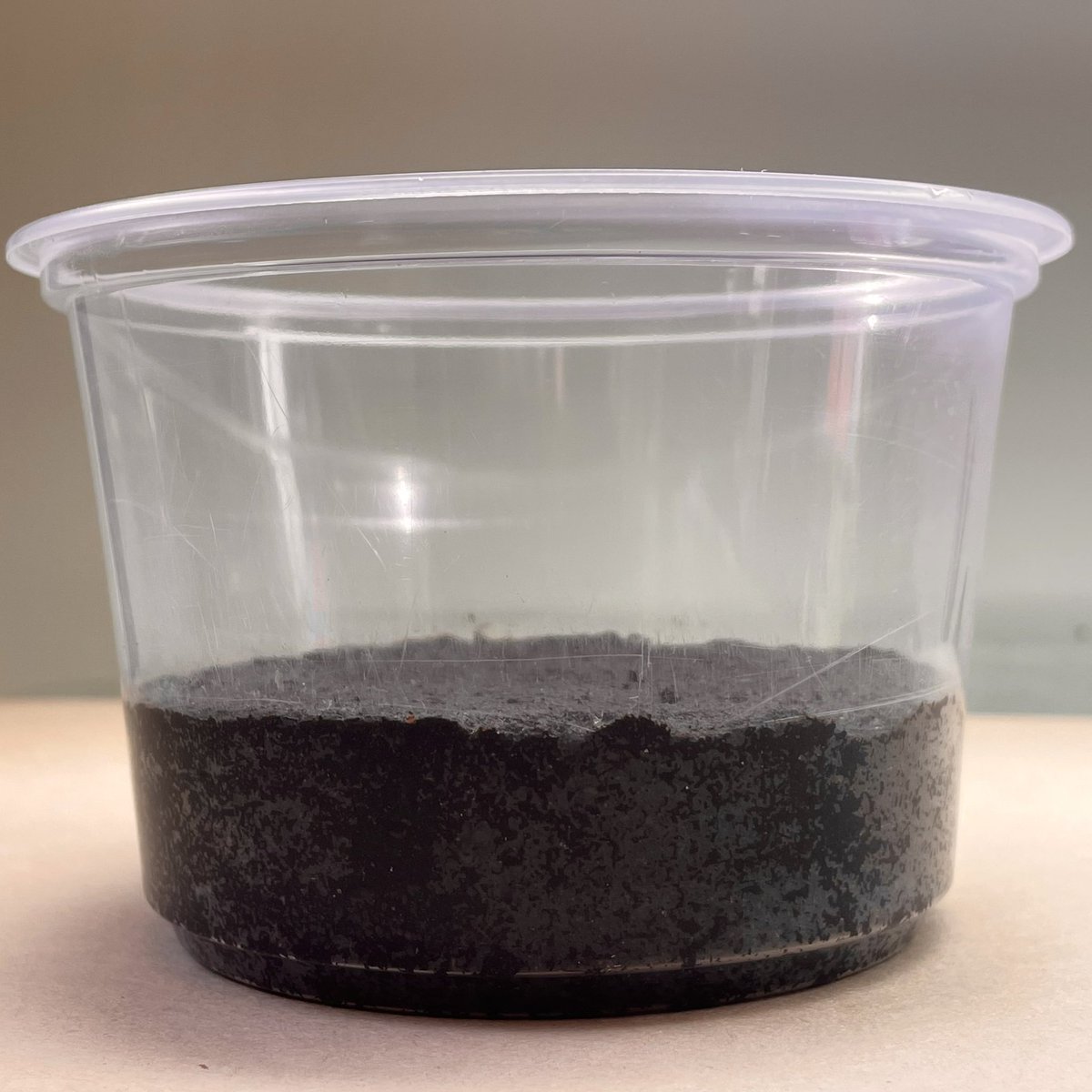
I breed a lot of isopods in deli cups. that might seem small, but can hold ~5-10 adults depending on species, perfect for the small populations in the early stages of breeding mutant morphs.
a short guide to how I make cups:
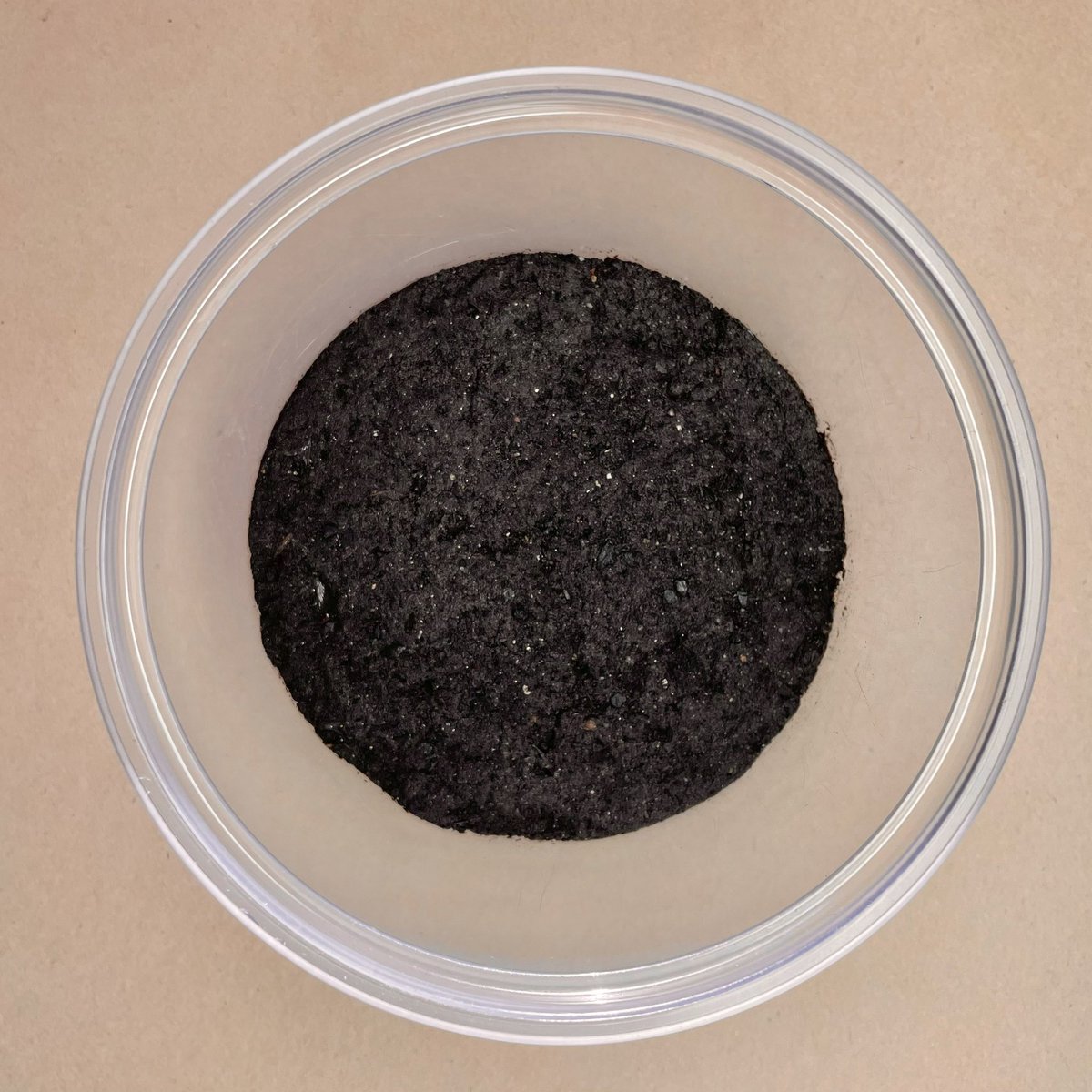
1. compact some soil until firm