Check out the latest article by Konrad Fiedler and myself on the phylogenetic structure of caterpillar communities. 🐛🦋 @FunEcology@univienna
https://t.co/NbwJekqDDK
Five good reasons not to dismiss scientific binomial nomenclature in conservation, environmental education and citizen science: A case study with bees - Vereecken - Systematic Entomology - Wiley Online Library https://t.co/ri3oPNf01o
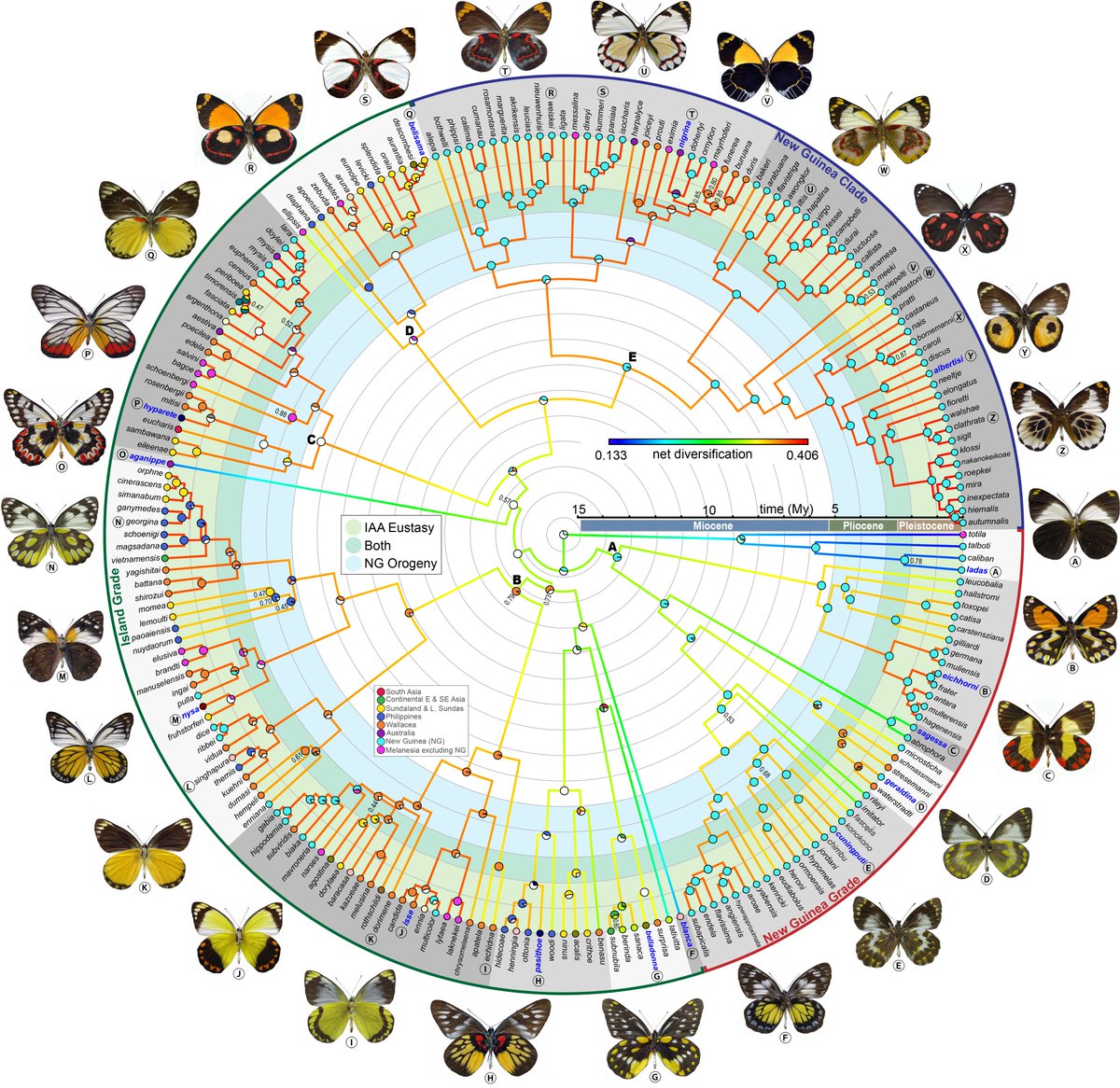
Our paper on Delias evolution and biogeography is out! Island-hopping helped spur diversification in this genus of ~250 species. Thanks to 22 co-authors from 12 countries. Download freely here:
https://t.co/MRRBynkidH
@CCNY_Science @CUNYEEB@GradCenterBio
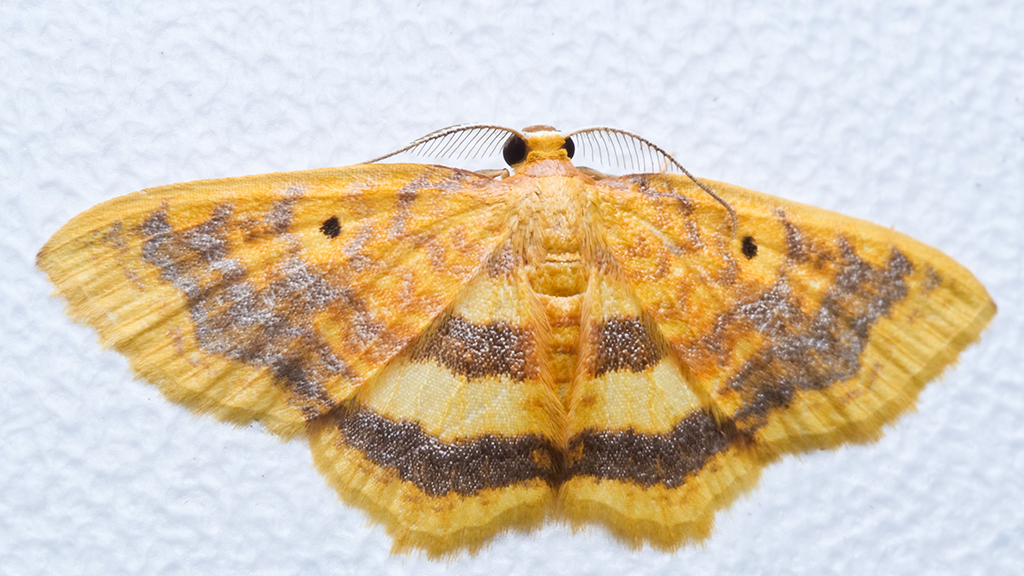
🦋 This new #moth species that we recently published is one of the most remarkable discoveries in #Lepidoptera of recent decades!
Read the story behind the discovery: https://t.co/RtliwuAVya
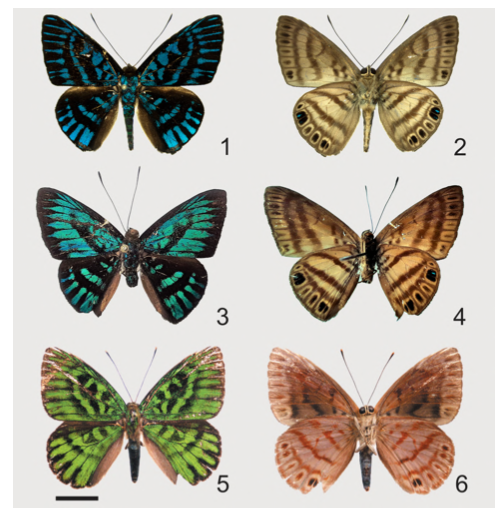
Santos et al (2023) A review of the South American metalmark genus Alesa Doubleday, 1847 (Lepidoptera: Riodinidae: Eurybiini) with the description of two new species. Zootaxa 5284 (1): 077–120
https://t.co/e8NrF55ueK
How do host plant use and seasonal life cycle relate to insect body size: A case study on European geometrid #moths (Lepidoptera: Geometridae)
#openaccess@MothResearch
👉https://t.co/9G1xs1mSZN
Few people doubt that the #thylacine did not become extinct when the last known animal died in 1936, but the true date of #extinction has been a mystery.
There's been a major development in answering this question. In this long-awaited study, led by @BraveNewClimate... 1/2