#Xiphactinus swallowing a #Gillicus sculpt at the GeoCenter Mons Klint in Denmark.
We enjoyed the colors and the dynamism and had a great time at the museum, which pays homage to the amazing fossils found outside its doors at the base of sheer cliffs.
#FossilCrates
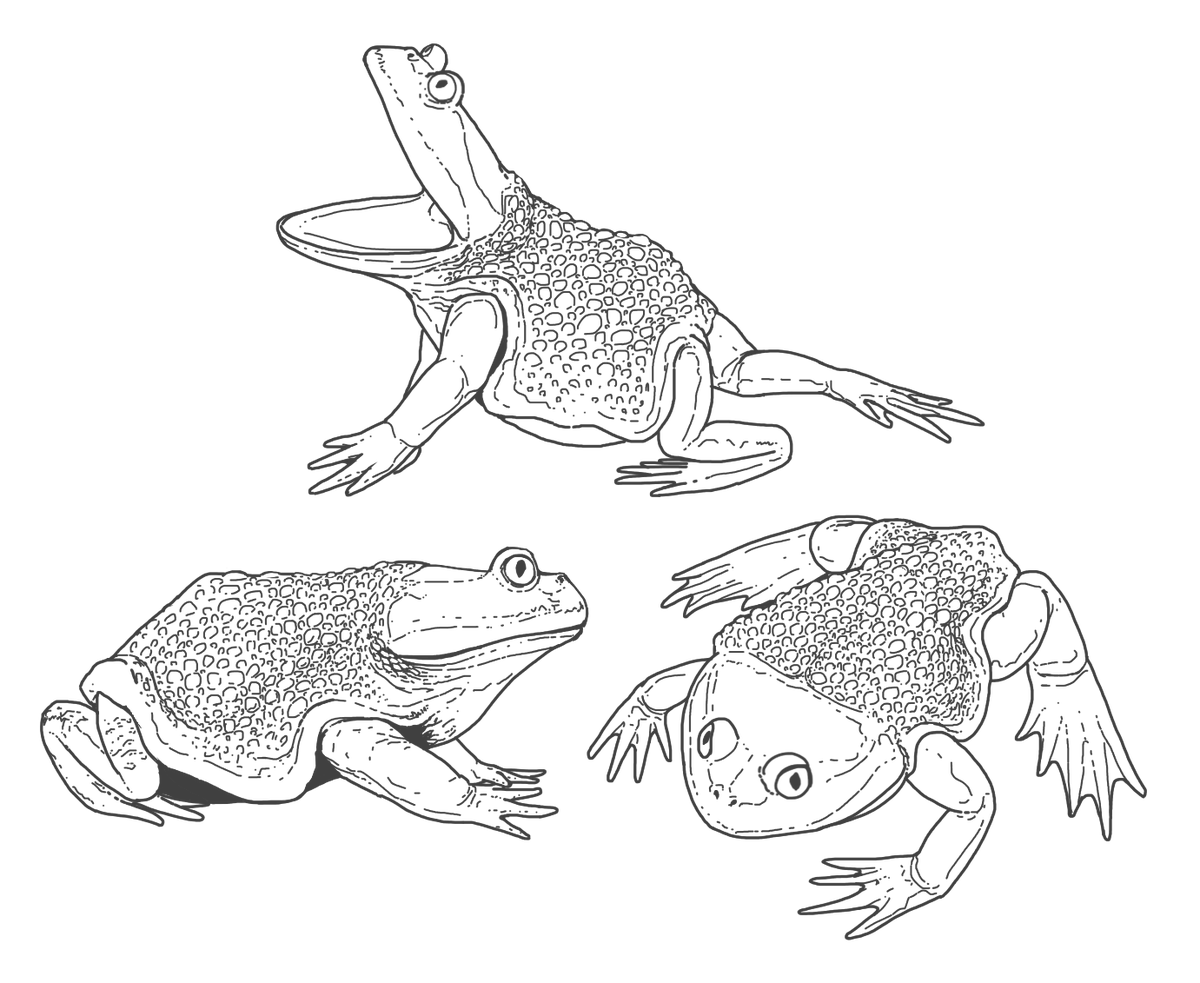
I'm back! Not with paleoart this time but with a modern frog: Calyptocehalella gayi! An endemic living fossil of Chile. It's the first time I draw a frog, so this was mostly for practice.
A new genus of dasyurid Miyumba chrisdickmani (Marsupialia, Dasyuridae) from the Early Miocene deposits of the Riversleigh World Heritage Area, north-western Queensland
https://t.co/gvcF2LjBTs
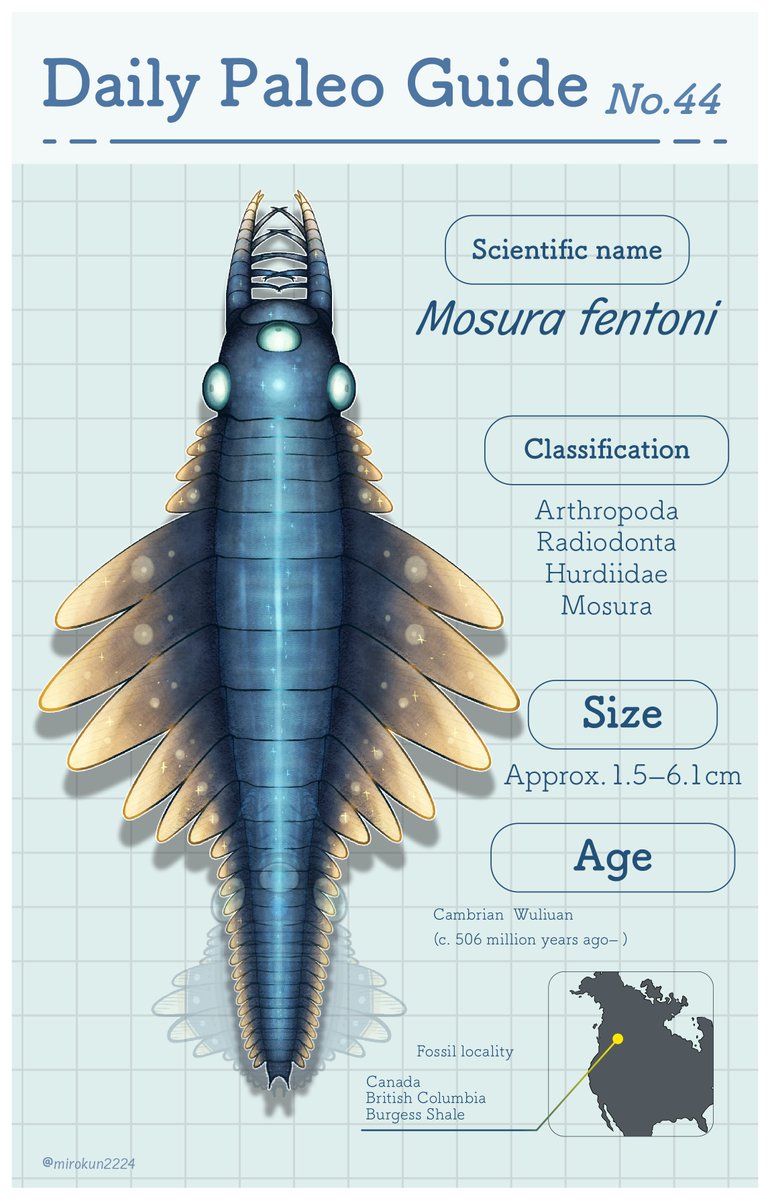
#Cambrian#illustration#paleoart#イラスト
A brand-new face described in 2025! This radiodont was named after the Japanese monster “Mothra” for its moth-like appearance!
New research on worm lizard Trogonophis wiegmanni shows skull & jaw shape change predictably as individuals grow. 3D GM revealed links b/w size & cranial morphology, suggesting ontogenetic allometry is a common pattern in Amphisbaenia
Hohl et al.: https://t.co/STOmVt5FxX
"appearance of the new apex predator cf. Saurosphargidae relatively soon after the [P\Tr] extinction event coincides with the reappearance of predatory cephalopods and precedes the full ecological and taxonomic recovery of benthic groups in the Dolomites"
https://t.co/nyF5zsekpK
My top three reasons on why I hated creationism as a concept:
3. It's a boring-ass worldview devoid of imagination
2. I've met WAAYY too many people irl who denied evolution
1. It enables people to exploit the enviornment because "god made it for us to rule over"
Gearing up for day 2 at #DinoconUK! We already sold a lot, but also lost so much money to our fellow vendors! A clear win-win situation.
Come visit us at stall 9!
This is laughable. Not least of which because it’s questionable how much a large terror bird would even see an animal as large as an adult Toxodon as prey, let alone something probably over twice as tall as that.
Here's the creature of the hour, Saurolophus! Or at the very least one of them. This giant Hadrosaur is found from the Nemegt formation at the end of the Cretaceous. Despite having a wealth of information on this animal it seems to never show up in media...




![AndrejSpiridon4's tweet photo. "appearance of the new apex predator cf. Saurosphargidae relatively soon after the [P\Tr] extinction event coincides with the reappearance of predatory cephalopods and precedes the full ecological and taxonomic recovery of benthic groups in the Dolomites"
https://t.co/nyF5zsekpK https://t.co/gzNyLd983c](https://pbs.twimg.com/media/HOJuoIEWIAATIuW.jpg)




![AndrejSpiridon4's tweet photo. "appearance of the new apex predator cf. Saurosphargidae relatively soon after the [P\Tr] extinction event coincides with the reappearance of predatory cephalopods and precedes the full ecological and taxonomic recovery of benthic groups in the Dolomites"
https://t.co/nyF5zsekpK https://t.co/gzNyLd983c](https://pbs.twimg.com/media/HOJuvtiWYAAfbOP.jpg)