Founder & CEO of multiple businesses in the energy storage and EV charging space. Ex-Private Banker. Deep experience in the energy sector, startups and finance.
@future1sClear@SawyerMerritt@Tesla Significantly higher energy density and offers higher C rate zinc bromide. Nothing against zinc-based chemistries, but they both have pros and cons. (Just like everything in life)
@meggmcnulty 800VDC architecture moving to data centers is cool to see. Similar strategy found in stationary storage and EVs, now being adopted for GPU's. ⚡️
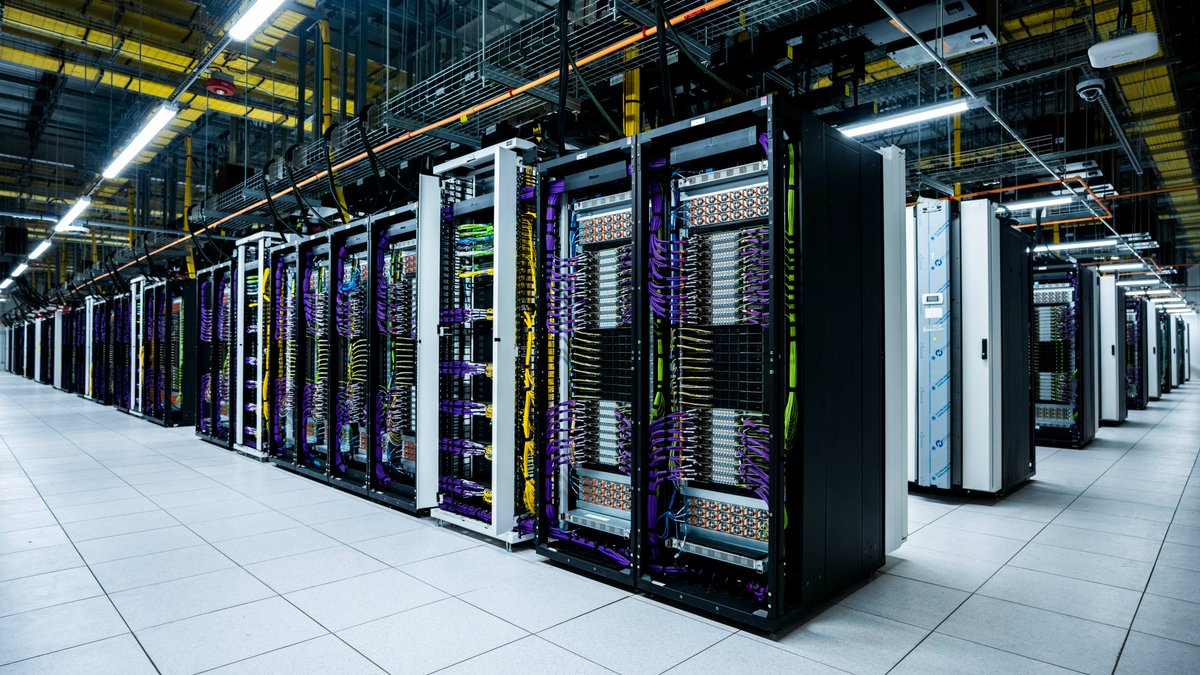
SpaceXAI will provide @AnthropicAI with access to Colossus 1, one of the world’s largest and fastest-deployed AI supercomputers, to provide additional capacity for Claude → https://t.co/nfDR9S822L
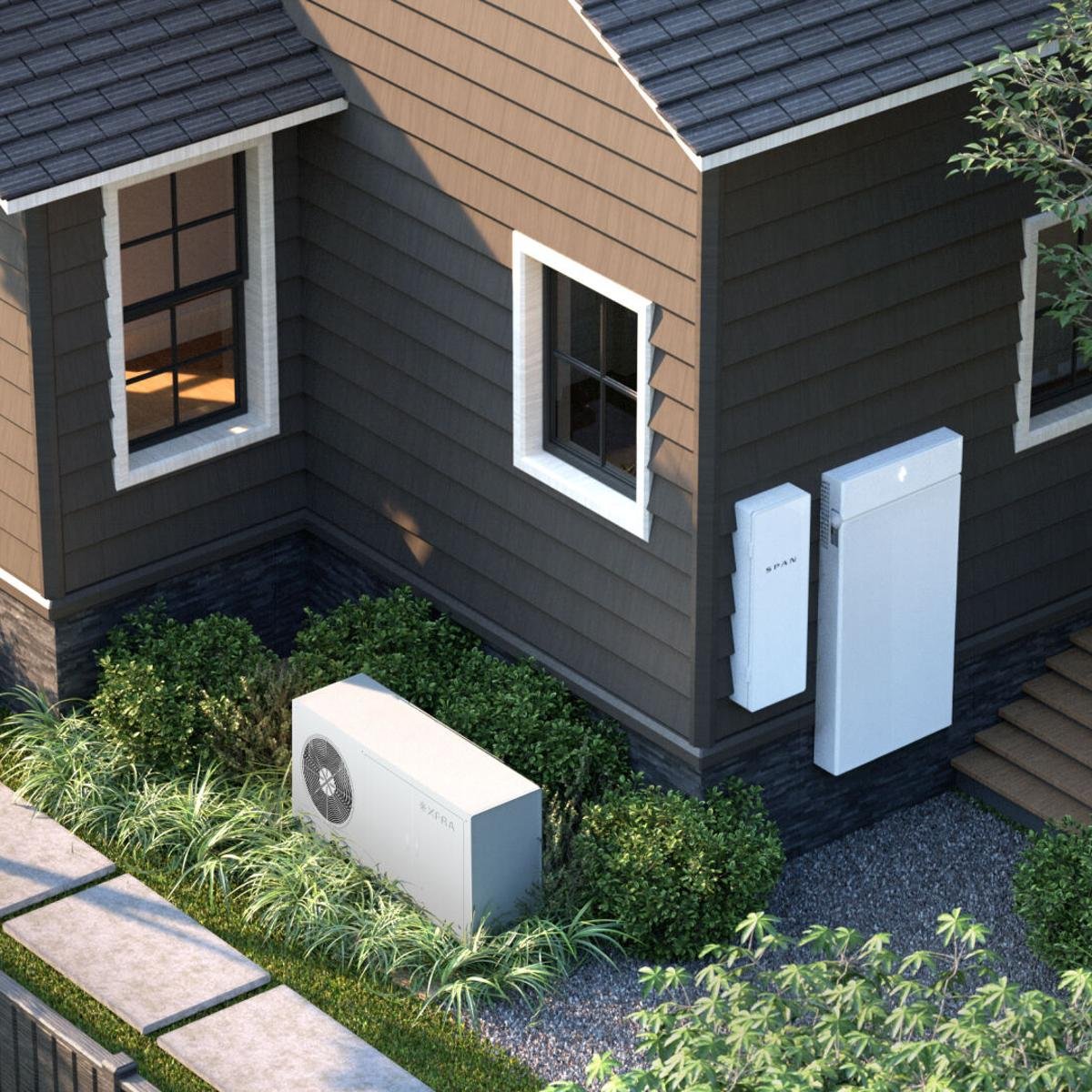
BREAKING: Nvidia and PulteGroup are partnering with startup Span to install mini data centers on the walls of new homes
Each unit packs 16 Nvidia Blackwell GPUs, 4 AMD EPYC CPUs, and 3TB of RAM - and taps unused home electrical capacity to run AI inference workloads
The Riga control room in this photo was built in 1985 to manage the USSR's North-Western power grid. Every light on the wall is a live substation.
That wall is a mosaic mimic board. The entire grid topology of northwestern USSR rendered as a real-time analog dashboard, before consumer GUIs existed. Macintosh had launched the year before. Windows 1.0 wouldn't ship for months. This room was already running real-time visualization for an entire regional grid.
The pipe organ ceiling fixtures are acoustic baffles. The curved consoles are ergonomic. The operators sitting there controlled electricity for Estonia, Latvia, Lithuania, Belarus, and northwestern Russia. About 25 million people. Frequency stabilization, load balancing, fault response, dispatched live from this room.
The Soviet Union built rooms like this throughout the 70s and 80s. By 1985 the design language was mature. Tarkovsky's Stalker came out in 1979. Blade Runner in 1982. WarGames in 1983. The cinematic future those movies imagined was already running, in actual rooms, dispatching actual electricity.
The grid this room controlled ran until February 8, 2025.
Estonia, Latvia, and Lithuania finally desynchronized from the Russian power system 14 months ago. The Baltic transmission operators isolated their networks, ran in island mode for 24 hours, and synchronized with Continental Europe at 14:05 on February 9. €1.6 billion to switch over. EU paid 75%.
The Soviet Union dissolved in 1991. The grid this room managed stayed on the wire for another 34 years.
Every sci-fi control room you've seen on screen was imitating rooms like this one. The room kept doing its job through all of them.
Meet Gemma 4: our new family of open models you can run on your own hardware.
Built for advanced reasoning and agentic workflows, we’re releasing them under an Apache 2.0 license. Here’s what’s new 🧵
One of the most impressive energy leaders I've had the chance to work with, Bernard Looney (former BP CEO) is joining @PrometheusHyper. Hyperscalers & datacenters are 🚀