please share some of the most creative vulnerabilities you've read or found.
most bugs aren’t about creativity but just having the right knowledge + mindset, novel not because they were complex, but because no one had the full picture before.
I'm looking for something beyond that. a bug that truly required out-of-the-box thinking.
New writeup from @_specters_ and I: we're finally allowed to disclose a vulnerability reported to Kia which would've allowed an attacker to remotely control almost all vehicles made after 2013 using only the license plate.
Full disclosure:
https://t.co/e2EwvUMgqw
Caption this ☝️
A new #HTB Seasons Machine is coming up! Caption created by MrR3boot will go live on 14 September at 19:00 UTC. Intuition will be retired!
✓ Hard
✓ Linux
→ Join the competition & start #hacking: https://t.co/3UuNk6Nx5R
If you, like many, think relying just on `cat` command's output is enough to be sure about the integrity of a bash file. Think twice, you could get hacked. Read below 👇
Curious about how a $20,000 OAuth bug I discovered at a Live Hacking Event last year looks like? Today you can dive into an exact replica and see for yourself!
I've collaborated with @NahamSec & @hackinghub_io to create walkthrough video + demo lab 🧪
https://t.co/LDtAFc6djX
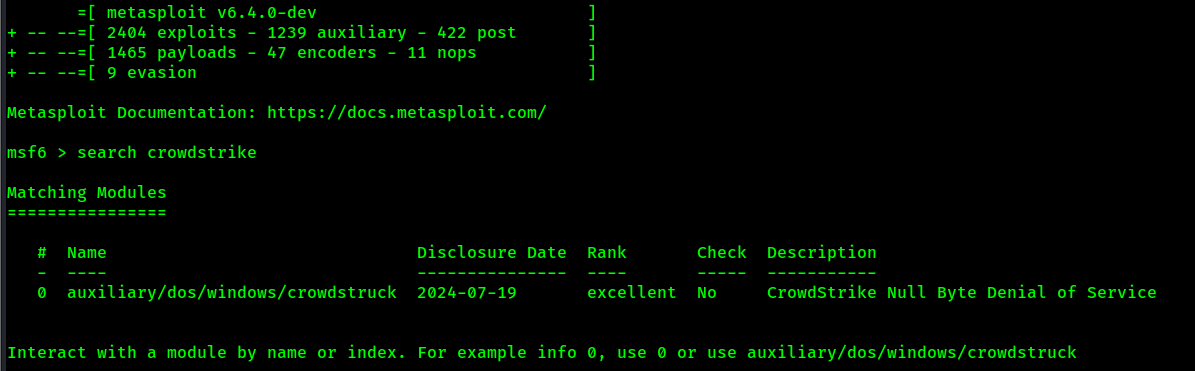
EDRSilencer - a tool that uses Windows Filtering Platform (WFP) to block EDR agents from reporting security events to the server https://t.co/WU6mlppP3w #cyber#threathunting#infosec
I'm SO excited to kick off 2024 with the beta launch of our educational platform, @hackinghub_io with @_JohnHammond and @BuildHackSecure! Currently, we have a number of free hubs available and we'll be releasing more in the coming weeks! 👉🏼 https://t.co/l7C0lcZliL
Today I received a $12,000 bounty using the Sandwich Attack ! 🤑
The vulnerability allowed me to enumerate the API Keys of other users 🤯
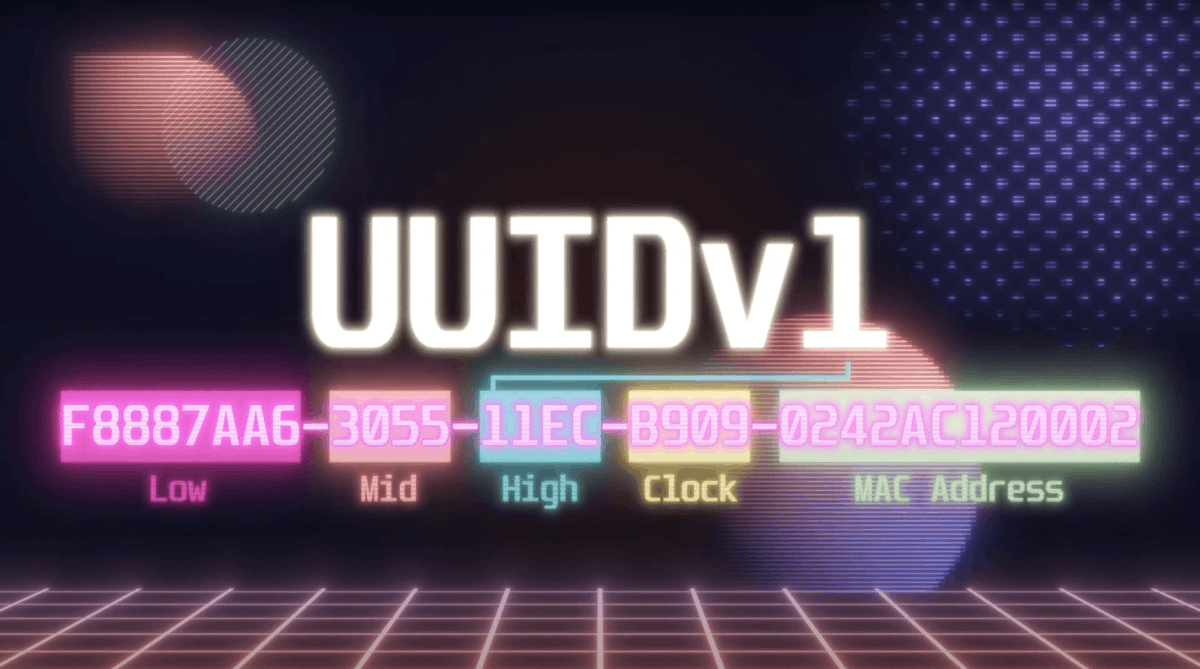
How did I do that ? Well the API key was a UUIDv1. If you are not familiar with UUIDv1s you need to know that they are constructed in 6 sections:
High, Mid, Low, Clock Sequence, Node ID, and UUID version.
Interestingly, the Node ID corresponds to the MAC address of the system generating the identifier. This means that if two consequent UUIDs are generated on the same device, this part remains the same, similar to the Clock Sequence.
When High, Mid, and Low are combined, they reveal a timestamp represented in hexadecimal value.
Using some basic mathematics it's possible to subtract the offset between the Gregorian Calendar and the Julian Calendar and then divide by 1000 to get an Epoch TimeStamp.
Ok now that we know that they are generated by a timestamp + machine ID, it means that we could generate them back if we know when the API keys were created 🧐
Luckily enough the API Key that I was using was generated in a batch, meaning I could use the Sandwich Attack in order to brute force the API Keys of other users easily 🔥
If you want to know more about how I exploited the Sandwich Attack, go check my video about this on my YouTube channel 🤟