When Carl Jung said:
“No matter how isolated you are and how lonely you feel, if you do your work truly and conscientiously, unknown allies will come and seek you.”
I know I repeat myself on here, but I need to reiterate this routine. I have found explicitly teaching words in pairs to be quite effective. An example pair would be shortage & surplus. Here is the routine I use on a daily basis.
1. Say the word
2. Students chorally repeat the word
This is the beginning of mapping a word into long-term memory.
3. Provide a student friendly defintion
4. Provide examples of this word in context
Pictures/Visuals can be used as an aid. For example, sweeping your hand up for the word ascend and then down for descend would most likely aid the process of mapping words into memory.
5. Repeat the first 4 steps for the antonym (unrelated word)
Mapping words into long-term memory is aided by saying the word, spelling the word, and learning the meaning of the word.
6. Have students differentiate between the pair. Provide an example sentence & students have to decide if that is an example of say the word shortage or surplus. They do this on mini white boards so they get practice spelling the words right away. Spelling words aids in mapping words into long-term memory.
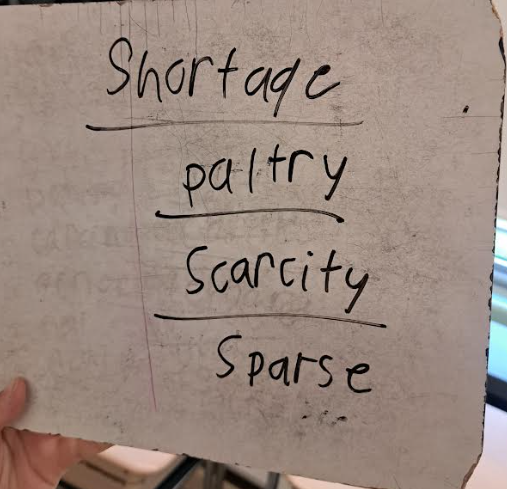
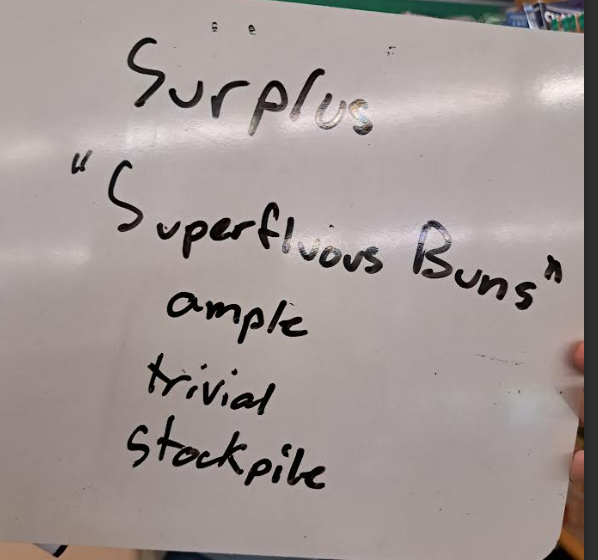
7. Then encourage students to write other words that are synonyms or related to the word in some way. This builds semantic connections through categorization.
8. Grab a students white board and ask how all of these words are related? Extending learning here.
All of this moves quickly. You can teach a pair in 4 minutes. Only 4 minutes.
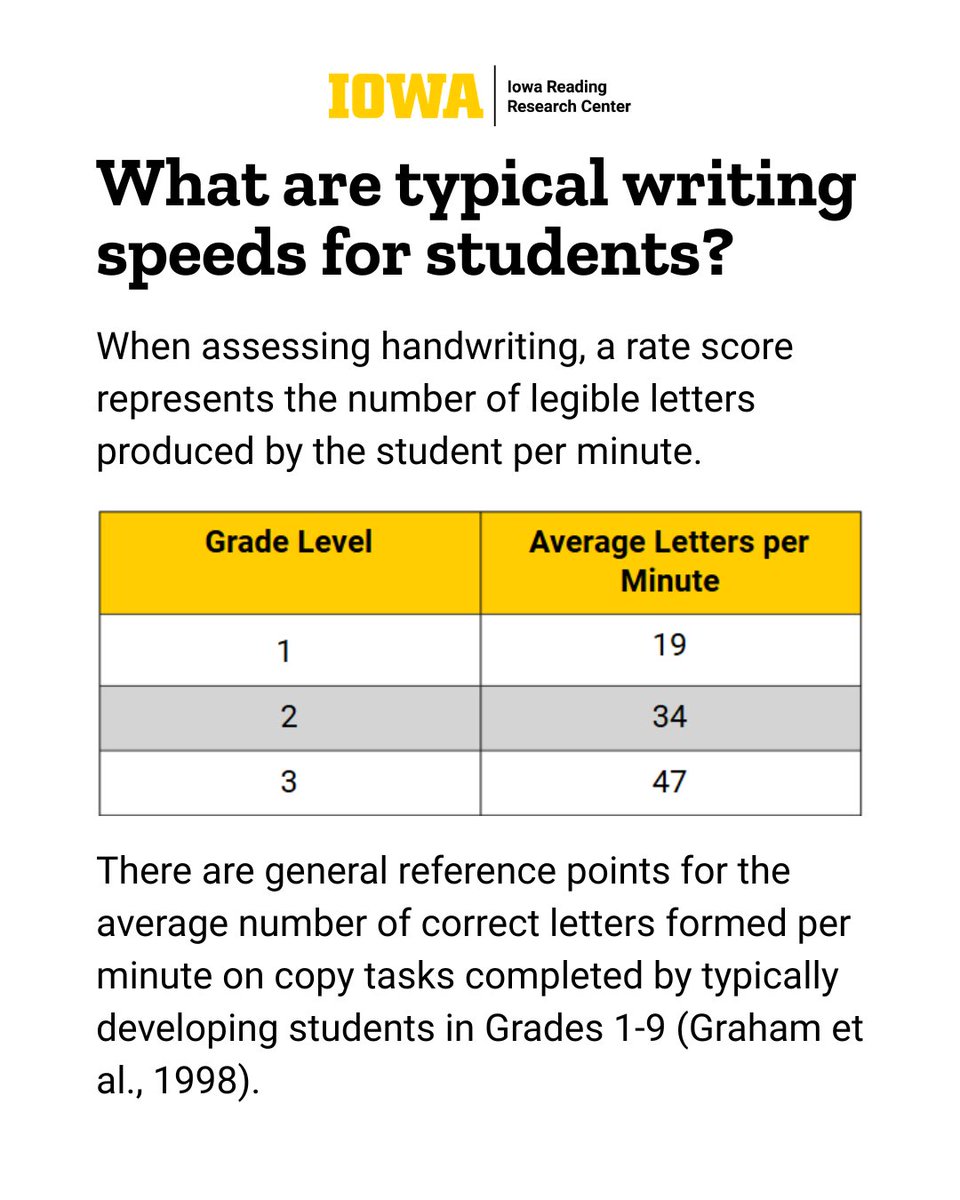
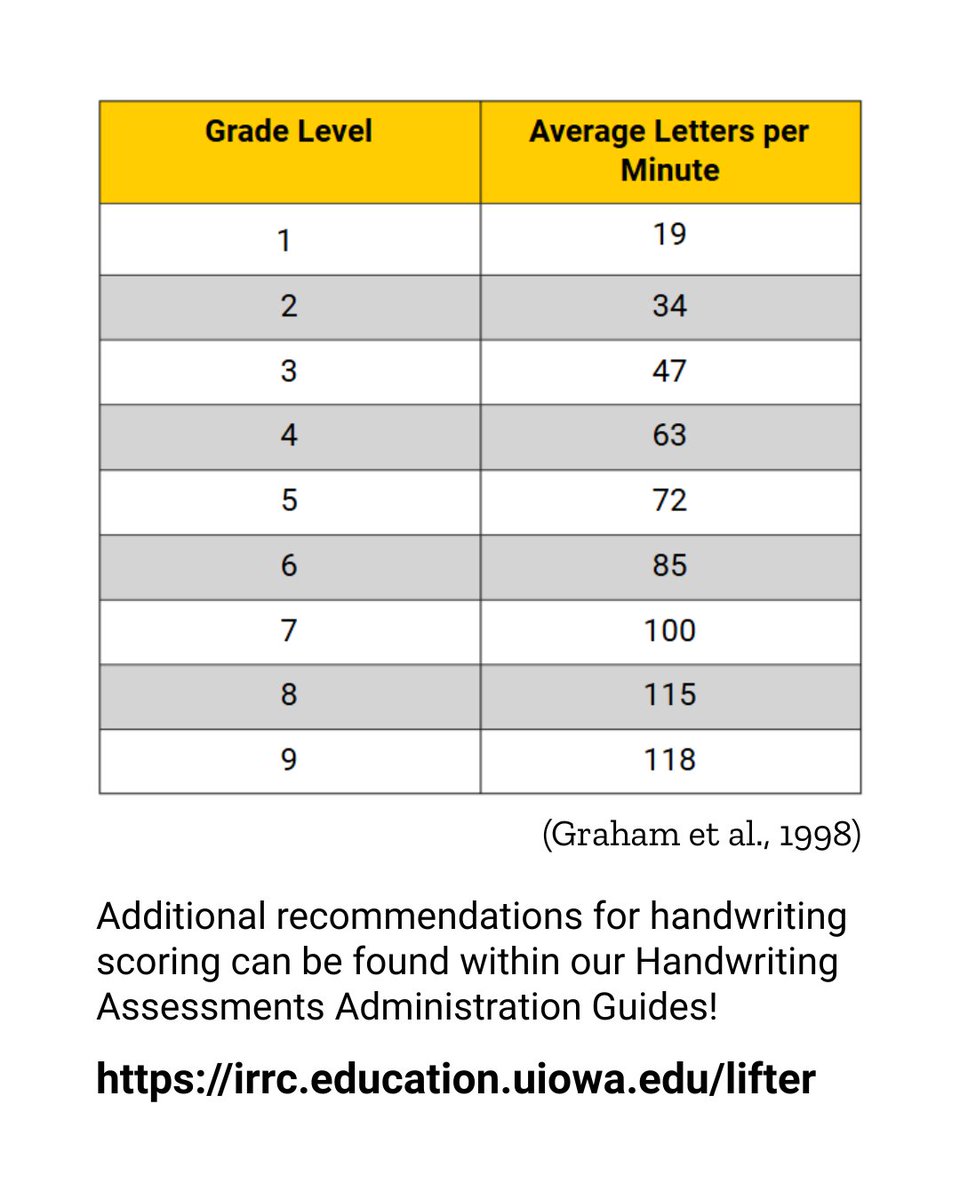
Handwriting fluency consists of legibility and rate. When assessing students’ handwriting rate, you can look toward average rates by grade level. Find free handwriting assessments and further scoring guidelines on our website: https://t.co/8XdRcqk4M3
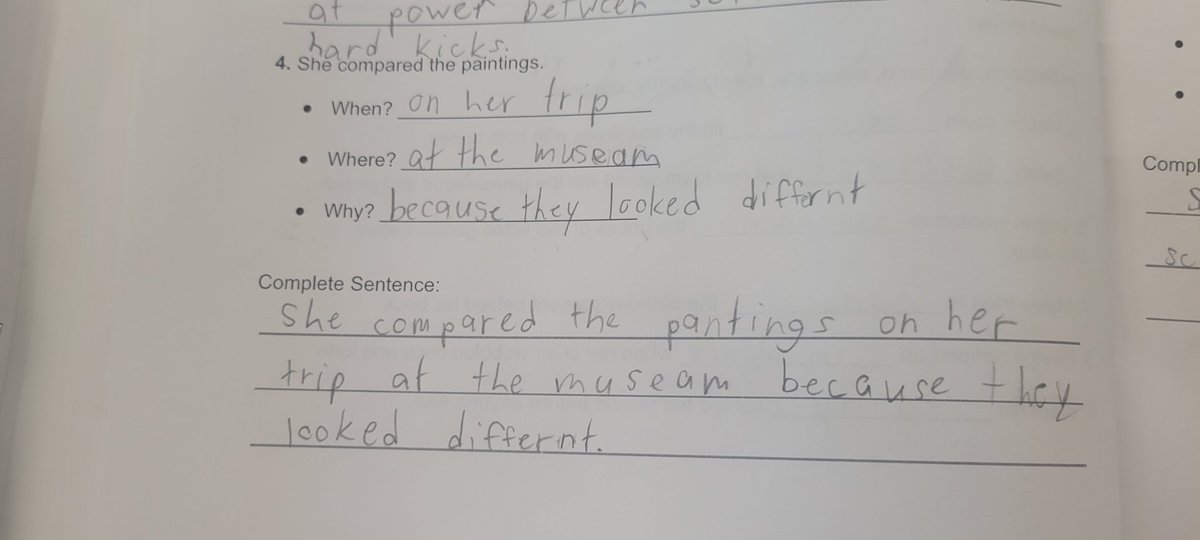
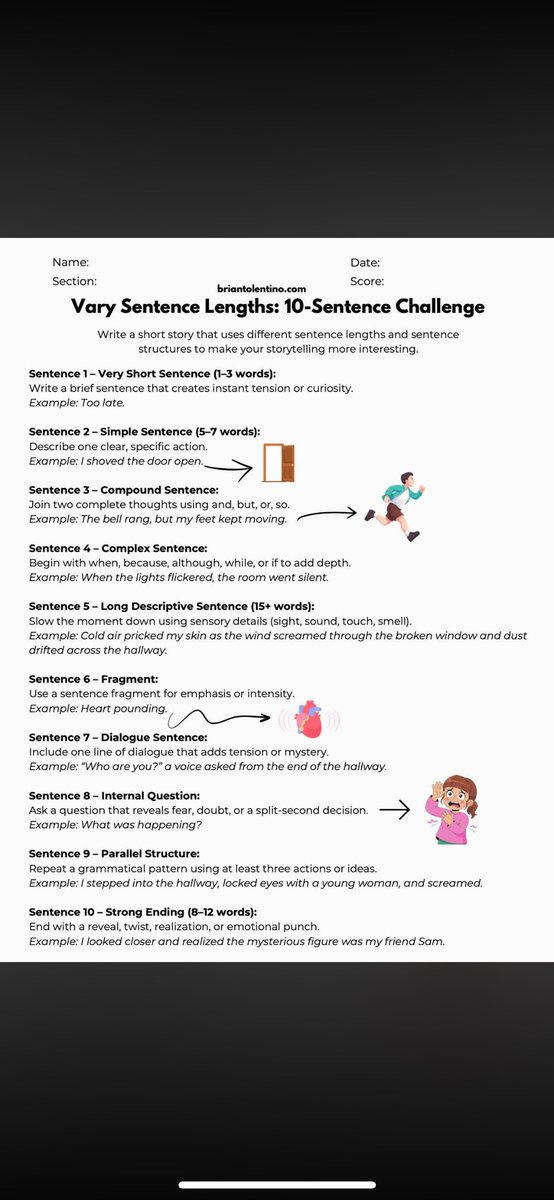
One of the many components of The Word Mapping Project is sentence writing activities using the vocabulary words taught. These are some examples of my 3rd graders' sentences from our current unit. @smorrisey