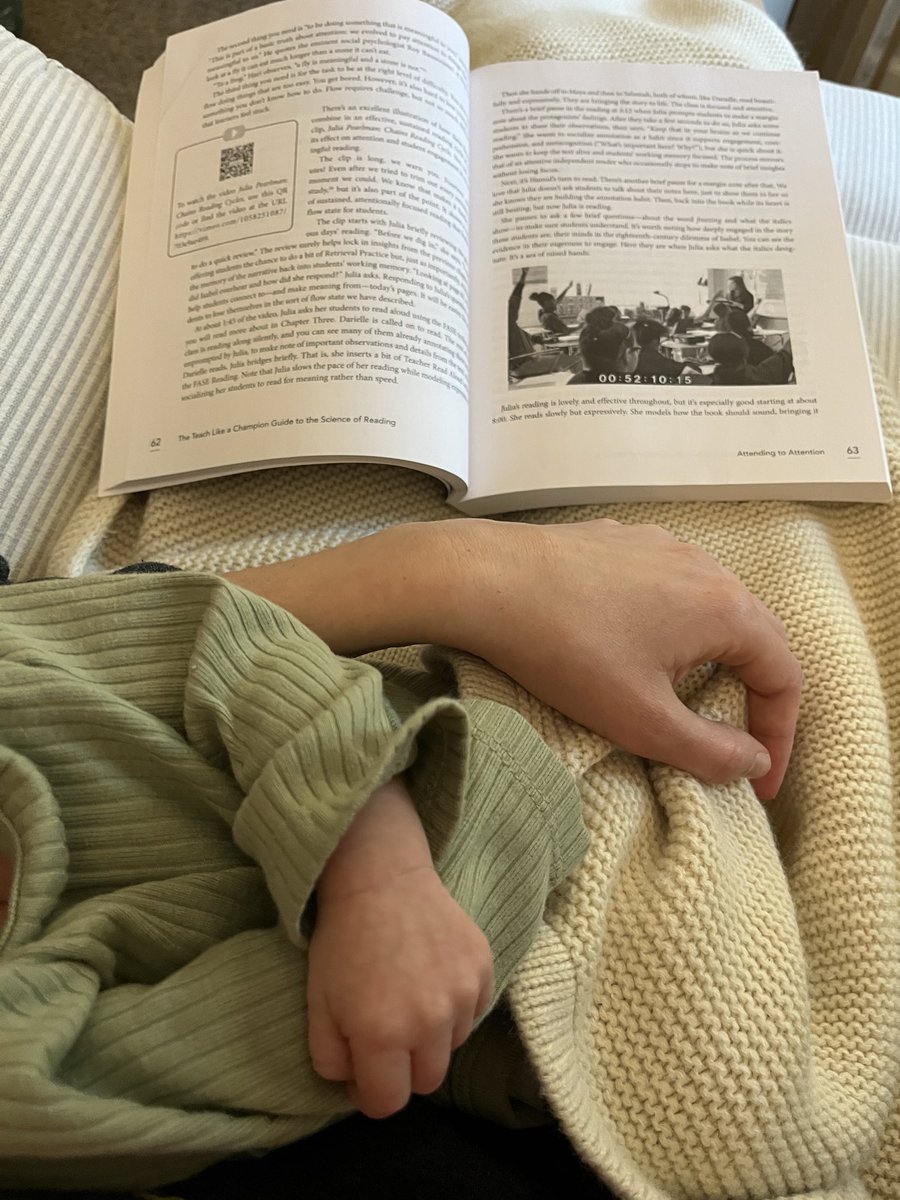
This. This my “why.” 🙌🏻
This is the motivation behind all of the books, podcasts, ideas, conversations, and research I’ve been doing this summer so that my 7th graders have a fighting chance when we walk back into the building in August. #knowbetterdobetter@ThinkReadHQ
New Episode Alert! 💥 Rebecca Kockler breaks down the Decoding Threshold and more. We talk multisyllabic decoding, morphology, fluency, reader identity, and why decoding instruction must continue through middle school.
🎧 https://t.co/wdLs2ssQwj
Absolutely loved listening to this conversation! Walked away with practical strategies I can use at the Tier 1 level with older students. If you’re in the #adolescentliteracy space, give this one a listen!!
New Episode ❤️🔥 A student hits a hard word… and everything stalls. What should they do? Interventionist Faith Howard shares simple, powerful routines to help students work through complex words.
Listen 🎙️ https://t.co/zMPU2TKtz1
When children learn to read after years of failure, the people around them often notice major improvements in behaviour, motivation and mood. We should be doing everything we can to eliminate illiteracy.
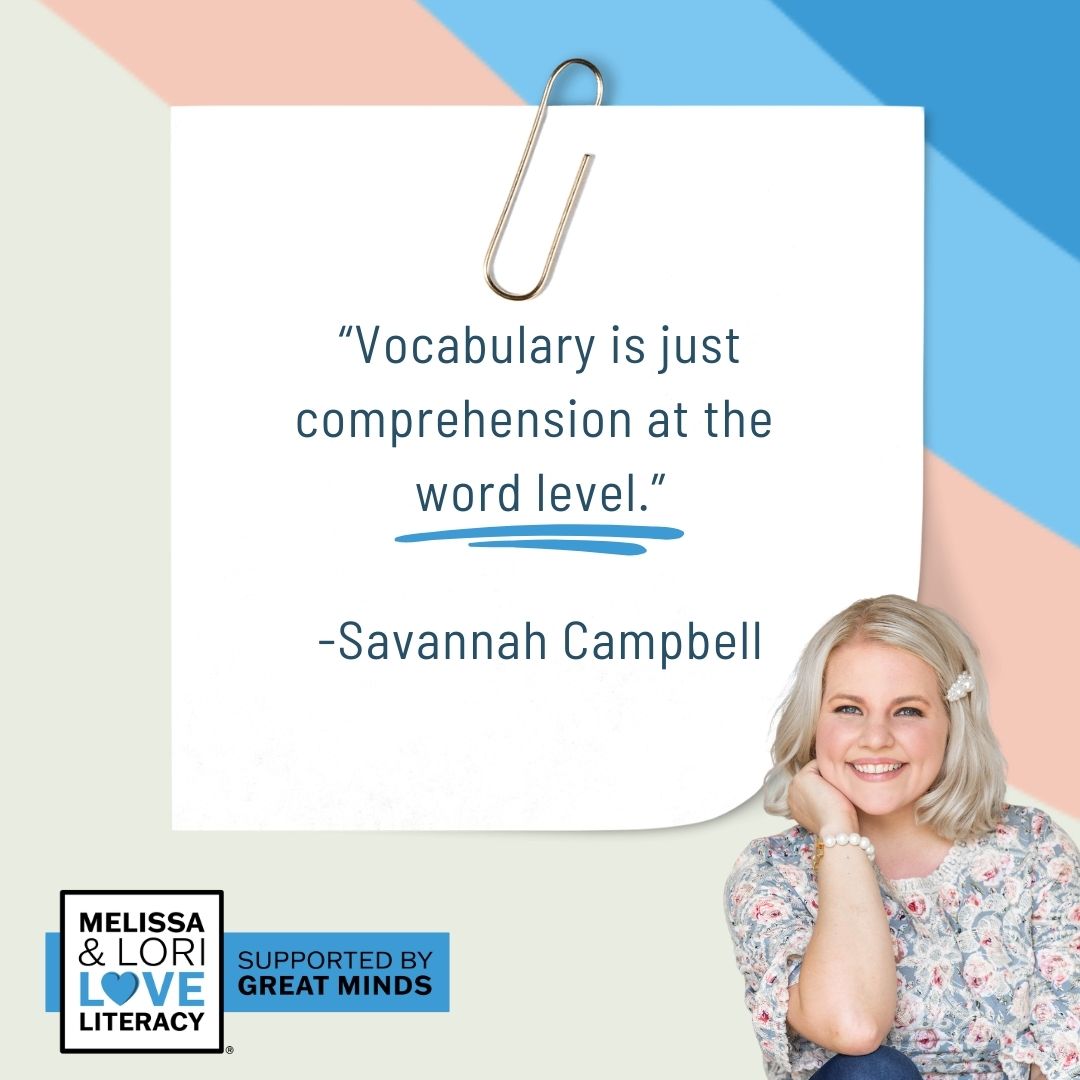
Comprehension starts at the word level. 🚀 When students struggle with a text, it’s often the vocabulary. Strong vocabulary = stronger comprehension.
Listen 🎙️ https://t.co/Avsi5Vnpq2
Printable 📝 https://t.co/QjpNptoeUp
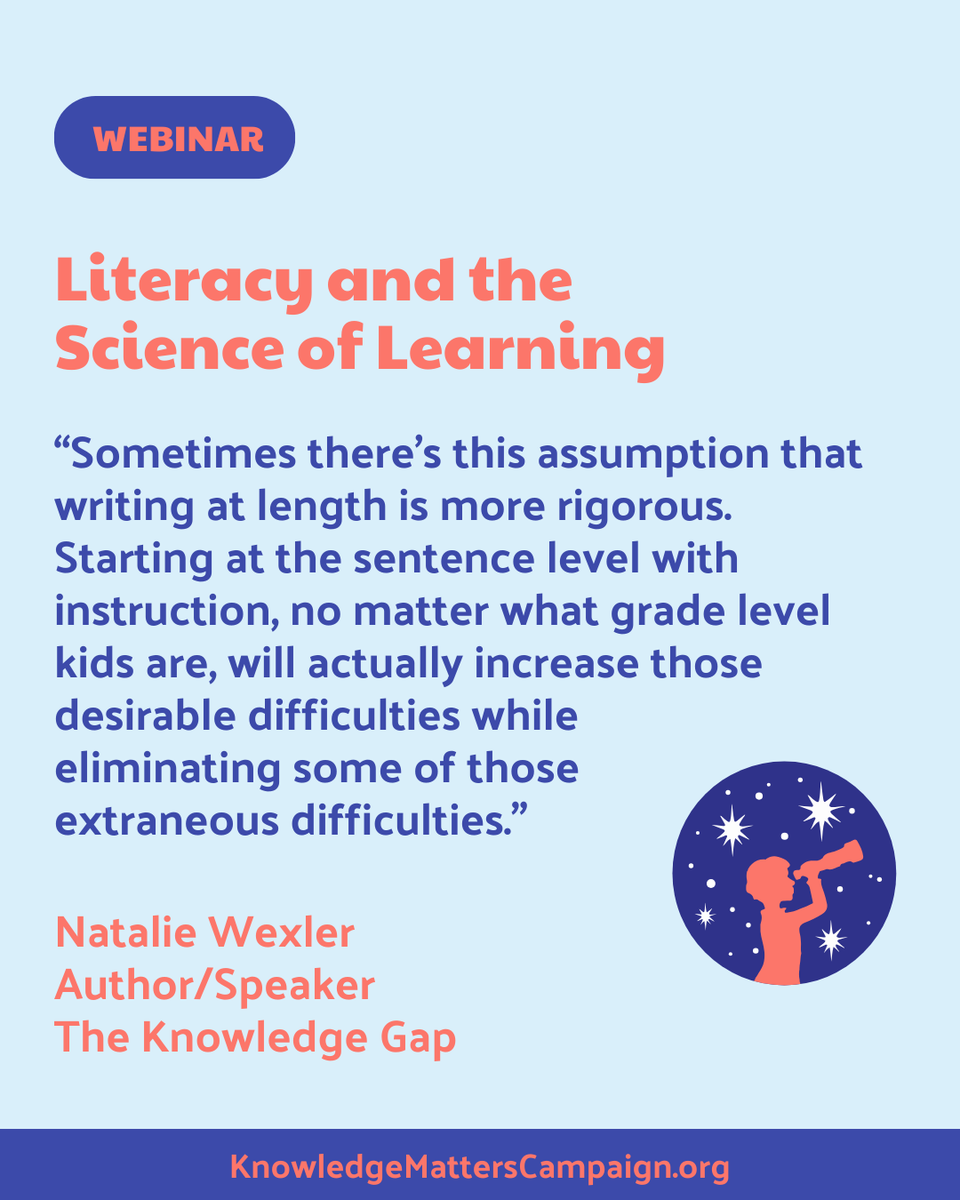
If students struggle with writing, the fix isn’t “longer essays.” It’s explicit sentence-level practice that builds clarity and knowledge. Powerful from @natwexler today.
#ScienceOfLearning#KnowledgeMatters
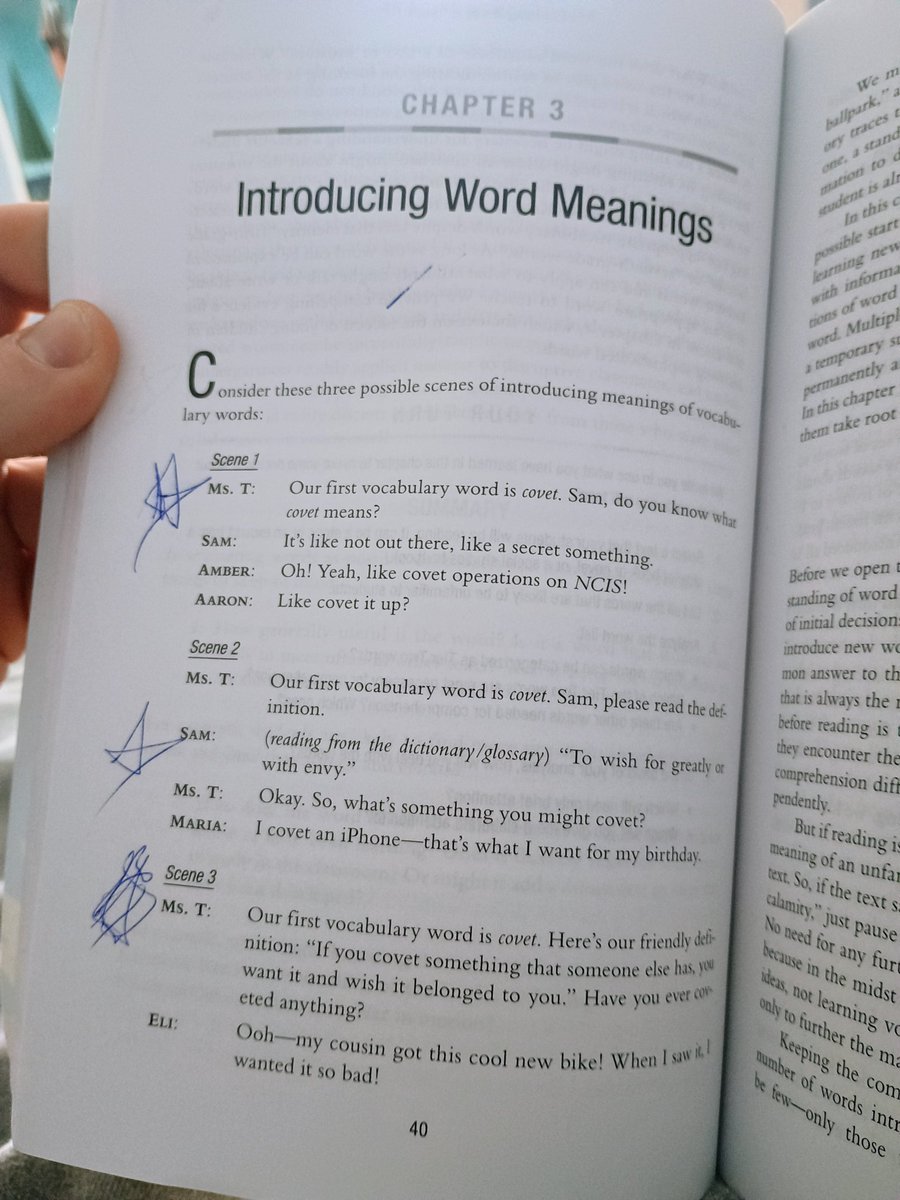
Why do so many teachers start teaching a new vocabulary word or term like scene 1 here "do you know what covet means" instead of just telling students what it means? From Bringing Words to Life.
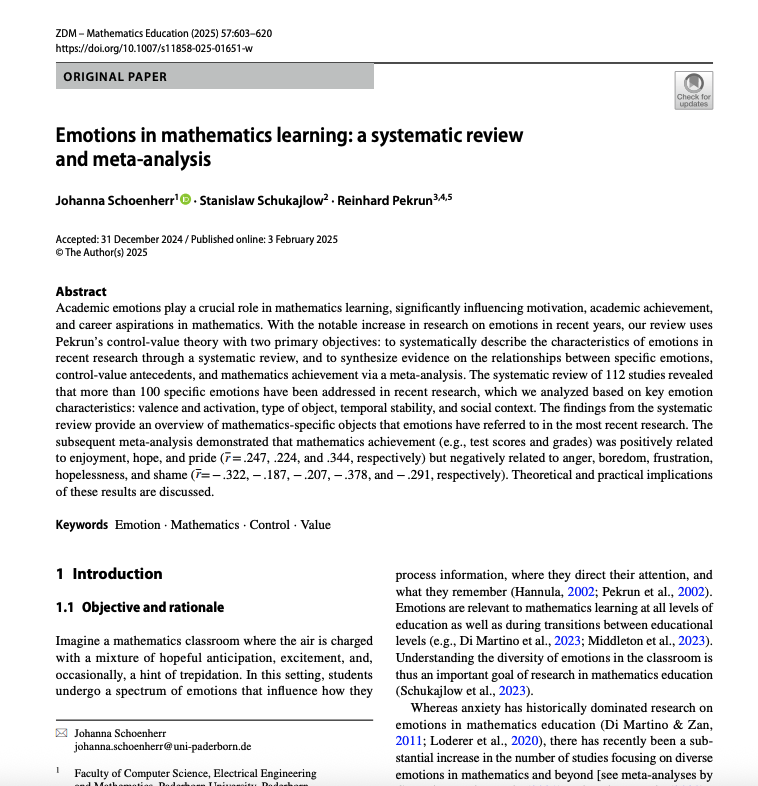
Meta-analysis in math ed: higher achievement is associated with more enjoyment, hope, and pride—and with less anger, boredom, frustration, and shame. Emotions and outcomes move together, so instructional design shapes more than just scores.
🎄 12 Days of Evidence-Aligned Literacy: Day 2 🎄
Today’s resource spotlight focuses on secondary and adolescent literacy, an area where instructional precision and alignment to evidence are especially critical.
Day 2 features a curated Padlet of secondary literacy resources, including:
• 67 (yes 67!), curated presentations from the PaTTAN Literacy Symposiums (2020, 2022, and 2024).
• The Institute of Education Sciences (IES) Practice Guide: Providing Reading Interventions for Students in Grades 4–9
• REL Southwest Toolkit entitled, Providing Reading Interventions for Students in Middle School (PRISMS). The toolkit offers video demonstrations of instructional routines from the evidence-based recommendations in the Providing Reading Interventions for Students in Grades 4–9 practice guide.
• A direct link to The Reading League Compass for Adolescent Literacy
Together, these resources support educators, coaches, and leaders in strengthening literacy instruction beyond the primary grades, connecting research to classroom practice for older students who still need explicit, systematic support.
📌 Explore Day 2 and every day after, here: https://t.co/pXD63OBHKF
Nothing better than newborn snuggles and the new book from @TeachLikeAChamp. Feeling inspired to implement practical, research-based strategies to my reading classroom after maternity leave. 🙌🏻✨
@Doug_Lemov@EricaWoolway
I’m blown away by low-income schools with excellent teaching - it’s incredibly hard to achieve.
I’m not especially impressed by upper-middle-class schools with mediocre teaching. Staff wake up, do random things, and it still “works,” with 61% proficient to show for it.
Loved every second of this episode! Teachers should not shy away from exposing kiddos to difficult text. It’s our responsibility to give them knowledge they won’t seek out themselves.
We have to be able to struggle with hard. Being exposed to complex text is important. Difficult texts give students experience with complex syntax (the architecture of a sentence).
Listen 🎙️ https://t.co/WuYGX2MeLV
1 in 5 students in the U.S. has a learning or attention issue like dyslexia, ADHD, or a specific learning disability. Yet many never receive the support they need. 💛 This October, let’s raise awareness so every child has the chance to succeed. https://t.co/IPnt2QGXAv
📆Tuesdays are for new episodes of the #KnowledgeMatters podcast!🎙️
📖 Improving literacy means increasing time spent reading. @Doug_Lemov talks about the importance of whole texts in the classroom!📚
➡️Check out Ep. 4 on your favorite streaming platform:https://t.co/00hC2NFfup