We partner with secondary schools to ensure that struggling readers catch up rapidly & completely. Poor reading is a teaching problem. We change the teaching.
2026 is the @educationgovuk year of reading : our podcast is about the many children who leave school unable to read properly. We look at the reasons, the impact & the solutions. Available wherever you get your 🎧 #edutwitter
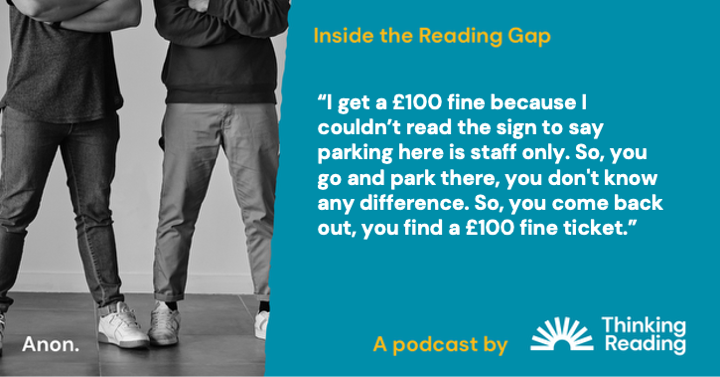
The stigma of poor reading attaches itself almost entirely to the child. It would be more appropriate if it were attached to the profession that failed them.
Read more in our blog ‘Can Reading Problems Affect Mental Health?’ https://t.co/gausmRrIpy (3 min read).
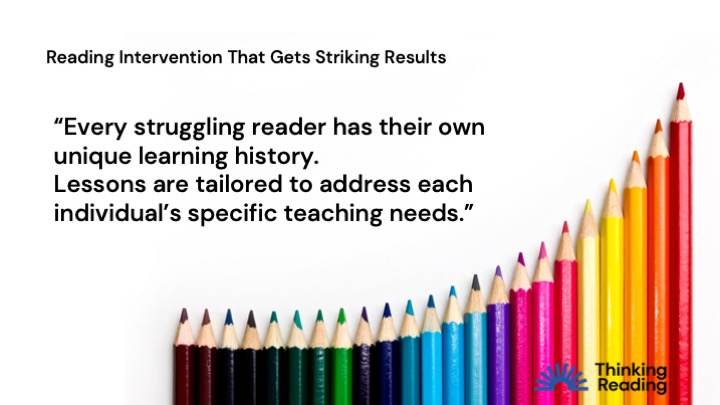
Teaching students in groups is cheaper on staffing, but it short-changes students who are reading significantly behind. They need individualised instruction.
Read more in our blog ‘Reading Intervention That Gets Striking Results’ https://t.co/WoI5pAXffh (4 min read).
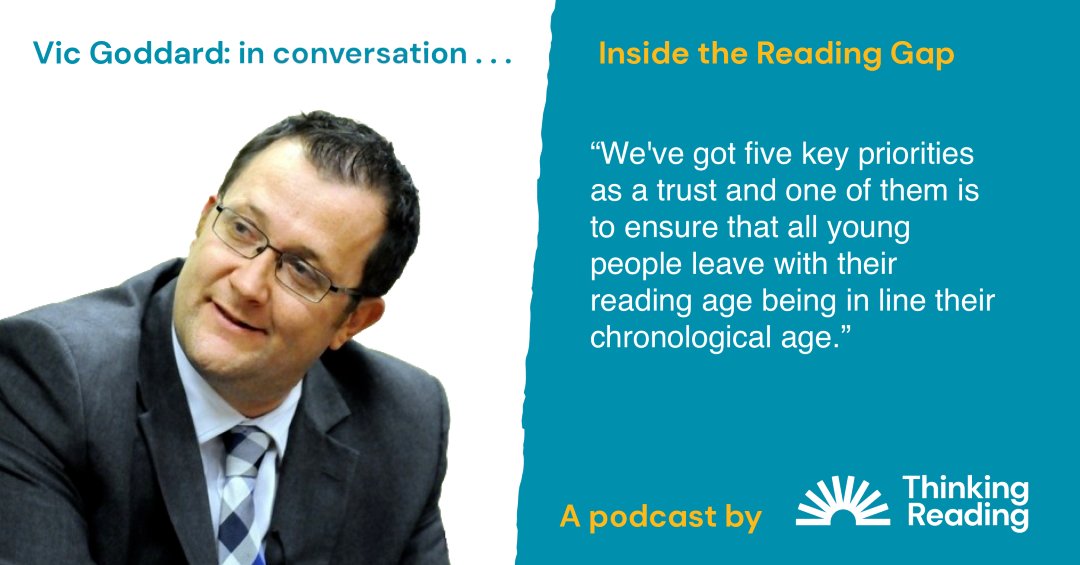
In Conversation with Vic Goddard: Vic is a veteran headteacher at Passmores Learning Community and star of Educating Essex. In this episode we discussed his school's transformation in its approach to literacy, and what he's learned along the way. 🎧 Episode 5 "Inside the Reading Gap"
The depth of assessment required to instigate effective intervention is almost always underestimated in schools. This is the main reason that so many interventions produce such modest results.
Read more in ‘Reading Intervention That Gets Striking Results’ https://t.co/1O2eFnp8uf (4 min read).
60 interviews, across 4 countries. We talked to researchers, head teachers, teachers, literacy specialists, criminal justice experts, charities & children & adults who have struggled to read. Thank you to everyone who has listened, commented & shared. Listen wherever you get your podcasts.
Hear powerful first-hand stories, expert insights, and real examples of how the right teaching can transform confidence, opportunity, and futures. Listen now and discover how changing the way we teach reading can change lives: "Inside the Reading Gap" a 4 part podcast.
Actors use scripts. Musicians use sheet music. Surgeons follow established procedures.
Why are scripts for teachers treated as an affront to professionalism?
@ehanford explains why Direct Instruction uses them.
Looking for a new podcast to listen to on your commute tomorrow? Our podcast series "Inside the Reading Gap" is a succinct 4 part series. Reading problems are solvable and explain what it takes & we show that teaching can change lives. Listen wherever you get your podcasts.
In Conversation with Distinguished Professor Pamela Snow: renowned internationally for her advocacy of evidence-based reading instruction. In this interview, she talks about educational fallacies, the instructional provision that students deserve, & what must change. 🎧 Ep 9 Inside the Reading Gap.
In Conversation with Vic Goddard: Vic is a veteran headteacher at Passmores Learning Community and star of Educating Essex. In this episode we discussed his school's transformation in its approach to literacy, and what he's learned along the way. 🎧 Episode 5 "Inside the Reading Gap"
In Episode 2 of "Inside the Reading Gap" we explore the correlation between imprisonment and poor literacy. You'll hear expert @charlie_taylor6 explore this link & the challenges of improving literacy in the prison environment. Listen wherever you get your podcasts 🎧
Looking for a new podcast to listen to on your commute tomorrow? Our series "Inside the Reading Gap" is a succinct 4 part series, about literacy problems & explaining how to solve them. We show that teaching can change lives. Listen wherever you get your podcasts 🎧.
Changing the teaching turned around the fortunes of these students - they are now GCSE ready. Why couldn’t the same be true in your school? They could be ready in time. See more case studies & contact us here : https://t.co/JgVz8qYcRx
In Conversation with Carole Herman: Executive director of the Association of Secondary Heads in Essex, headteacher at 2 secondary schools. She brought about major changes to the school's approach to literacy & the life chances of her students. 'Inside the Reading Gap' wherever you get your podcasts
Teaching reading effectively is one of the cheapest, most useful things we can do as a society. It is central to social justice. If you want to see more equality, make sure all children leave school reading well.
Kathy Rastle is Prof of Cognitive Psychology at Royal Holloway University of London & one of the most important academic voices on teaching reading. You can listen to "In Conversation with Kathy Rastle" (15 minutes) on "Inside the Reading Gap". 🎧 Available wherever you get your podcasts.
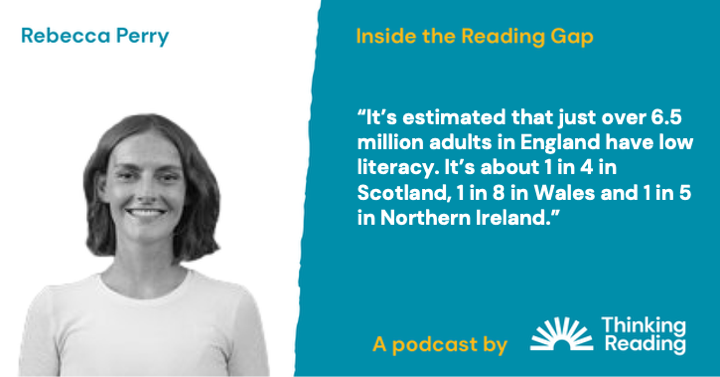
🎧 We know how to teach all children to read and these solutions are far cheaper than the ongoing costs of illiteracy. Thank you to Rebbeca Perry @Literacy_Trust who joined us on "Inside the Reading Gap" to discuss the impacts of low literacy.
Gains like these are transformative for the students. Their lives have been changed & their educational trajectories altered. If you would like to see these results for your pupils, contact us here: https://t.co/6EPyoeGZe3
Ep 8 : "In Conversation with Tony Giles" Principal of Mahurangi College @gilesboys . How do teachers fix an achievement gap in literacy? Listen to the experts on "Inside the Reading Gap" wherever you get your podcasts. Essential listening for all interested fixing this problem.