The Sieve of Eratosthenes is a simple method for finding prime numbers: you highlight the next available number and then cross out all of its multiples. How many primes are there less than 100? Try for yourself at https://t.co/Mr65qdpphj
Explore factorizations and primes numbers while practicing arithmetic skills when playing Factris. Developed with our friends @MEIMaths, Factris has now been played over 27 MILLION times! Can you make it onto the leaderboard? Play at https://t.co/Cxux1vCQaH
Watch what happens when you merge differently coloured fraction bars on Polypad! 🎨 Ideal for ratios and mixing problems! Try for yourself at https://t.co/5qJDURSgo0
11/23 is sometimes called Fibonacci day. Pingala (पिङ्गल) was an ancient Indian poet and mathematician who lived around 300 BCE. He wrote about the "Fibonacci" numbers about 1500 years before Fibonacci was born. Learn more at https://t.co/k3ArPP1xuk
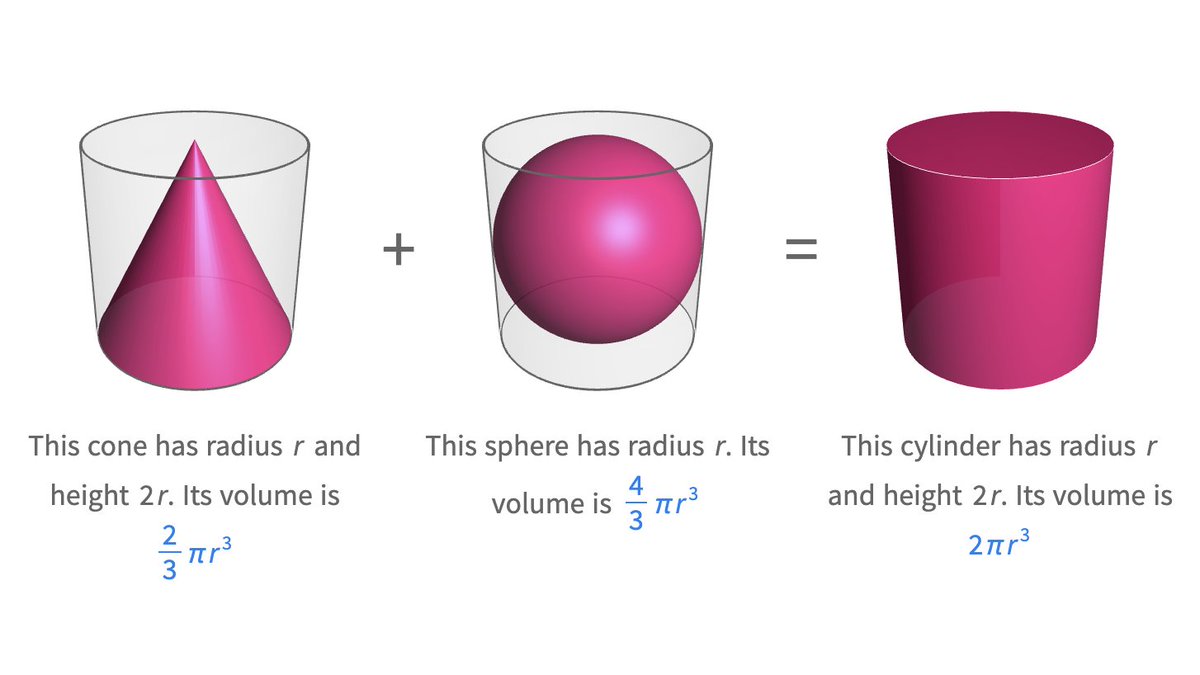
Archimedes discovered that if you add the volume of a cone and a sphere, you get the volume of their bounding cylinder. It’s one of the most beautiful results in 3D geometry! Learn more at https://t.co/45KUaWmR8s
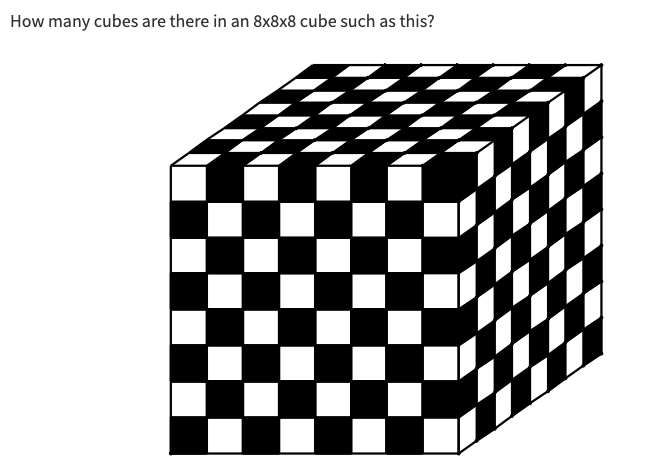
Perhaps you've thought about how many squares there are on a checkerboard, but do you now how many total cubes there are in an 8 x 8 x 8 cube? Explore this and other related questions at https://t.co/kEoqFQ4Fl0
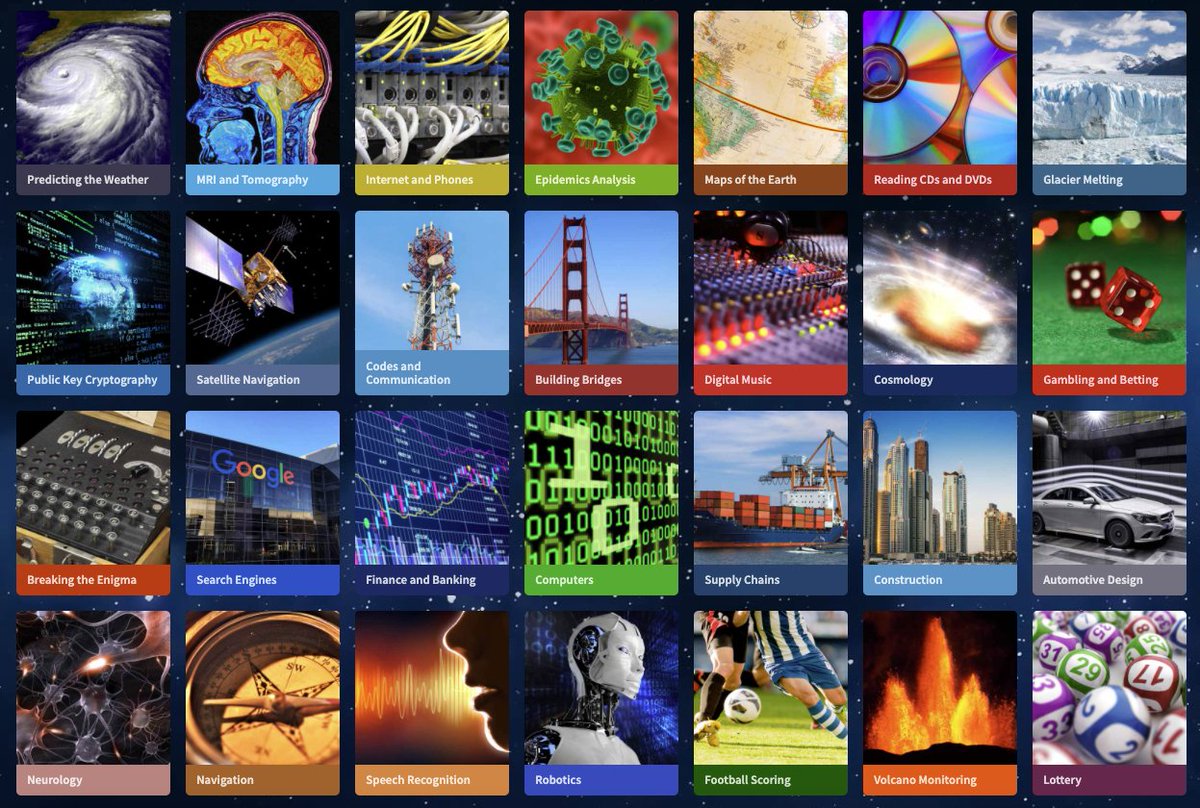
Mathematics has applications across so many parts of everyday life - from glacier melting to supply chains, neurology to crowd control, and fraud detection, to name a few. Explore many more interesting examples at https://t.co/R1xGBJ9uFl
The 3D diagrams in our interactive courses allow students to derive equations for the surface area of cylinders, cones and other solids. Explore all the interactive elements at https://t.co/MFnj31mWUS
This Webb caught a giant space tarantula! 🕸️
Take a moment to stare into thousands of never-before-seen young stars in the Tarantula Nebula. @NASAWebb reveals details of the structure and composition of the nebula, as well as background galaxies: https://t.co/DZePgDpPEH
Roger Penrose was born 91 years ago today. He is known for groundbreaking work in general relativity and cosmology. He also discovered Penrose Tilings: self-similar, non-periodic tessellations using only two different tiles. Learn more here: https://t.co/WwpiAehrUs