@ACIR_org I check the paper, and the data availability statement says "No data are available." Data like the immunopeptidomics data should be made available once the paper is published.
@ACIR_org According to the paper, all IP-MS data "are publicly available as of the date of publication", but this is not yet the case. I tried reaching out to the authors by mail, but it didn't work.
@CellGenomics The paper is published but the IP-MS data is not yet publicly available. According to the authors, the data will be made publicly available upon publication.
When governments & countries decrease funding, we invest more in Africa! When they go low, we go high! Please help to advertise 20 fellowships in the top scientific facilities in Africa (CERI and IPD), together we make the world a safer place - https://t.co/f05L8LDox7
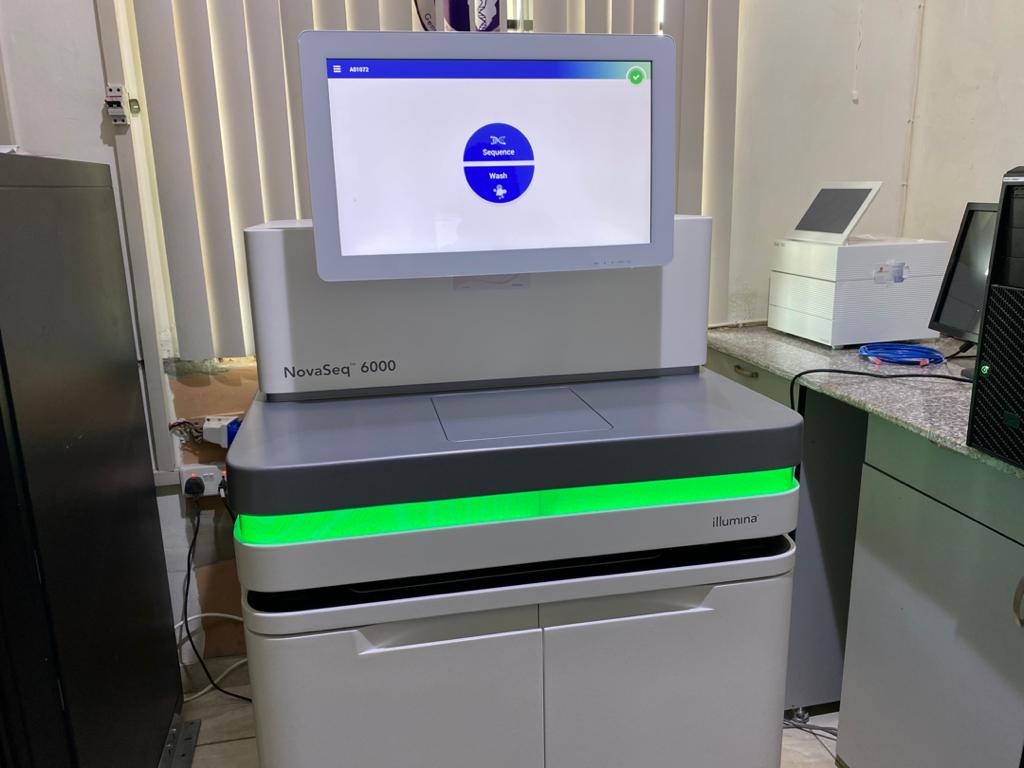
Our newly installed Illumina NovaSeq 6000 sequencing system is capable of sequencing genomes of large organisms (plants, animals and human). With this, @acegid is able to better understand infectious diseases from other points of view other than that of microbes.
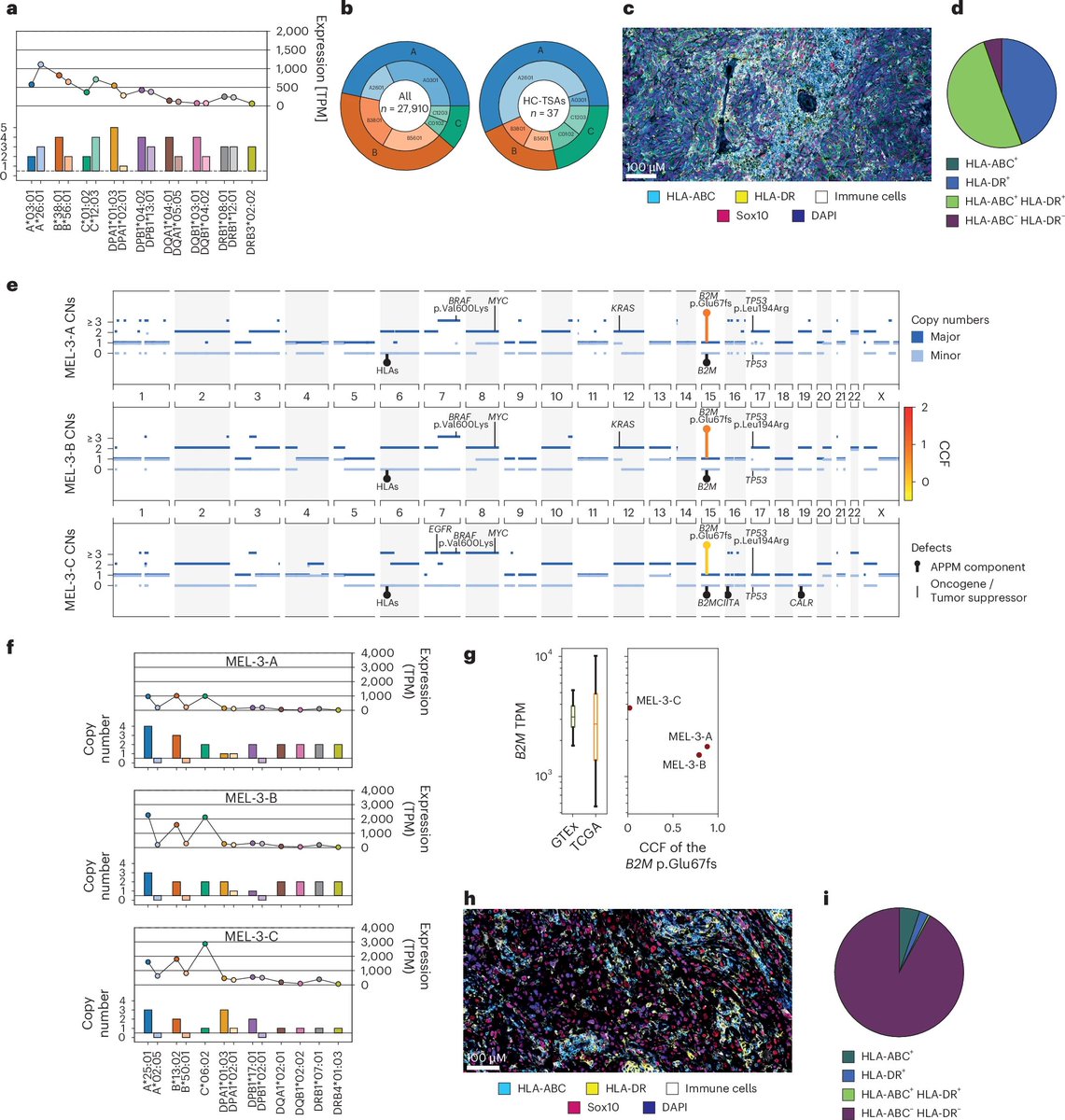
A comprehensive proteogenomic pipeline for neoantigen discovery to advance personalized cancer immunotherapy @NatureBiotech@michal_bassani https://t.co/kb0KggCAO3
https://t.co/pemd4TggXK
@KoleRoybal@KlebanoffLab@jaehyukchoimd Congrats, Kole. I'm wondering if the sequencing data will be made available soon on NCBI..? It's currently not available.
Amazing! Many more to come! 😊👏🏿 It is imperative that we sequence the African genome in Africa. We must invest significantly in training our young and brilliant scientists🌍.
#africangenome#genomics#sequencing
📢📢📢 Equipment Alert!
We just took delivery of the first @illumina NovaSeq X Plus in Africa!
The Illumina NovaSeq X Plus is the most powerful and the most advanced sequencing system in the world. It can sequence more than 26,000 human genomes per year
#genomics#sequencing
🚨comp bio folks: update your priors & add a new algorithm to your toolbox!
You can now reliably call somatic mutations in scRNAseq/scATACseq data without a refernce, thanks to a new great tool just out.
Why does this matter?
How does it work?
When/where can you use it?
👇
0. For interested non-experts
single cell RNA sequencing data (scRNAseq) is everywhere by now. To understand cancer evolution for example, lots of different tumor types (e.g. pre-malignant/primary/metastasis) and conditions (s.a. pre/mid/post treatment, and others) have been profiled. scRNAseq offers information primarily on the gene expression state of the cell (its transcriptome). In addition to mRNA abundance, scRNAseq also contains the actual sequence of the transcriptome, making it appealing to also identify point mutations (mismatches compared to reference). But technical limitations make this important task quite difficult, and essentially only possible when matched DNA (bulk or single cell) for the sample sample exist.
1. Why is this so relevant?
Inferring point mutations from scRNAseq/scATACseq is appealing from at least 2 main reasons:
- single cell point mutations are extremely relevant for understanding the phylogeny and evolution of both normal tissue (e.g. during development) and cancers
- the inferred point mutations would offer a second mode of omics information in the same single cells for which expression information is also available. This essentially mimics multi-omics single cell data for free 🤯.
2. About the new tool
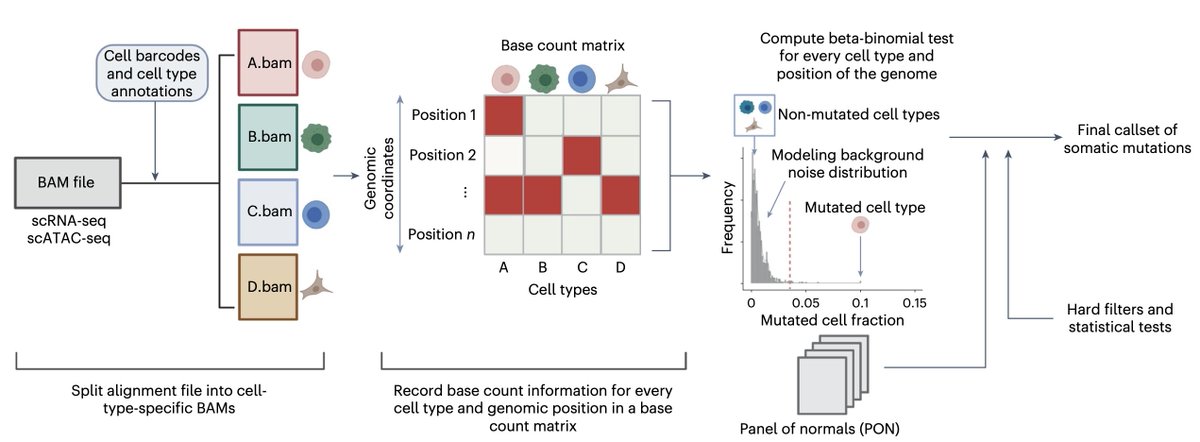
SComatic computes base counts for every position of the genome across (a priori-identified) cell types from the same individual, using the assumption that somatic mutations are only present in cell types from the same differentiation clade, whereas germline mutations are widespread. More specifically, the tool follows these steps:
2.1. Annotate cell types with e.g. markers (or your favorite method)
2.2. Split alignment (BAM) files into cell-type specific BAMs
2.3. Structure base count information per split cell type-specific BAM into a matrix
2.4. Compute beta-binomial tests for every cell type and position in genome, parameterized using non-cancerous samples
2.5. Further filter mutations to retain only the somatic ones, using: i) the frequency of the mutation, ii) a panel of normals (PONs), and iii) a-priori information on the bases themselves.
3. Validation and performance
Tested on 10X scRNAseq & matched WES data, the new method shows high concordance between the mutations detected in scRNA-seq by SComatic and WES. Interestingly (and expected), in a sample with high genetic heterogeneity, both WES and scRNAseq alone identify mutations that the other data types doesn't find.
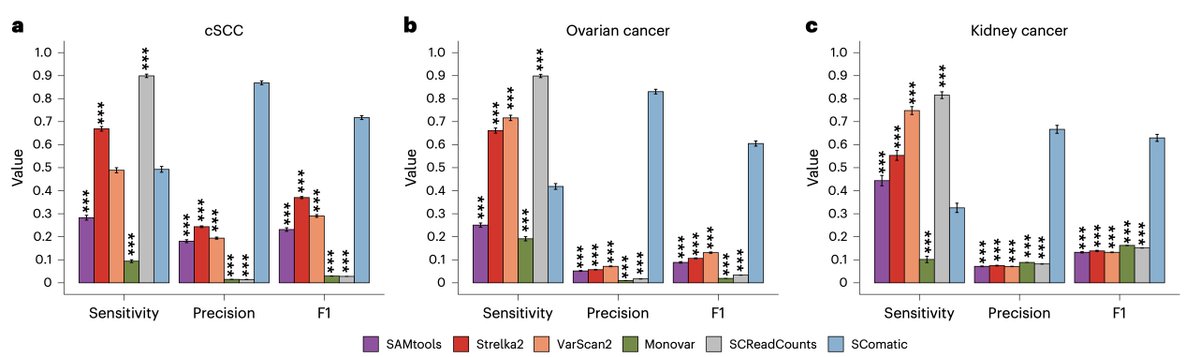
SComatic shows much higher precision & F1 scores than alternative pipelines for calling scRNAseq point mutations. Other methods do have better sensitivity, which is important to note, as different tools might be different for other applications.
Mapping the identified mutations in cancerous samples to mutational signatures highlights cancer-related processes, further increasing the confidence in SComatic's mutation calls.
On hypermutated samples (MMR-deficient tumors), SComatic's mutation calls are more biologically-relevant than those of alternative methods, as assessed by the distribution of the identified mutational signatures.
4. Non-cancerous tissues
SComatic has also been tested on samples with low mutational burden: myeloproliferative neoplasms, as well as normal tissues with high expected genetic heterogeneity (e.g. polyclonal tissues): 78 scRNAseq samples from 6 heart regions across 14 donors. The mutational burdens in cardiomyocytes estimated by SComatic were comparable to those estimated using single cell whole genome sequencing (WGS).
Another interesting application on non-neoplastic tissue used scATACseq data: 500.000 cells from 66 samples from 24 tissues. The distribution of called single cell mutations in scATACseq was quite different from scRNAseq, and most mutations mapped to intergenic (32%), promoter (19%) and intronic regions (18%). Quite interestingly, ductal cells showing the highest mutational rates.
In line with previous reports on mutations in normal tissues, this paper does find mutations in non-neoplastic cell types from both cancer and non-neoplastic samples, but with overall low (<0.2) mutant cell fractions.
This research direction is exciting and very relevant, as it allows diving deeper into the clonal landscape of normal tissues of different cell types, using the wealth of existing scRNAseq/scATACseq data. This has implications for cancer prevention and early detection and management.
5. Cancer heterogeneity
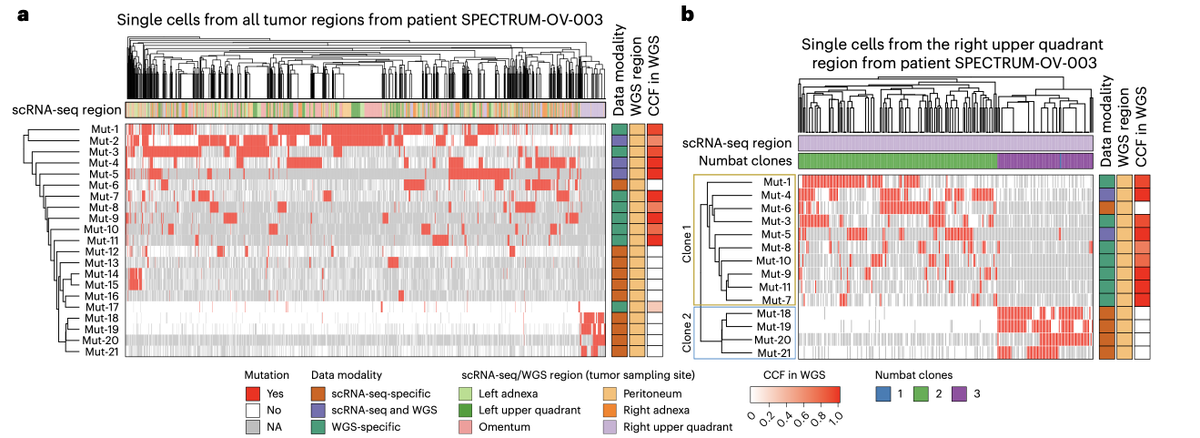
Lastly, SComatic was used to reconstruct the clonal heterogeneity in multi-region scRNAseq data from ovarian cancers (with clones identified using copy number alterations). Clonal assignments based on somatic mutations and somatic copy number data were highly concordant. This is quite impressive, showing that mutual exclusivity and co-occurrence analysis of mutations at the single-cell level is now possible, combined with inferred transcriptomic states in the same single cells.
That's a wrap!
Here is the link to the paper, out in @NatureBiotech:
https://t.co/VkShZfOzMA
And here's the link to the tool
https://t.co/Jq6TmR4115
Congrats & thanks to all the authors led by @isidrolauscher
👏👏👏