Turning an invasive threat into a community victory!
1️⃣ Invasive Weed Control – Clearing out stubborn species to restore local ecosystems.
2️⃣ Soil Improvement – Locking carbon into the ground and boosting agricultural fertility.
#Biochar#Sustainability#InvasiveSpecies
🌿 Big news from Zaka District! @ForestCommission& @EMAZimbabwe are tackling the invasive Lantana camara in Wards 17 & 34 — turning a destructive weed into biochar! ♻️🔥
Powered by the #GEF7#DSLIP Project. Fighting invasion. Building resilience. 🇿🇼
#LandRestoration
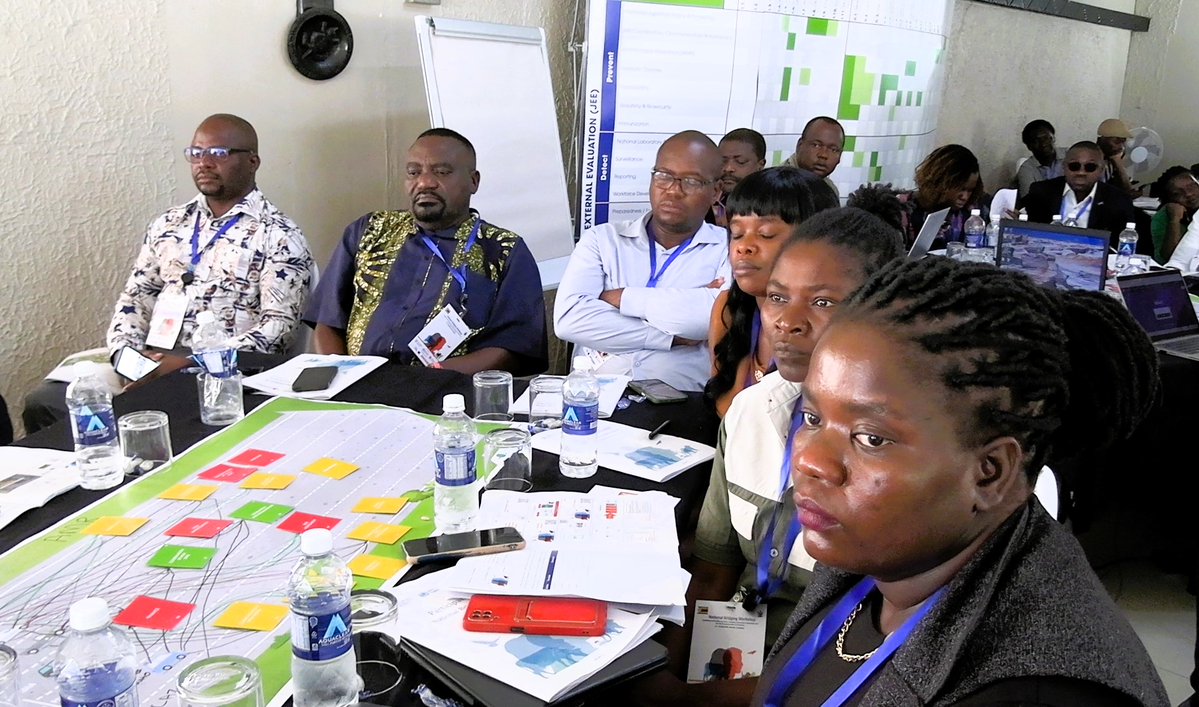
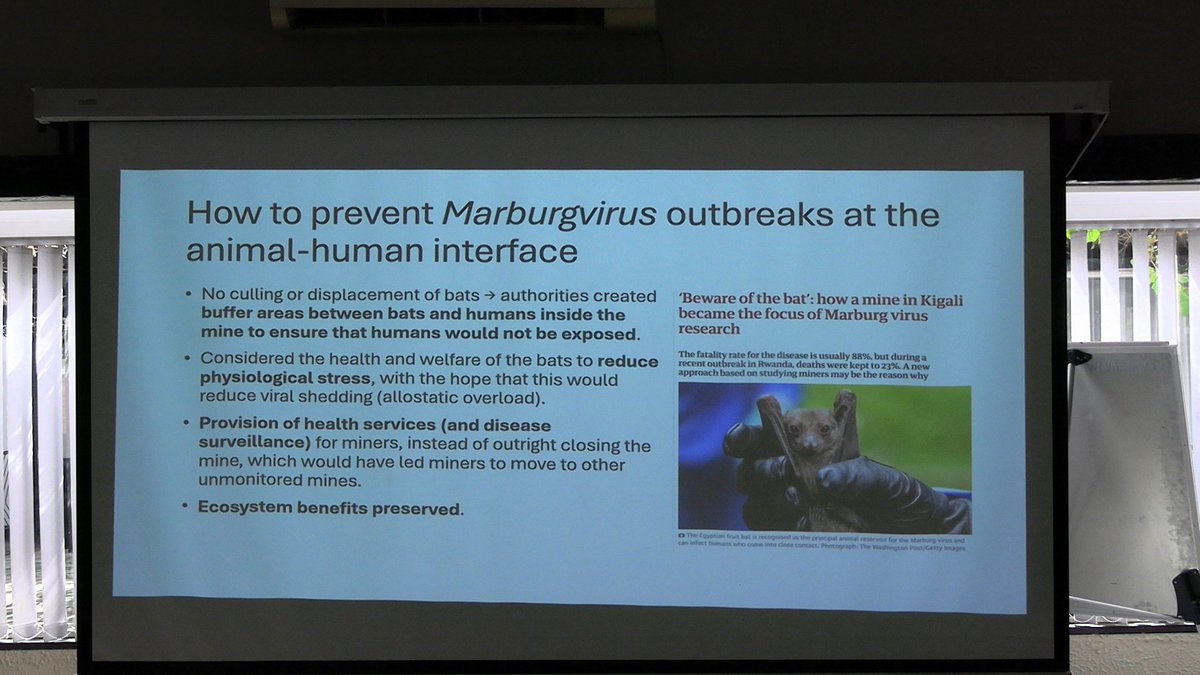
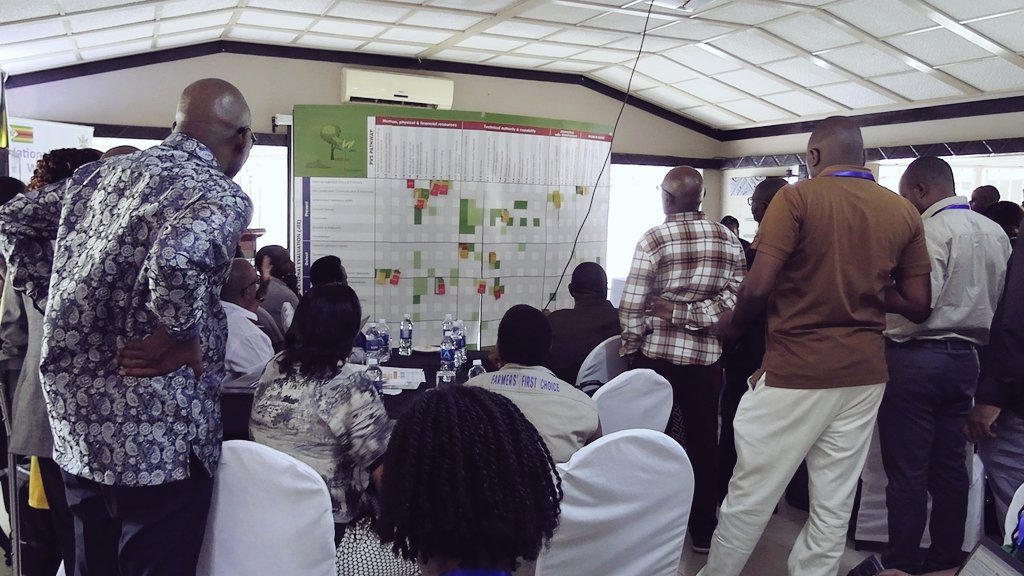
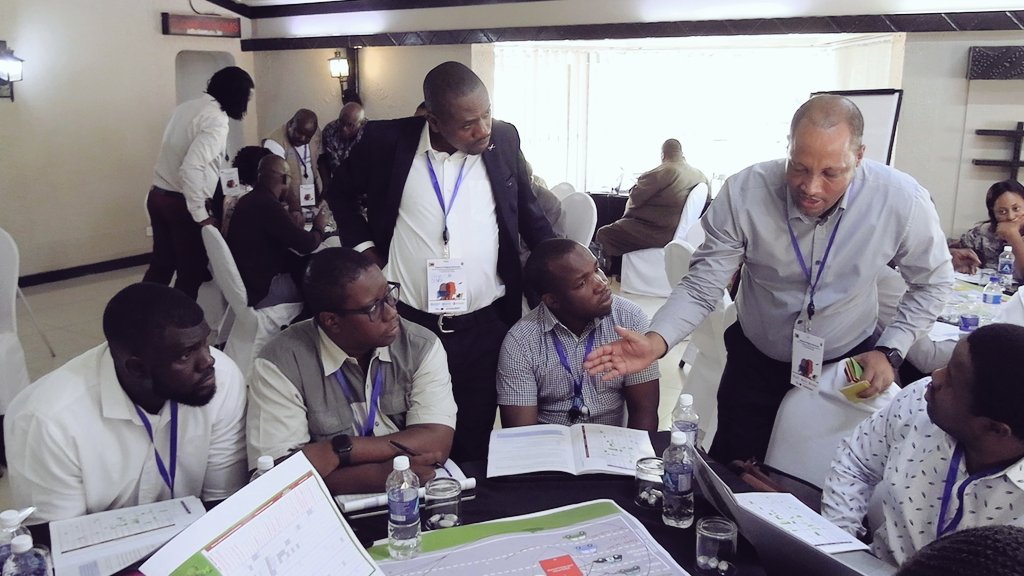
Day 2: The #NationalBridgingWorkshop continues with a strong focus on collective action. Participants are bringing diverse sectors together to critically review and shape the future of the nation’s #OneHealth approach. By identifying key areas for improvement and refining strategies, the group is working to close gaps and sharpen the collective response to health threats. This shift from silos to synergy ensures a stronger, more integrated health system for humans, animals and the environment.#HealthForAll @WHO_Zimbabwe@FAOZimbabwe@MoLAFWRD_Zim@EMAeep@WOAH@MinOECW@africa_woah
🌍 We're excited to share our latest initiative to combat invasive species in Zimbabwe! 🌿
Yesterday, the @Forestry_Zim, in collaboration with @FAO, trained the Muwango communities on producing biochar from invasive trees like Vernonanthura pilyanthes (Mupesepese).
Biochar turns waste into a sustainable solution for ecological concerns, enriches our soil, and promotes carbon sequestration. By utilizing invasive plants, we're enhancing soil fertility and improving agricultural practicies .
@ActionAidZim@TeamCRRT2016
@CIFOR_ICRAF
Grateful to have completed the Biotrade Training of Trainers (ToT) held on 9–10 Dec 2025. Looking forward to cascading the training and supporting sustainable biodiversity-based value chains.
#Biotrade#Biodiversity#ToT