Earlier this week @greengovzw1@ActionAidZim launched a Book titled "Pathways for Green Governance in Zimbabwe : Energy Transition, Climate Finance & Eco-Feminisim " Edited by @FrankMpahlo & Leon Dzumbira.
The Book Launch was facilitated by @bathadlamini1@maselch@MinOECW
🌍 On this World Environment Day 2026, Green Institute Zimbabwe proudly joins the global community in celebrating under the theme “Inspired by Nature. For Climate. For Our Future.”This theme reminds us that nature is not only our heritage but also our greatest source of inspiration in the fight against climate change. From the resilience of forests to the harmony of pollinators, we see that the solutions to our climate challenges lie in respecting and restoring the ecosystems that sustain life.
At Green Institute, we reaffirm our commitment to protecting biodiversity, empowering communities, and advancing climate justice. We believe that by working together, inspired by nature, we can build a climate‑resilient Zimbabwe and secure a future where generations thrive in harmony with the environment. This day is not only a celebration but also a call to action — to safeguard our rivers, forests, and wildlife, to strengthen community resilience, and to forge inclusive partnerships that unite people and ecosystems for a shared future.
💚 Inspired by nature, we stand for climate, and we act for our future.
@ACTonDRMBill@weleadteam@FAOZimbabwe@MhlangaJohanne@TeamCRRT2016@Climate_Allies
Three in four forcibly displaced people live in countries with high-to-extreme exposure to climate-related hazards. This shows how deeply climate change, conflict and forced displacement are now connected. Refugees and asylum seekers often carry the burden of war, conflict and displacement, while also living in host communities that are themselves exposed to heat, drought, flooding and environmental stress.
With the support of @jcwi_uk, @RCCA_Youth is conducting a three-day Tongogara Climate Resilience Discussion with youth and young people in Tongogara Refugee Settlement.
The discussion creates space for young people to share lived experiences of climate-related displacement, education challenges, livelihoods, food security, shelter conditions and community resilience. It also helps strengthen local evidence on how climate and environmental planning can better include refugees, asylum seekers and host communities.
At CIASA — Citizens In Action Southern Africa — we remain committed to:
🟠 Defending Rights
🟢 Protecting Vulnerable Communities
🟠 Empowering Women and Girls
Together, we can build safer, stronger, and more inclusive communities for all.
DEFEND. PROTECT. EMPOWER.
We welcomes the proposed Envmt Mgt Bill (2026) as a key step towards stronger environmental governance & climate resilience.
Through our CSA & natural resources governance initiatives, we continue empowering communities with sustainable practices for a resilient future
🌱🐝 A beekeeping workshop is underway at Mount Selinda under the Miombo Transfrontier Initiative, bringing together 74 farmers (51 women & 23 men).
Facilitated by @FAO and the @forestrycom1, the training promotes sustainable beekeeping and forest-based livelihoods. 👏🇮🇹
#woldbeeday 🐝🐝🐝
Fun Fact😁: Did you know that bees have five eyes; two large compound eyes and three smaller eyes in the center of their heads that help them detect light and navigate using the sun.
🐝 IF BEES STOP BUZZING, OUR FOOD SYSTEMS GO SILENT🍯
Today is #WorldBeeDay, and we celebrate the tiny pollinators making a massive impact on our planet.
Under the theme, “Bee Together for People and the Planet – A Partnership that Sustains Us All,” we recognise the powerful connection between humans, bees and nature in protecting biodiversity and securing our food future.
From the food on our plates to the flowers in our fields, bees keep ecosystems thriving. 🐝💛
Let us protect pollinators by supporting sustainable agriculture, preserving natural habitats and raising awareness about the importance of bees. Because when bees thrive, people and the planet thrive too.
Join the webinar today at 10:00.
🔗https://t.co/6aaJE4VvHw
#WorldBeeDay2026 #SaveTheBees
#GovZAUpdates #ANationThatWorksForAll @GovernmentZA@GCISMedia
𝗘𝗮𝗿𝗹𝘆 w𝗮𝗿𝗻𝗶𝗻𝗴s 𝗶𝗻 𝗹𝗼𝗰𝗮𝗹 𝗹𝗮𝗻𝗴𝘂𝗮𝗴𝗲𝘀 = 𝗽𝗿𝗼𝘁𝗲𝗰𝘁𝗶𝗼𝗻
🌍📢EWS save lives only when people understand them. @MSDZIM should provide weather & disaster warnings in local languages
Local languages strengthen community preparedness & disaster response
Green Institute Statement – World Bee Day 2026
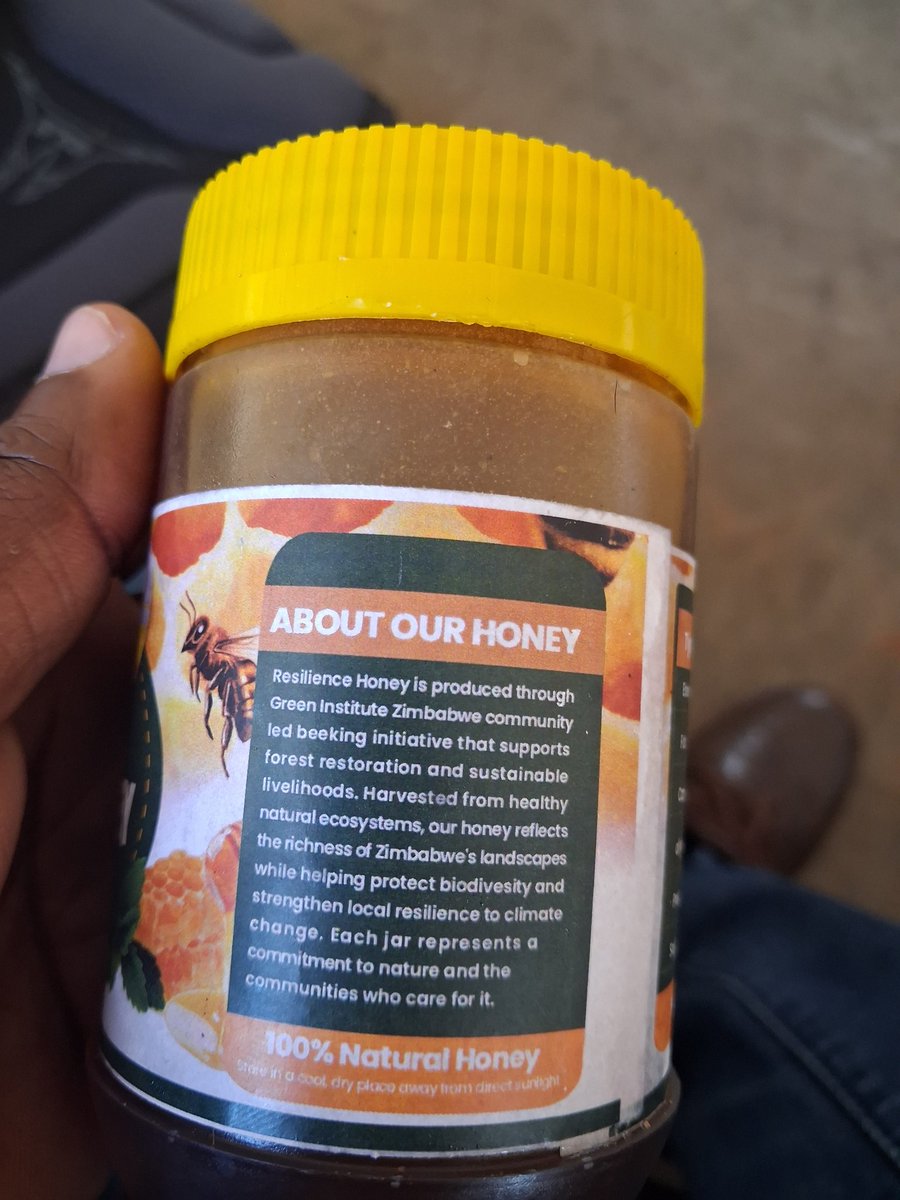
On this World Bee Day, Green Institute proudly reaffirms its commitment to sustainable livelihoods and environmental stewardship. In Ward 19 of Chipinge District, we are supporting four community groups with beekeeping initiatives involving over 100 farmers. These efforts not only strengthen household incomes but also safeguard pollinators that are vital to food security and ecological balance.
World Bee Day 2026 celebrates the enduring partnership between humans and bees in nourishing people and sustaining the environment. It highlights the evolution of beekeeping across diverse cultures and landscapes over thousands of years, while promoting innovative approaches that improve bee health, enhance production, and empower beekeepers — especially women and youth.
This year’s theme emphasizes how both traditional knowledge and modern technologies can contribute to sustainable beekeeping, and how inclusive partnerships can secure a future where pollinators thrive alongside people. It aligns closely with the International Year of Rangeland and Pastoralists 2026 and the International Year of the Woman Farmer 2026, offering valuable opportunities to reflect on the role of beekeeping in rural and pastoral livelihoods and its contribution to women’s empowerment.
Together, we celebrate bees as guardians of biodiversity and partners in resilience, while advancing the transformation of agrifood systems for generations to come
@ACTonDRMBill@FAOZimbabwe@MhlangaJohanne@mutsamu@YesdaZimbabwe@wesewomen
220+ families supported🌱
@FAO completed the agricultural input distributions covering Chichongolo, Malemane, Nwabolane & Chivimbiri communities.
This marks the end of distributions carried out across Gaza & Sofala Provinces to support flood-affected farming families🇲🇿
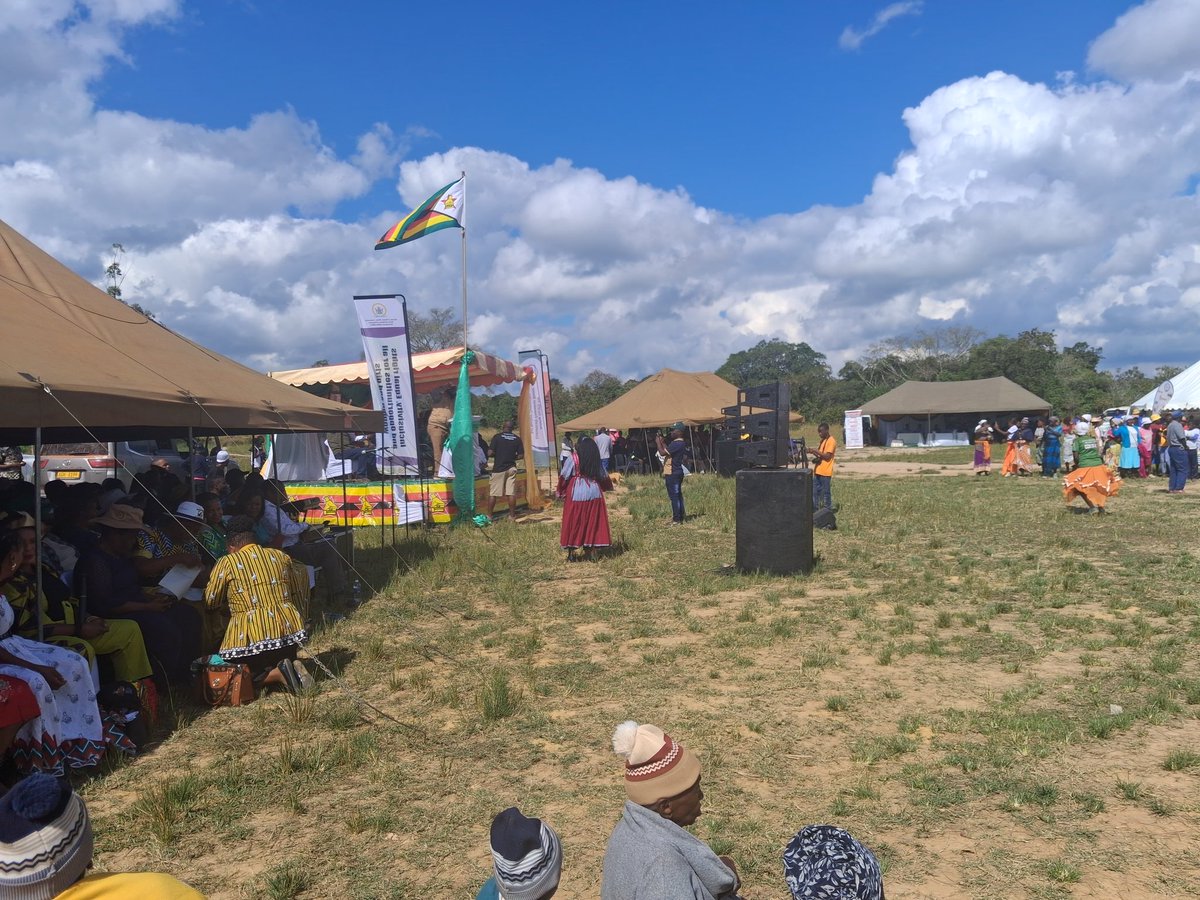
Green Institute at International Women’s Day Commemorations – Chipinge, Manicaland Province
On the 16th of May, Green Institute joined the Manicaland Province in commemorating International Women’s Day under the theme: “Rights, Justice, Action for All Women and Girls.”
The event was graced by the Minister of Women Affairs, Community, Small and Medium Enterprises Development, Hon. Monica Mutsvangwa, who applauded Government efforts in advancing women empowerment and promoting women into leadership and decision-making positions. The Minister of State for Provincial Affairs and Devolution, Advocate Misheck Mugadza, commended President Emmerson Mnangagwa for creating opportunities for women both nationally and within the province.
Hon. Mutsvangwa highlighted the important role women play in leadership, economic development, governance, and community building. She reaffirmed Government’s commitment to programmes focused on economic empowerment, technology inclusion, climate resilience, and access to finance for women.
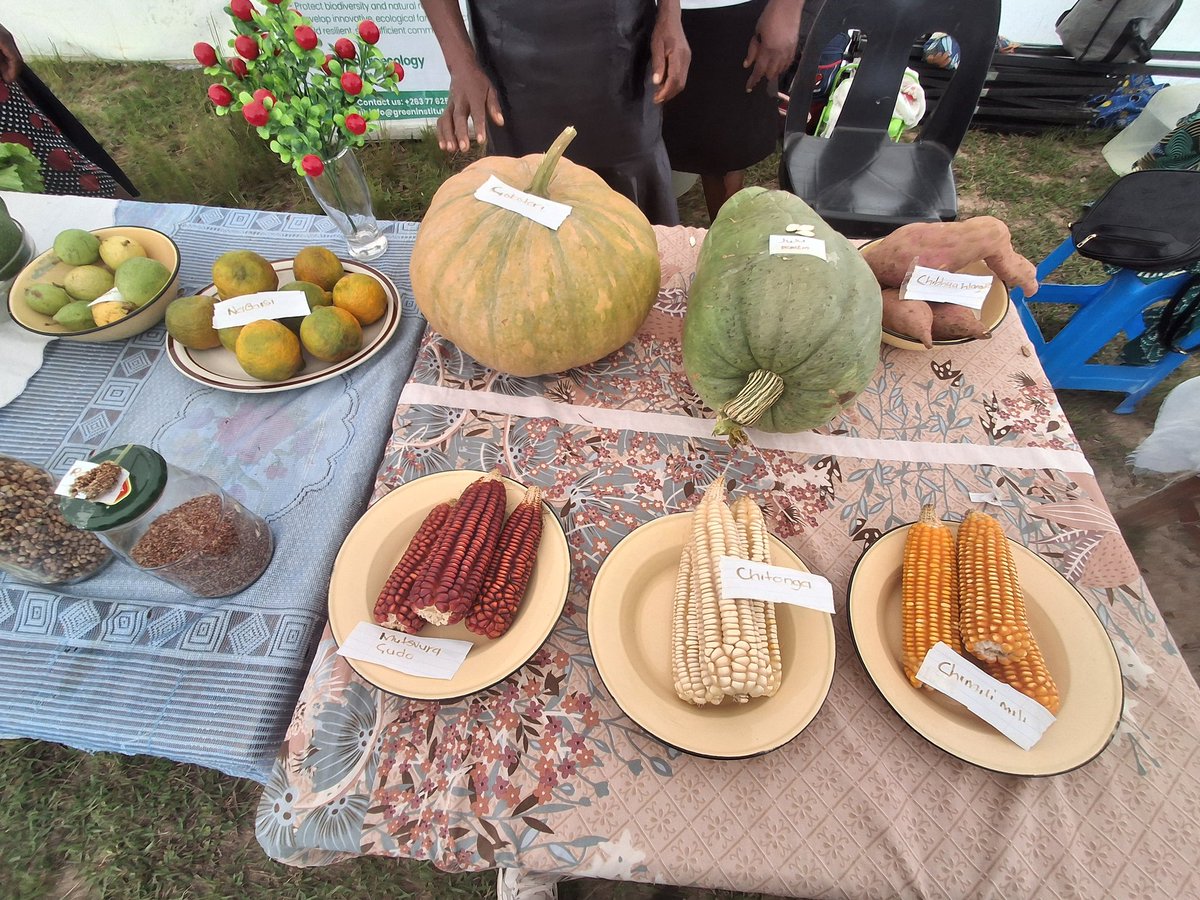
As Green Institute, we proudly joined other development partners, business organisations, and civic groups to exhibit products from our Batanai Agricultural Hub. We continue to pledge unwavering support towards gender equality, ending gender-based violence, and empowering women and girls.
The commemorations celebrated the resilience, strength, and achievements of women while calling for continued action to ensure equal opportunities for all. Together, we stand for a future where every woman and girl thrives. 💪🌱✨
@ACTonDRMBill@FAOZimbabwe@MhlangaJohanne@HonMachakaire@MishMugadza@YWTrust@YesdaZimbabwe@IrlEmbPretoria@RuEmbZimbabwe@TeamCRRT2016@CliffordHlatyw1@vanyaradzayi@UrgentAct
Green Institute is proud to be part of the 3‑day intensive beekeeping training for Chirinda farmers, coordinated by the @FAOZimbabwe
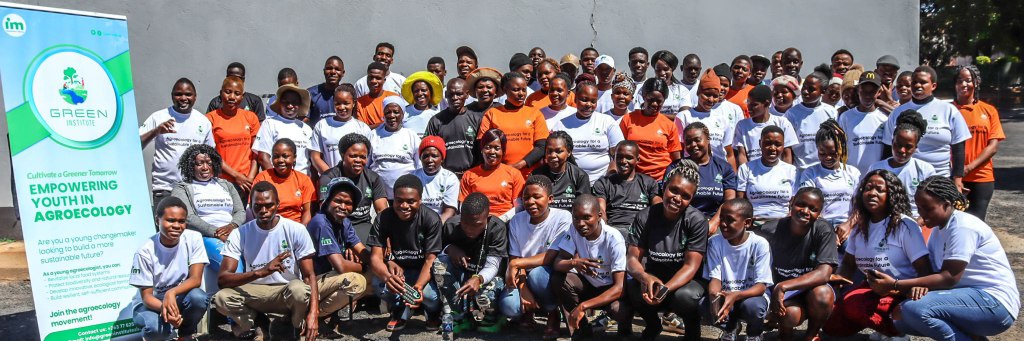
together with the Forestry Commission of Zimbabwe under the Miombo Transboundary Project. A total of 78 farmers, drawn from four villages in Ward 19 and six local schools — with the majority being young people — participated in this important program. The training is designed to equip farmers with practical skills to produce quality honey that meets market needs, while building both foundational and advanced knowledge in apiculture, including hive management, harvesting, and value addition. It also refreshes and harmonizes technical understanding among previously trained farmers, ensuring consistency and excellence in practice. Beyond skills development, the program strengthens conservation efforts for the Chirinda forest in partnership with the Forestry Commission of Zimbabwe, linking sustainable livelihoods with environmental protection. By empowering youth and communities, this initiative advances resilience, opens new opportunities in the honey value chain, and safeguards our natural heritage for generations to come. 🌍🐝
@ACTonDRMBill@TeamCRRT2016@SAYWHATOrg@EmanuelDzenga@wesewomen@AllianceofCBOs
What is #ZimLAC? Led by the @FNC_Zim, the Zimbabwe Livelihoods Assessment Committee provides vital data on food & nutrition security.
W/ @UNICEFZIMBABWE, they deliver crucial insights on child health, nutrition, & WASH to ensure aid goes exactly where it's needed most.
On the ground in Mutasa! Our enumerators are visiting households to collect vital #ZimLAC data. Every interview helps us understand the community's food, nutrition, and WASH needs. This data is key to ensuring support reaches the families who need it most. 🇿🇼 @FNC_Zim