We're hiring staff-level frontend, React Native, backend, distributed systems engineers.
Full-time
$300K+ cash & equity >0.5%
Contractor
$30K a month—flexible on cash / equity split
Team is 10 people, all engineers. No PMs or unnecessary meetings.
Free Certification courses from Google!
Don't waste money on courses, because the best ones are FREE.
Google is offering FREE courses in
1. Python
2. Data Science
3. Machine Learning
A Thread 🧵👇
Complete Gsoc 2024 Roadmap by @kirat_tw
(with some extra tips)
1. Get moderately good at a tech-stack :
(Time period: Sept-Oct-early Nov )
Four general tech stacks that Gsoc organisations uses are:
- Javascript/ Typescript
- Python
- Java
- C++
2. Start looking for organisations:
( Time period: mid-November)
Choose at least 2-3 organisations to be safe.
After choosing an organisation,
- Create a decent reputation of yourself with the maintainers.
- Start with small bugs.
- Introduce yourself in SLACK, DISCORD.
- Ask curious questions but don't ask too many questions.
- Make your presence felt early to the maintainers because there is a huge crowd in Jan-Feb.
- Get to know the maintainers before the crowd comes.
Until December, have a decent reputation with the maintainers and hopefully solve a few bugs in the organisation.
3. Be aggressive:
(Time period: Jan-Feb)
- When January comes, start contributing to bigger codebases and try to solve bigger issues without the help of maintainers.
- 2 months learning a stack and 2 months understanding the codebases so by this time you should be aware of the tech stack and the organisations' codebase to solve bigger issues
4. Have a very polished proposal:
(Time period: Feb end)
- Try 2-3 proposals in 2-3 organisations.
- You can send multiple proposals to one organisation
OR
- You can pick 2-3 organisations and send a proposal to each one of them.
80% of getting into Gsoc is contributions
10% is a decent reputation with maintainers and the rest
10% is the proposal.
15-20 days before the Gsoc result announcement, be very aggressive with the contributions.
How Do C++, Java, Python Work?
The diagram shows how the compilation and execution work.
Compiled languages are compiled into machine code by the compiler. The machine code can later be executed directly by the CPU. Examples: C, C++, Go.
A bytecode language like Java, compiles the source code into bytecode first, then the JVM executes the program. Sometimes JIT (Just-In-Time) compiler compiles the source code into machine code to speed up the execution. Examples: Java, C#
Interpreted languages are not compiled. They are interpreted by the interpreter during runtime. Examples: Python, Javascript, Ruby
Compiled languages in general run faster than interpreted languages.
Over to you: which type of language do you prefer?
–
Subscribe to our weekly newsletter to get a Free System Design PDF (158 pages): https://t.co/uc5M7CdXXC
Russia criticizing the US about cyber is the ultimate case of people who live in glass houses should not be throwing stones. They have consistently attacked everything from our democracy to our vital consumer networks. Moscow will reap what it sows. https://t.co/CsBdFLd6pw
Today, the #FBI and the Department of Justice unsealed indictments that charge nine Russian cybercrime actors involved in the Trickbot malware and Conti ransomware schemes. The indictments are the result of an FBI-led investigation. Read more here: https://t.co/CwKFmJLUdU
@BowTiedStack@hackinarticles I guess by the time you get it configured you are so behind in what you actually need to do you have no time to put any personal info on it
CISCO is offering FREE trainings and certifications for people looking to learn:
- Data Analytics,
- Data Science,
- Cybersecurity,
- JavaScript,
- Python
These are self-paced courses, so you can practice as you learn.
Open this THREAD to get started on your learning.
Repost for someone who needs this.
Did you know that virtually every IT job demands Linux expertise?
Register in this Free Linux from Zero-to-Hero class
now!
Length: 70 hours of content
Cost: Free*
Level: Intermediate
You'll Learn These Core Skills:
▪︎ Acquire open source concepts and progressively
▪︎ Master Linux commands.
▪︎ Understand how Linux is used and the basics of its command line.
▪︎ Become skilled at using the Linux virtual machine for experiments.
▪︎ Prepare for LPI Linux Essentials Professional Development Certificate (PDC).
Enjoy your learning 👇👇
https://t.co/HMPYWHcSxr
9 FREE SOFTWARES FOR CYBERSECURITY ENTHUSIASTS
1. Operating System - Kali Linux
2. Email Security - Deshashed
3. Web Hacking - Burp Suite
4. Port Scan - Nmap
5. Training - HackTheBox
6. Data Modification - Cyber Chef
7. Intrusion Detection System -
Snort
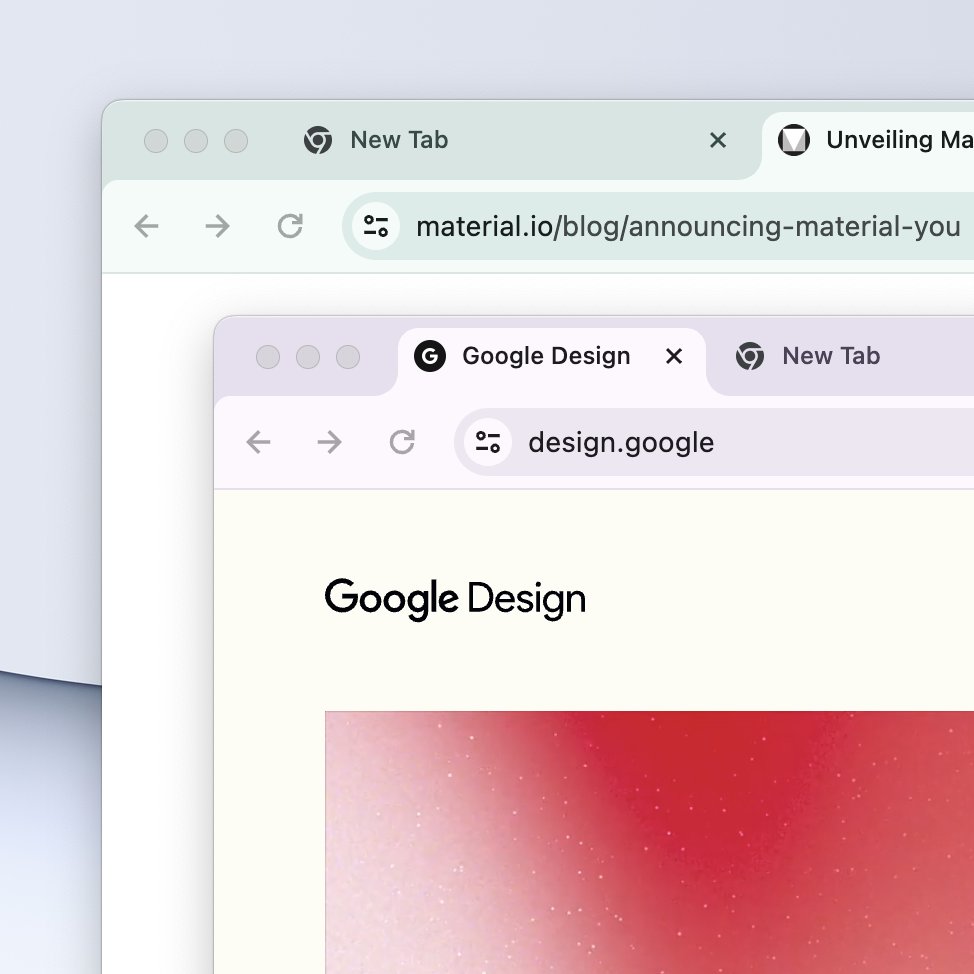
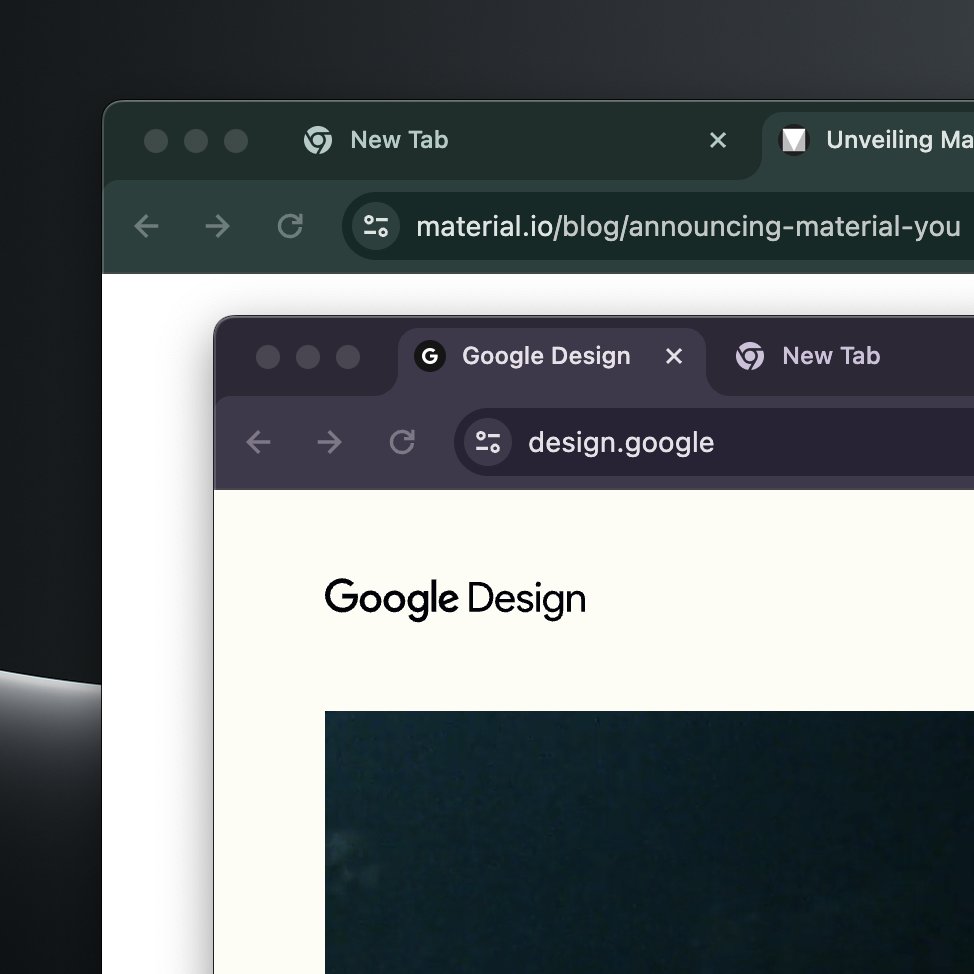
We're bringing Material You to @googlechrome for Desktop (ChromeOS, MacOS, Windows, Linux) with a refreshed approach to theming that can flexibly adapt to OS light/dark modes ✨