NASA just shared some major updates on the road ahead for Artemis 🚀
2027: Artemis III tests Orion and two lunar landers in low Earth orbit.
2028: Artemis IV returns Americans to the Moon.
Catch up on today's announcements in this special edition NASA Minute!
NASA’s Inspiration Tour has landed in in the SEC 🚀🏈
Ahead of Alabama vs. Texas A&M, @NASAAdmin met with students and fans outside Bryant-Denny Stadium, joined @SecRollins to sign a new MOU between NASA and @USDA , and will soon take to the skies for today’s flyover!
Artemis III will be one of the most complex test missions in NASA history.
Launching in 2027, Artemis III astronauts will practice rendezvous and docking with two commercial lunar landers designed to carry crew from the Orion spacecraft to the lunar surface.
Details below ⬇️
To prepare for NASA’s Artemis IV mission to land astronauts on the lunar surface, SpaceX and Blue Origin have updated their concepts of operations for its landers.
These landers — Starship and Blue Moon — have concepts of operations different from one another. More below ⬇️
Apollo should never represent the upper limit of what @NASA can achieve. It should be a standard we continuously strive to exceed.
We’re bringing that intensity, discipline, and engineering ownership back to this agency. Great nations do not remain great by being caretakers of history, but by continuously making history.
.@NASAAdmin Jared Isaacman has named Stephen Cash as the new director of NASA Marshall. Having served for several decades at Marshall in key roles across major human spaceflight programs, Cash brings a deep experience to the agency and to our center’s missions.
More: https://t.co/l8O4gVBg8c
There was plenty to see across @NASA this week 🚀
🔴 Perseverance breaks a record on Mars
🛰️ Fresh cargo arrives at the ISS
🌌 CRS-35’s space jellyfish lights up the East Coast
🔥 New heat shield tech put to the test
🌔 Artemis III assembly advances
Here’s your NASA Minute!
Post-flight analysis confirms the Artemis II Orion heat shield performed as expected during its Mach 39 reentry, protecting the spacecraft and the astronauts aboard as they returned from the 694,481-mile journey around the Moon. https://t.co/lfibBY6AQc
Since Ignition, we’ve been working across @NASA and with our partners to accelerate Artemis and return Americans to the Moon in 2028.
Next week, we’ll share major updates on that work, including how Artemis III is coming together and the next steps ahead for Artemis IV and beyond.
https://t.co/3fKcwpQgpL
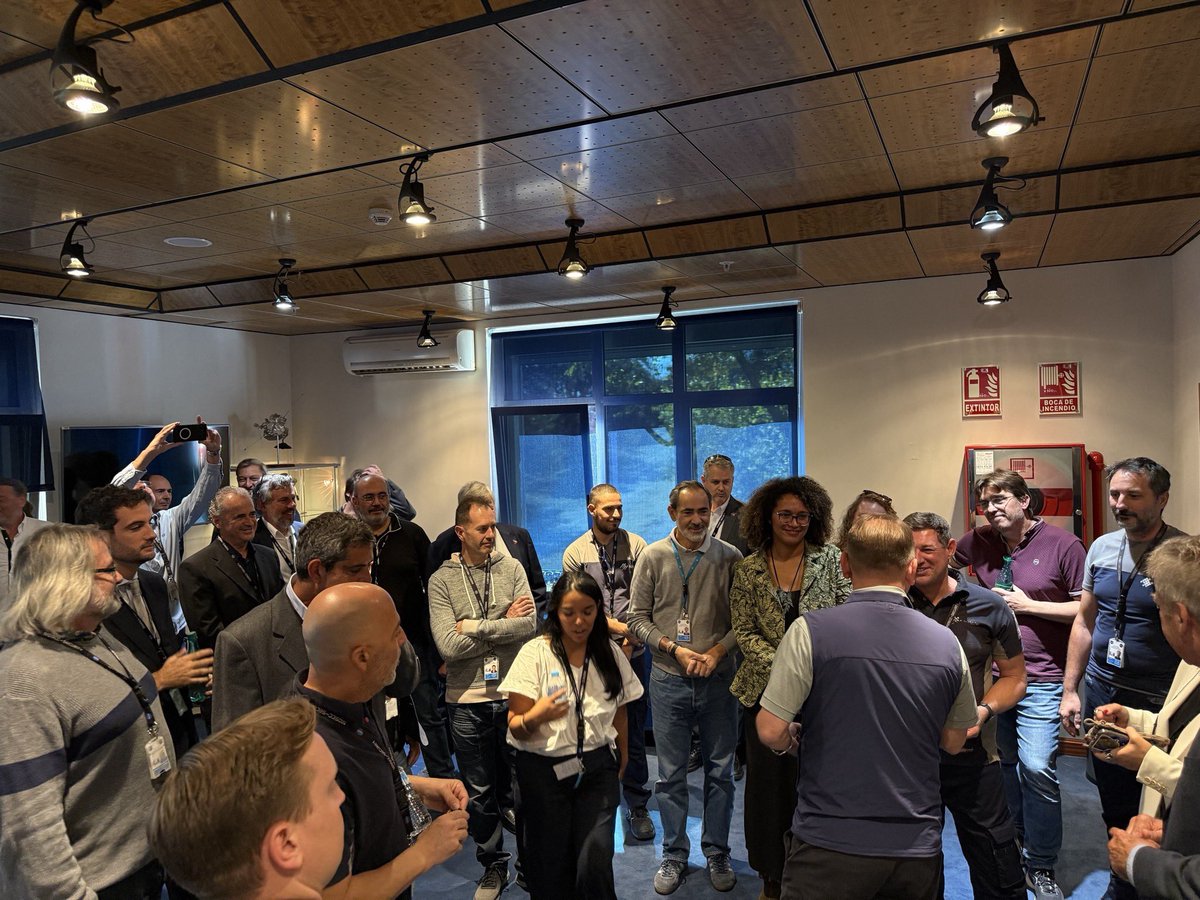
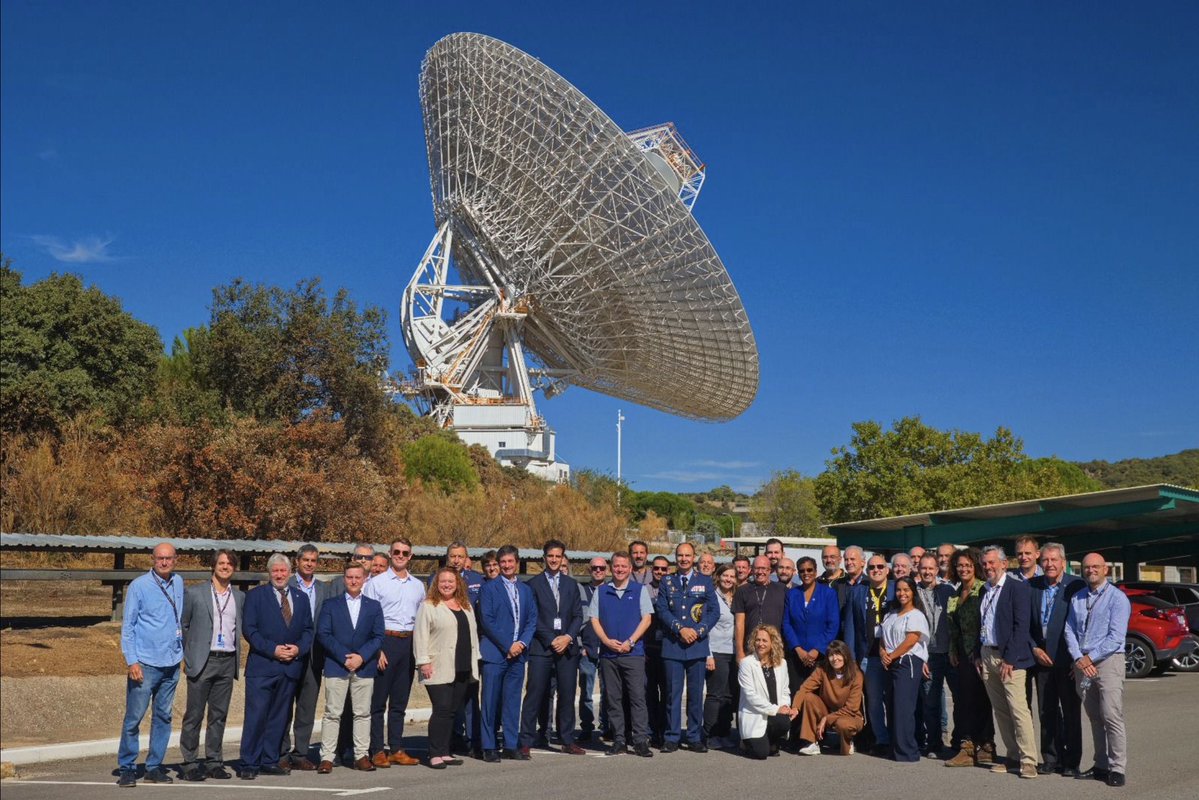
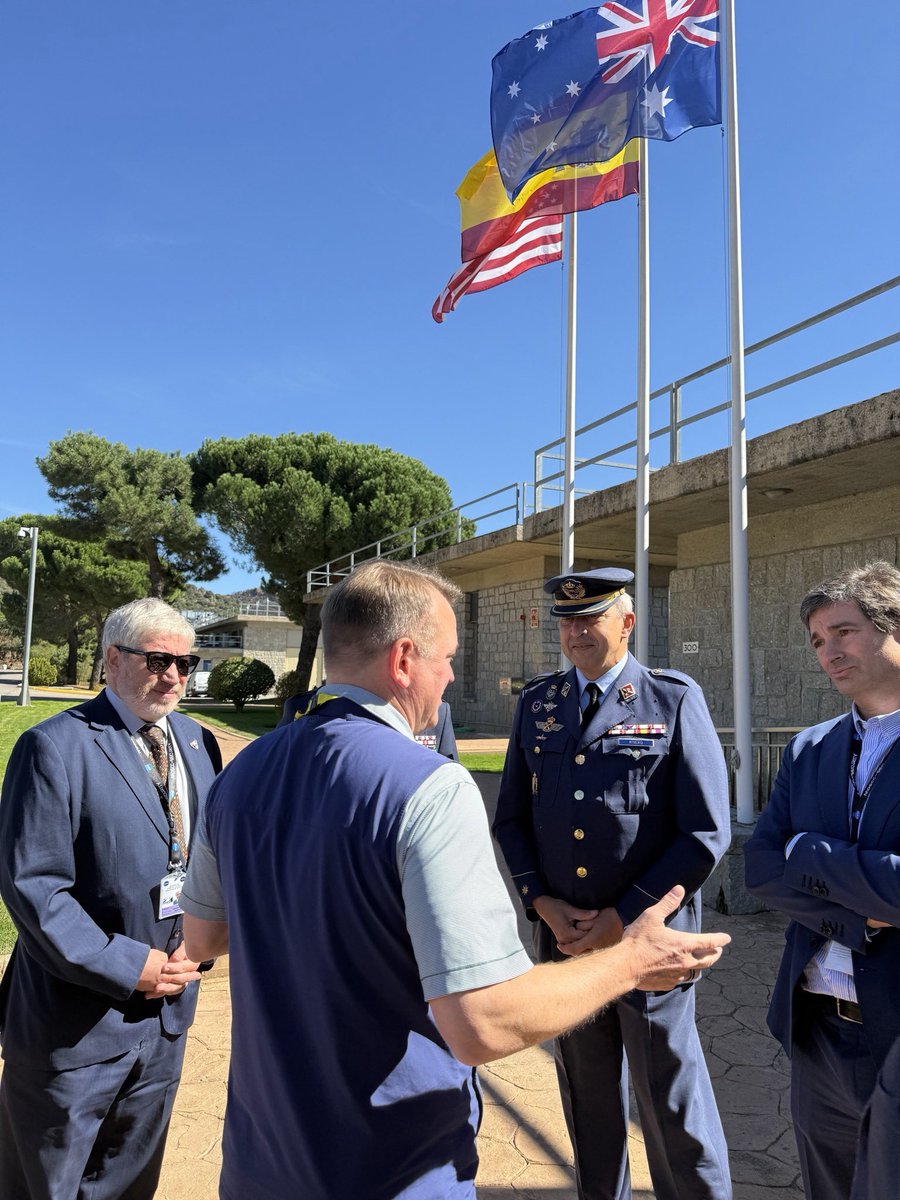
It was great to spend time with the team at the Madrid Deep Space Communications Complex, one of three facilities around the world that keep us connected to spacecraft exploring our solar system.
After the devastating wildfires earlier this year, I’m especially thankful for the dedication of this team and the Spanish emergency responders who helped protect the facility.
This is an important partnership, and the work happening here is essential to what comes next in space exploration.
If we are going to live and work on the Moon, build the Moon Base, and eventually journey to Mars, we have to master the technologies that make sustained operations possible.
There is impressive work happening at the University of North Dakota on habitats, spacesuits, human performance, mobility, and autonomous systems that directly connects to those challenges.
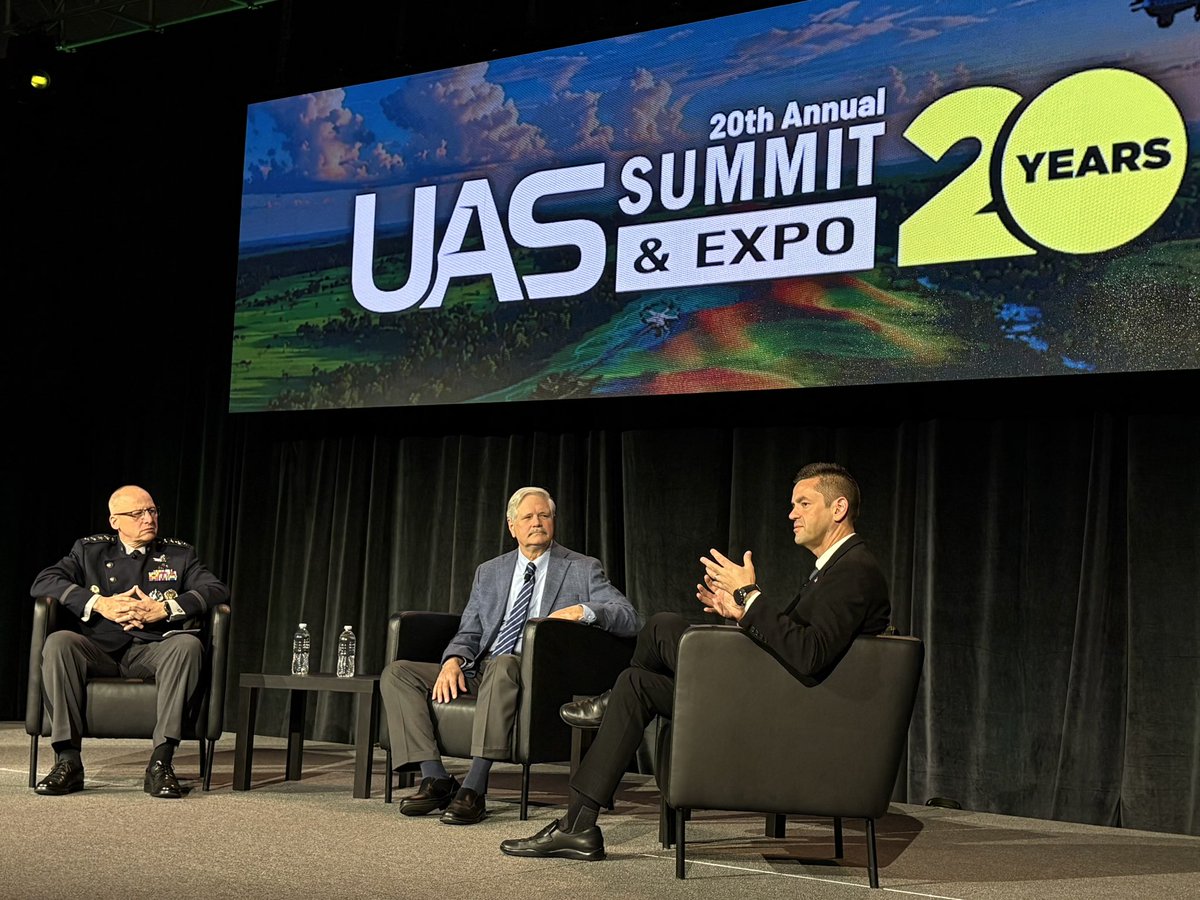
Today, @SenJohnHoeven, General Guetlein, and I saw that work firsthand, touring UND’s lunar and Mars analog habitat and spacesuit lab while meeting with the students and researchers working through the real challenges of how humans will live, move, and operate on other worlds.
We also joined the UAS Summit to talk about how advances in autonomy and aviation are opening up new challenges and possibilities across both air and space.
North Dakota is helping build the capabilities America will need for the missions ahead. Thank you to Senator Hoeven, General Guetlein, and everyone at @UofNorthDakota for the warm welcome and outstanding work.
Another great stop on the NASA Inspiration Tour! 🚀
@NASAAdmin joined @SenJohnHoeven and Gen. Michael Guetlein at the University of North Dakota to talk with students about the future of American space exploration and see the impressive work underway right here in Grand Forks!
The future of space exploration isn’t waiting. 🚀
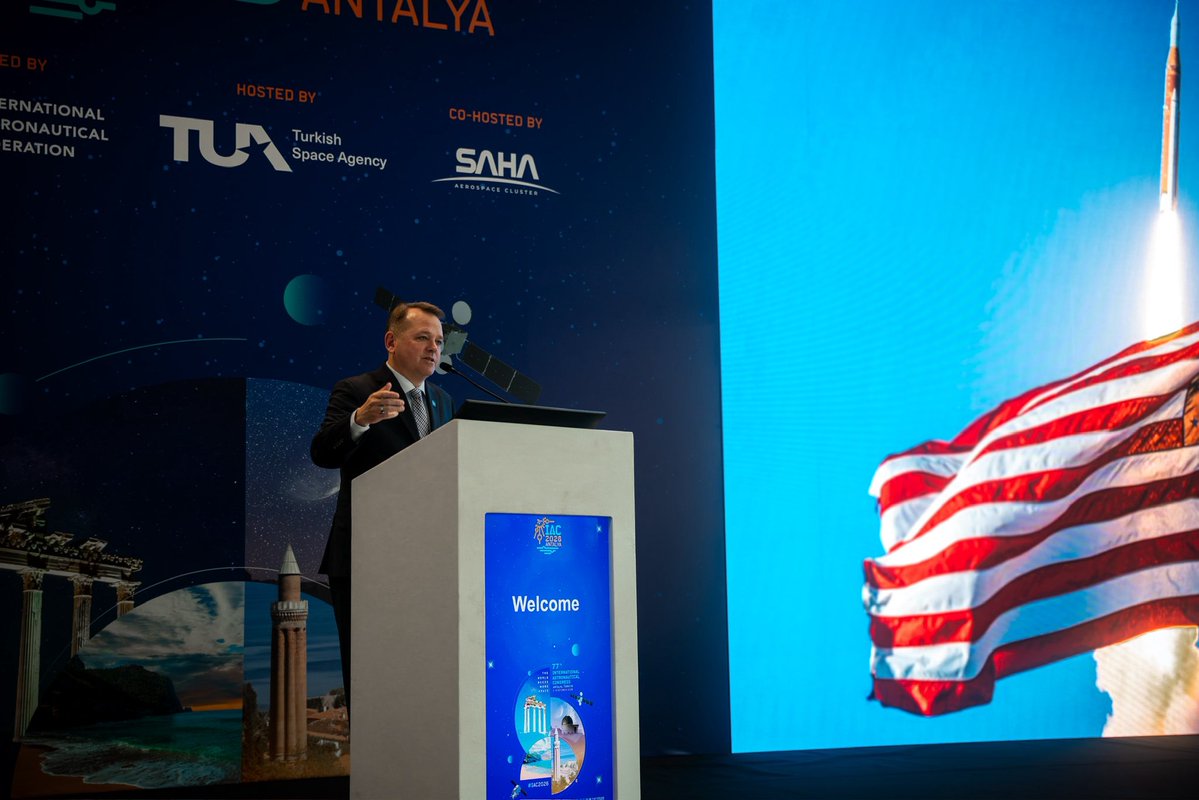
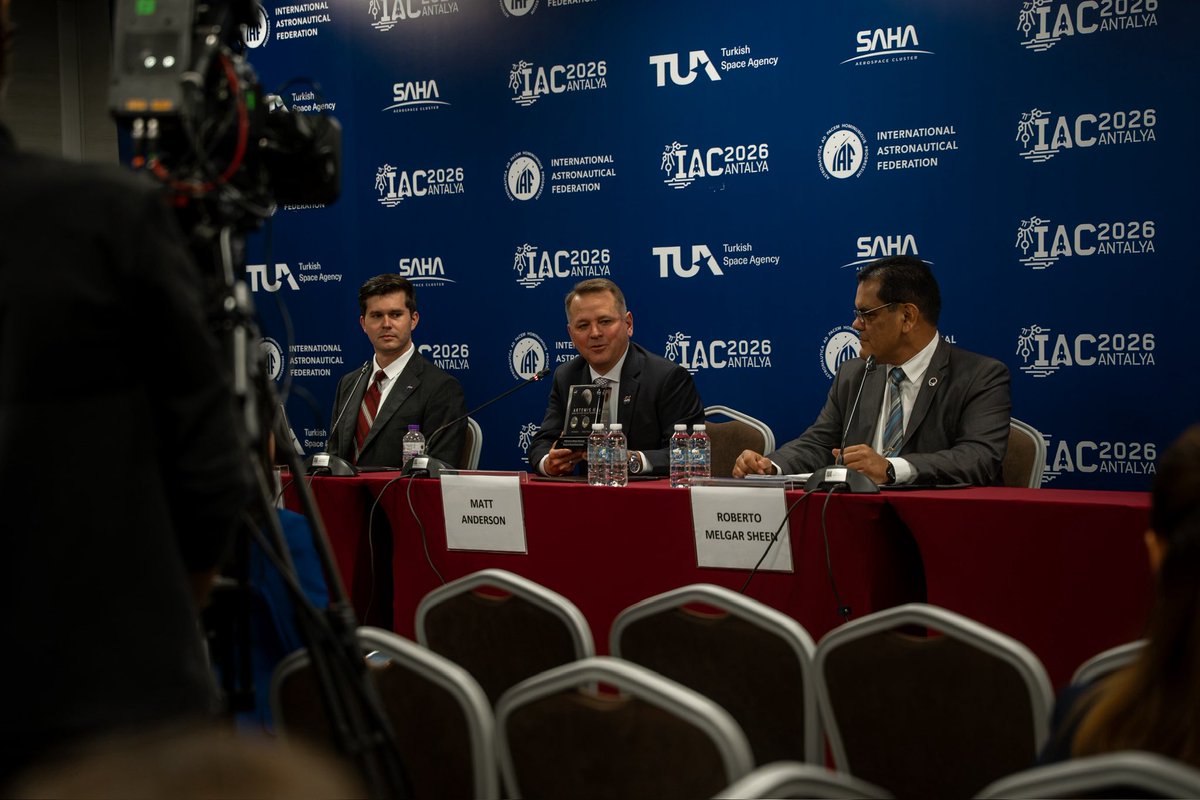
At #IAC2026, @NASA shared what’s ahead: returning American astronauts to the Moon, building a sustained presence on the lunar surface, advancing science and discovery, and preparing for missions to Mars.
The goals are ambitious, the work is underway, and there’s much more to come.
NASA’s mission reached across the planet and beyond this week 🚀
❄️ Inspiration Tour heads to Alaska
🌎 NASA leads at IAC in Antalya
🧑🚀 Crew-12 returns home
🌕 Artemis II science data released
Here’s what's new in your NASA Minute!
"We are entering a new Golden Age of American innovation and discovery." - @NASAAdmin
We're launching two new science and technology initiatives to deepen scientific understanding and accelerate the innovation that will shape America’s future in space: https://t.co/5MVqEEQxv1
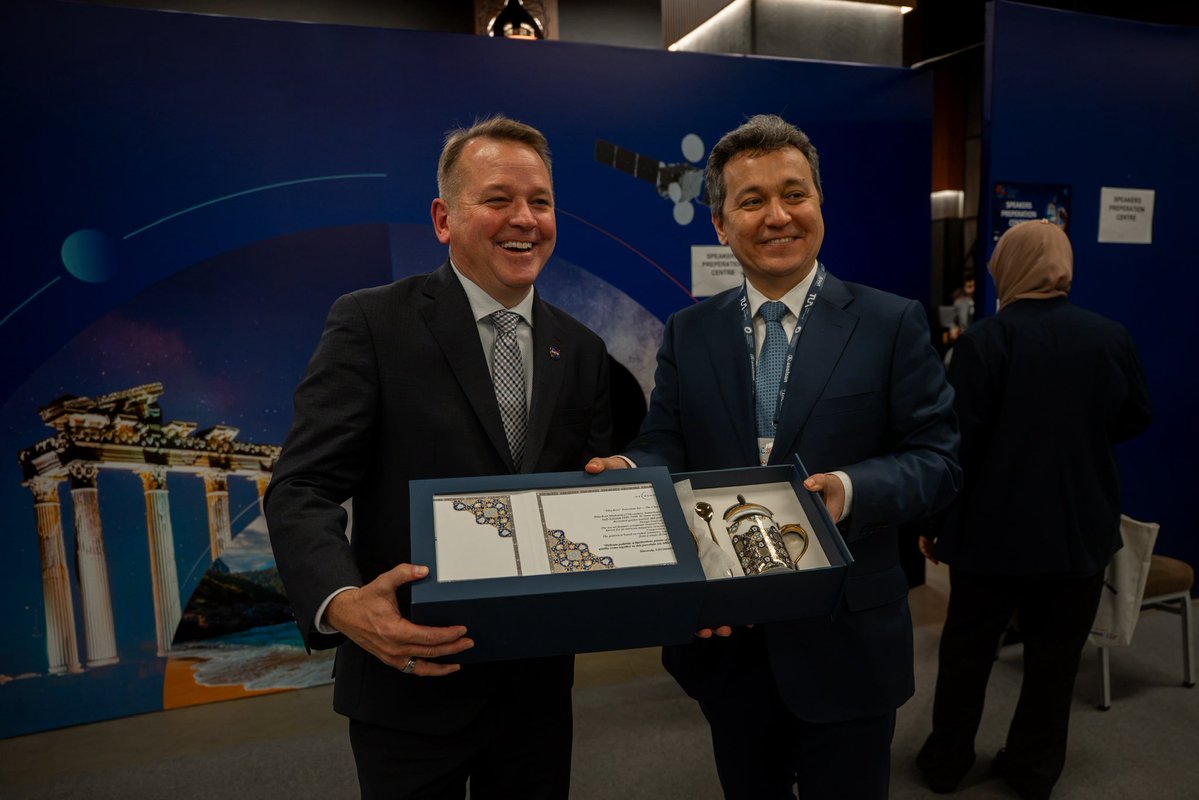
Wrapped up Day 3 at #IAC2026 with more great conversations with our international partners, supporting U.S. industry as they build partnerships around the world, and sharing where America is headed in space.
It’s been a busy few days, and time well spent. We have ambitious goals and strong partners. Now it’s time to get to work.
Under @POTUS leadership, we are returning @NASA Astronauts the Moon, building the infrastructure to support an enduring presence, building a Moon Base, and preparing for the voyage to Mars.
And the Nuclear NASA in partnerships with @ENERGY will be essential as we take that next giant leap.
“When you form something like the Artemis Accords, you try to find things that actually put it into practice. That’s what @NASAAdmin has been talking about, opening up the moon base to all 76 nations and those who will sign in the future.” ⬇️
https://t.co/QnCA9e0RfF