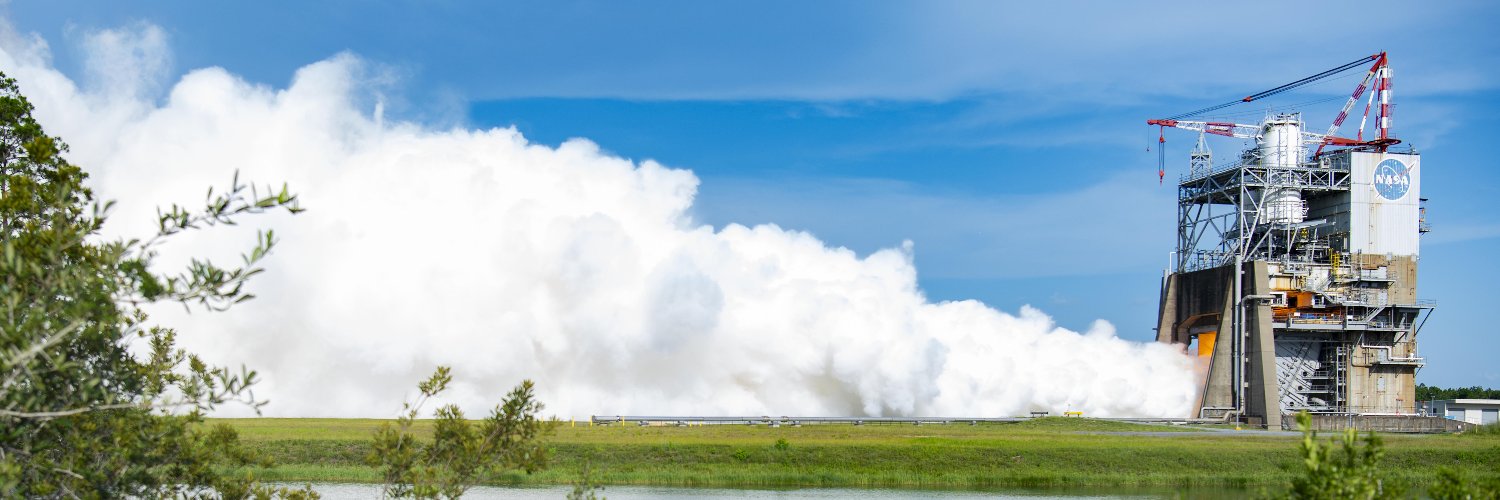
A powerful but mostly unseen water system at work during rocket engine tests at NASA Stennis underwent an upgrade in May.
Crews brought the High Pressure Industrial Water Facility’s 66-million-gallon reservoir to its lowest level since construction in the 1960s by pumping out about 40 million gallons of water over three days.
Watch the video to see the work ⬇️
What's up for June?
The solstice brings summer to the Northern Hemisphere. Jupiter and Venus will appear close together in the night sky, and Mercury will join them soon after. The Moon will also pass in front of Venus on June 17. Learn more: https://t.co/Ujal0GZVJU
Welcome to NASA! 🚀
Our summer interns are here and ready to get to work.
They were welcomed to America’s largest rocket propulsion test site on day one by NASA Stennis Acting Director Christine Powell and Deputy Director Rodney McKellip.
At NASA, we explore the extraordinary every day. Our internships give students hands on experience, real projects, and the skills they need for future careers.
Want to @LearnWithNASA?
➡️ Visit https://t.co/ZQv2nNqqRB
On Tuesday, June 9, we’ll announce the four astronauts who will orbit Earth aboard the @NASAArtemis III mission!
Watch our live event at 11 a.m. EDT (1500 UTC) to find out who will test the docking capabilities necessary for crewed Moon landings: https://t.co/TyU7StKGxH
Honored to be sworn in today as @NASA Deputy Administrator. I’m grateful to @POTUS for the opportunity to serve alongside @NASAAdmin and the incredible NASA workforce to strengthen America’s leadership in space and lead the next era of exploration and discovery 🇺🇸
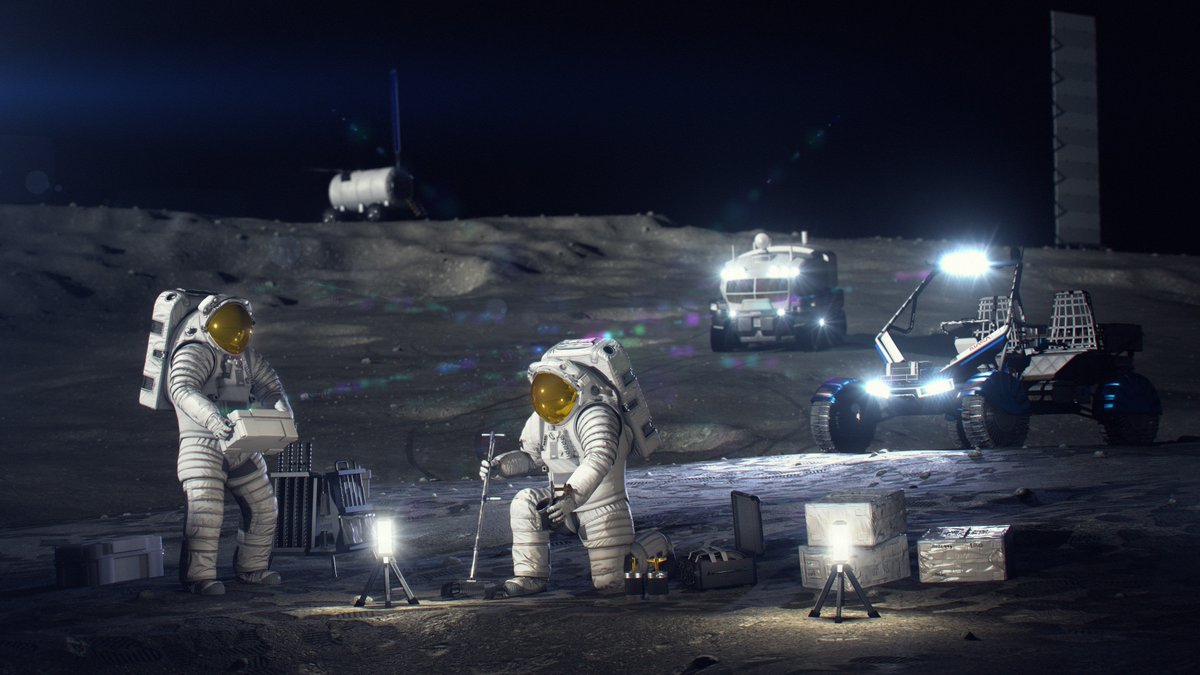
We're building a Moon Base!
@NASAMoonBase will serve as a habitat where astronauts live and work during long-term science missions.
Join us at 2pm ET on Tuesday, May 26, for a live news event where we’ll share updates on our lunar exploration plans: https://t.co/IJXA7xYwju
Meet Aya Strickland, a mechanical test operations intern at NASA Stennis.
Here at NASA’s Propulsion Center of Excellence, she’s gaining real‑world experience in maintenance, troubleshooting, and supporting propellant transfers for engines tested for @NASAArtemis missions.
Her ultimate goal? Become the youngest certified test conductor.
“The experience has shown me what to expect in the aerospace engineering workforce,” she said.
Want to join NASA’s next generation and @LearnwithNASA?
Fall internship deadline is May 22.
Details ➡️ https://t.co/kMKS3q6H3o 🚀
Joined the talented people of @NASAStennis for their annual crawfish boil.
This tradition brings together the people, families, and partners behind some of the hardest engineering challenges in the world.
Grateful to everyone helping make our return to the Moon, Mars, and beyond possible.
We were honored to host @MillsapsCollege President Frank Neville at NASA Stennis on May 11. Fresh off attending NASA’s Artemis II launch in April, President Neville shared his gratitude for the invitation and his excitement about NASA’s work.
The visit was a great opportunity to highlight how the work at NASA Stennis continues to support America’s space program and to explore new ways we can work together to inspire the next generation of innovators across Mississippi and the Gulf Coast region.
Pictured, left to right, are Aaron Head, Millsaps College alum and NASA Stennis technology transfer officer; NASA Stennis Associate Director Rodney McKellip; Millsaps College President Frank Neville; NASA Stennis Acting Center Director Christine Powell; and Dawn Davis, deputy director of the NASA Stennis Engineering and Test Directorate.
Spotlighting Safe Work 👷♂️🚀
It takes a team effort to keep operations running safely here.
NASA Stennis leaders recently visited multiple work sites to recognize contract support staff who are putting safety first.
NASA Stennis Associate Director Rodney McKellip presented a SHAKERS (Smart Human Actions Keep Everyone Really Safe) Award to Drace Construction employee Miguel Shephard for making safety a priority.
This shared commitment moves our mission forward at NASA’s Propulsion Center of Excellence.
Through our work on NASA’s Artemis missions, we are helping America return to the Moon to stay.
We also proudly serve the nation and commercial sector with unique propulsion capabilities and expertise, all while operating as a federal city home to more than 50 federal, state, academic, and commercial tenants.
Thank you to the team for staying safely focused on the mission at NASA Stennis!
There's nothing better than seeing an SLS rocket stage vertical! 🏗️
Technicians at @nasakennedy have completed operations of lifting the largest section of the core stage for NASA’s Artemis III SLS rocket into High Bay 2, where it will be connected to the engine section.
Learn more about SLS: https://t.co/4KofTtzsiK
What’s in the night sky for May?
In this month’s episode of “What’s Up,” see how to spot the Eta Aquarid meteor shower, find out when we’ll get a blue moon, and learn more about a celestial meetup between the Moon and Venus.
Happy skywatching! https://t.co/2VCImgLyGD
Start your week with some new photos from Artemis II!
Though our journey around the Moon has ended, we're still retrieving plenty of new images. Keep an eye on our Artemis II multimedia gallery for image highlights from the mission: https://t.co/XInWMJwMYY
The Space Age Arrives in Mississippi 🚀
Exactly 60 years ago today, on April 23, 1966, NASA conducted a historic 15-second firing of the Saturn V rocket stage.
It marked the very first test at NASA Stennis (then Mississippi Test Facility) and proved the United States was working its way to the Moon.
Pictured is that historic first test, along with the test article being installed in 1965.
43 tests and 1,154 days after that first hot fire, Neil Armstrong would take “one giant leap for mankind” onto the surface of the Moon.
Today, that legacy continues as we test for the @NASAArtemis missions.
Our Artemis II astronauts are back safely on Earth, and next up is Artemis III in 2027.
Artemis III will launch astronauts to Earth’s orbit aboard the Orion spacecraft, test our lunar landers, and push our capabilities forward.
Then, Artemis IV in 2028 will begin the first phase of NASA’s Moon Base and establish our path to stay.
This is how the next great era of exploration begins at NASA!
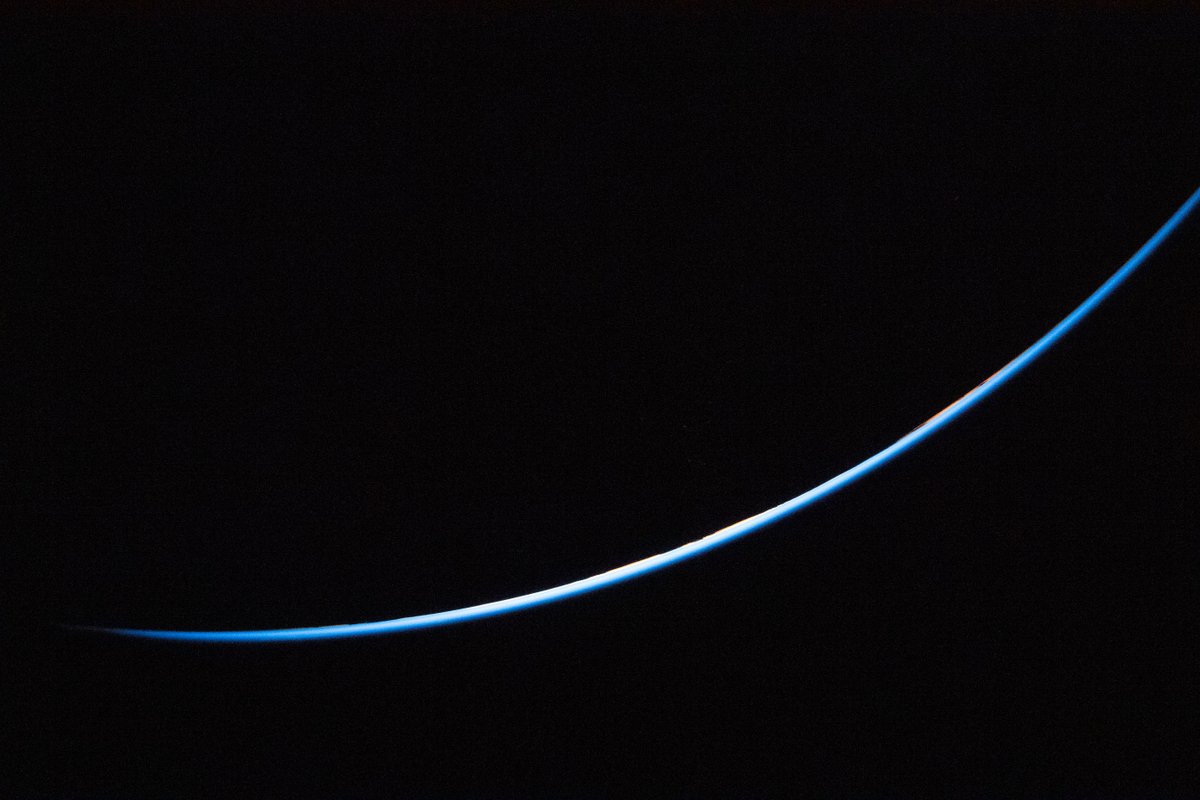
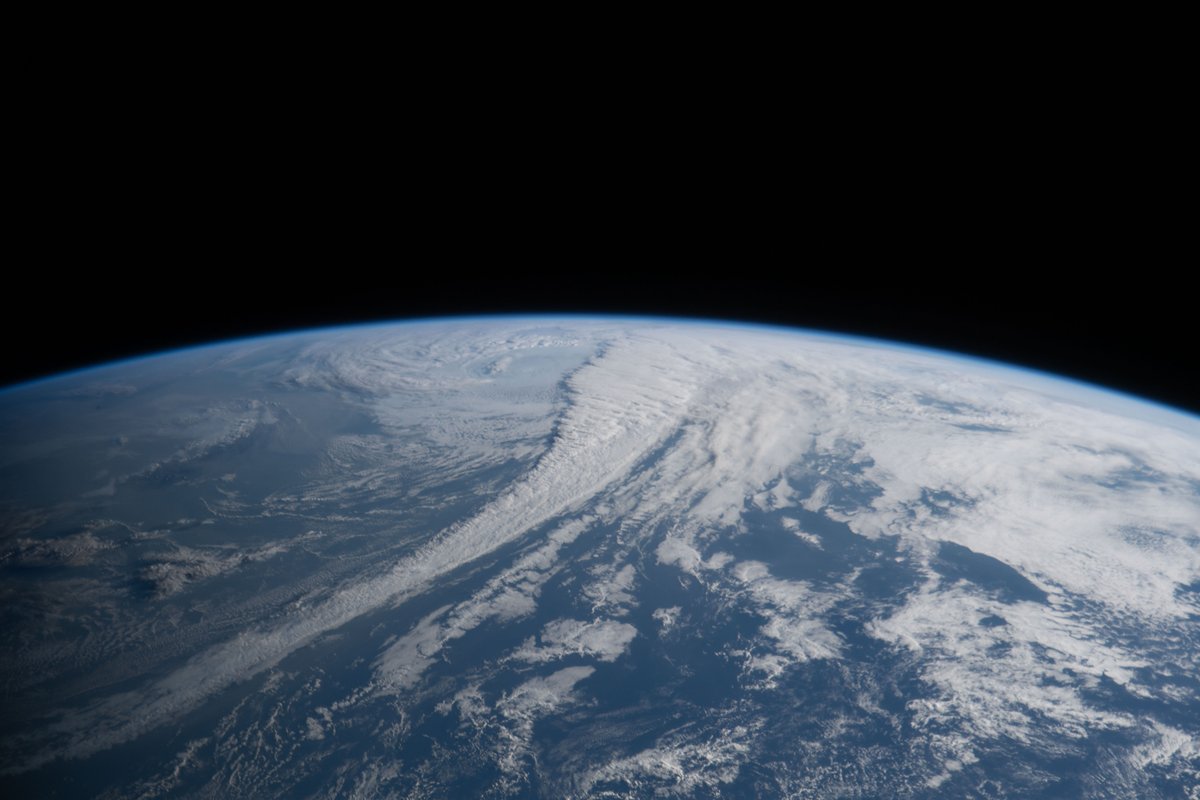
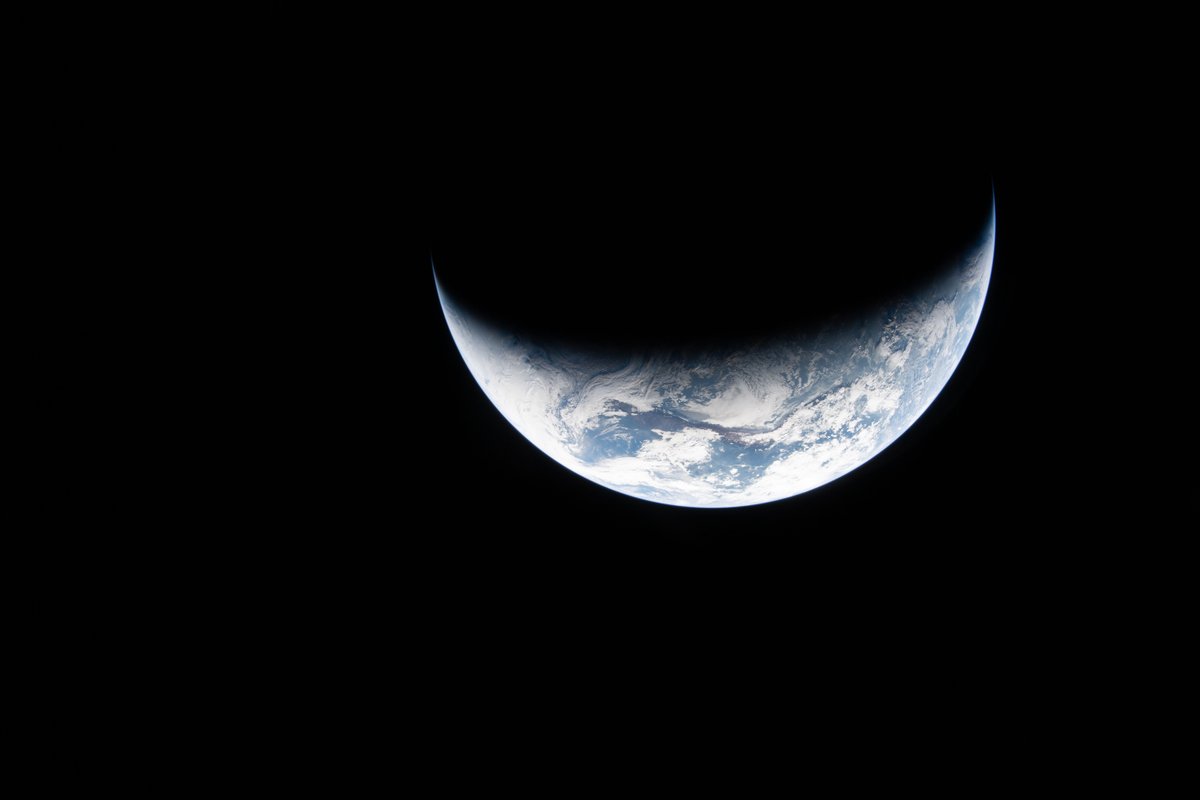
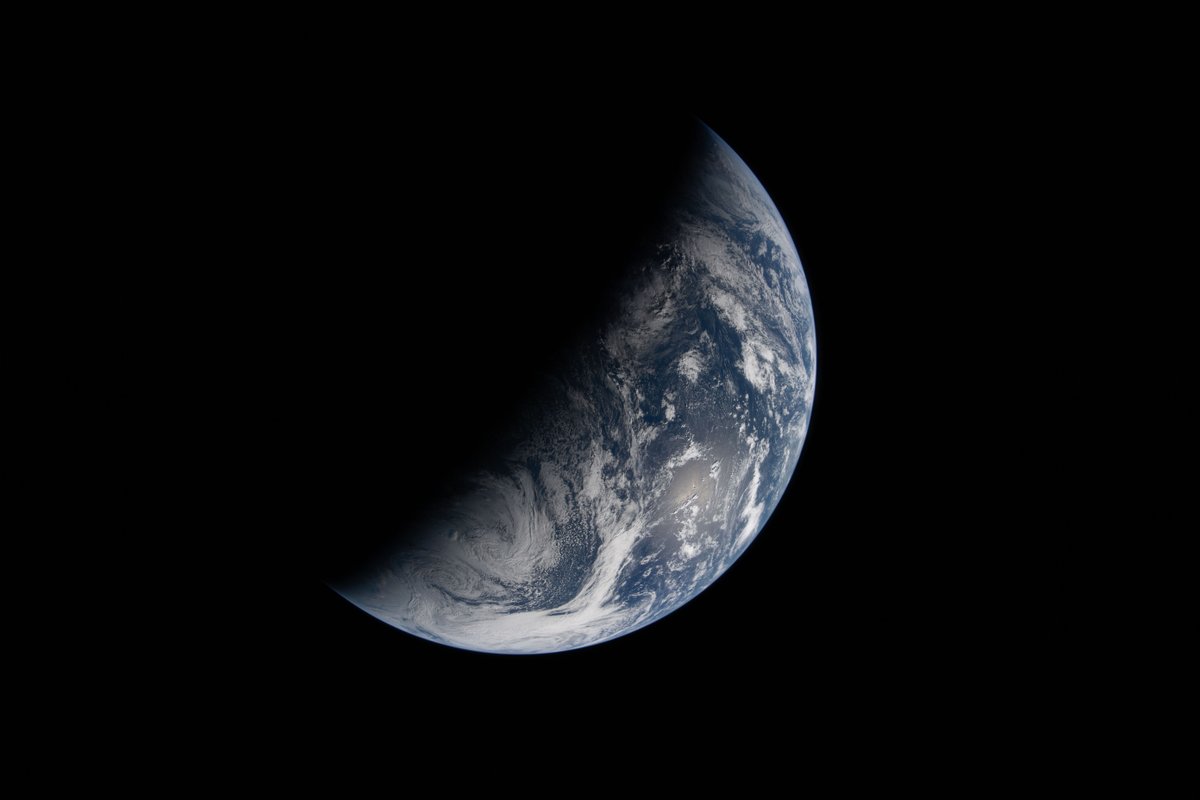
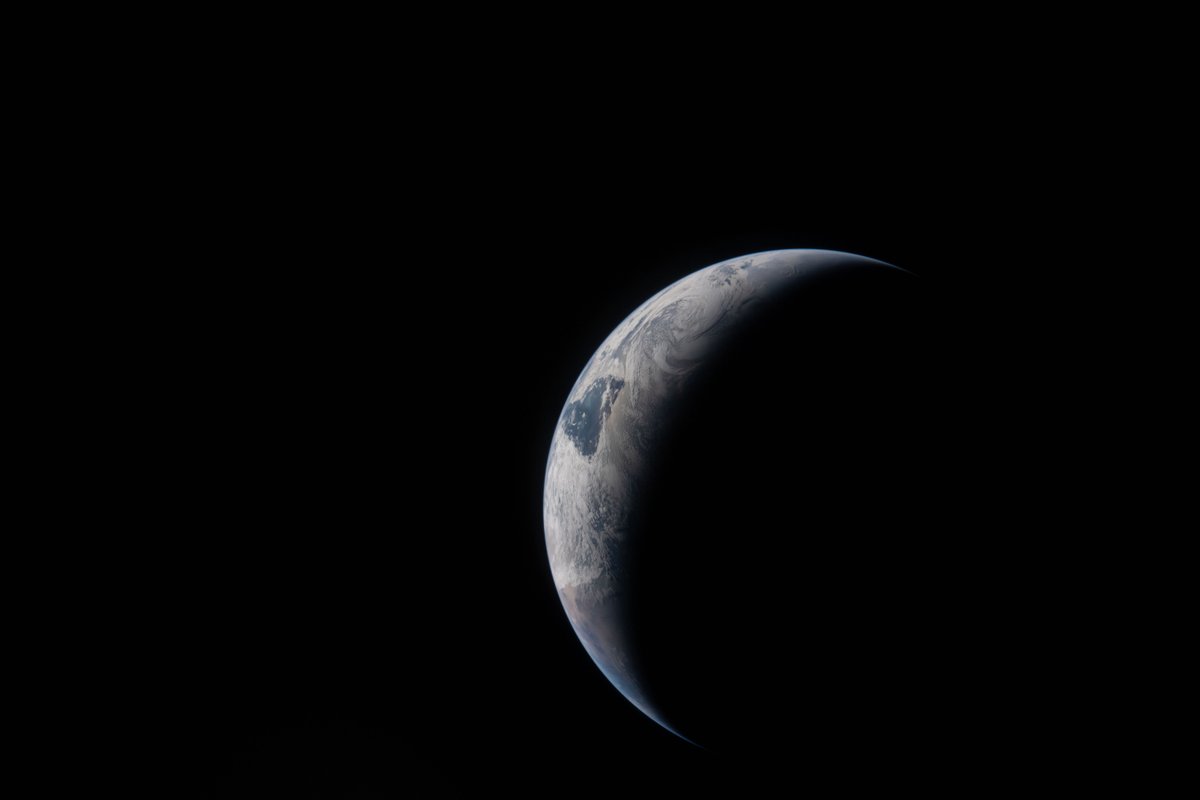
Earthshine.
Artemis II astronaut Christina Koch captured this video of Earth outside the windows of the Orion spacecraft during the second flight day of the mission. Orion was roughly 33,800 miles (54,500 km) away from Earth when @Astro_Christina took this video.
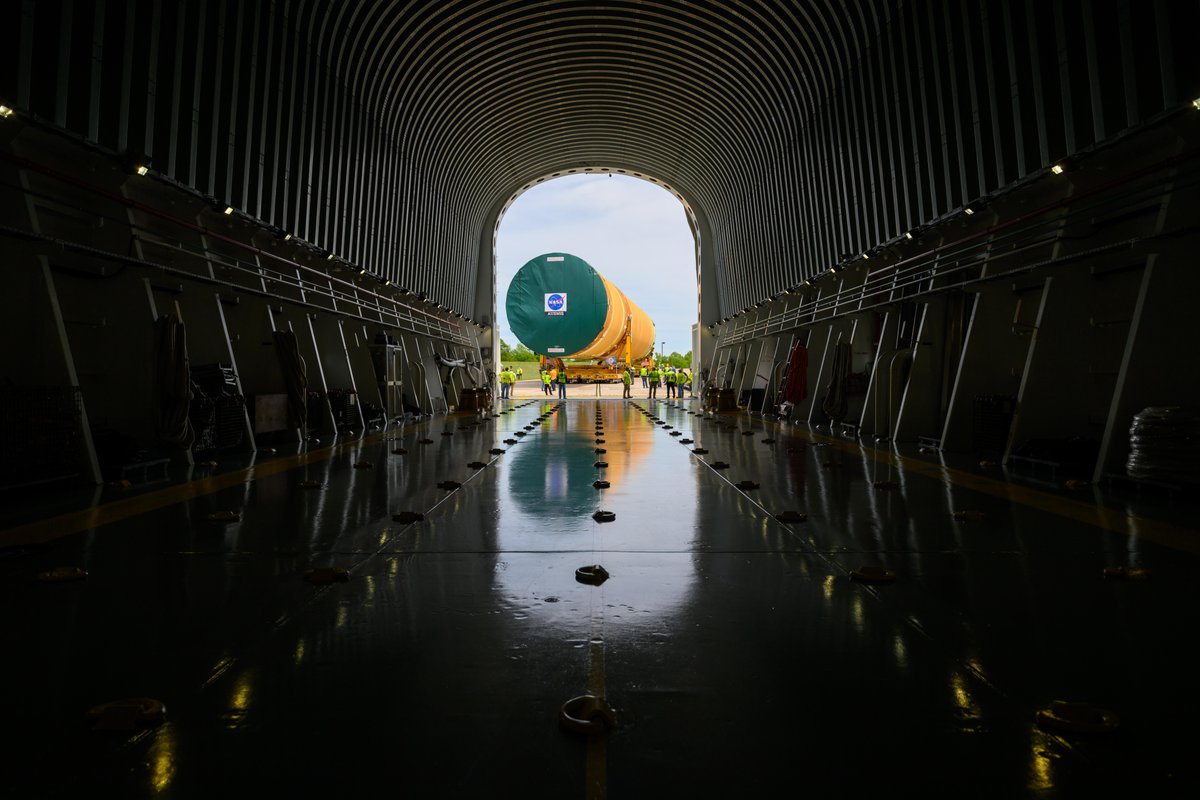
The journey back to the Moon is getting closer. The SLS core stage for @NASAArtemis III has officially made its way onto NASA's Pegasus barge and is just about ready for its journey to @NASAKennedy.
READ MORE: https://t.co/VnFt2wu1Qc