Interested in learning more about the sounds that reindeer make? Check out this awesome @TEDx talk by Michael Palace from @UofNH https://t.co/9slHhhr9ao
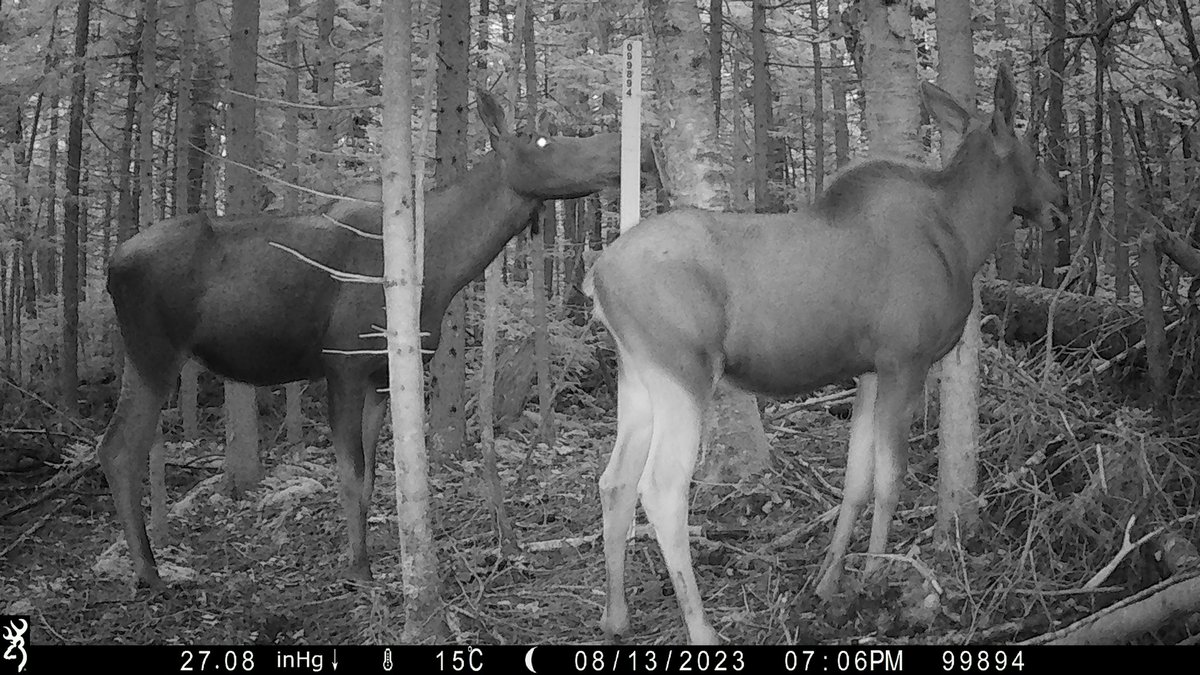
New research from NEWMN network: https://t.co/UpKqM9nzHI. We evaluated factors influencing the ability of observers to identify demographic characteristics of moose. Large number of #undergraduate researchers from @UMassAmherst on this project.
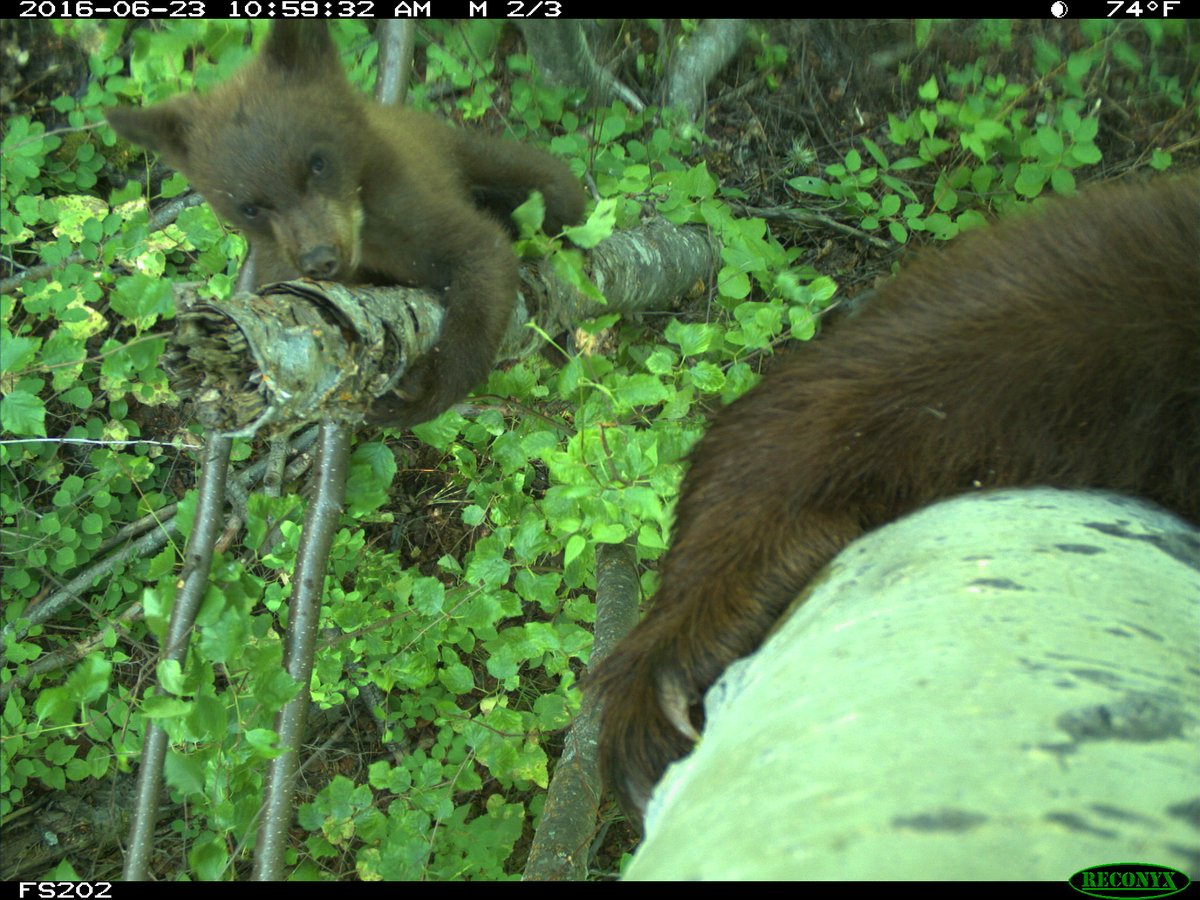
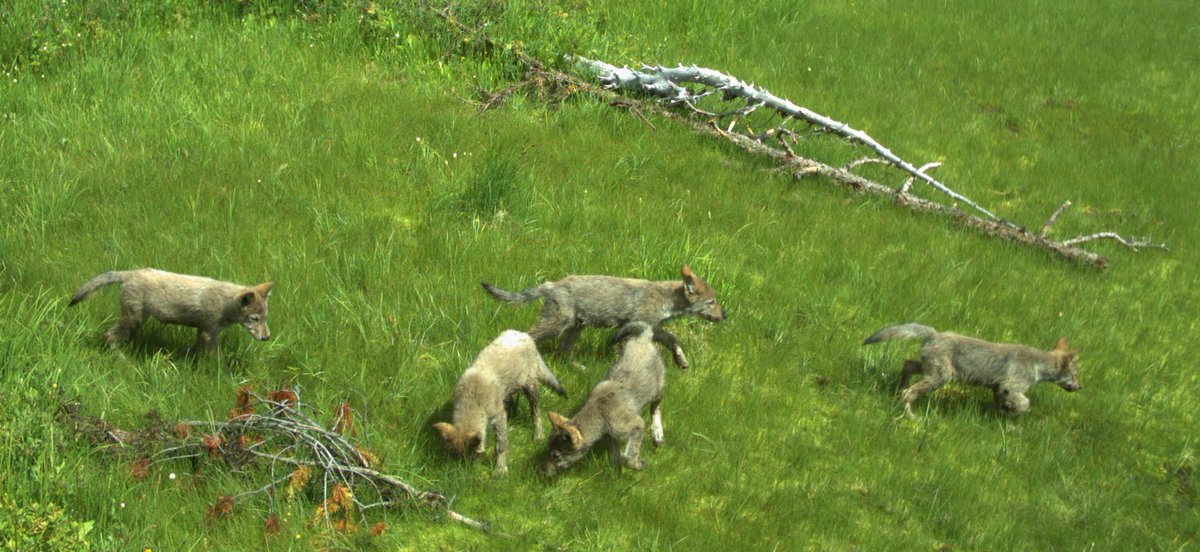
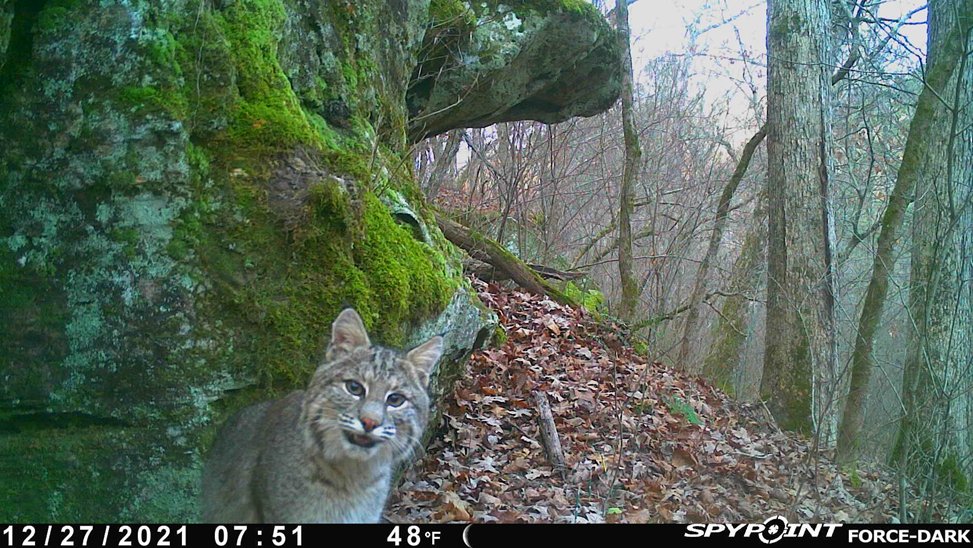
Lewis & Clark wrote of bison so thick "the whole face of the country was covered." Yellowstone's Lamar Valley still looks like that. Thousands of bison, + wolves & lions. We checked trail cameras to document the recovery & diversity
https://t.co/QgZYLhPUhD
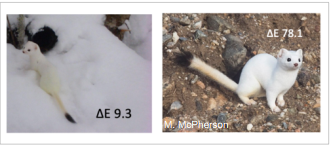
Post Doc Job open with us to work with biologists to build AI models to analyze camera trap data. The specific focus will be to study animal coloration and camouflage, but there will be opportunities to work on other related projects.
https://t.co/38qBIn3wDo
Fresh out in @Ecol_Evol, we developed SiMPL magnets (remote camera design) to detect all creatures great and small. 🙂 https://t.co/qaDjQgO0Ti. Excellent work @greentree_jai and others! Data from SiMPL magnets were critical for AI dev in DeepFaune NE https://t.co/MCRS9gl4NT
The Idaho CRU is using trail cameras to evaluate relationships among black bear, bobcat, coyote, mountain lion, and gray wolf – and it’s not all about avoiding rivals! Some predators share space, likely due to shared food sources.
https://t.co/nfn7xdlZap
This effort was led by @LarryNatureGuy who has been instrumental on the development of practical #AI models for wildlife conservation and management. Check out his other paper that benchmarks human vs AI classifications: https://t.co/u3KskHHHOS
New research from @Ecol_Evol using data from NEWMN and beyond to develop an improved species classification #AI model of #wildlife captured on remote #cameras. Check it out here! https://t.co/MCRS9gl4NT
This uses data from a wide variety of camera setups, including the SiMPL magnets (to be published shortly), snow stake design https://t.co/j5qNtzcPyk, and from other camera designs. The classification approach had very high accuracy for species in New England and beyond!
Can you predict microhabitat selection of animals using drones? Yes, you can! Check out this new article from @WildlifeBiol that used traditional and 3D forest metrics (derived from drones) to predict snowshoe hare microhabitat selection. https://t.co/8p9gzUVtKM
MOOSE MONTH: As the leaves start to change and temperatures cool, @MassDFG is reminding drivers to keep an eye out for moose. Fall is moose breeding season, which means #moose activity will likely pick up across Central and Western Massachusetts.
https://t.co/l4vvaJXkJn
📢New paper 📢
MS student Clara Dawson's 1st chapter is out!
Does increased habitat connectivity always increase wildlife-vehicle collision rates?
No!
We found nonlinear effects of connectivity on wildlife-vehicle collisions
Free access: https://t.co/ghGmXycByu
Moose populations in New York and New England face an uncertain future due to climate change, increasing deer populations, and parasite impacts. @AIMcameratrap and @NEWildNet collaborators are working hard to collect monitoring data across this landscape. @sunyesf@Roosevelt_ESF
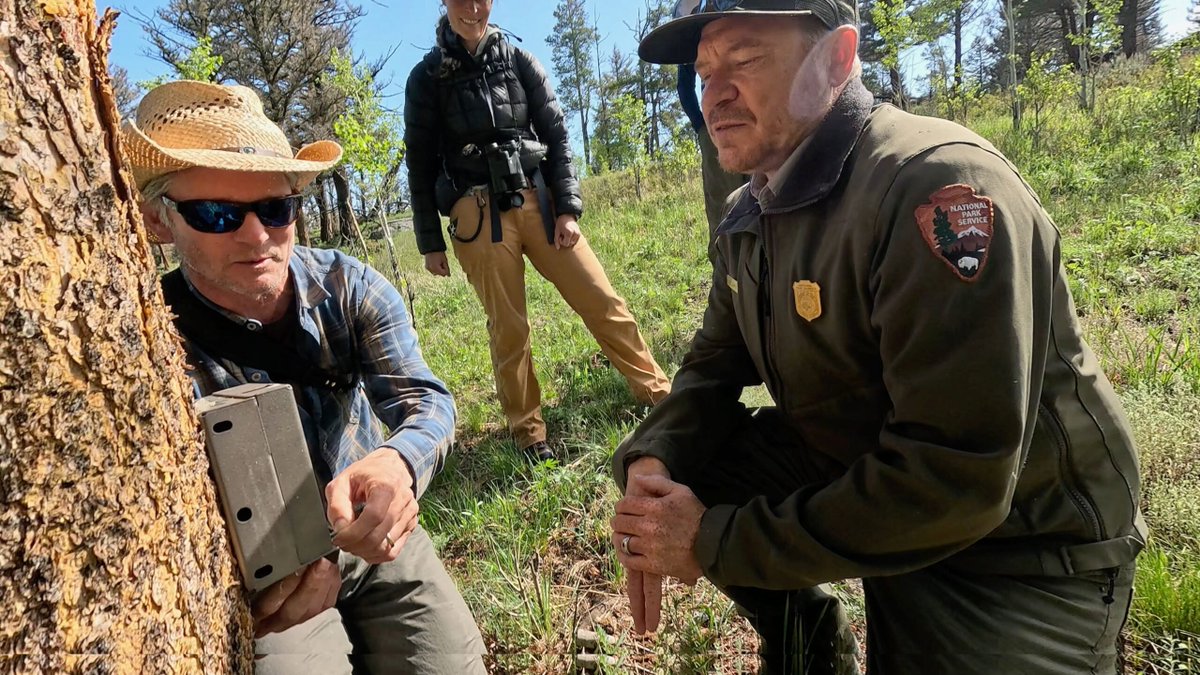
Great meeting with many of the @NEWildNet cooperators at the Silvio Conte NWR recently. Thank you to the @USFWSNortheast for hosting us! Just under 1,000 #cameratraps currently deployed across the Northeast! @Roosevelt_ESF@sunyesf @alexejpksiren
Check out new article from @LarryNatureGuy using camera data from NEWMN network, including sites and coauthors from @mefishwildlife and @VTFishWildlife, @gmfl_nfs! Also includes undergrad coauthors from @UVM_RSENR! https://t.co/u3KskHH9Zk