Live✨Laugh✨Lurk
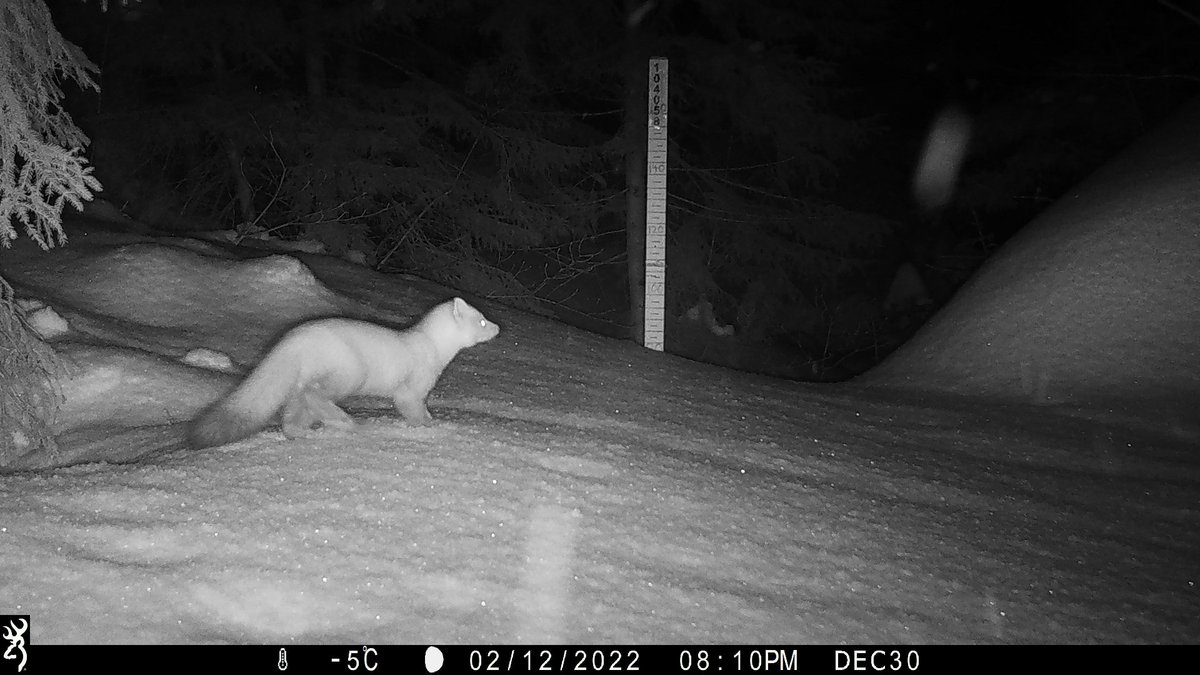
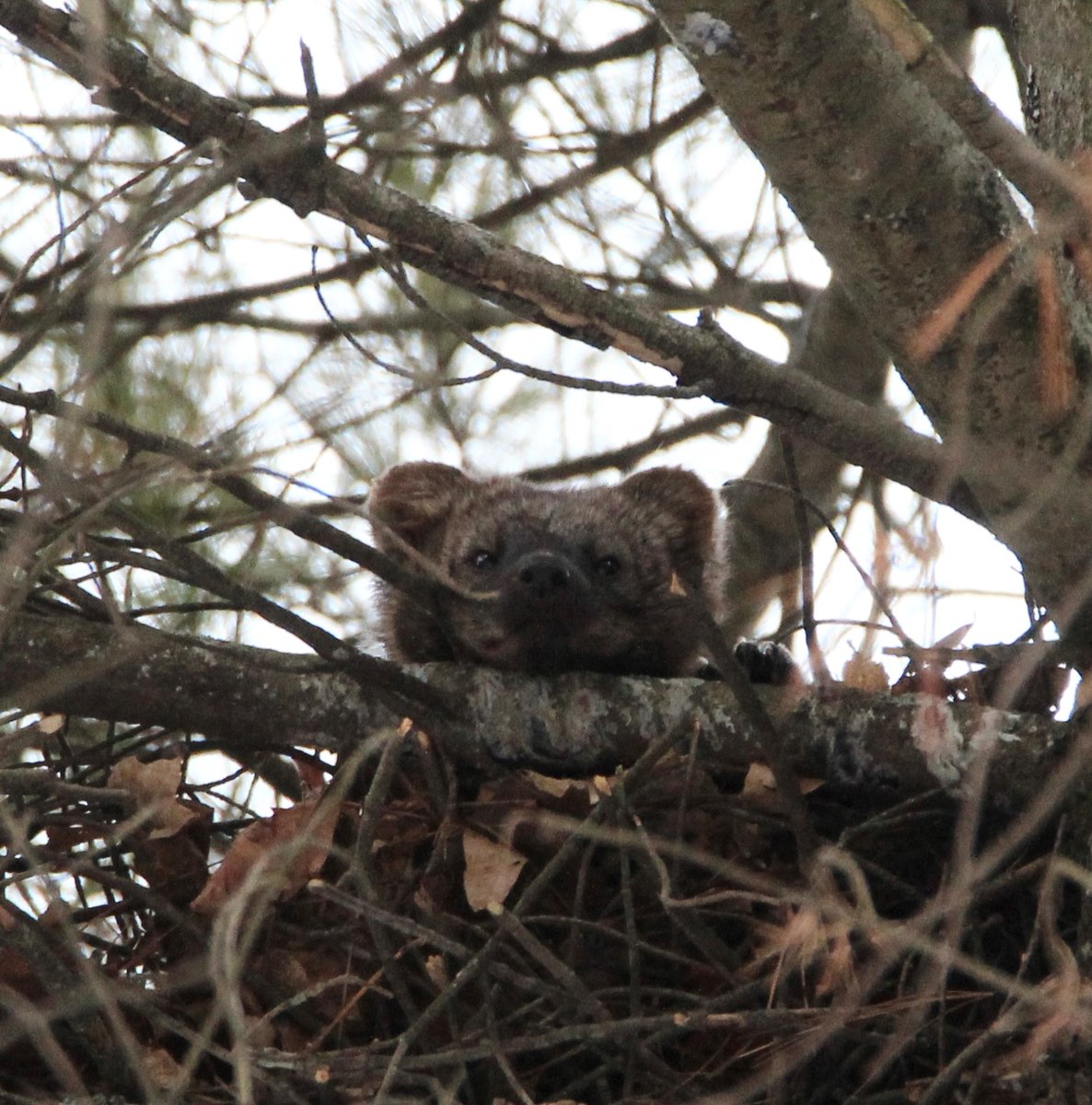
This is the time of the year when fisher kits are quite demanding! They are still relegated to their den & not full grown, but they’ve come a long way since being born in March or April and only being a few ounces.
#WildlifeWednesday
📷: Christopher Galantino
Moose are food and culture for so many. This beautiful piece of digital art captures that - very stoked for the 2023 moose conference hosted by Grand Portage Band of Lake Superior Chippewa.
https://t.co/kRkJsb6dT0
Happy World Frog Day to those who celebrate. We have some tips on how to help these important amphibian friends. Simple things you can do at home. https://t.co/T6el3E3JMM
📸: Green tree frog by Erin Huggins/USFWS
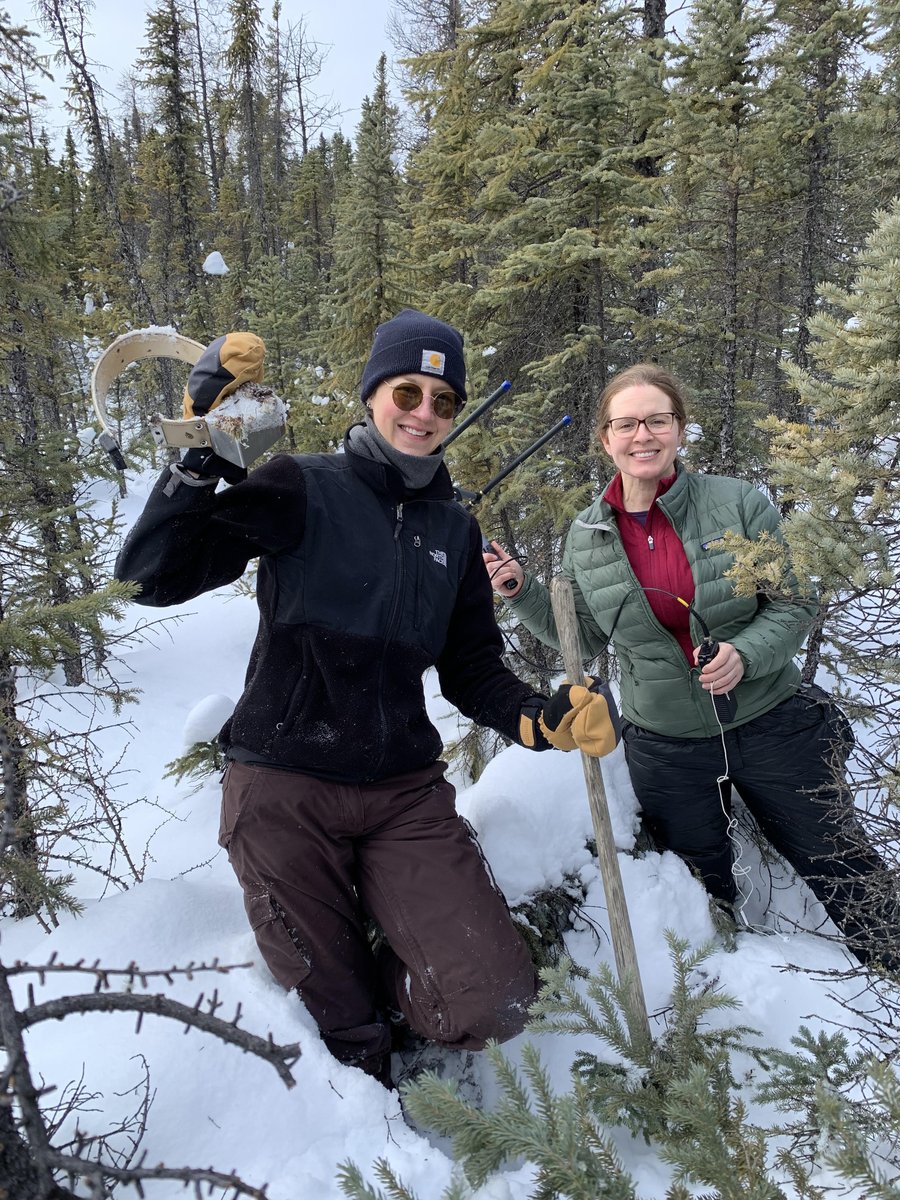
@sunyesf and RWLS members @ChloeBeaupr1 (pictured below!) and Dr. Ophélie Couriot have been up north joining project partners at @GNWT_ENR surveying boreal caribou and retrieving GPS collars! Check out @FateOfCaribou for more information and project details!❄️
The deadline to submit abstracts to the inaugural CNY Conference on Evnrionmental Science and Studies at @sunyesf has been extented to this Friday, March 10th! For more information and to apply, fill out this form: https://t.co/Tak3pOFJdc
Coyote signtings from a safe distance are not a cause for concern. These animals live throughout New York, from forested to urban areas. However if a coyote shows little fear of people or is seen frequently during the day, contact your Regional DEC Wildlife Office.
@NYSDEC has issued new guidance to avoid human-coyote conflicts. Coyotes tend to be more active in the spring, increasing the frequency of sightings. Also, pups are born in the spring, which can make adults more protective and territorial. https://t.co/l5oRFi7eiz
The most important advice is to limit access to food. Coyotes can quickly learn to associate humans with food, which can lead to increased contact and conflict. Never feed coyotes, and don't leave accessible pet food, garbage, or compost outside.
Melanie Berger had three favorite animals growing up: wolves, tigers, and bats. Which animal has she spent working to preserve with agencies like the @NYSDEC? https://t.co/NcE7WXkSi8
Check out RWLS Director Dr. Jacqueline Frair's recent interview with WRVO about coyotes in CNY! She discusses coyotes behavior in urban and suburban neighborhoods, and what to do if you encounter one.
https://t.co/rHUGrSIAB0
Earlier this month, DEC deployed GPS collars on nineteen #moose calves within the Adirondack Park. The collaring effort is part of a multi-year study, in collaboration with @Cornell and @sunyesf, to assess the survival of juvenile moose in the #Adirondacks.
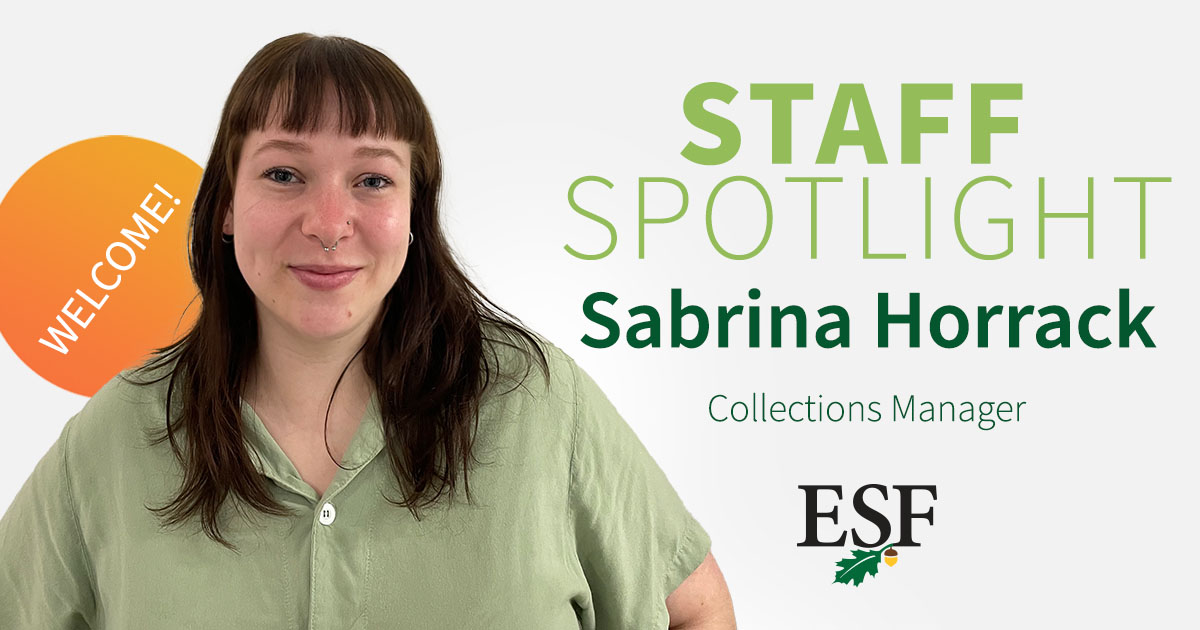
Sabrina Horrack is the new Collections Manager for the @Roosevelt_ESF She joins us after completing her master's degree at @humboldtcalpoly in California. Sabrina will be responsible managing the station's collection, located in lowest level of Gateway. Welcome, Sabrina!
Curious about the Roosevelt Wild Life Collections at @sunyesf? We’ve updated our site with lots of information about our research and teaching collection housed in Gateway. Visit https://t.co/M7WiHuo9Z2 to see photos, browse the collections, and learn how to get involved!
Thank you for following along to learn more about bats and how Julia’s @JuliaRizzo_ research will help their preservation. Follow her account for more bat pictures and updates from the field!