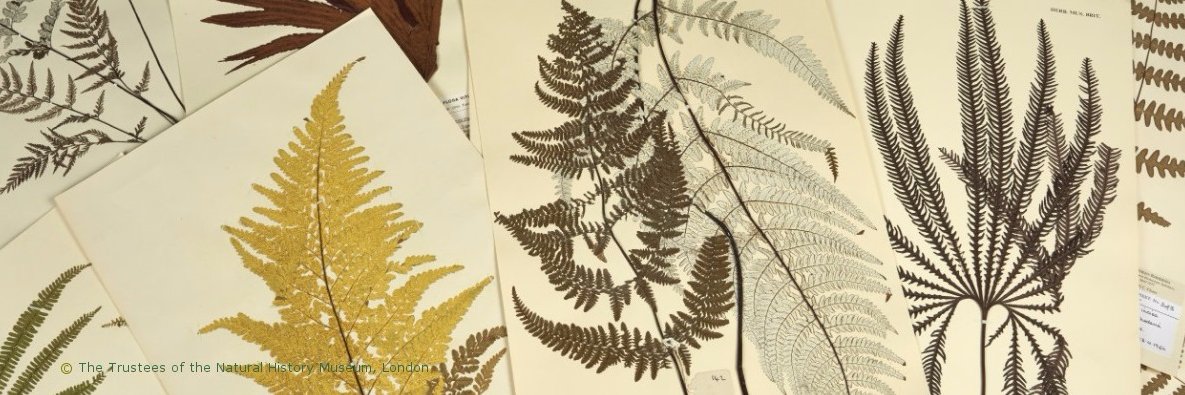
The historical (pre-Linnean) collections at the Natural History Museum, London and the University of Oxford Herbaria hold nearly 6000 plant specimens collected in and around Madras between 1690 and 1712 by English East India Company (EIC) officers, merchants and collaborators.
By sequencing the genome of 22 different species within the genus Solanum, which includes crops like potatoes, tomatoes and aubergines. A team of scientists has unveiled a breakthrough in plant genetics that could revolutionise global food security. https://t.co/IKRW82hBRF
Botanist, Joseph Banks was born on this day in 1743.
He took part in James Cook's first great voyage (1768-71) bringing 30,000 plant specimens home with him like this @NHM_botany Banksia serrata, a woody shrub native to the east coast of Australia.
https://t.co/0mPvgliqld
New open access paper exploring the scale and heterogeneity of Hans Sloane's botanical collections, the de facto foundation collection of the @NHM_London London #herbarium and the largest pre-Linnaean botanical collection in existence: https://t.co/DCQ62DT10u
New paper led by @DrLalJiSingh, colleagues and Ranee Om Prakash @NHM_London entitled ‘History and emended description of an endemic sp. M. indandamanensis L.J. Singh (Musaceae)’ @ https://t.co/vWaJlkC0WN (Botany Letters) - Reports the world’s longest infructescence of wild banana
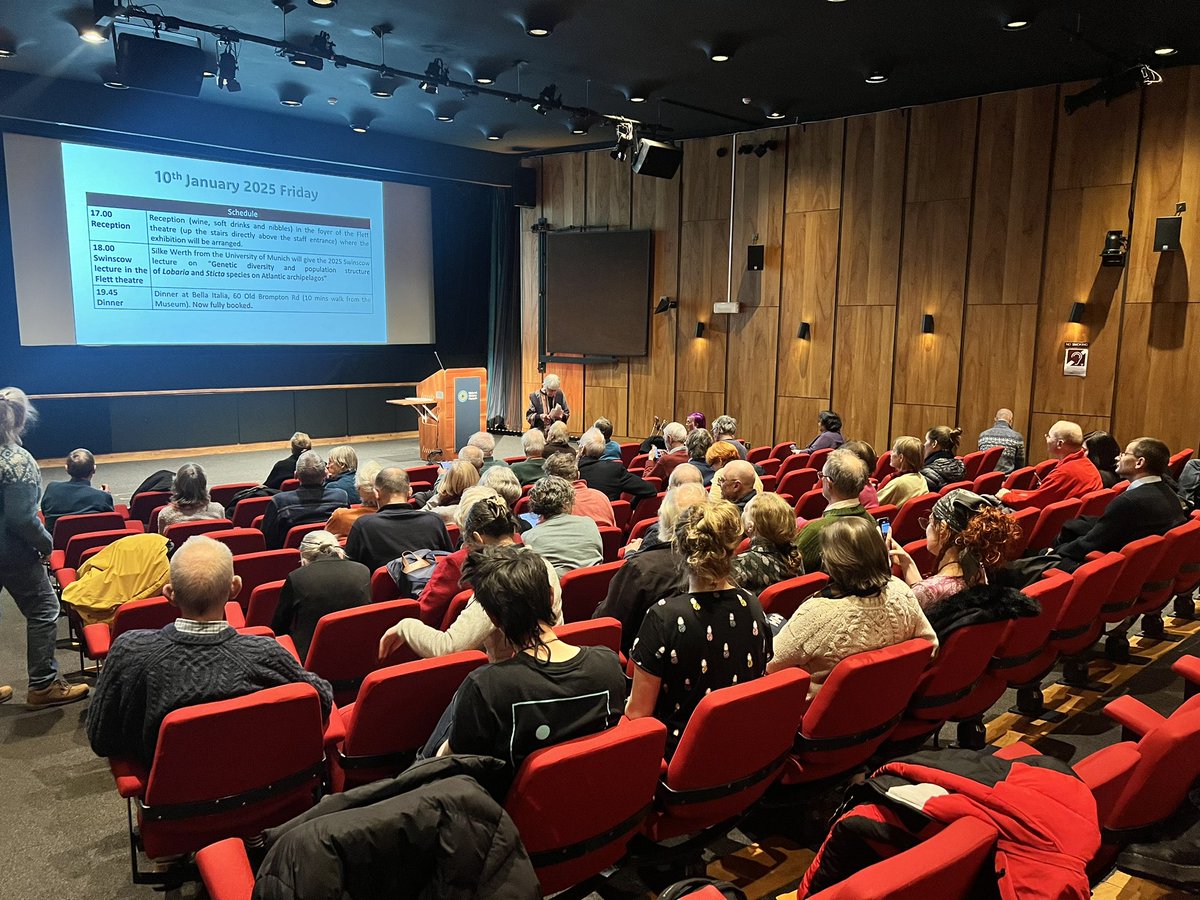
A weekend of #lichens has begun at the Natural History Museum, for the BLS AGM 2025. What a wonderful turnout from our friends & colleagues across the globe. We have a great selection of talk this weekend - so stay tuned!! #BLSAGM2025
An obituary celebrating the life and research of Professor Mary Gibby, Ph.D., OBE, FLS, FRSE, PPBPS (1949-2024) by Professor's Stephen Blackmore @TheBotanics and Johannes Vogel @mfnberlin published today #OpenAccess in #EJBotany@RBGE_Science : https://t.co/XxvHDagV1L
A sneak preview of the advance copy of the new Field Guide to the wild flowers of the Canary Islands, published by Kew. I had the pleasure of coauthoring this book with the leading international expert on this flora, Alfredo Reyes-Betancort, and London Natural History Museum's Curator in Charge of botanical collections, Mark Carine. Together we cover more than 2000 species, and we hope to inspire people with one of the world's most iconic island floras 🌞
The latest issue of #BritishandIrishBotany, our #OpenAccess scientific journal is out now!
Free to read, free for authors to publish their research into the British & Irish flora.
Summary of the 6 papers:
https://t.co/shQxPAIl3c
Here's the whole issue:
https://t.co/KkBrG27uu6
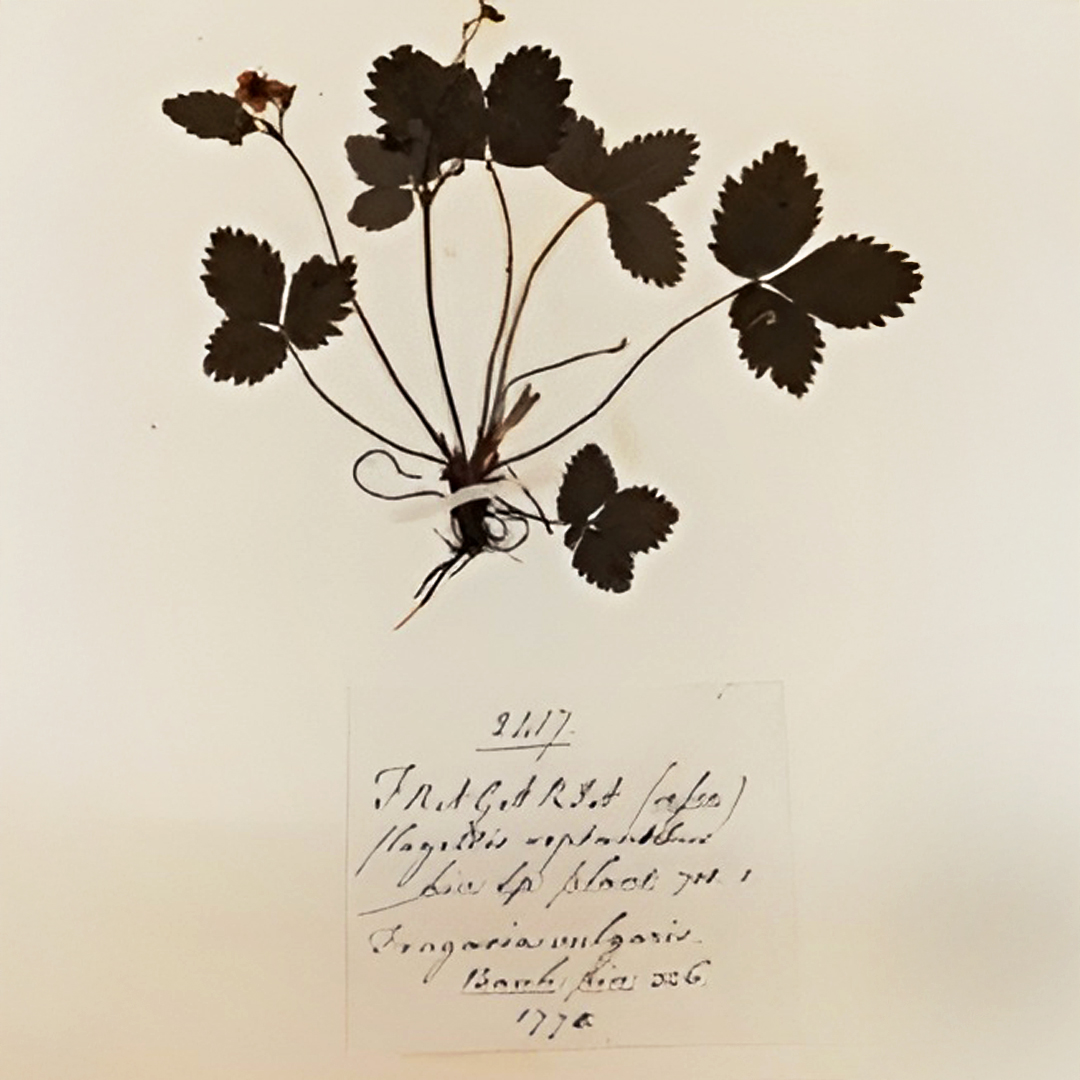
The @NHM_science@NHM_Botany team is conducting a fascinating project to extract DNA from ancient herbarium specimens, including samples dating back to 1770!
It's Friday, it’s nearly Christmas, what about a nice cup of mulled wine made from specimens? 🍷 Starting with some wine or Vitis vinifera - the common grapevine - you'll need some citrus like this wild orange (Citrus macroptera) from the Museum's collection 🍊 #FestiveSpecimens
@NHM_Botany Nutmeg (Myristica fragrans) fresh bay leaves (Laurus nobilis) and cloves (Syzygium) will give your drink festive fragrance. * disclaimer - we would never eat or drink our collections - they provide global scientists with vital data about the natural world throughout history ✨
Fully-funded AHRC PhD studentship on 'Understanding ‘Place’ in Historical Botanical Collections: science, commerce, empire, and the early-modern herbarium'. Come and work on the Sloane Herbarium! For details, see: https://t.co/wzXTEAEXu2
Microbiology can help us in mine restoration . PhD opportunity on Life in mines: exploring and harnessing the hidden microbiology of mine tailings, a journey of discovery and restoration @UniofReading@NHM_Botany@NHM_Science@PhylaEarth https://t.co/Od6eVhC6Uj @bioplusmine