Chronic stress does more than affect mood—it may accelerate biological aging. Persistent glucocorticoid exposure disrupts autophagy, mitochondrial function, and immune resilience, promoting many hallmarks of aging linked to sarcopenia, neurodegeneration, metabolic disease, and frailty. #Aging #StressBiology #Longevity
https://t.co/NdJxWrlII2
In this study, GLP-1RA therapy was associated with substantial reductions in mortality and cardiovascular events in patients with elevated Lp(a) and comorbid obesity or type 2 diabetes.
🚨 ¿Cuánto ejercicio necesitas REALMENTE para proteger tu corazón?
📊 Nuevo estudio en 17.088 personas con casi 8 años de seguimiento:
✅ 150 min/semana de ejercicio moderado-vigoroso (lo que recomiendan las guías) reduce el riesgo cardiovascular un 8-9%.
⚠️ Para reducir el riesgo un 20% necesitas ~340-370 min/semana.
🔥 Para reducirlo un 30% necesitas ~560-610 min/semana.
💊 Perioperative antiplatelet management is not “stop aspirin 7 days before surgery.”
It is a balance between surgical bleeding and catastrophic arterial thrombosis.
Recent PubMed indexed guidance is clear: in non cardiac surgery, the highest risk patient is not the one taking aspirin. It is the patient with a recent coronary stent, recent ACS, recent stroke, or high thrombotic burden in whom interruption of antiplatelet therapy may trigger myocardial infarction, stent thrombosis, or stroke (Thompson et al., 2024; Douketis & Spyropoulos, 2023).
For elective surgery, timing matters. After PCI, elective non cardiac surgery should ideally be delayed until the minimum recommended DAPT period is completed. If surgery cannot wait, aspirin should usually be continued when bleeding risk is acceptable, especially in patients with coronary stents. P2Y12 interruption, when necessary, should be as short as possible: clopidogrel usually 5 days, ticagrelor 3 to 5 days, and prasugrel 7 days before surgery (Thompson et al., 2024; Swan et al., 2024).
Emergency surgery is different. The decision becomes procedural urgency, bleeding site compressibility, last dose, platelet function recovery, and whether the antiplatelet effect can be tolerated. Platelet transfusion may partially reverse irreversible agents such as aspirin and clopidogrel, but it is much less reliable for ticagrelor because circulating drug can inhibit transfused platelets (Swan et al., 2024).
Recent evidence also challenges dogma. In stable patients with previous drug eluting stents undergoing low to intermediate risk non cardiac surgery, aspirin continuation did not clearly reduce ischemic events compared with temporary interruption, although minor bleeding increased (Kang et al., 2024). This does not mean “stop aspirin in everyone.” It means individualize.
The practical question is not:
“Should antiplatelets be stopped?”
It is:
What is more dangerous for this patient: bleeding today, or thrombosis tomorrow?
#Anesthesiology #PerioperativeMedicine #Cardiology #AntiplateletTherapy #Aspirin #Clopidogrel #Ticagrelor #Prasugrel #NonCardiacSurgery #PatientSafety
References 📚
Douketis, J. D. NEJM Evidence, 2(6). https://t.co/zms5Bz8MAE
Kang, D. Y. Journal of the American College of Cardiology, 84(24), 2380–2389. https://t.co/p9iMZBqx7M
Swan, D., Research and Practice in Thrombosis and Haemostasis, 8(6), 102548. https://t.co/61A5TyzWbO
Thompson, A., Journal of the American College of Cardiology, 84(19), 1869–1969. https://t.co/ExOBujTyfY
🫀 GLP-1 receptor agonists and cancer — the mechanisms are more fascinating than you think.
GLP-1RAs don’t just lower glucose. They may fight tumors through multiple pathways simultaneously:
🧠 CNS: GLP-1R⁺ regulation of parenchymal cells, immune cells & endothelium
#GLP1
🔍 10% Visceral Fat loss⤵️ T2D cases by 28% over 10y
5- and 10-yr follow-up of two 18-mo lifestyle RCTs. The story isn’t the weight loss. It’s what stayed lost after the weight came back:
🔹 VAT -27% at 18 mo (MRI)
🔸 5–10 yr later: weight fully regained. VAT still ~15% below baseline (~55–60% of original loss preserved)
🔹 Each 10% VAT loss = 28% lower T2D risk in follow-up (HR 0.72). Association, not proof
🔸 Liver and pancreatic fat fully regained
Track waist, not just weight.
🔗 https://t.co/Hp8C0gHJxw
🧵 Presented today at #ERA26:
In this observational study of adults in Stockholm, measured GFR (mGFR) values below 90 mL/min/1.73 m² were associated with progressively higher rates of #mortality, #kidney failure, #heart failure, acute kidney injury, and major #cardiovascular events.
https://t.co/3sxaSTeOtQ
🌍 Heart failure affects > 64 million people worldwide + remains a major global health challenge.
👉This review summarizes the latest data on HF epidemiology, trends, and future challenges.
https://t.co/xJipGll9Or
@EJHFEiC@AmrAbdin10@GiuseppeGalati_@HanCardiomd
What's the right amount of time for resistance training?
A new study supports 90-120 minutes/week across multiple outcomes, which plateaus beyond that for lack of additional benefit
From 30-year follow-up of ~150,000 participants
https://t.co/mUy9o4HkbH
New research published in Anesthesiology Open evaluates rapid submaximal cardiopulmonary exercise testing (smCPET) as a practical objective means of characterizing exercise capacity. Read more: https://t.co/xUSDCnUMMC
🚨 El nuevo concepto de Síndrome Cardiovascular–Renal–Metabólico (CKM) redefine cómo entendemos el riesgo cardiovascular, renal y metabólico 🌎❤️🩺
📌 La American Heart Association (AHA) propuso en 2023 el término CKM syndrome, integrando obesidad, diabetes, enfermedad renal crónica y enfermedad cardiovascular como parte de una misma red de daño multisistémico.
⚠️ La mayoría de los adultos del mundo ya cumplen criterios para algún estadio de CKM, especialmente el estadio 2, donde aparecen HTA, diabetes, hipertrigliceridemia o daño renal.
📊 El síndrome CKM se divide en 5 etapas: 🟢 Estadio 0 → salud ideal
🟡 Estadio 1 → sobrepeso/obesidad o prediabetes
🟠 Estadio 2 → factores metabólicos o ERC
🔴 Estadio 3 → enfermedad cardiovascular subclínica
⚫ Estadio 4 → enfermedad cardiovascular clínica
📈 A medida que avanza el estadio: ⬆️ aumenta la mortalidad cardiovascular
⬆️ aumenta la mortalidad global
⬆️ aumenta la discapacidad y hospitalizaciones
🌍 Los grupos más afectados: 👨 hombres
👴 adultos mayores
🏘️ poblaciones rurales y de bajos recursos
⚠️ comunidades con menor acceso a salud y alimentación saludable
🍔 Factores clave que impulsan el CKM: • obesidad
• ultraprocesados
• sedentarismo
• tabaquismo 🚬
• contaminación ambiental 🌫️
• pobreza y desigualdad social
💊 Terapias con beneficio “multisistema”: ✅ agonistas GLP-1
✅ inhibidores SGLT2
✅ antagonistas mineralocorticoides no esteroideos
Estos medicamentos no solo mejoran glucosa, también reducen eventos cardiovasculares y progresión renal.
🏃♂️ Pero el mensaje más importante sigue siendo: 👉 prevención temprana
👉 control del peso
👉 ejercicio
👉 alimentación saludable
👉 detección precoz del riesgo cardiovascular y renal
🧠 El CKM cambia la visión clásica de “tratar órganos separados”.
Ahora entendemos que obesidad, riñón, metabolismo y corazón forman parte de una misma enfermedad sistémica que debe abordarse de forma integral.
📚Nature Reviews Nephrology. 2026. DOI: 10.1038/s41581-026-01078-w
🩺Consigue el artículo completo aquí: https://t.co/C7lrflFpJq
Data show that the NHS has got worse at diagnosing cancer on time, with huge variation between hospitals. What's happened?
Plus use our interactive graphic to see what proportion of patients with cancer get a diagnosis in your trust
https://t.co/2iW5lyiPPb
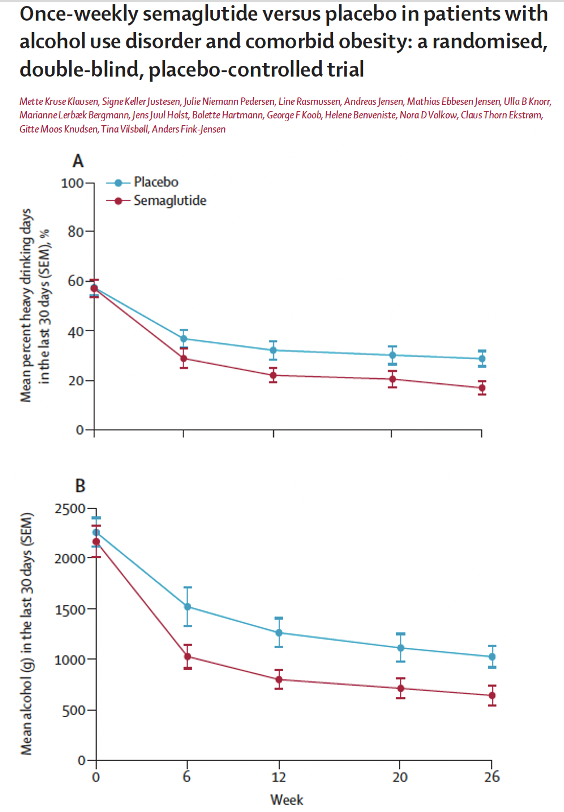
First double-blind, placebo-controlled RCT in @TheLancet showing that SEMAGLUTIDE reduces ALCOHOL intake in people with BMI >25.
Potentially practice-changing.
https://t.co/8RgqyoA3sp
📊 JAMA Clinical Guidelines Synopsis: The 2025 ACC/AHA guideline recommends home and office blood pressure monitoring to confirm diagnosis and titrate medications, with a target blood pressure of <130/80 mm Hg for most adults.
https://t.co/aomnd2Hcul
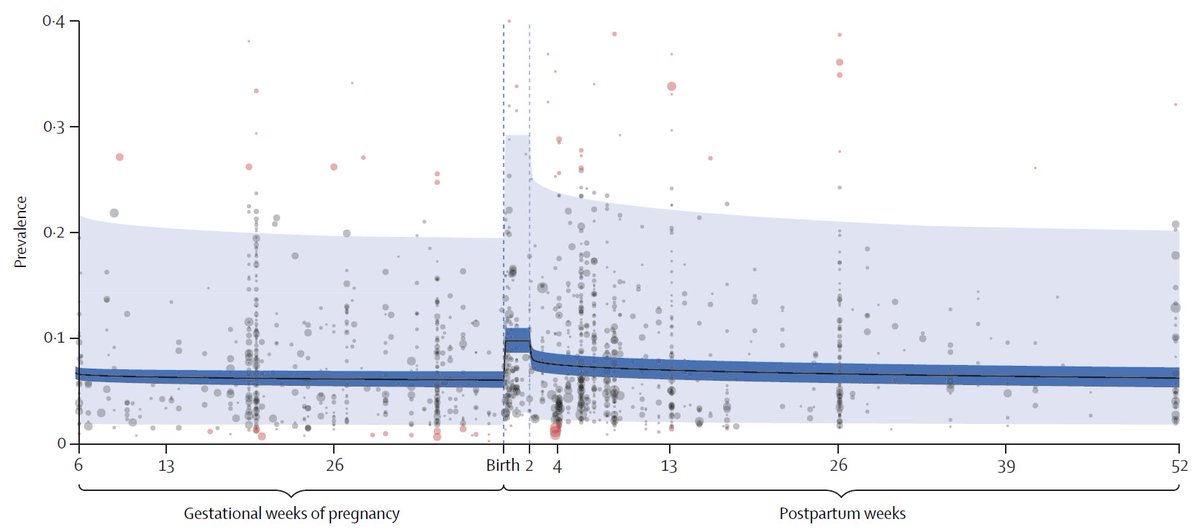
Around one in 15 women globally experience major depressive disorder in the year after childbirth, study suggests in The Lancet Psychiatry.
Explore the research ➡️ https://t.co/nV51leQaek
A study in NEJM demonstrated no difference in 28-day mortality between patients undergoing emergency tracheal intubation with ketamine versus etomidate, indicating that both may be safe options in acute scenarios. Read a summary in the May 2026 SM&A: https://t.co/EHnTTpLwrH