CrisisNLP offers resources to advance research on humanitarian & crisis computing by developing new NLP techniques and models useful for humanitarian purposes.
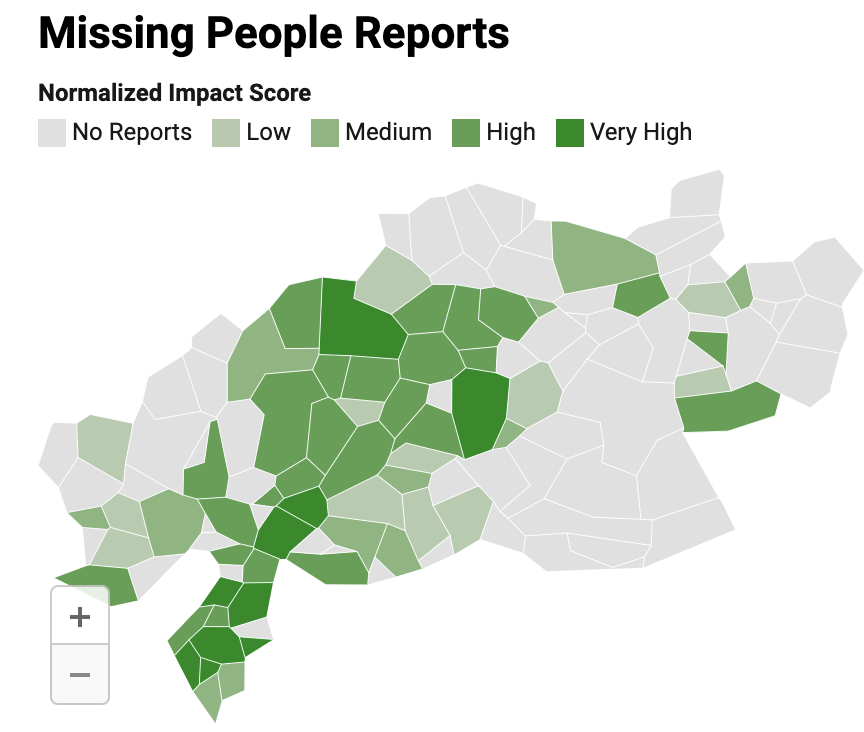
After devastating Turkey Syria EQ on Feb 6, we deployed our text & image processing systems to help response orgs, incld UNDP, find missing ppl reports, shelter requests, damage reports using over 60M tweets. District-level agg results attached.
DM if u need access to data/page.
We've received a large number of requests asking for separate country and language download options...we did that now
Individual countries and lang files with all attributes available at: https://t.co/GUKc1bFXCF
Still got a special request, send us here: https://t.co/YNpYOsVDHC
Technology is enabling earlier, faster + more effective humanitarian action -- but challenges and risks abound.
➡️Register now to join @UNReliefChief, @bmtazelaar and a fantastic panel on 29 April to discuss the promise and pitfalls of humanitarian tech https://t.co/FedK0zF8up
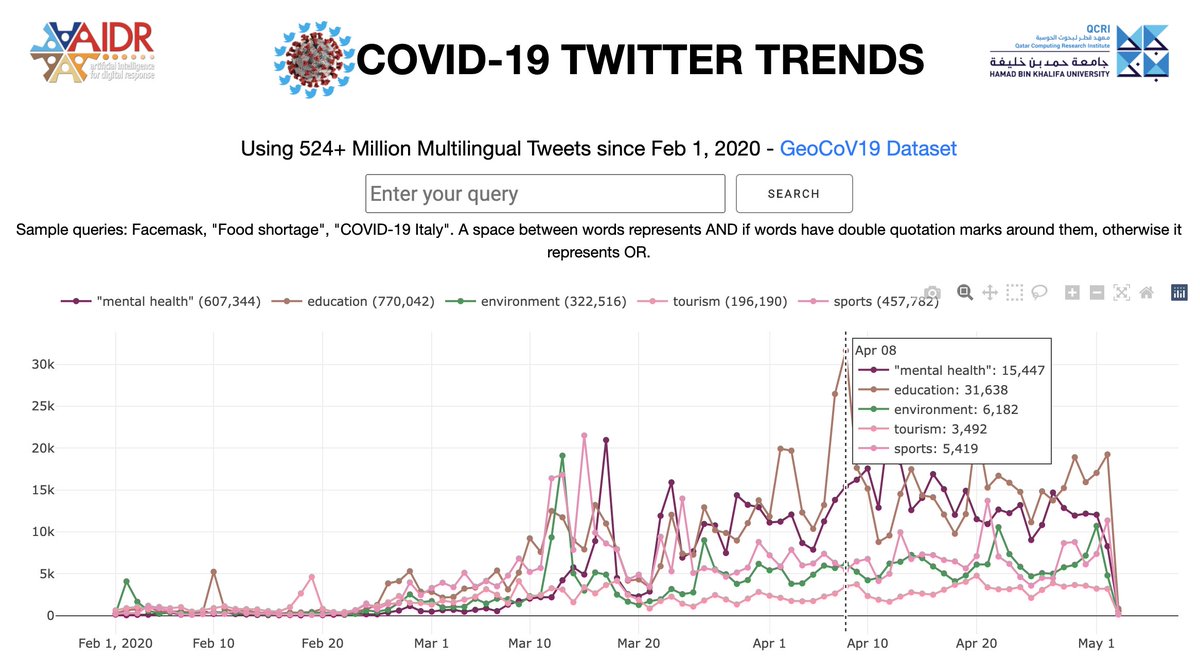
Want to track interesting COVID-19 trends about health, education, employment, tourism, economy, sports, the environment & more via Twitter lens?
Try our new COVID-19 Trends Service: https://t.co/N7vQxjO8Te
Search trends in 62 languages: e.g. البطالة, बेरोजगारी, безработица...
New COVID-19 Twitter dataset is available on CrisisNLP!
>524 million tweets with geo-location
From >43 million users
Geo coverage over 218 countries & 47K cities
Tweets in 62 national and local languages
Paper: https://t.co/fiApvaqESw
Dataset: https://t.co/CJruDXaIlI
🎒We’ve now analyzed 16.7 million tweets to identify discussions about education insecurity in the Middle East and Africa.
Explore our updated dataviz here: https://t.co/pEbhrmeRdz
@aidr_qcri@qatarcomputing@EAA_Foundation
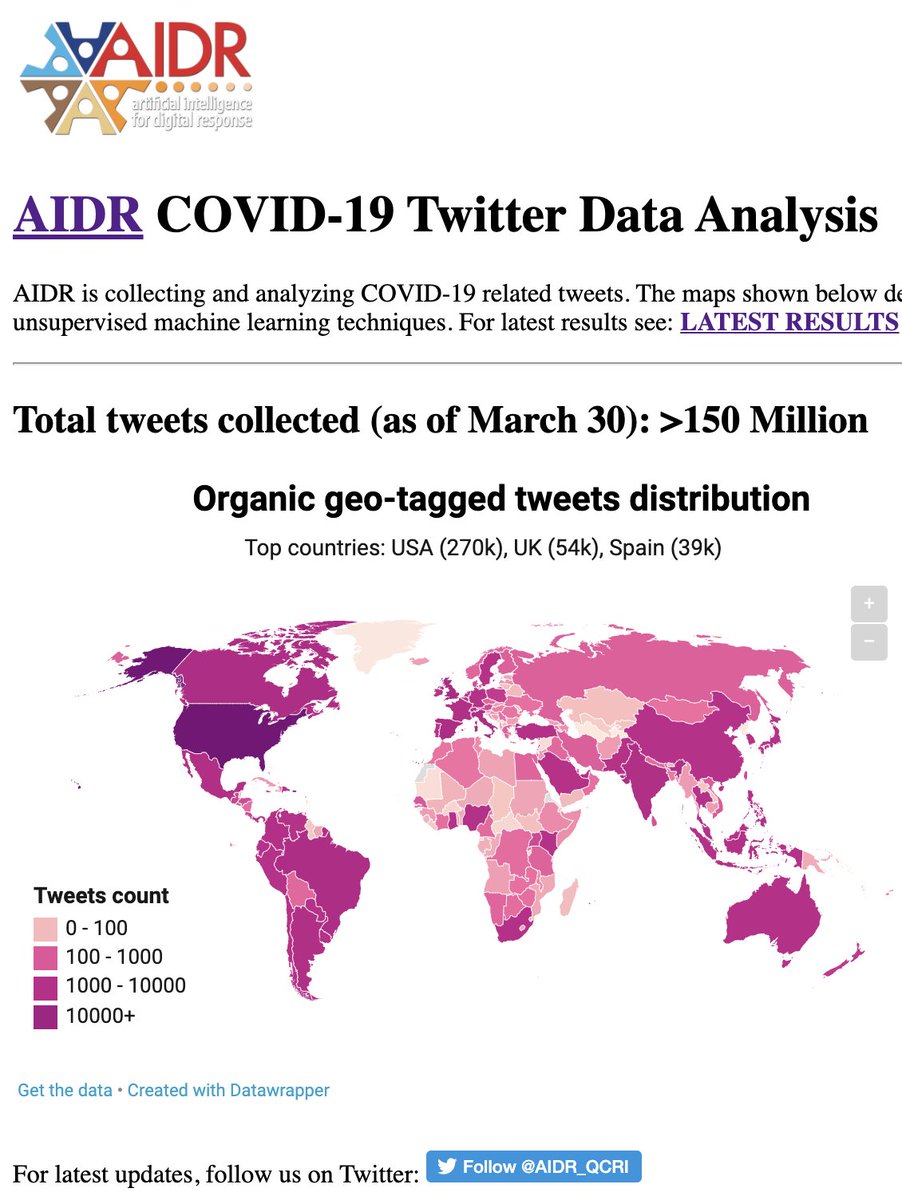
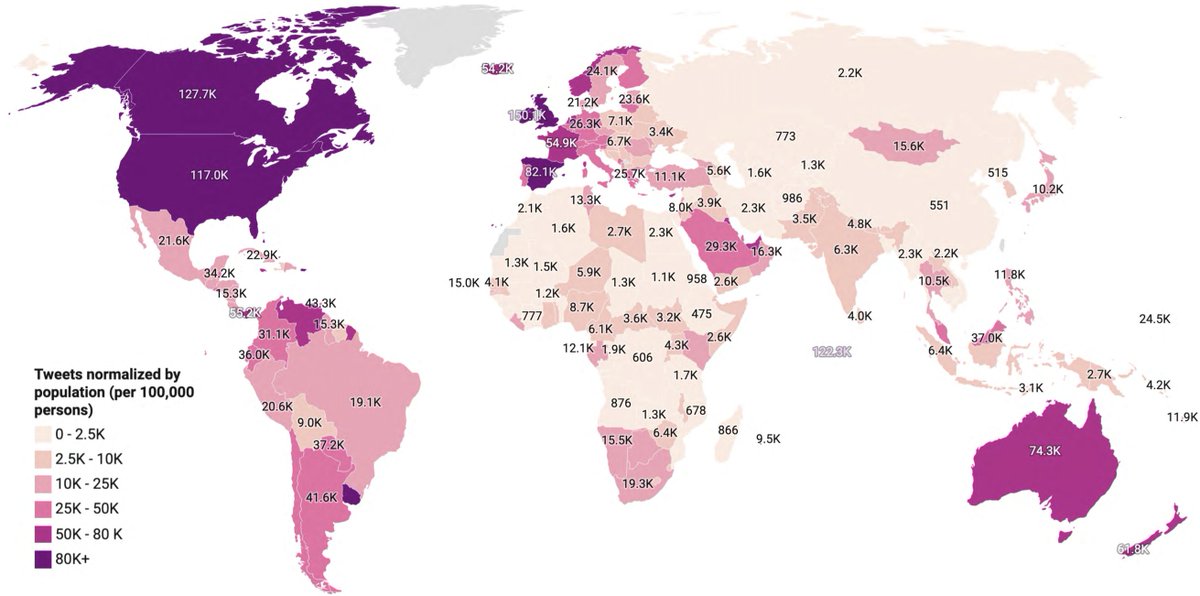
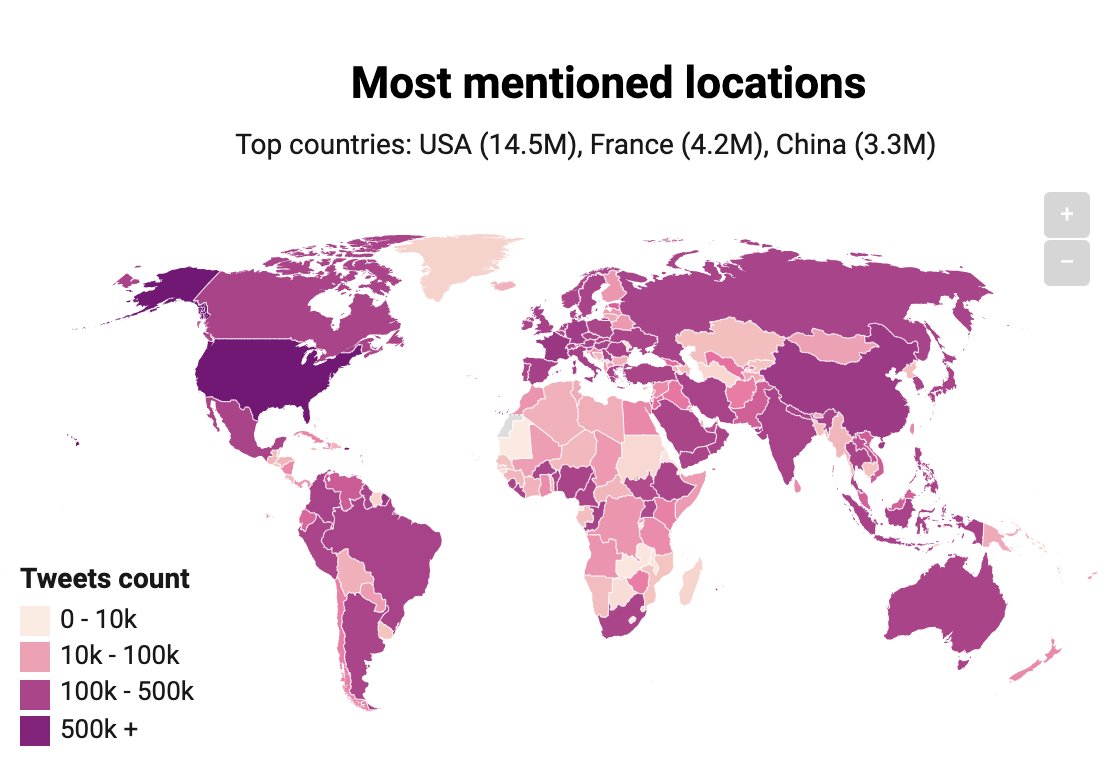
AIDR is monitoring social media for #Coronavirus (#COVID19). We’re using AI techniques to offer various ways to explore Twitter data and present maps of geographical distributions of tweets, users, and most mentioned locations. More results here: https://t.co/CguGq9UXmj
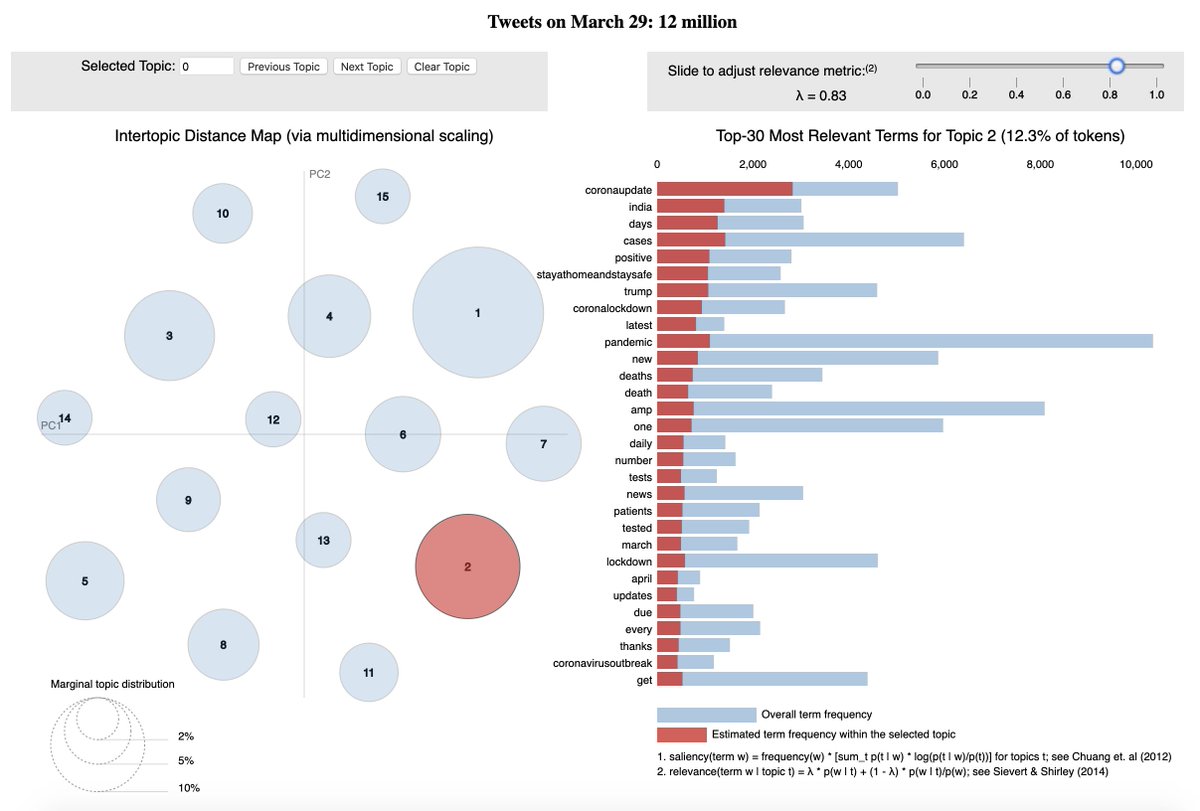
We are using unsupervised machine learning techniques to process Twitter data to find hidden topics on Twitter discourse related to #covid-19 #Corona. We let AIDR users explore daily data and get insights about trending topics. See detailed results here: https://t.co/CguGq9UXmj
AIDR (@aidr_qcri) of @QatarComputing is listed in the catalogue for predictive models in the humanitarian sector. AIDR provides real-time insights from social media using natural language processing, computer vision, and other AI techniques. Thanks @humdata!
💬 @mimran15 of @QatarComputing talks about @aidr_qcri, the role of social media in understanding crises, and what’s next for predictive models in the sector: https://t.co/SmNx1WYF9q
[Pls RT] Open Postdoc Position: The Crisis Computing team at QCRI has an exciting opportunity for a Postdoctoral Researcher to conduct research and develop creative solutions for real-world problems in the humanitarian domain. More details here:
https://t.co/7msTWiaKbN
Looking for labeled #datasets for your research in the #humanitarianAid, #crisisInformatics areas, several new datasets have been uploaded to the CrisisNLP repo: https://t.co/n0IbOwkrGQ
Looking forward to participating in the NSF convergence accelerator on AI for Disaster Management at the Uni of South Carolina (@UofSC) tomorrow organized by the AI Institute's @amit_p, @hemant_pt, @ilkayaltintas, and Susan C. Will talk about @aidr_qcri work from @QatarComputing
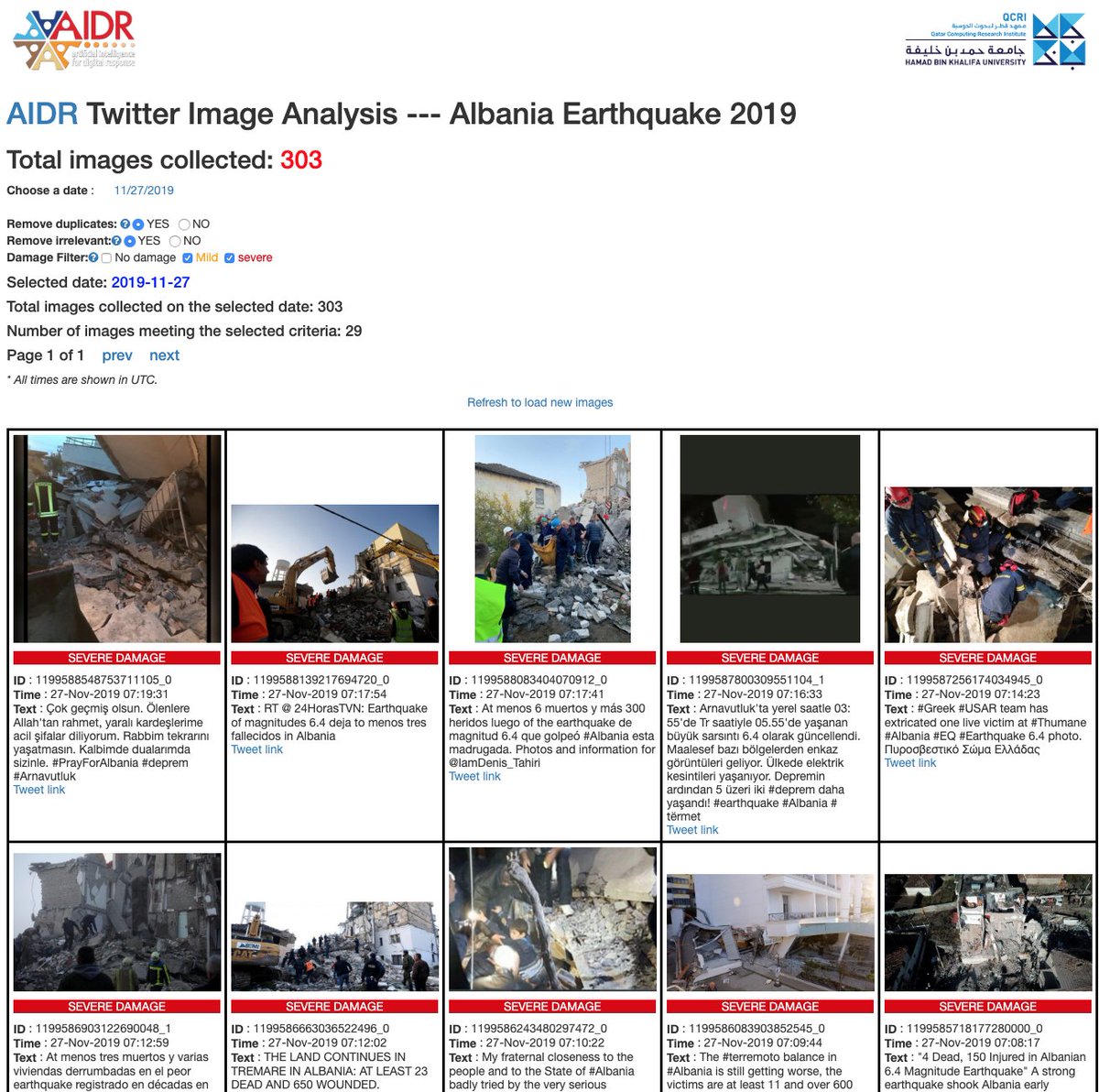
We've activated our automatic damage severity assessment models to identify damage reports on Twitter caused by a recent severe #earthquake in #Albania. Live updates here: https://t.co/lECWT79gkR
💬 We spoke to @@mimran15 of @QatarComputing on @aidr_qcri, the role of social media in understanding crises, and what’s next for predictive models in the sector: https://t.co/SmNx1WYF9q
Our work with @humdata/@UNOCHA and @EAA_Foundation on the identification of incidents related to education insecurity from Twitter is online. The map shows both @aidr_qcri processed tweets (~7.6 million) and the incidents identified by @ACLEDINFO experts.
We’ve partnered with @aidr_qcri and @EAA_Foundation to analyze more than 7.9 million tweets to identify discussions about education insecurity in the Middle East and Africa.
Explore our new #dataviz here: https://t.co/pEbhrmeRdz
@qatarcomputing#WISE19
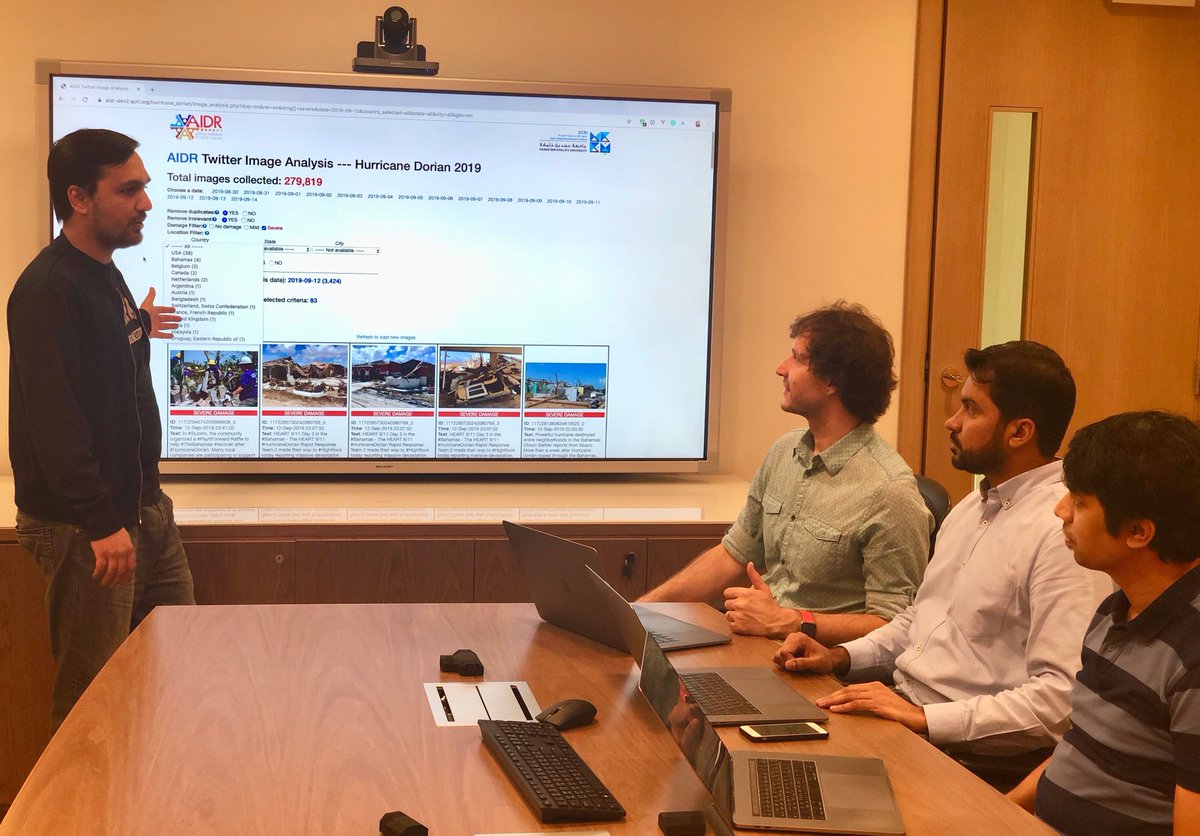
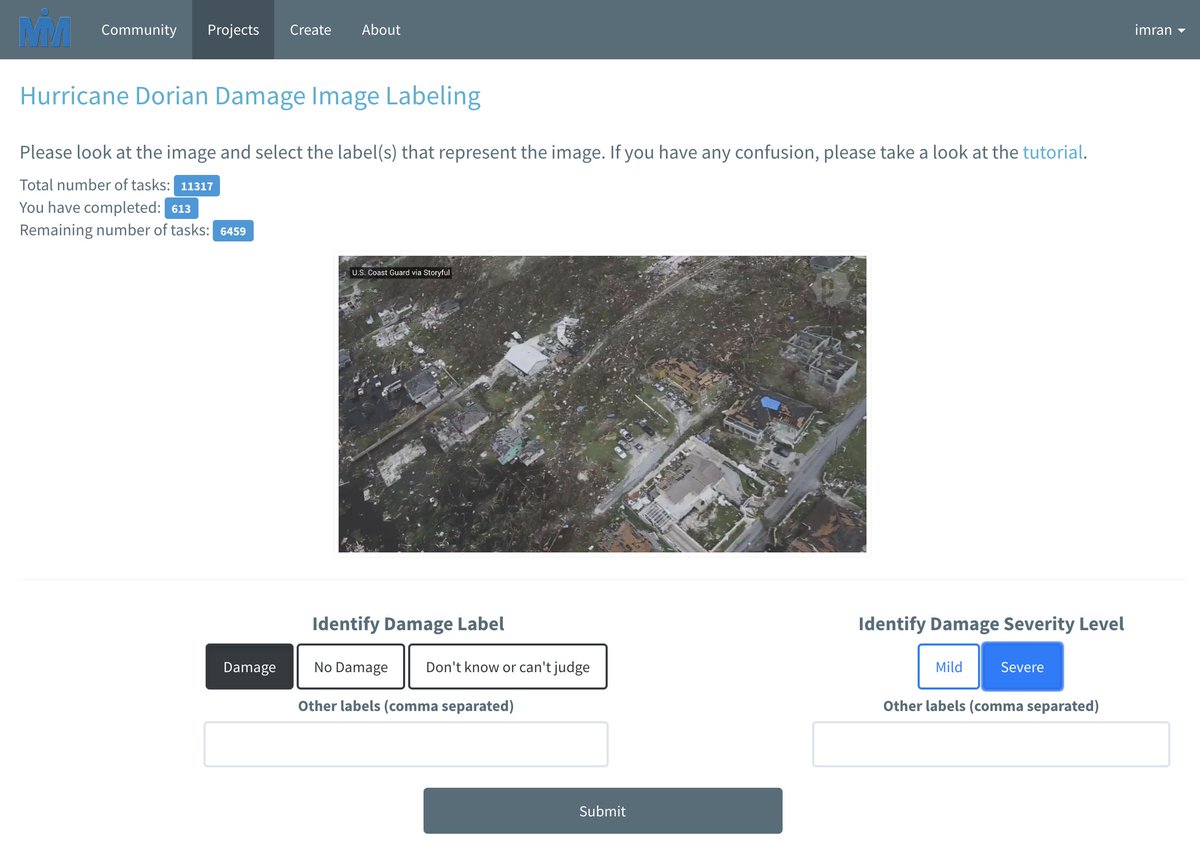
Together with volunteers from @MontCoCERT (@EmergencyComms), we have launched a large-scale image labeling effort to identify the severity of damage caused by #HurricaneDorian & train more accurate image processing models of AIDR system developed at @QatarComputing@MicroMappers