On losing one's sense of belonging, meaning of home, childhood friends and a brother to war.
With Hassan Merhi - author of Love During Revolution
Watch the full episode - Cry My Brother - on The Beirut Banyan
في الذكرى السابعة لرحيل عبد الباسط الساروت، ما يزال صوته حاضراً في وجدان السوريين، رمزًا للكرامة والتضحية والأمل.
ليبقى أيقونةً خالدة وإرثاً في ذاكرة الأجيال، وشاهداً على إرادة شعبٍ آمن بحقه في الحرية والكرامة.
Syria is perhaps the poorest place I have ever been, by the numbers at least.
It maintains its dignity in a way that obscures its poverty: 90% of the population is below the poverty line ($3.65/day), 66% in absolute poverty ($2.15/day), GDP is down 80% since 2011, half the population displaced during the war.
Syria might sound unliveable by the statistics, but people have endured far worse so it feels liveable to them. A man told me life was good now because he used to go to the grocery store and worry that his family would be dead by the time he returned.
A woman is excited to have students again, even though she often tutors for free since the person will go hungry if they pay her.
A family says their children are finally getting better education (they send them to private school for $100/year) although they cannot afford to eat meat and borrow to make rent each month.
Their measurement of a good life is incomprehensible to outsiders, but it is hard not to be moved by how strong of a front they put up.
https://t.co/SICBkimO0E
One of the oldest continuously inhabited cities in the world - the ancient city of Tyre - designated a UNESCO World Heritage Site for its incredible historical sites. This is what it looks like today following multiple Israeli airstrikes.
Al Samoudi is one of 105 Palestinian journalists who have been detained since Oct. 7, 2023, the majority of whom have been held without charge https://t.co/uAvCAbh1O0
Israel killed this Lebanese father and his 7-year-old son, who were known for caring for birds.
Israel has killed at least 575 people in Lebanon since agreeing to a ceasefire with Hezbollah on April 16.
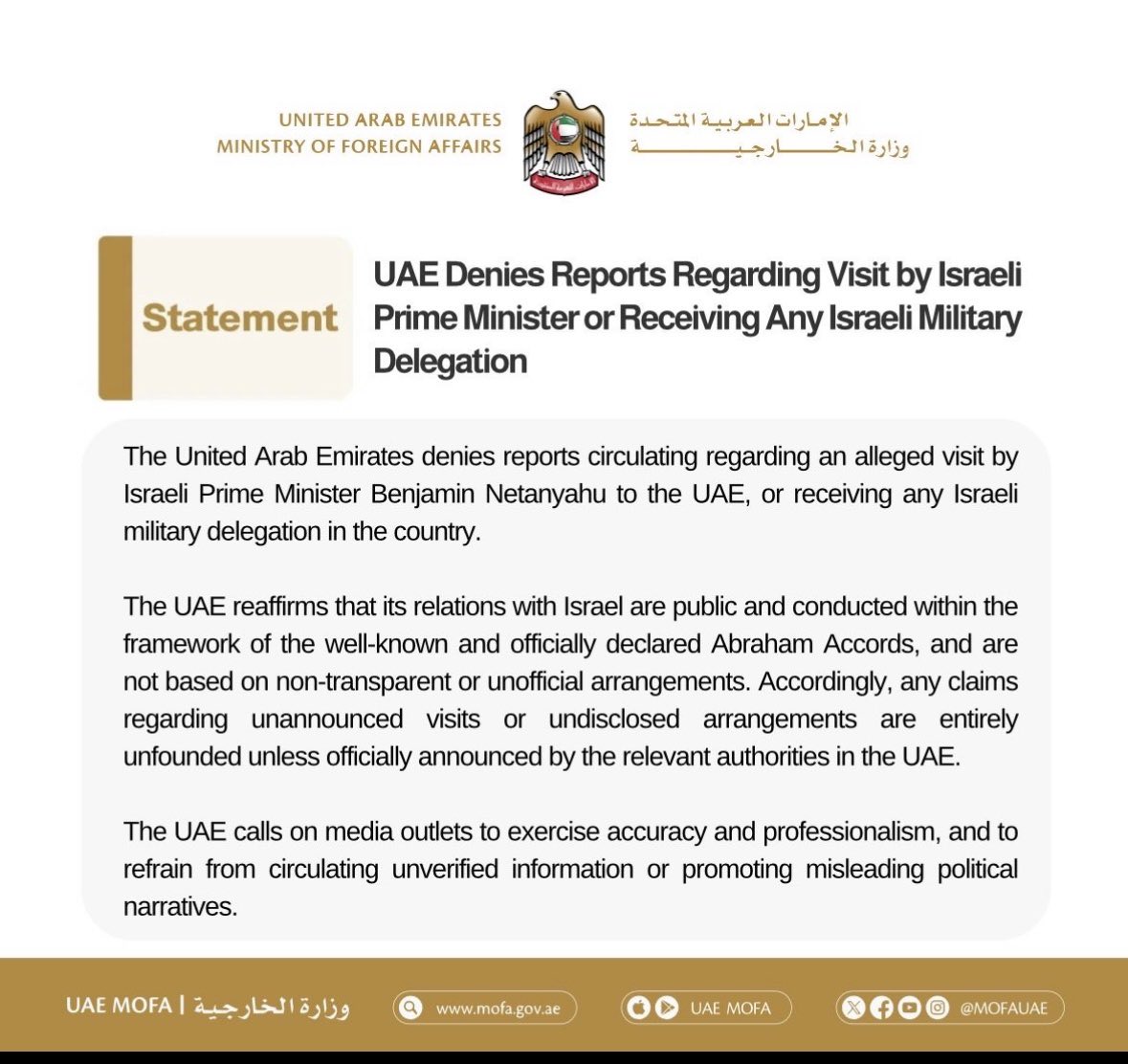
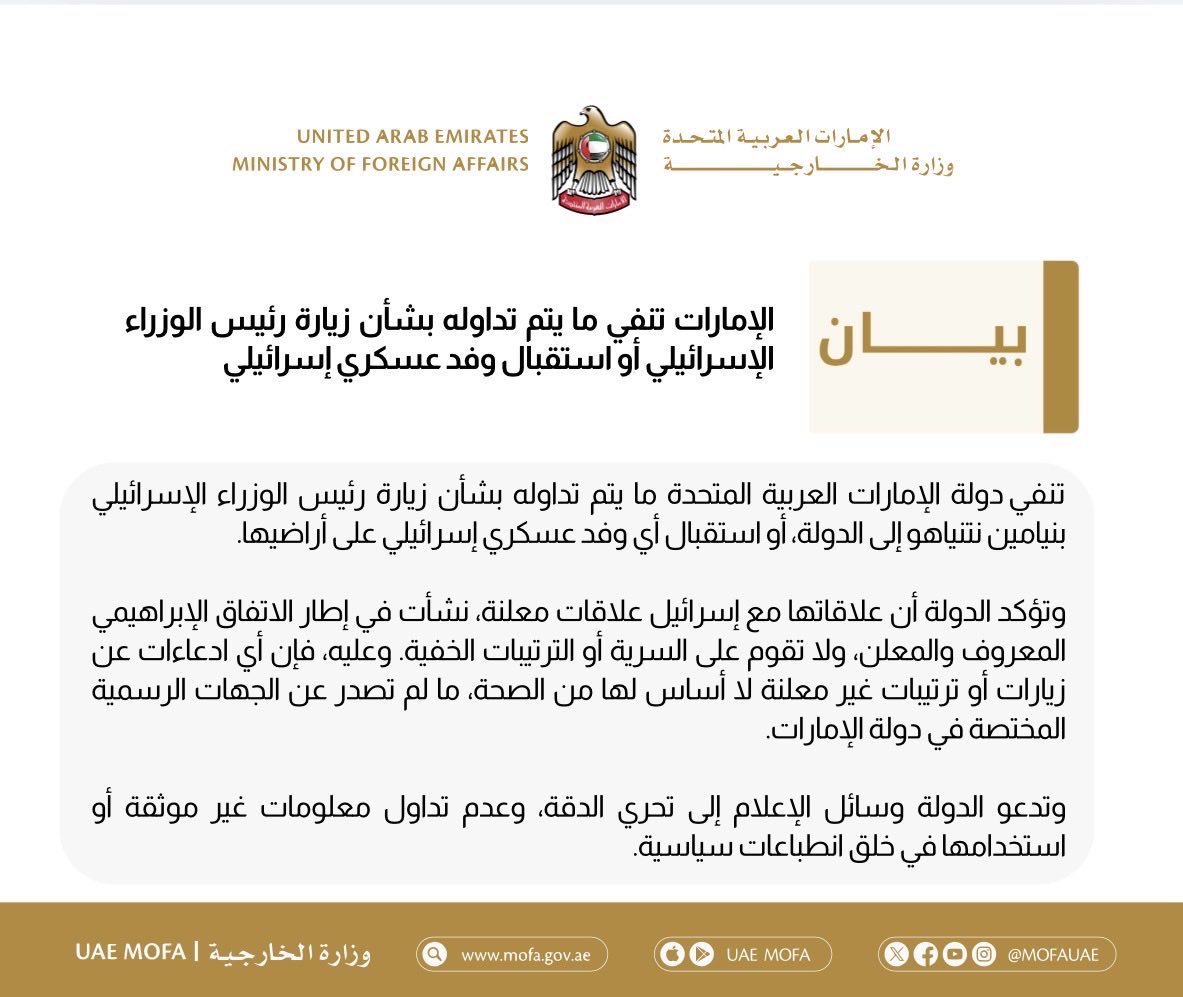
الإمارات تنفي نفيا قاطعا ان مجرم الحرب نتنياهو زار الإمارات في اي وقت من الاوقات. فلا اهلا ولا سهلا بمجرم حرب وقاتل أطفال غزة على ارض الإمارات الطاهرة. الزيارة التي يتحدث عنها نتنياهو من وحي خياله المريض وقد عرف عنه انه كثير الكذب وأطلق هذه الكذبة لخدمة اغراض انتخابية انتهازية
The latest shutdown came after American and Israeli airstrikes in February, weeks after authorities partially restored internet access following a brutal crackdown on nationwide protests https://t.co/YU3qbMyLZS
Paul Conroy was a great journalist, human being and friend to so many. He did heroic things with incredible humility, and for all the right reasons. In an era when the frauds and propagandists are thriving, his passing is even more devastating. https://t.co/7pmpjDyx4j
The IDF has announced that it "accepts" (!) the Palestinian estimate of 70000 dead over the last two years, not including those buried under the rubble. "Accepts" means that even the vast network of lies no longer holds. If the IDF "accepts" 70000, it has killed innumerably more.
This video is a microcosm of how October 7 has been discussed and deliberately misframed.
If the Palestinian man had reacted at all, even in basic self-defense, the Israeli would’ve shot him on the spot and faced little to no consequence. That asymmetry is the operating reality; it’s not hypothetical.
What this footage captures is only a drop in an ocean of violence Palestinians have been subjected to for nearly eight decades. Yet when October 7 happened, the focus wasn’t on the daily, structural violence that preceded it (the settler who runs someone over, the soldier who humiliates, or the system that enables it all). Instead, the focus was placed squarely on the Palestinian who reacts, as if reaction exists in a vacuum.
That’s what this video exposes. One side’s permitted to brutalize, terrorize, and endanger lives in full view of the world, while the other’s expected to endure it quietly. If they don’t, they’re killed and then blamed for their own death.
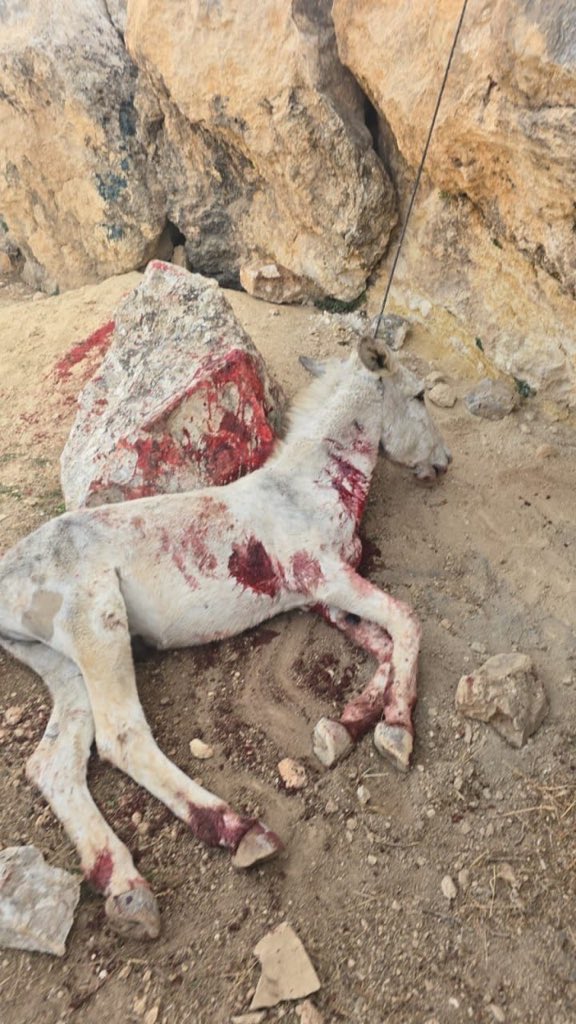
⚠️Israeli jewish settlers stole a donkey from a 10-year-old Palestinian boy from Al Ma’azi Bedouin community, near the village of Jaba in the occupied West Bank.. Then, they slaughtered the donkey, stabbed, stoned and hanged it..