Come land on the Moon with us! 🌙
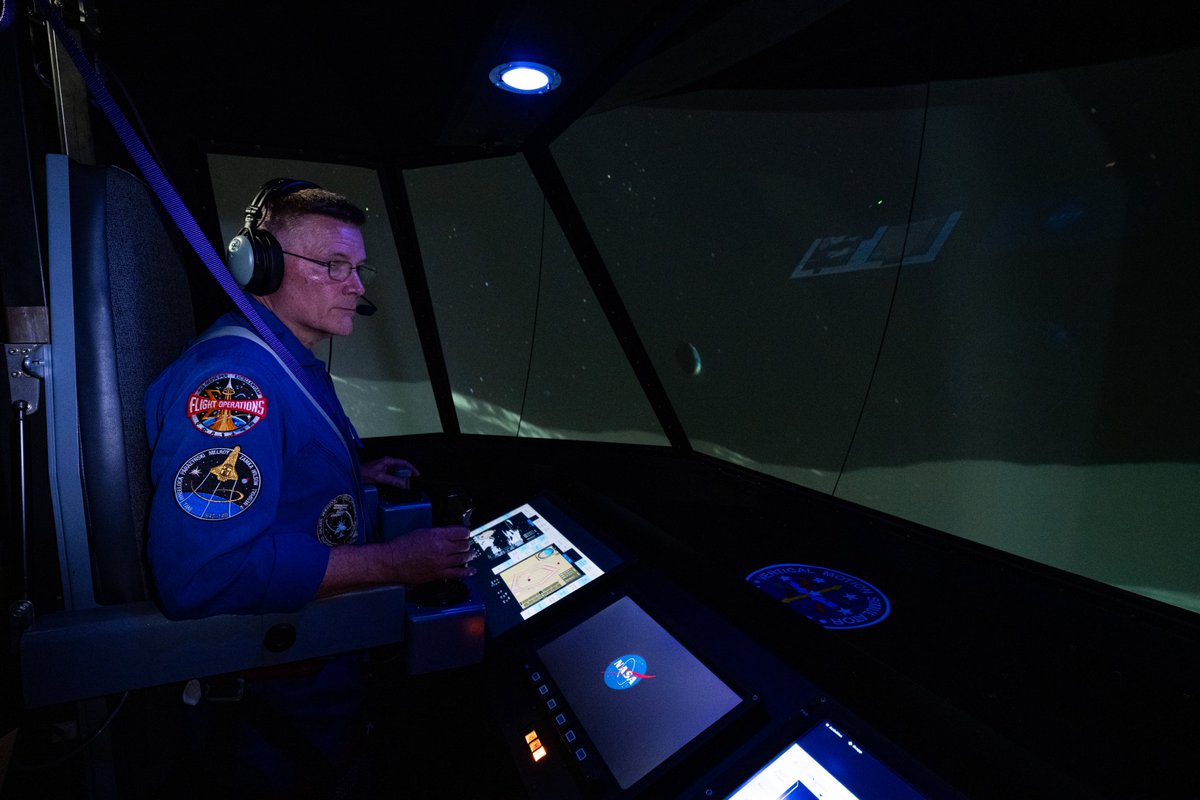
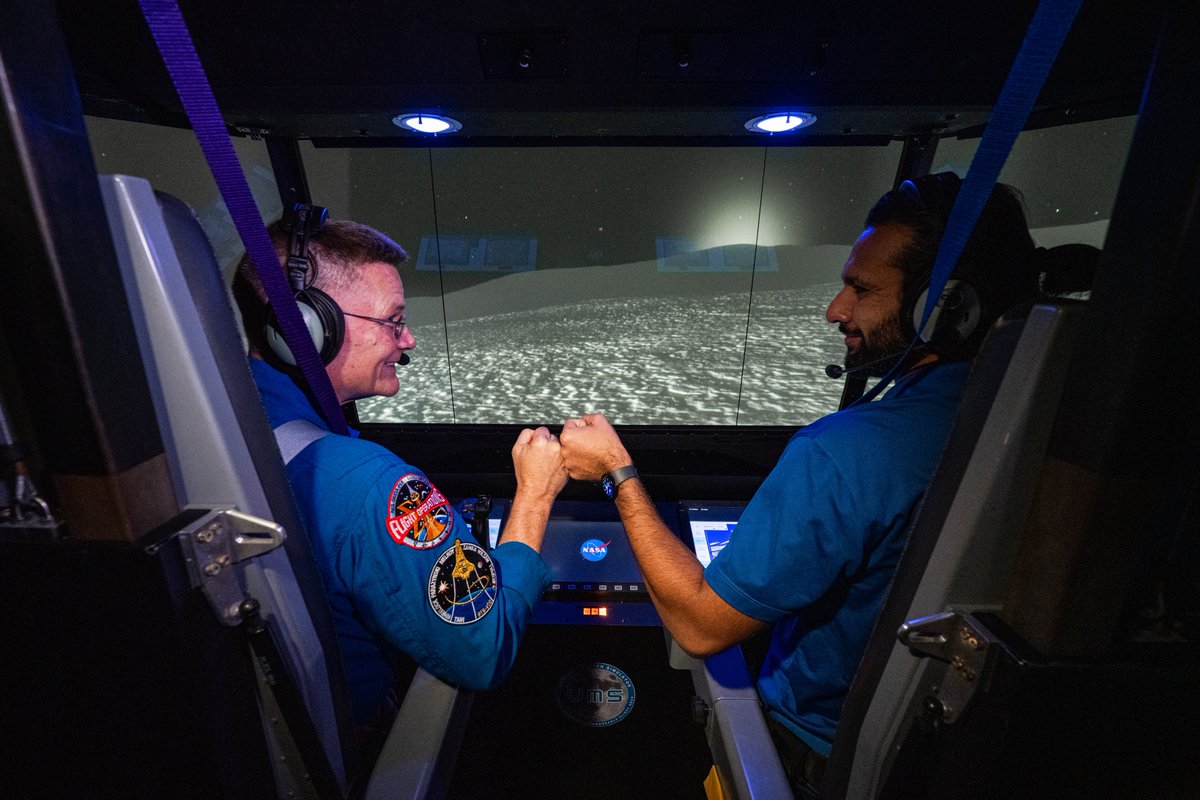
We recently integrated a lunar lander simulation into our Vertical Motion Simulator. Go behind the scenes with NASA engineer Haroon Khan as he practices landing on the Moon.
Some views are worth stopping for 🌌
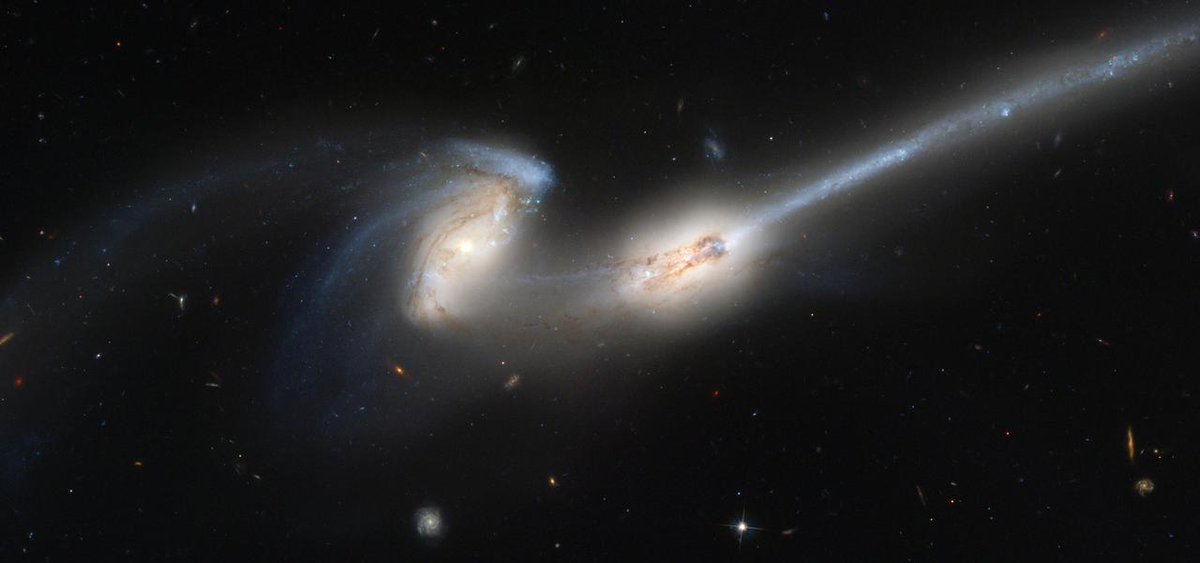
Located 300 million light-years away in the constellation Coma Berenices, the galaxy pair known as NGC 4676 was captured by @NASAHubble. Nicknamed “The Mice” for their long tails of stars and gas, the duo will eventually merge into a single giant galaxy.
Shining bright across the solar system!
On Nov. 18, the Voyager 1 spacecraft will pass an extraordinary milestone, a distance reached by no other human-made object: one light-day away from Earth. And we're celebrating with a special message for the spacecraft!
Refining quiet flight one test at a time ✈️
Our researchers have run thousands of hours of supersonic wind tunnel tests for decades, including model studies that helped engineers improve quieter flight test techniques.
This research has helped pave the way for NASA's quiet supersonic X-59 aircraft.
Learn more about our wind tunnels:https://t.co/vLIeykPBJY
Our R5 CubeSat technology tests are up and running in low Earth orbit!
What we learn will help pioneer new ways to operate spacecraft, speed up development-to-launch timelines from years to months and cut costs.
Learn more: https://t.co/eWCBQsyu2U
A tiny bit of light can go a long way.
After sunset on Tuesday, Nov. 17, we invite you to “Shine Bright for Voyager’s Light-Day” by lighting a signal skyward, joining a worldwide celebration of this historic moment, nearly 50 years in the making.
From flight procedures and pilot interactions to cockpit displays and control systems, the data collected from the unique capabilities of the VMS can help engineering teams evaluate lunar lander development for future Artemis missions.
Come land on the Moon with us! 🌙
We recently integrated a lunar lander simulation into our Vertical Motion Simulator. Go behind the scenes with NASA engineer Haroon Khan as he practices landing on the Moon.
No other traveler has ever journeyed so far from home.
Voyager 1 is about to become the first human-made object to reach a distance of one light-day from Earth, or about 16 billion miles. ½
When past meets present 🖌️🌙
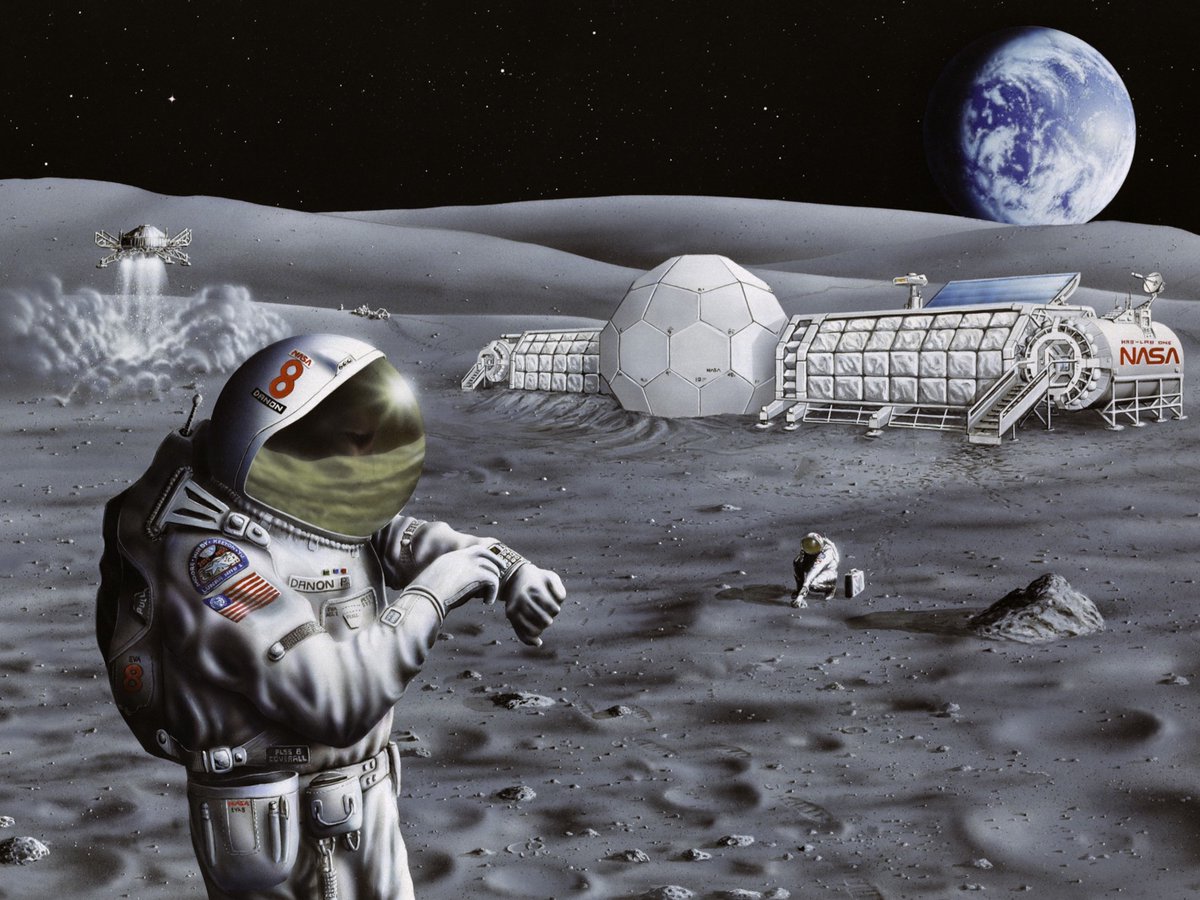
For decades, artists have imagined humans living and working on the Moon, as seen in these illustrations from the ‘60s through ‘90s.
While the designs may look different from what we'll build, the vision is becoming a reality with @NASAMoonBase.
Do you want to be an astronaut?
Applications are now open to join NASA's astronaut corps. Join us as we expand the frontiers of discovery in low Earth orbit, on the Moon, and beyond — apply by Dec. 3: https://t.co/laY2ExWiGO
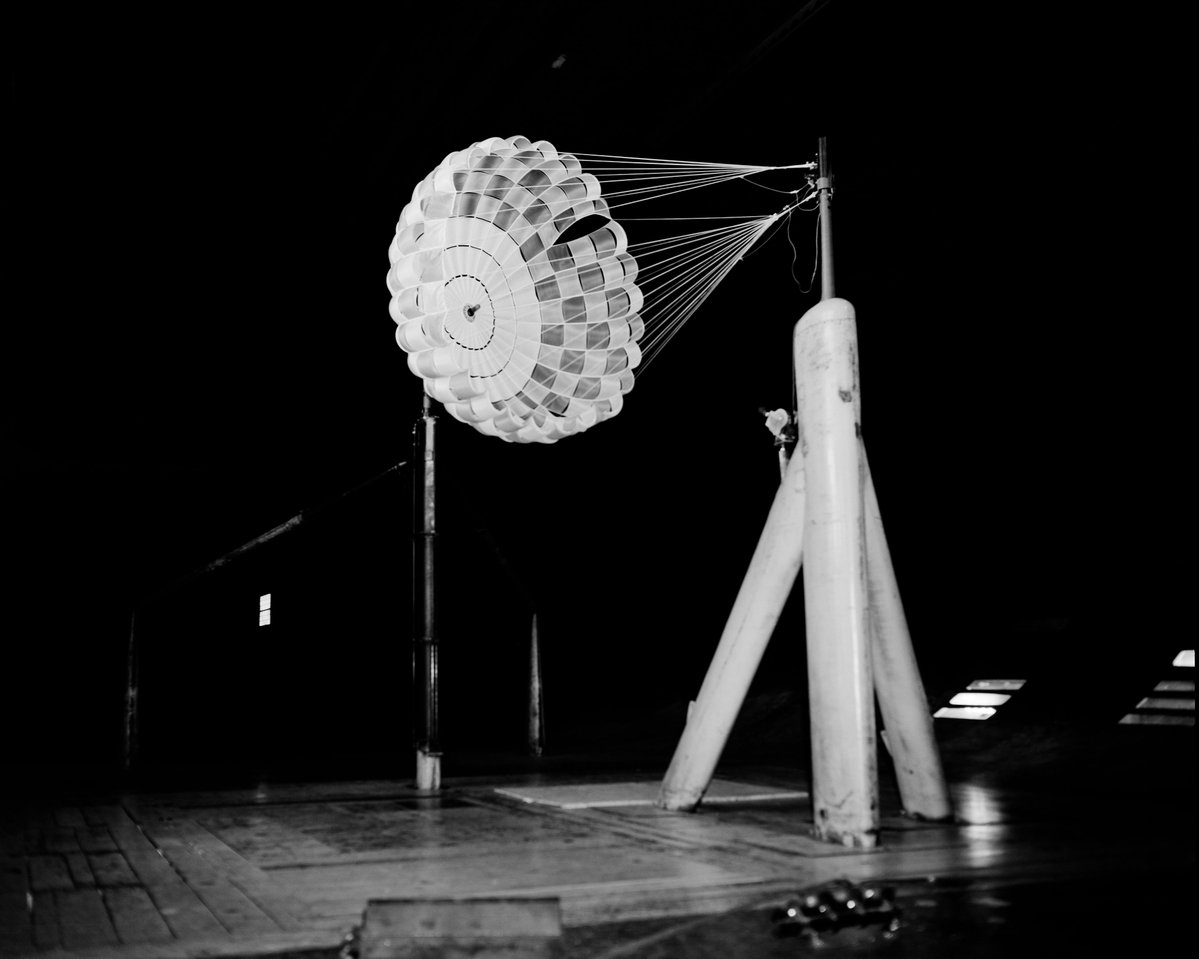
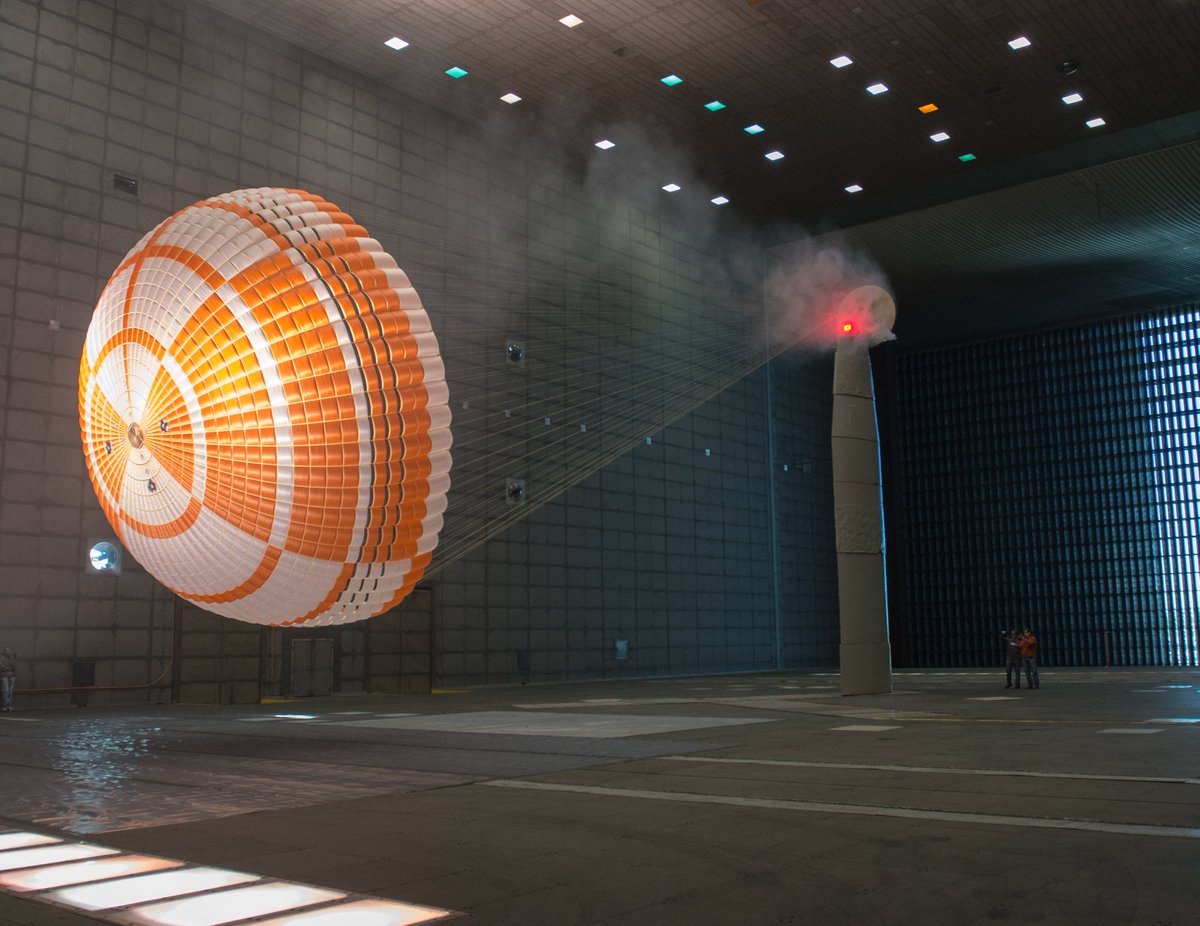
We've been putting parachutes to the test for decades in the world’s largest wind tunnel here at our Silicon Valley center. Learn more about this world-class facility and the work that continues today: https://t.co/etGVwGG64R
From Apollo to Artemis: Wind tunnel edition.
In the '60s, we tested early designs of Apollo parachutes to inform steering maneuvers and assess aerodynamic drag. Decades later, we tested Orion parachutes—designed for Artemis missions—to evaluate canopy performance and stability.
Last week, we welcomed NASA astronaut Douglas "Wheels" Wheelock to our Silicon Valley center!
Wheelock became one of the first to pilot a newly integrated lunar lander simulation in our Vertical Motion Simulator, the world’s largest flight simulator for high-fidelity testing of new and experimental aircraft and spacecraft designs.
The simulation will provide insights that will help shape the future of landing vehicles and crew controls for Artemis missions.