You’ve been with us for many moons. From new moon to full. From lunar to solar eclipse. It was a great phase. Thanks for orbiting Earth with us.
🌒🌓🌔🌕🌖🌗🌘🌑
Goodnight @NASAMoon
Keep up with lunar news:
@NASASolarSystem@NASAArtemis
https://t.co/634z5r2XoF
#OTD 16 years ago, NASA's Lunar Reconnaissance Orbiter launched to the Moon. Since then, it has created a 3D map of the entire Moon, detected deposits of water ice, and is paving the way for future lunar exploration with #Artemis. More about the Moon: https://t.co/rJ1KaHNfD2
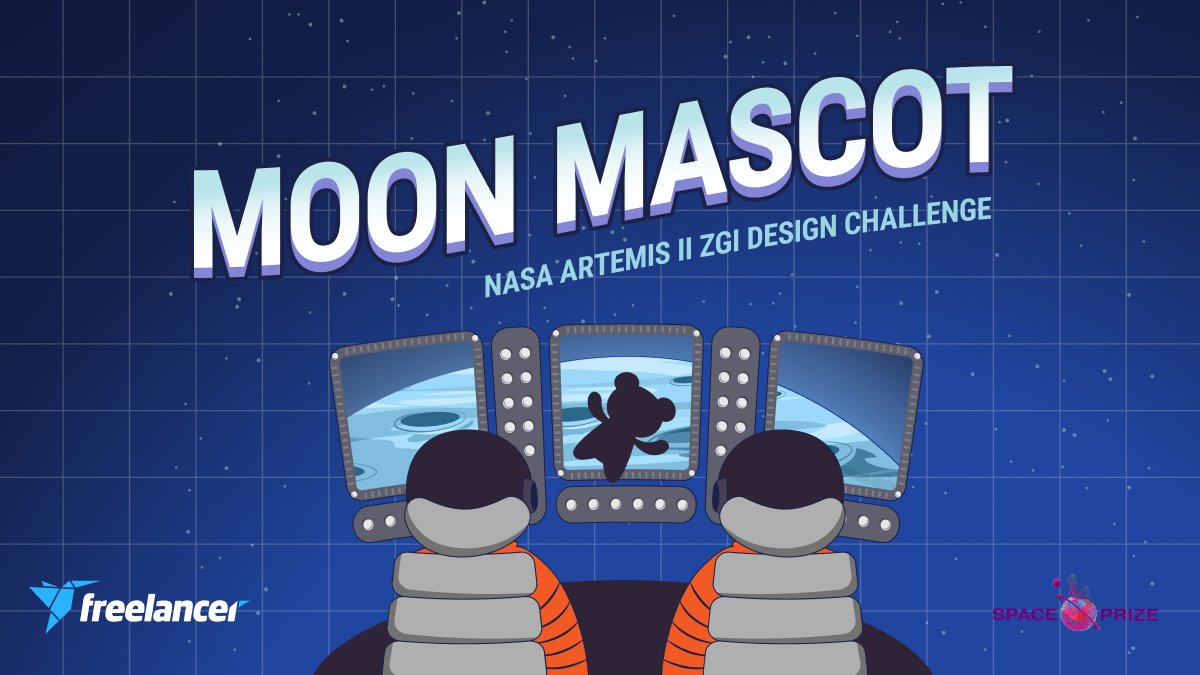
Last call for Moon Mascot designs! 🌕🧸
Only a few days left to submit your ideas for the zero gravity indicator that will accompany @NASAArtemis astronauts on their Moon-orbiting mission.
Entries are due Monday, June 16!
https://t.co/4tl9dugvfT
Important update: This X account will soon be archived. Thank you for being part of our community over the years.
For future NASA Moon science news, follow @NASASolarSystem and visit https://t.co/634z5r2XoF.
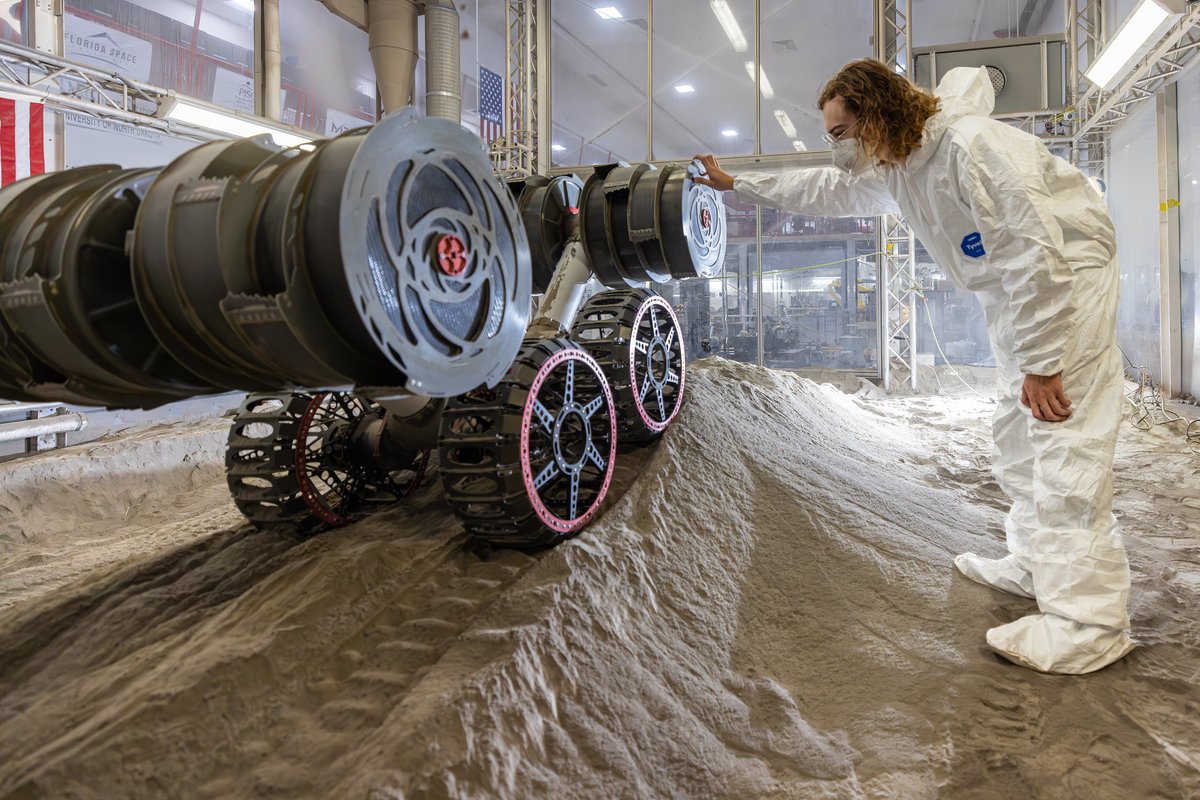
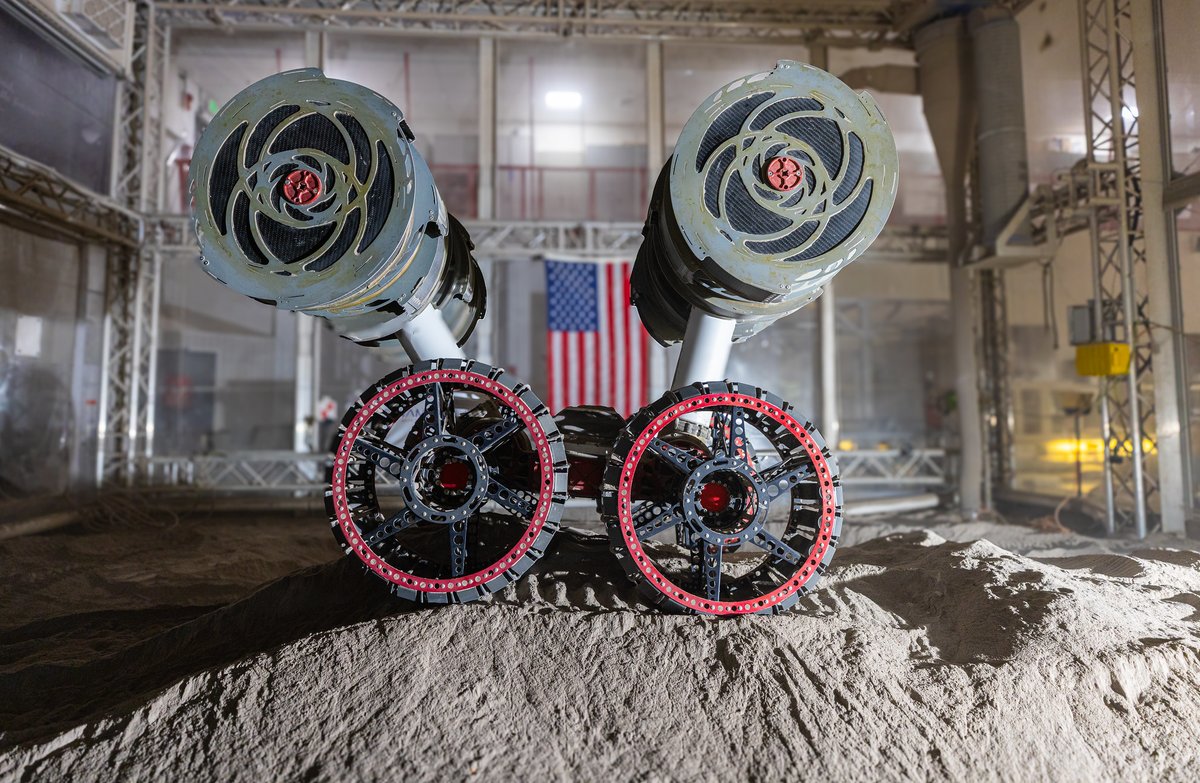
Digging for the future of lunar exploration!
NASA's RASSOR recently conducted a site preparation test using its counterrotating bucket drums to dig into simulated lunar dust and build a three-foot berm. These bucket drums will be used on IPEx, NASA's newest Moon-mining robot, to demonstrate even more advanced autonomous excavation capabilities: https://t.co/K4HEwxSfJp
Has your virtual background been lacking Artemis flair?
Download one of our new Artemis II patch-themed backgrounds to show your excitement for the upcoming crewed mission around the Moon! 🚀 https://t.co/FkZe28pWYO
The @NASAArtemis II astronauts still need a zero gravity indicator to join them on their Moon-orbiting mission. Will your design be the one they choose?🧸
Get contest details in this week's NASA STEM EXPRESS! 📨
Read: https://t.co/QybVUd2YYC
Subscribe: https://t.co/UBCL8eQ8vr
Power up 🔋✅
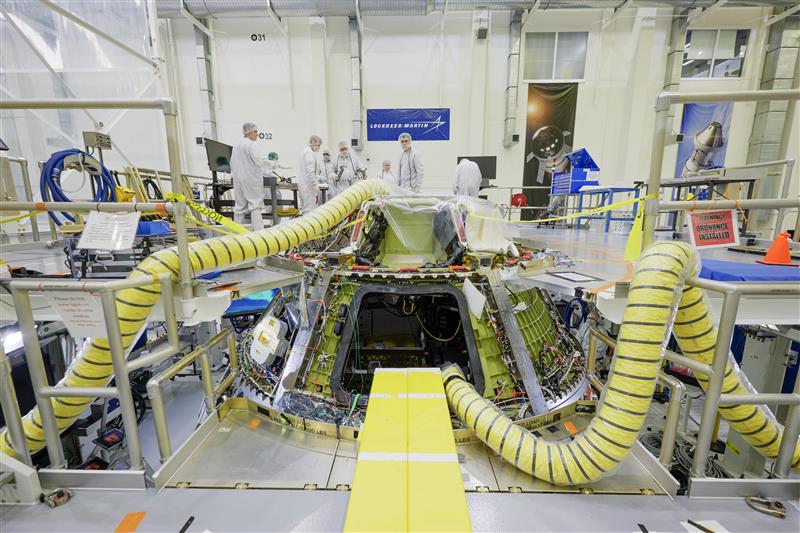
Technicians recently powered on the @NASAArtemis III Orion crew module. This initial power on marked the startup of the crew module’s computers, power and data units, which are responsible for commanding vehicle subsystems.
Learn more: https://t.co/XPTvD1JgWU
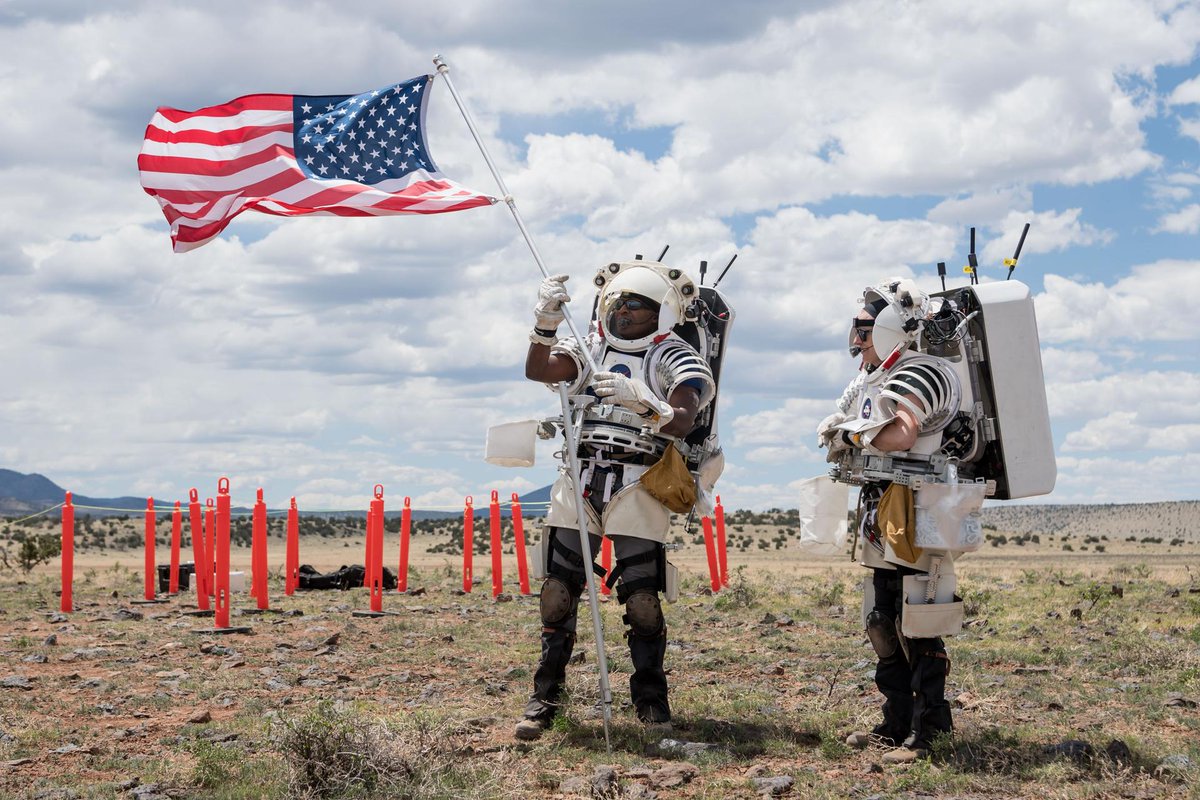
Boot Camp for the Moon 🧑🚀
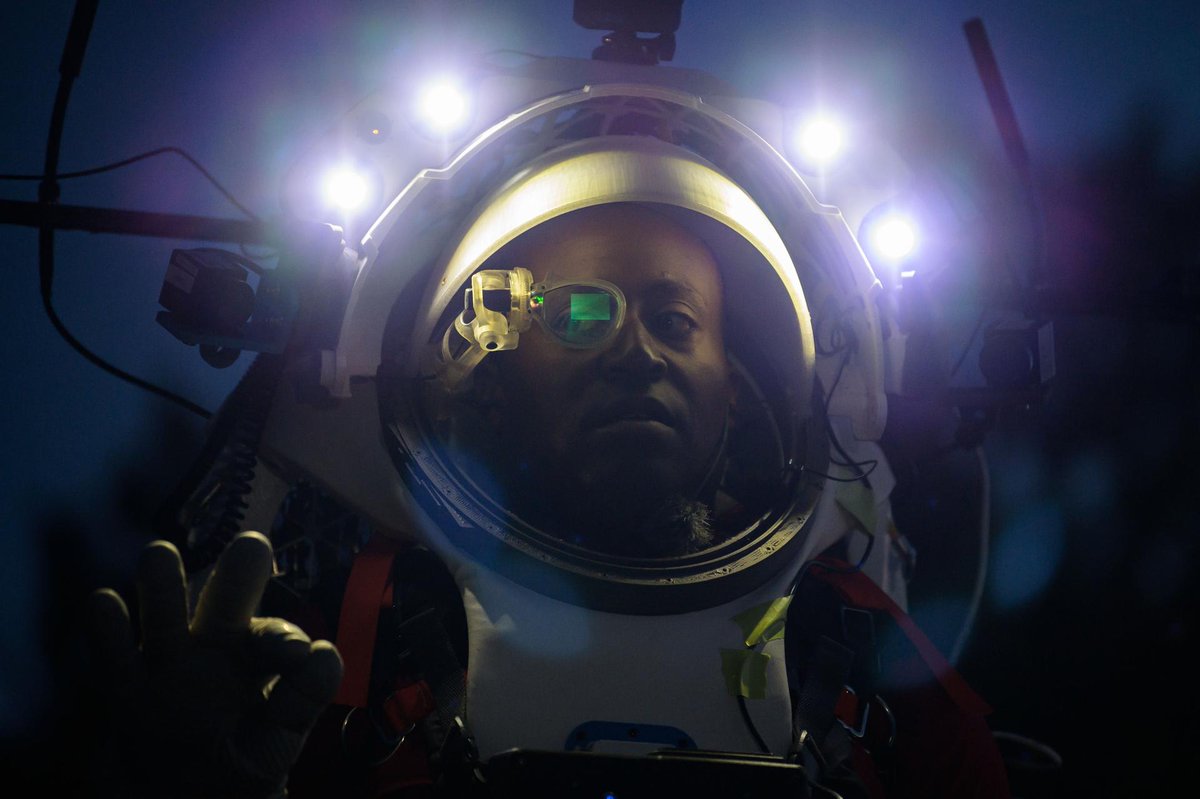
@NASA_Astronauts and @NASAArtemis teams on the ground prepare and train for future crewed missions to the Moon by practicing moonwalks in the Arizona desert! The lunar-like landscape allows teams on Earth to complete technology demonstrations, hardware checkouts, and more. Watch the full-length video: https://t.co/NFm0YuynBm
Great balls of fire! 🔥
On this week’s #HWHAP, two @NASA experts discuss an experiment that will further our understanding of flame behavior on the lunar surface to keep astronauts safe. https://t.co/RuHrUNZfqR
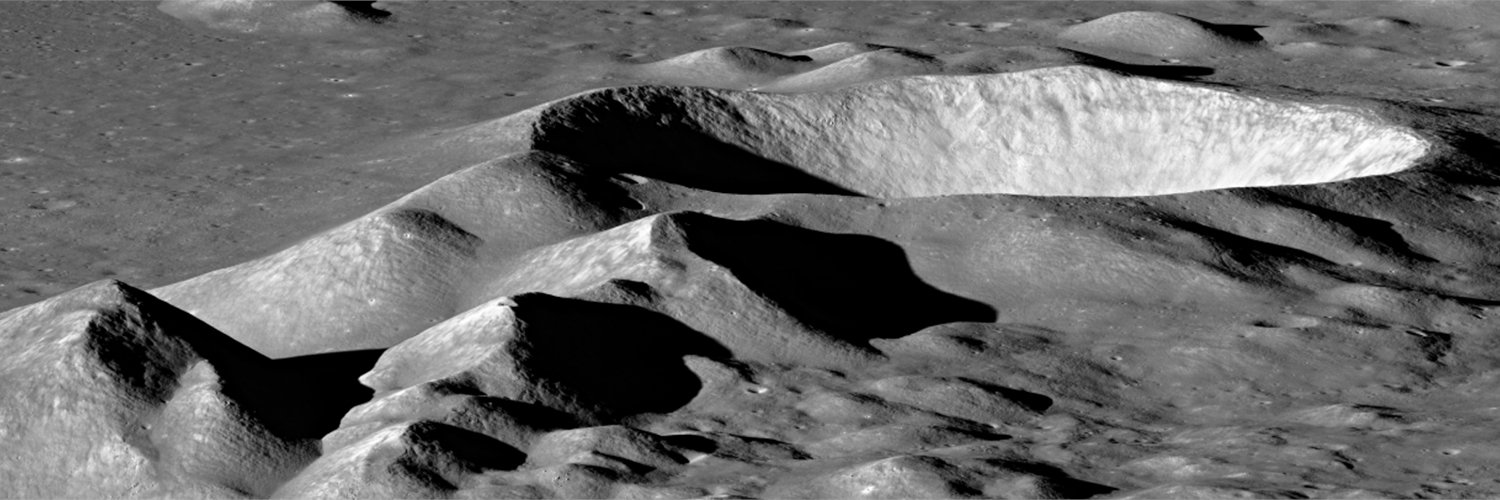
.@NASA’s Lunar Reconnaissance Orbiter Camera has captured images of the planned landing site for @ispace_inc’s RESILIENCE lunar lander, scheduled to touch down no earlier than June 5, 2025.
The site lies within Mare Frigoris, a volcanic region on the Moon that formed more than 3.5 billion years ago: https://t.co/SKJV0GgNOZ
The results are in! 🏆
The 2024 NASA Pictures of the Year have been announced. Congratulations to all the winners, and to Artemis — which was represented heavily in the images!
How do you drive on the Moon? 🌕
On this week’s #HWHAP, two @NASA project managers discuss how astronauts will drive on the lunar surface during future Moon missions. https://t.co/g5DlkyqiUg
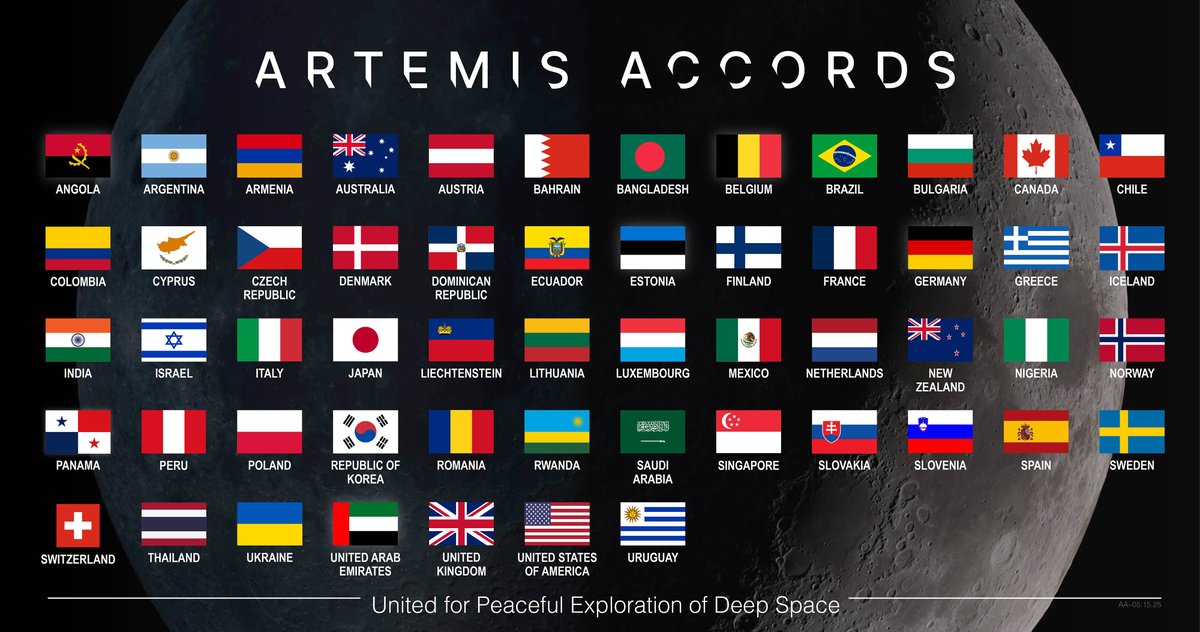
Welcome to the Artemis Accords, Norway 🇳🇴
Norway has become the 55th nation to commit to the safe and peaceful exploration of space. https://t.co/u4vjVqX9Nq
This just in: NASA to Fly Saudi Arabia CubeSat Aboard Artemis II Test Flight
@POTUS announced today that a @saudispace space weather satellite will launch along with our #Artemis II Moon mission: https://t.co/0WGJfYizNM
April showers bring May Flower(Moon)s! 🌼
The next full moon occurs Mon. May 12 at 12:56 p.m. EST, but it will look full the night before and after.
For more May skywatching: https://t.co/VI8xxevpk5
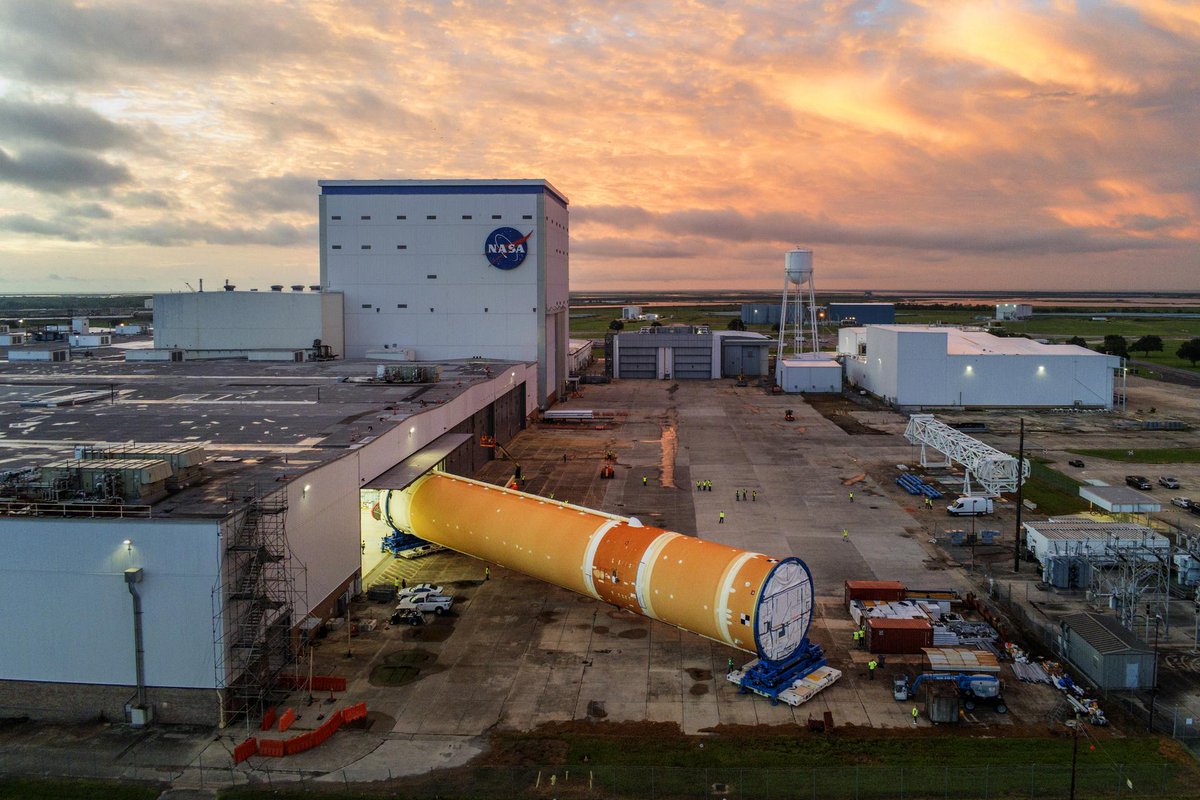
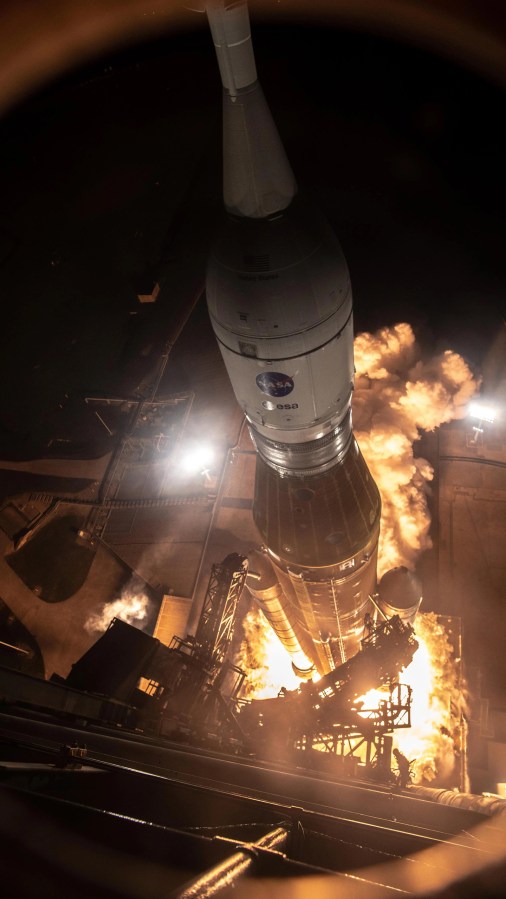
🚀 Stacking of @NASA's Moon rocket continues!
@NASAGroundSys teams have successfully completed stacking of the core stage, launch vehicle stage adapter, and interim cryogenic propulsion stage for @NASA_SLS!
Up next? The rocket will undergo testing ahead of Orion stacking for the @NASAArtemis II mission.
Following an evaluation of partnership proposals for VIPER, @NASA has decided to explore alternative approaches to deliver its water-seeking robot to the lunar surface.
We appreciate the efforts of those who submitted proposals and look forward to accomplishing volatile science with VIPER as we continue our Moon to Mars exploration efforts: https://t.co/GpBCo9X2U9
The Moon does not have erupting volcanoes today, but it was once flooded with flowing lava. By studying lunar geology (including past volcanism), we learn more about how our Moon formed—which helps us understand how other rocky worlds form and change, too. https://t.co/FhiJZ4hTNx