Celtic Bronze Horse (550-300 BC), used as a votive item, found near the border of France and Germany.
Horse was of tremendous importance to the early nomadic Celts, a major symbol of energy, power and fertility. There is also an evidence that the ancient Celts rode horses and used them in warfare. Epona is the White Mare Horse Goddess, also known as Rhiannon (Wales) and Macha and Etain (reland).
Belgae who worshipped Epona, probably carved the famous White Horse 370ft long into the chalk at Uffington (in Berkshire). The fertility cult of Epona stretched from Spain to Eastern Europe and Northern Italy to Britain. Irish Kings were still symbolically united with a white mare in 11th Century CE, the White mare representing the land of Ireland, whose fertility is assured by her union with the mortal king. The horse symbolizes the soul's journey to Otherworld and Underworld, land of the dead.
The ghostly gray cloud horses were the steeds of Odin's wild hunt" made up of the souls of the dead galloping over treetops. Another relic of pre-Christian horse worship is the morris dancer's traditional horse-headed stick or 'hobby horse' the 'cock-horse' ridden to Banbury Cross to see the Goddess make her ritual ride as Lady Godiva. This design by Jen Delyth, is based on Pictish carving of Scottish Inverurie Stone.
Los Angeles County Museum of Art
#archaeohistories
She was always THE woman. Looking right at you from 1590: Infanta Catalina Micaela (almost surely), painted by Sofonisba Anguissola (probably). Surely one of the greatest renaissance portraits.
This amphoriskos (perfume bottle) made of banded agate is a rarity. Symbols of wealth and sophistication, used as diplomatic gifts and kept as heirlooms in antiquity and later. Imitations were made in glass and pottery.
Roman, late 1st c. BCE–early 1st c. CE
#MetMuseum 📸 me
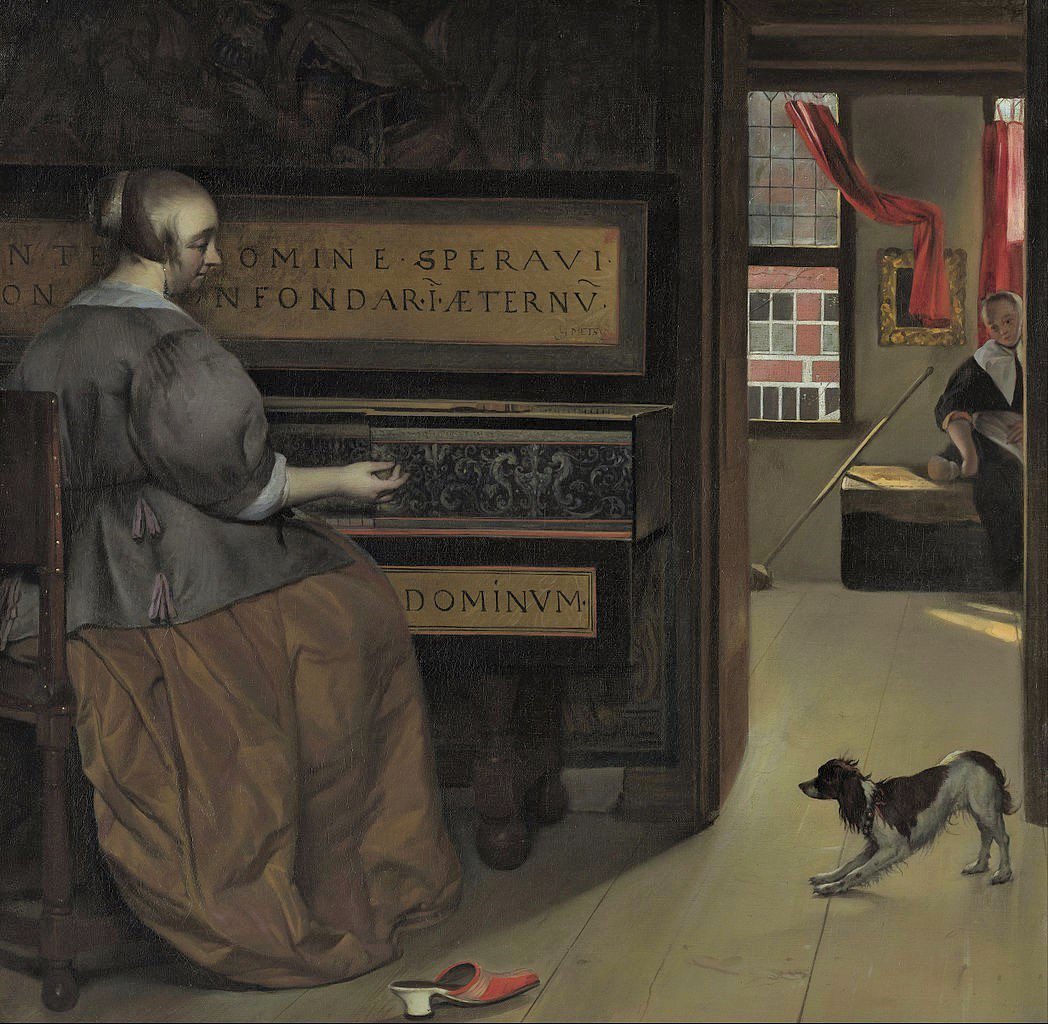
Louise Hollandine of the Palatinate, 1650: painter & rebel. Gutted her family by becoming Catholic. Here by her art teacher Gerrit van Honthorst, whose day is today.
A spectacularly colorful terracotta funerary urn from Centuripe in Sicily, depicting a bride and her attendants. The sealed vessel resembles a tholos-style tomb or temple, with lion-headed waterspouts, triglyphs and metopes. #polychromy 😍
Greek, 3rd-2nd c. BC
#MetMuseum 📸 me
Sunrise didn’t quite dovetail with slack high tide. I missed the crucial symmetry moment by 20 minutes, by which time the mighty river was on the move again. It’s the little things that make all the difference. I’ll do better next time :)
Michiel Sweerts, Self-portrait with Skull Around 1661. Here Sweerts puts his finger into the nasal cavity of the memento mori skull. Not your usual portrait. (Agnes Etherington Art Centre, Queen's Universit
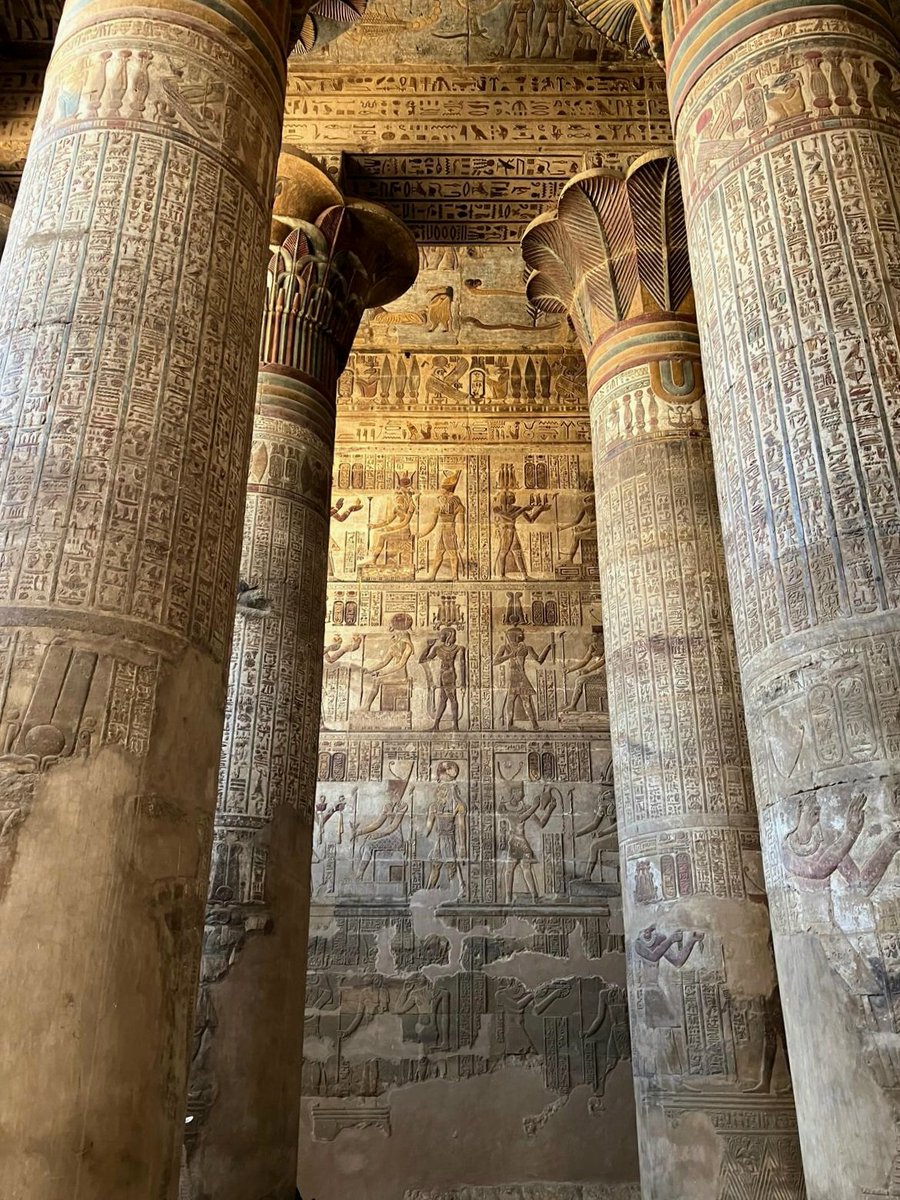
A friend who is involved in the Esna restoration project has shared with me his latest impressive photos of the restored walls and columns of the Temple of Khnum in Esna, Upper #Egypt. The colours of the reliefs and inscriptions in the building have been covered by a....1/2
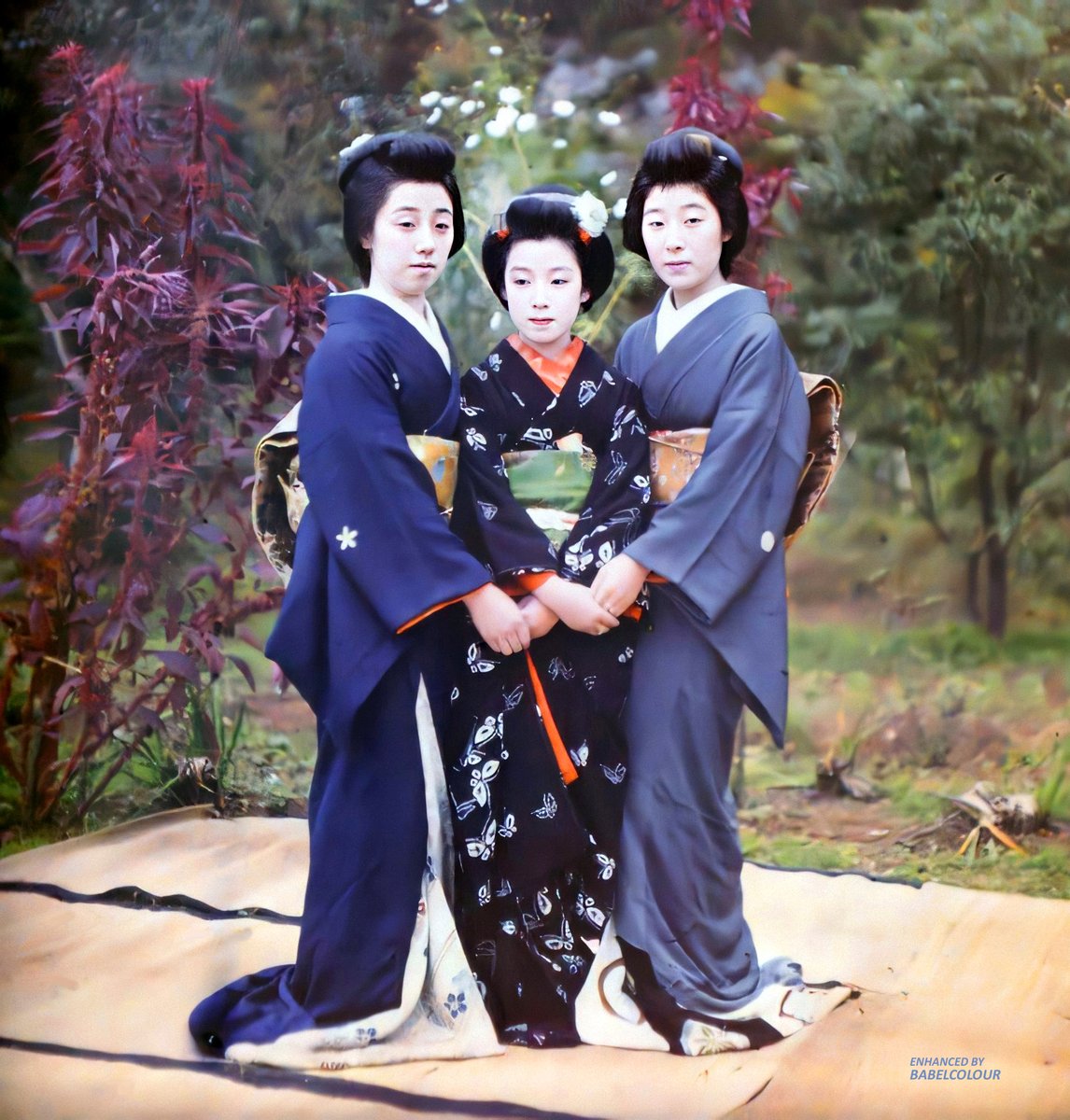
Travel back 112 years to November 1912: I have enhanced for you this striking autochrome taken by Stéphane Passet in Kyoto, Japan.
It was taken in colour and isn't colourised.
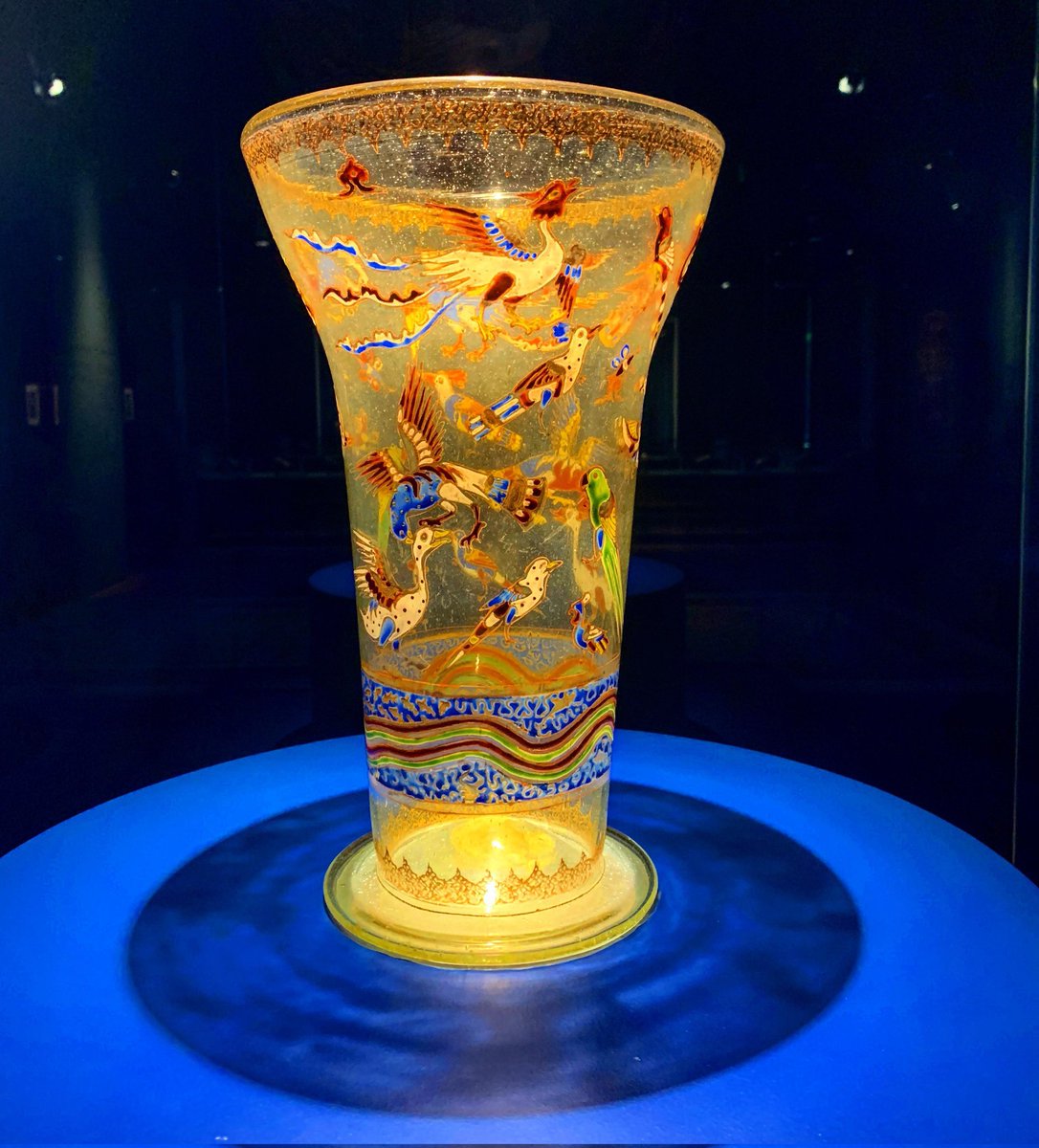
A Mamluk enamelled and gilded glass beaker decorated with mythical and real birds. Made in Egypt or Syria, first half of the 14th century, now on display at the Gulbenkian Museum in Lisbon